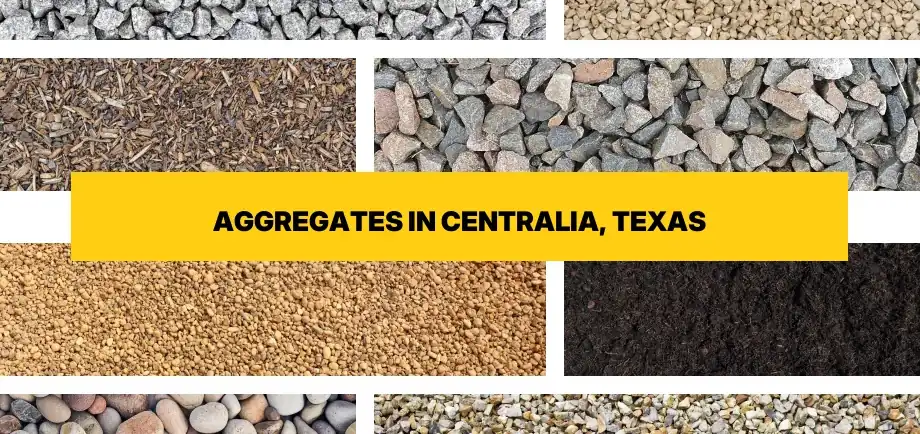
Bulk Aggregate & Gravel Products in Centralia, Texas
Local Topsoil, Dirt, Sand, Rocks and Gravel near me in Centralia, Texas
Shop Aggregates for Delivery in Centralia
Order online for free delivery to any Centralia address.


Centralia sits in the heart of Trinity County, where East Texas clay soils and humid subtropical weather create unique challenges for property owners. Gravel Monkey delivers premium aggregates and landscaping materials directly to your Centralia property with absolutely no delivery charges. Whether you're building a new driveway along County Road 3285, improving drainage near the Trinity River bottoms, or creating walkways for your rural homestead, we provide the quality materials you need to handle East Texas conditions. Our complete selection of crushed stone, gravel, sand, and soil products ensures your project succeeds in Centralia's distinctive climate and terrain.
Complete Selection of Aggregates Available in Centralia
East Texas projects demand materials that can withstand humidity, heavy rainfall, and expansive clay soils. Gravel Monkey supplies the aggregates Centralia residents trust for lasting results:
- Driveway Gravel - Durable aggregate base designed for rural East Texas roads and driveways
- 3/4 inch Crushed Stone - Versatile angular rock perfect for driveways and foundations
- #57 Stone - Popular drainage aggregate that handles Trinity County's heavy rains
- Crusher Run - Compactable base material that creates solid, stable foundations
- Road Base - Heavy-duty foundation for driveways and access roads
- Pea Gravel - Smooth decorative stone for walkways and landscaping features
- River Rock - Natural rounded stone that complements East Texas landscaping
- Drain Rock - Specialized aggregate for managing water in clay soils
- Crushed Concrete - Eco-friendly recycled aggregate for budget-conscious projects
- Decomposed Granite - Natural pathways material that drains exceptionally well
- Topsoil - Rich soil amendment for gardens and raised beds
- Fill Dirt - Essential material for grading and leveling projects
- Mason Sand - Fine sand for masonry work and construction projects
- Playground Sand - Safe, clean sand for children's play areas
- Washed Sand - Clean aggregate for concrete mixing and landscaping
- Walkway Gravel - Ideal decorative aggregate for paths and garden borders
Understanding Centralia's Unique Soil and Climate Conditions
Trinity County's geology presents specific challenges that influence every aggregate selection. The region features heavy Lufkin and Tabor clay soils that expand dramatically when wet and contract during dry periods. This soil movement can wreak havoc on improperly constructed driveways and foundations throughout Centralia and nearby communities like Groveton and Apple Springs.
Centralia receives approximately 48 inches of rainfall annually, with peak precipitation during spring months. The combination of humid subtropical climate and poorly draining clay creates standing water problems for many properties. Temperatures range from mild winters in the 40s to sweltering summers exceeding 95 degrees Fahrenheit. This temperature swing, combined with moisture fluctuations, demands aggregates that maintain stability through extreme conditions.
The Trinity River watershed influences local hydrology, with many Centralia properties experiencing seasonal flooding or high water tables. Properties near the river bottoms and along tributary creeks require special attention to drainage design. Using proper aggregates creates permeable surfaces that allow rainfall to infiltrate rather than pooling on impermeable clay surfaces.
Aggregate Solutions for East Texas Clay
Successfully building on Centralia's expansive clays requires understanding aggregate behavior. Angular crushed stone locks together mechanically, creating stable surfaces that resist the shifting forces of expanding clay. Rounded aggregates like pea gravel, while attractive, don't provide the same structural integrity for load-bearing applications.
Base layers need materials that compact firmly while maintaining drainage channels. The fines in crusher run bind particles together, creating a dense, water-resistant foundation. However, this same compaction can trap water if not properly graded. That's why successful East Texas projects typically combine a crusher run base with a drainage layer of cleaner stone.
Choosing the Right Aggregates for Your Centralia Project
Driveway Construction Throughout Trinity County
Rural driveways in Centralia face unique stresses from agricultural equipment, delivery trucks, and frequent rainfall. A properly constructed driveway begins with site preparation that addresses drainage. The clay soils common from County Road 3285 to FM 357 require excavation and replacement with aggregate base materials.
Start with six to eight inches of compacted road base or crusher run for the foundation. This layer distributes weight and prevents rutting in the clay below. Add four inches of three-quarter inch crushed stone or number 57 stone for the surface layer. This top layer provides traction while allowing water to permeate down to the base drainage system.
Properties near Groveton and the Trinity River bottoms may need additional attention to crown and ditching. Creating a center crown that slopes water toward drainage ditches prevents pooling that softens the driveway base during rainy seasons.
Drainage Systems for Heavy East Texas Rainfall
Managing forty-eight inches of annual rainfall on clay soils requires strategic aggregate placement. French drains filled with drain rock intercept subsurface water before it saturates building foundations. The large, clean stone creates void spaces that channel water efficiently.
Surface drainage benefits from decomposed granite or walkway gravel in low-traffic areas. These materials allow rainfall to infiltrate while providing stable walking surfaces. For higher traffic zones, three-quarter inch crushed stone offers both drainage and durability. Avoid using sand or fine aggregates alone, as they can migrate into clay soils and reduce effectiveness.
Foundation Support and Site Preparation
Building foundations in Centralia's expansive clays demands proper aggregate backfill. Crushed concrete provides excellent drainage at lower cost than virgin stone. The recycled material compacts well and resists the lateral pressure from swelling clays. A perimeter drain of number 57 stone wrapped in geotextile fabric directs water away from foundation walls.
Site grading projects throughout Trinity County benefit from strategic fill dirt placement followed by aggregate surfacing. Fill dirt raises site elevation above flood-prone areas, while gravel surfaces prevent the transported soil from eroding during heavy rains. This combination proves essential for properties in the Trinity River flood plain and along tributary drainages.
Aggregate Comparison for Centralia Applications
| Aggregate Type | Best Applications | Drainage Rating | Compaction | Cost Efficiency |
|---|---|---|---|---|
| Crusher Run | Driveway base, road foundation | Moderate | Excellent | Good |
| 3/4" Crushed Stone | Driveway surface, general use | Very Good | Good | Good |
| #57 Stone | Drainage systems, concrete mix | Excellent | Moderate | Moderate |
| Crushed Concrete | Budget driveways, base material | Good | Very Good | Excellent |
| Road Base | Heavy traffic roads, commercial | Moderate | Excellent | Good |
| Drain Rock | French drains, foundation drainage | Excellent | Poor | Moderate |
| Pea Gravel | Landscaping, walkways | Good | Poor | Moderate |
| Decomposed Granite | Pathways, natural landscaping | Excellent | Good | Good |
Serving Centralia and Surrounding Trinity County Communities
Gravel Monkey provides free aggregate delivery throughout the Centralia region and adjacent East Texas areas. We serve rural properties, ranches, and developments in all directions from downtown Centralia.
Primary Service Areas
Our delivery trucks regularly travel County Road 3285, FM 357, FM 2022, and surrounding rural routes. Properties along these major thoroughfares receive same-day or next-day delivery based on order timing and material availability.
Centralia Proper: The historic downtown area and surrounding residential neighborhoods receive priority scheduling. We understand the narrow streets and tight access points common in older Centralia neighborhoods require careful coordination.
Rural Trinity County: Outlying properties benefit from our experience navigating unpaved county roads and private drives. Whether your property sits along wooded acreage near the Davy Crockett National Forest boundary or open pastureland closer to town, we deliver aggregates directly to your site.
Groveton Area: Just south of Centralia, Groveton residents access the same free delivery service. Properties from downtown Groveton to outlying timber land receive quality aggregates without delivery charges.
Trinity and Apple Springs: Communities to the east benefit from our Trinity County coverage. We regularly deliver to properties near Trinity town and throughout the Apple Springs area.
River Bottom Properties: Homes and agricultural operations in the Trinity River flood plain require special aggregate solutions. Our experience with these challenging sites ensures you receive appropriate materials and application guidance.
Forest Edge Locations: Properties bordering the Sam Houston National Forest and Davy Crockett National Forest face unique access and environmental considerations. We work within these constraints to deliver aggregates efficiently.
Working with Centralia's Weather Patterns
Seasonal changes throughout Trinity County influence aggregate performance and installation timing. Understanding these patterns helps you plan projects for optimal results.
Spring Project Planning
March through May brings peak rainfall to Centralia, with frequent thunderstorms saturating the ground. While this makes excavation challenging, it's ideal for testing drainage systems. Installing aggregates during wet seasons reveals any design flaws immediately. However, equipment operation becomes difficult on saturated clay, and some projects benefit from waiting until drier conditions arrive.
The spring moisture recharge is essential for East Texas ecology, but it complicates construction timelines. Plan major grading and base installation for drier periods, while using spring rains to verify that drainage aggregates perform as designed.
Summer Installation Advantages
June through September offers the most favorable conditions for aggregate installation. Lower rainfall allows efficient excavation and compaction. The dry soil accepts crusher run and road base more readily, achieving maximum density with proper compaction equipment.
However, summer heat exceeding ninety-five degrees creates challenging work conditions. Early morning installation proves most practical, completing grading and aggregate placement before afternoon temperatures peak. Dust control becomes important during dry spells, particularly when working near neighboring properties.
Fall and Winter Project Considerations
October and November provide excellent working conditions before winter moisture returns. Mild temperatures and generally dry weather make fall ideal for major projects. Complete driveway installations and site preparation before December rains soften the ground.
Winter work remains possible in Centralia, as freezing temperatures rarely occur. However, increased rainfall and shorter days limit productivity. Focus winter months on planning and material selection, positioning your project for efficient spring installation.
Calculating Aggregate Quantities for Your Centralia Property
Accurate material estimates prevent shortages that delay projects and over-ordering that wastes money. Understanding basic calculations helps you order confidently.
Basic Volume Formula
Aggregate quantities use cubic yards as the standard measurement. Calculate volume by multiplying length times width times depth, all measured in feet. Divide the result by twenty-seven to convert cubic feet to cubic yards.
Example: A driveway twenty feet wide, one hundred feet long, and four inches deep requires 24.7 cubic yards. Calculate: 20 x 100 x 0.33 = 660 cubic feet ÷ 27 = 24.4 cubic yards. Order 25 yards to account for compaction and irregularities.
Compaction Factors
Aggregates compress during installation and under traffic. Crusher run typically compacts twenty to twenty-five percent, while cleaner stones like three-quarter inch crushed stone compact less dramatically at ten to fifteen percent. Account for this settling by ordering ten to fifteen percent extra material.
Trinity County's clay soils create additional considerations. Excavated clay occupies more volume than compacted aggregate, so disposal requirements often exceed replacement needs. Plan for hauling away approximately 1.3 cubic yards of clay for every cubic yard of aggregate installed.
Multiple Layer Projects
Most driveway projects use two or three aggregate layers: a crusher run or road base foundation, potentially a drainage layer of number 57 stone, and a surface layer of three-quarter inch crushed stone. Calculate each layer separately, then sum the totals.
For a typical Centralia driveway: six inches of crusher run base, plus four inches of three-quarter inch stone surface, on a twelve-foot by fifty-foot drive requires: Base: (12 x 50 x 0.5) ÷ 27 = 11.1 yards; Surface: (12 x 50 x 0.33) ÷ 27 = 7.4 yards; Total: approximately 19 cubic yards.
Professional Installation Techniques for East Texas Conditions
Quality materials alone don't guarantee successful projects. Proper installation techniques suited to Centralia's clay soils and climate ensure lasting performance.
Site Preparation Fundamentals
Begin every project by removing vegetation and organic topsoil. These materials decompose over time, creating voids beneath aggregates that lead to settling and rutting. In East Texas, remove at least six inches of clay in the project area, more in locations with poor natural drainage.
Grade the exposed clay to create positive drainage away from buildings and toward designated drainage areas. Even a two-percent slope effectively moves surface water. Test drainage by flooding the excavation and observing water flow patterns before installing any aggregate.
Geotextile Fabric Applications
Placing geotextile fabric between clay soil and aggregate base prevents intermixing that weakens the aggregate layer. The fabric allows water to drain while preventing upward clay migration during wet periods. This proves especially valuable in Centralia's expansive clays that shift with moisture changes.
Overlap fabric seams by at least twelve inches and secure edges to prevent shifting during aggregate placement. While fabric adds modest cost, it dramatically extends aggregate life by maintaining layer separation.
Compaction Requirements
Proper compaction transforms loose aggregate into stable, durable surfaces. Rent or hire a plate compactor for smaller projects, vibratory rollers for larger driveways and parking areas. Compact aggregates in lifts no thicker than four inches, achieving maximum density before adding the next layer.
Moisture content affects compaction effectiveness. Slightly damp crusher run compacts better than bone-dry or saturated material. In summer, lightly spray the aggregate before compacting. During wet seasons, allow material to drain before compaction attempts.
Edge Restraints and Borders
Aggregates spread laterally under traffic without proper edging. Install treated timber, steel edging, or concrete borders to contain material. This proves particularly important for walkway gravel and pea gravel that migrate easily.
For driveways, create a six-inch depth change at edges where aggregate meets soil. This drop-off naturally contains material while improving drainage away from the driving surface.
Maintaining Aggregate Surfaces in Trinity County's Climate
Regular maintenance extends the life of aggregate installations and preserves their appearance through East Texas weather extremes.
Routine Surface Care
Rake gravel driveways monthly to redistribute material and maintain consistent depth. Traffic naturally pushes aggregate to the sides, creating center depressions that collect water. Raking corrects these low spots before they become problematic.
Inspect surfaces after heavy rains for washout areas or exposed clay. Address these spots immediately by adding fresh aggregate and improving drainage to prevent recurrence.
Seasonal Maintenance Tasks
Spring: Clean winter debris from aggregate surfaces and clear drainage ditches. Test drainage systems by observing flow during rain events. Add additional drain rock to areas showing poor performance.
Summer: Apply dust control measures during dry periods if needed. Light watering or calcium chloride application reduces dust without affecting aggregate stability. Remove vegetation growing through aggregate promptly.
Fall: Refresh worn traffic areas with additional surface aggregate before winter rains arrive. Clean leaves and organic debris that can stain river rock and pea gravel landscaping features.
Winter: Monitor for erosion during heavy rain periods. Ensure drainage systems handle increased flow without undercutting aggregate edges.
Long-term Renewal
Even well-maintained aggregate surfaces require periodic renewal. Plan to add fresh surface material every two to four years, depending on traffic levels. Heavy use areas may need annual topping, while decorative landscaping aggregates may last five years or more.
When adding new aggregate, rake the existing surface first to level high and low spots. Spread new material evenly and compact lightly. This maintenance addition bonds with existing aggregate to restore the surface.
Frequently Asked Questions About Aggregates in Centralia
We deliver driveway gravel, crushed stone in various sizes, pea gravel, river rock, recycled concrete, crusher run, road base, drain rock, topsoil, fill dirt, and several sand varieties throughout Centralia and surrounding Trinity County areas.
Yes! Gravel Monkey offers FREE delivery to Centralia and the surrounding East Texas area for all gravel and aggregate material orders.
The amount depends on your project size. For driveways, calculate length times width times depth in feet, then divide by 27 for cubic yards. A typical driveway needs 4 to 6 inches of base material. Our team can help you estimate the right amount for your specific Centralia property.
For the heavy clay soils common in Trinity County, we recommend drain rock or number 57 stone. These larger aggregates create air pockets that allow water to flow freely, preventing the pooling issues that plague many Centralia properties during rainy seasons.
Absolutely! Crushed concrete is an excellent, cost-effective alternative to traditional aggregates for driveways and base layers. It compacts well and performs great in East Texas conditions, making it a popular choice for budget-conscious Centralia homeowners.
In humid East Texas weather, rake your gravel driveway regularly to redistribute material, add fresh aggregate every 2 to 3 years, ensure proper drainage with a slight crown, and consider applying a stabilizing agent to reduce dust and improve compaction during hot summer months.
For most Centralia driveways, three-quarter inch crushed stone provides excellent stability and drainage. For the base layer, crusher run or road base compacts better, while the top layer benefits from three-quarter inch or number 57 stone that resists rutting during wet weather.
Yes! We deliver throughout Trinity County, including Groveton, Trinity, Apple Springs, and surrounding rural communities. Our free delivery service covers the entire Centralia region and nearby East Texas areas.
Get Started with Your Centralia Aggregate Project Today
Whether you're improving a rural driveway along County Road 3285, installing French drains to combat Trinity County's clay soils, or creating beautiful walkways with decorative stone, Gravel Monkey delivers the quality aggregates your project demands. Our extensive product selection ensures you find exactly the right material for Centralia's unique conditions, while our free delivery service makes every order convenient and affordable.
Our experienced team understands East Texas soil challenges, climate considerations, and installation techniques that produce lasting results. We've helped hundreds of property owners throughout Centralia, Groveton, Trinity, and surrounding communities select appropriate aggregates and calculate accurate quantities. Let us bring that expertise to your next project.
Browse our complete selection of aggregates, calculate your material needs, and place your order knowing that quality products and reliable free delivery come standard with every Gravel Monkey order. Transform your Centralia property with professional-grade aggregates delivered directly to your site.

Need help? Reach out for a quote: