Gravel for Sale in Carbon, Texas
Local Topsoil, Dirt, Sand, Rocks and Gravel near me in Carbon, Texas
Shop Aggregates for Delivery in Carbon
Order online for free delivery to any Carbon address.


Gravel Monkey is your premier source for premium aggregates and bulk materials delivery throughout Carbon, Texas. Located in the heart of Eastland County, Carbon presents unique challenges for property owners, from the clay-heavy soils to the intense summer heat and periodic heavy rainfall. Whether you're improving a rural driveway, constructing a new barn foundation, or creating drainage solutions for your ranch, we deliver high-quality aggregates directly to your property with absolutely free delivery. Our extensive inventory serves residential properties, agricultural operations, and commercial projects throughout Carbon and surrounding communities including Gorman, Desdemona, and Eastland.
Complete Aggregate & Material Selection for Carbon Properties
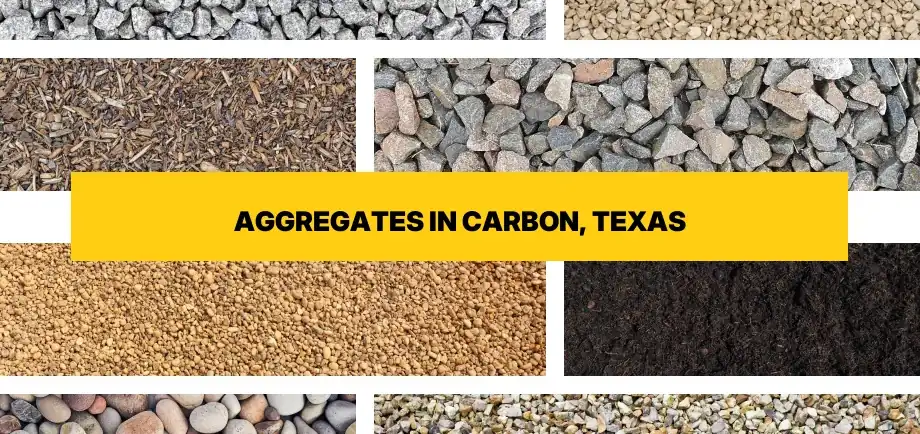
Gravel Monkey offers the most comprehensive selection of construction aggregates, decorative stone, and soil materials available in the Carbon area. Our products are carefully selected to perform exceptionally in Central Texas conditions, where expansive clay soils and temperature extremes demand durable, properly graded materials.
- Driveway Gravel - Proven aggregate blend engineered for long-lasting rural driveways
- 3/4 Inch Crushed Stone - Versatile aggregate for foundations, drainage, and base layers
- #57 Stone - Premium drainage aggregate for French drains and foundation perimeters
- Crusher Run - Superior compactable base material for driveways and roads
- Road Base - Heavy-duty foundation material for roads and large parking areas
- Pea Gravel - Smooth decorative stone perfect for walkways and garden beds
- River Rock - Natural aesthetic stone for water features and landscaping
- Walkway Gravel - Comfortable aggregate blend ideal for footpaths and trails
- Drain Rock - Angular aggregate designed specifically for drainage systems
- Crushed Concrete - Eco-friendly recycled aggregate for base applications
- Topsoil - Nutrient-rich soil for gardens, lawns, and raised beds
- Fill Dirt - Quality grading material for leveling and construction projects
- Mason Sand - Fine-grade sand for masonry and construction work
- Playground Sand - Clean, safe sand for play areas and sandboxes
- Washed Sand - Clean sand suitable for concrete mixing and various applications
- Decomposed Granite - Natural stabilized material for pathways and patios
Understanding Carbon's Unique Soil and Climate Conditions
Carbon, Texas sits in a region characterized by Windthorst-Truce fine sandy loams and Cisco clay soils, presenting specific challenges for construction and landscaping projects. The area's clay content can range from 30 to 50 percent in many locations, creating expansive soils that shift with moisture changes. This geological reality makes proper aggregate selection critical for any ground-level project.
The climate in Carbon features hot summers with temperatures regularly exceeding 95 degrees Fahrenheit and average annual rainfall around 29 inches, often arriving in intense spring and fall storms. These weather patterns, combined with the local soil composition, mean that aggregates must provide excellent drainage while remaining stable during dry periods when clay soils contract.
Aggregate Performance in Central Texas Clay
Properties throughout Carbon, from the older residential areas near Main Street to rural homesteads along County Road 488 and Ranch Road 2526, require aggregates that work with the local soil structure rather than against it. The expansive clay common throughout Eastland County demands materials that allow water movement while providing structural stability. This is why crushed stone and properly graded aggregates outperform smooth materials that can settle unevenly or trap moisture against foundations.
For ranches and farms surrounding Carbon, near communities like Staff and Parks Camp, drainage becomes even more critical. Low-lying areas can collect water during the spring rainy season, and without proper aggregate bases, roads and driveways quickly deteriorate into muddy ruts. The right aggregate selection prevents these issues while minimizing ongoing maintenance costs.
Driveway Aggregates Engineered for Carbon Properties
Rural driveways throughout Carbon face constant challenges from heavy vehicles, livestock trailers, and the punishing Texas sun. A properly constructed driveway requires a stable foundation and surface aggregate that resists rutting, provides traction, and drains efficiently. For properties around Carbon, particularly those on FM 2461 toward Gorman or along the back roads near Desdemona, this means choosing aggregates with the right gradation and angular structure.
Crusher run stands out as the premier choice for Carbon driveways because it combines various particle sizes that interlock when compacted. The mixture includes everything from fine dust to larger stone, creating a matrix that becomes increasingly stable over time. When properly installed over prepared subgrade, crusher run creates a durable surface that handles the weight of equipment and resists washout during heavy rains common to the area.
Base Preparation and Material Selection
The success of any driveway in Carbon starts with understanding your specific soil conditions. Properties with heavier clay content benefit from a thicker aggregate base, typically 4 to 6 inches minimum. This base layer separates the driveway surface from the expansive clay below, preventing the pumping action that occurs when clay becomes saturated and begins shifting under vehicle loads.
Road base material serves as an excellent foundation layer for driveways serving heavier equipment. Many Carbon-area ranches and agricultural operations choose to install road base first, then top with a layer of finer driveway aggregate for a more finished appearance. This two-layer approach provides maximum stability while maintaining good aesthetics for properties closer to town.
| Aggregate Type | Best Applications | Compaction | Drainage Rating | Carbon Climate Suitability |
|---|---|---|---|---|
| Crusher Run | Driveways, Roads, Parking Areas | Excellent | Very Good | Outstanding - handles clay soils |
| 3/4 Inch Crushed Stone | Foundations, Drainage, Base Layer | Very Good | Excellent | Excellent - versatile performer |
| #57 Stone | French Drains, Pipe Bedding | Good | Excellent | Excellent - manages water flow |
| Road Base | Heavy Equipment Areas, Roads | Excellent | Very Good | Outstanding - maximum stability |
| Pea Gravel | Pathways, Decorative Areas | Poor | Very Good | Good - residential use only |
| Decomposed Granite | Natural Pathways, Patios | Good | Good | Very Good - low maintenance |
Managing Water with Proper Drainage Aggregates
Water management stands as one of the most critical concerns for Carbon property owners. The combination of clay soils and sporadic heavy rainfall creates situations where water can accumulate around foundations, in low spots, or along driveways. Proper drainage aggregate installation prevents these problems while protecting your investment in buildings and improvements.
Drain rock specifically addresses water movement issues around foundations and in areas prone to collecting moisture. The angular shape and uniform sizing allow water to flow freely through the aggregate while preventing fine soil particles from migrating into the drainage system. For properties throughout Carbon dealing with foundation drainage concerns, a perimeter system using drain rock connected to a daylight outlet or dry well can eliminate chronic moisture problems.
French Drain Systems for Carbon Properties
Many older homes in Carbon, particularly those built before modern drainage standards, experience water intrusion during the rainy season. A properly constructed French drain using quality aggregate can redirect water away from structures before it becomes a problem. The system requires drain rock or #57 stone, perforated pipe, and proper grading to ensure water flows to a designated discharge point.
For larger properties and ranches near Carbon, managing water across pastures and agricultural areas may require extensive drainage systems. Stock tanks, low-water crossings, and areas around barns all benefit from strategic aggregate placement. The same principles apply whether you're protecting a foundation or creating a stable area around livestock facilities.
Serving All Carbon-Area Locations
Gravel Monkey delivers throughout Carbon proper and extends service to all surrounding rural areas and nearby communities. Our delivery vehicles navigate everything from paved residential streets to remote ranch roads, ensuring every property receives the aggregates needed for successful projects.
Primary Service Areas Around Carbon
Within Carbon itself, we serve properties along Main Street, where older homes and businesses may need foundation work or drainage improvements. The residential areas throughout town, including properties on the side streets and established neighborhoods, regularly order aggregates for driveway maintenance, garden projects, and general property improvements.
Moving outward from central Carbon, we deliver to all properties along Highway 6, which forms a major north-south corridor through the area. Ranches and farms along this route, extending toward Eastland to the south and through to Huckabay to the north, depend on reliable aggregate delivery for road maintenance and construction projects.
East of Carbon, properties along FM 2461 toward Gorman receive regular deliveries. This area features a mix of residential properties and agricultural operations, all requiring quality aggregates for various applications. The rural character of this region means longer driveways and more extensive road maintenance needs, making bulk aggregate delivery essential.
West and southwest of Carbon, the communities of Desdemona and Staff represent important service areas. These smaller communities share Carbon's geology and climate challenges, with property owners facing the same issues with clay soils and seasonal weather extremes. County roads throughout this region, including CR 488 and various ranch roads, lead to properties that regularly order crusher run, road base, and drainage aggregates.
North of Carbon, toward the community of Parks Camp and beyond toward Mineral Wells, we serve rural properties and ranches that form the backbone of Eastland County's agricultural economy. These operations often require substantial aggregate quantities for road building, pen construction, and facility improvements.
Specialized Aggregates for Specific Carbon Applications
Beyond basic driveways and drainage, Carbon property owners undertake diverse projects requiring specialized aggregates. Understanding which material best suits your specific application ensures project success and eliminates the need for costly do-overs.
Decorative Landscaping Aggregates
For residential properties in Carbon looking to enhance curb appeal or create attractive outdoor spaces, decorative aggregates offer both beauty and functionality. River rock provides natural aesthetics around trees, in dry creek beds, or as accents in garden areas. The smooth, water-worn appearance complements Texas native plantings while helping with moisture retention around plant roots during the hot summer months.
Pea gravel serves similar decorative purposes while offering a different aesthetic. The smaller size makes it comfortable for foot traffic, perfect for creating informal pathways through gardens or around properties. Many Carbon homeowners use pea gravel to create defined borders between lawn areas and planting beds, where the aggregate prevents grass encroachment while adding visual interest.
Decomposed granite has gained popularity throughout Central Texas for its natural appearance and low maintenance requirements. This material compacts moderately, creating stable pathways and patio surfaces that look organic and blend seamlessly with the surrounding landscape. For properties pursuing xeriscape designs or water-wise landscaping, decomposed granite offers an attractive option that reduces water usage while providing functional outdoor spaces.
Agricultural and Ranch Applications
Carbon's agricultural heritage means many property owners maintain livestock operations, hay fields, or other farming activities. These operations have specific aggregate needs that differ from residential applications. Cattle pens and holding areas benefit from a layer of road base or crusher run that prevents mud accumulation and provides stable footing for animals during wet periods.
Equipment yards and machinery storage areas require aggregates that support heavy loads without rutting or settling. Road base excels in these applications, providing a firm surface that holds up under the weight of tractors, implements, and loaded trailers. The material's compaction characteristics ensure that even with regular traffic, the surface remains relatively smooth and functional.
Construction and Building Projects
New construction projects throughout the Carbon area require various aggregates from foundation to finish work. Foundation perimeters typically use 3/4 inch crushed stone or drain rock to provide drainage while supporting the weight of the structure. This aggregate layer prevents water from accumulating against the foundation, a critical consideration given Carbon's clay soils and seasonal moisture fluctuations.
Concrete work requires clean, properly graded sand. Mason sand works for mortar in brick or block construction, while washed sand serves for concrete mixing when combined with appropriate aggregate and cement. Many Carbon contractors specify particular sand types based on their intended use, ensuring the finished work meets structural requirements.
Proper Installation Techniques for Carbon Conditions
Having quality aggregates delivered to your Carbon property represents only the first step toward a successful project. Proper installation techniques account for local conditions and ensure materials perform as intended for years to come.
Site Preparation Fundamentals
Every aggregate application begins with proper site preparation. For driveway projects, this means removing existing material if necessary and establishing proper grade for water drainage. Carbon's clay soils require special attention during excavation. Working the soil when it's too wet creates compaction problems, while excessively dry clay becomes hard and difficult to shape. Planning excavation work for moderate moisture conditions yields the best results.
Establishing grade involves more than simply leveling the surface. Water must move away from buildings and toward appropriate discharge points. For rural Carbon properties, this often means grading toward ditches, natural swales, or low areas where water can safely disperse. A two percent grade provides adequate drainage for most applications while remaining imperceptible to the eye and comfortable for vehicle traffic.
Compaction and Stabilization
After placing aggregates, proper compaction ensures maximum performance. Crusher run and road base require mechanical compaction using a plate compactor or roller. This process forces particles together, eliminating air voids and creating the interlocking structure that provides strength. Water aids compaction by lubricating particles and allowing them to settle into position. However, too much water turns the process into a muddy mess, so moisture content requires careful management.
For Carbon's clay soils, many contractors recommend a geotextile fabric between the native soil and aggregate layer. This fabric prevents clay from pumping up into the aggregate during wet periods while still allowing water to drain through. The small additional cost of fabric often pays for itself by extending the life of the aggregate surface and reducing maintenance needs.
Working with Carbon's Seasonal Weather Patterns
Understanding Carbon's weather patterns helps property owners time projects for optimal results. Spring and fall typically bring the highest rainfall, with May and October often seeing significant precipitation events. These months can deliver intense thunderstorms that dump several inches of rain in short periods, testing drainage systems and exposing any weaknesses in driveway construction.
Summer heat in Carbon regularly pushes temperatures into the upper 90s and occasionally above 100 degrees. These conditions affect both workers and materials. Dust control becomes important during dry spells, and many property owners appreciate the natural compaction that occurs as aggregate surfaces are used during hot, dry periods. The clay subsoil contracts during extended dry spells, which is why properly installed aggregate bases that separate surface materials from underlying clay perform so much better than thin applications.
Winter Project Considerations
While Carbon doesn't experience harsh winters compared to northern states, occasional freezes do occur. The clay soils can hold moisture that expands when frozen, potentially heaving improperly installed materials. This represents another reason why adequate base depth and proper drainage matter. Aggregates that drain freely don't hold water that can freeze and cause problems.
Winter months often provide ideal working conditions for aggregate projects. Cooler temperatures make physical work more comfortable, and the ground typically remains firm enough for equipment operation while not being baked rock-hard as it can become in summer. Many experienced Carbon property owners schedule major driveway work for late fall or winter, knowing the mild conditions allow efficient project completion.
Sustainable Aggregate Options for Carbon Projects
Environmental consciousness has increased throughout rural Texas, with property owners seeking materials that minimize environmental impact while still delivering performance. Crushed concrete represents an excellent example of sustainable aggregate use. This recycled material comes from demolished concrete structures and, after processing, serves many of the same applications as virgin crushed stone.
For Carbon-area projects where appearance isn't the primary concern, crushed concrete offers cost-effective performance. Base layers for driveways, roads, and parking areas function well with crushed concrete. The material compacts adequately and provides drainage characteristics similar to natural stone. Some property owners even prefer the slightly softer gray color of crushed concrete over the harsh white or tan of limestone aggregates.
Local Material Sourcing
Gravel Monkey sources aggregates from regional quarries and suppliers, reducing transportation distances and supporting the local economy. This approach ensures fresher materials while minimizing the environmental impact of long-distance hauling. For Carbon customers, this means aggregates arrive in optimal condition, properly sized and graded for their intended use.
Understanding Aggregate Costs and Value
Carbon property owners naturally want to understand costs before committing to aggregate purchases. Several factors influence the total investment required for any project. Material type represents the most obvious variable. Basic crusher run and road base typically cost less per ton than decorative materials like river rock or specialty items like decomposed granite.
Quantity needed affects overall cost significantly. Larger orders benefit from volume pricing, and the free delivery provided by Gravel Monkey eliminates a major expense that other suppliers often charge separately. For Carbon customers, this free delivery represents substantial savings, particularly for rural properties with longer access roads.
Long-Term Value Considerations
While upfront cost matters, savvy property owners consider long-term value when selecting aggregates. Installing adequate depth of quality material initially costs more than skimping on thickness or choosing inferior products, but the properly installed application lasts years longer and requires far less maintenance. For rural Carbon properties where driveway maintenance means hours of work and ongoing expense, doing it right the first time proves economical over time.
The hidden costs of poor aggregate selection include failed drainage, rutted driveways requiring constant adding of material, and erosion problems that worsen over time. These issues consume both money and frustration, whereas properly specified and installed aggregates provide decades of trouble-free service. Many older Carbon properties feature gravel driveways installed 20 or 30 years ago that still function well because someone made smart choices about materials and installation depth.
Frequently Asked Questions About Aggregates in Carbon, Texas
We deliver a complete range including driveway gravel, crushed stone in various sizes, number 57 stone, pea gravel, river rock, recycled concrete, crusher run, road base, drain rock, topsoil, fill dirt, and multiple sand varieties throughout Carbon and surrounding Eastland County areas.
Yes, Gravel Monkey provides FREE delivery to Carbon and the surrounding Texas area for all gravel and aggregate orders. We serve properties throughout Eastland County with no delivery charges.
For Carbon driveways, we recommend crusher run or 3/4 inch crushed stone. These aggregates compact well in the local clay-based soil, handle the Texas heat, and provide excellent drainage during heavy rainstorms common to the region.
For driveways, calculate length times width times depth in feet, then divide by 27 for cubic yards. Standard depth is 3 to 4 inches for residential driveways. Our team can help you calculate the exact amount needed for your specific Carbon project.
Absolutely. We deliver to all areas around Carbon including rural properties, ranches, and farms throughout Eastland County. Whether you are near Gorman, Desdemona, or on a county road, we provide the same free delivery service.
We offer mason sand for mortar work, washed sand for concrete mixing, and playground sand for safe recreational areas. Each type is selected for quality and delivered fresh to your Carbon location.
Yes, we deliver decomposed granite to Carbon properties. This material is excellent for natural-looking pathways, patios, and xeriscape projects that handle the Central Texas climate while requiring minimal maintenance.
Most Carbon deliveries are scheduled within 1 to 3 business days depending on material availability and order size. We coordinate closely with you to ensure delivery timing meets your project schedule.
Get Started with Your Carbon Aggregate Project
Whether you're maintaining a rural driveway, constructing a new building, or enhancing your property's appearance with decorative stone, Gravel Monkey provides the aggregates and expertise to ensure success. Our understanding of Carbon's unique soil conditions and climate challenges means you receive not just materials, but guidance tailored to local requirements.
Every Carbon property presents unique characteristics and challenges. The clay content in your soil, the grade of your land, and your specific project goals all influence the best aggregate choices. Our team helps Carbon property owners navigate these decisions, recommending materials and installation approaches proven to work in Central Texas conditions.
Free delivery throughout Carbon and surrounding Eastland County eliminates a major expense and logistical challenge. We coordinate delivery times that work with your schedule, and our drivers have experience navigating rural properties and tight access situations. From Main Street addresses to remote ranch roads, we ensure your aggregates arrive where and when you need them.

Need help? Reach out for a quote: