Buy Bulk Aggregates & Gravel in Denver City, Texas
Local Topsoil, Dirt, Sand, Rocks and Gravel near me in Denver City, Texas
Shop Aggregates for Delivery in Denver City
Order online for free delivery to any Denver City address.


Denver City, TX is a small but busy hub in the heart of West Texas, and residents and businesses here rely on durable aggregates for roads, ranch access lanes, yards, and commercial sites. Whether you are working inside the city limits near Main Street or out on a ranch off FM 179 or U.S. Highway 285, reliable gravel delivery and the right choice of aggregates can determine how long your driveway, pad, or landscape detail lasts under the intense summer sun and variable winters. Many locals call it "D.C." in casual conversation, and D.C.'s mix of ranchland, oilfield access roads, and small-town neighborhoods means aggregate selection must balance drainage, compaction, and aesthetics.
As a dedicated supplier for Denver City and surrounding communities, we focus on making aggregate delivery simple and predictable for homeowners, contractors, and municipal crews. This page explains the most common products we deliver, how Denver City geology and climate affect aggregate choices, and practical guidance for projects ranging from small walkway repairs to multi-ton road base installations across Yoakum County. If you're searching for "gravel delivery Denver City" or need an "aggregate delivery Denver City" partner, this resource explains options and real-world performance across neighborhood streets, ranch roads, and commercial sites like the Denver City Industrial Park.
Premium Aggregates Available for Denver City Delivery
Gravel and Crushed Stone Products
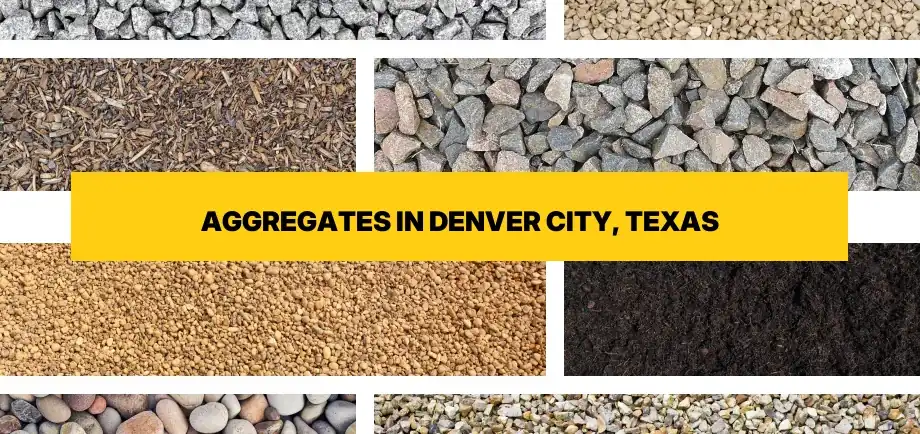
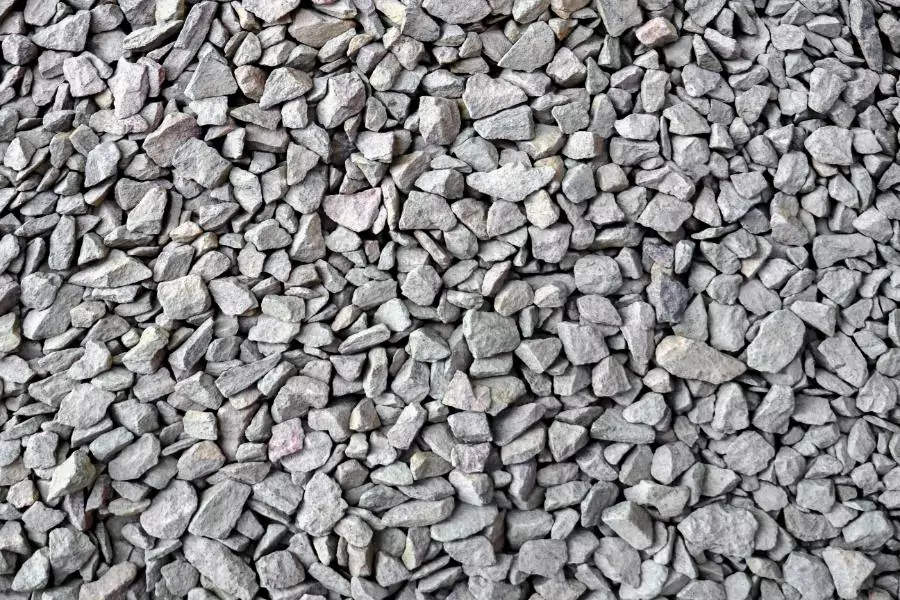
Our Denver City inventory emphasizes materials that perform well in semi-arid West Texas conditions. For structural base and compaction needs, 3/4 inch Crushed Stone provides excellent interlock and load distribution, making it a top pick for foundations and compacted bases under concrete. Similarly, #57 Stone offers reliable drainage and is a common choice for backfill and French drains where water needs to channel away from structures while preventing clogging. When recycled materials are preferred, Crushed Concrete is an eco-friendly base option that reduces landfill use and provides a stable layer for roads and parking pads.
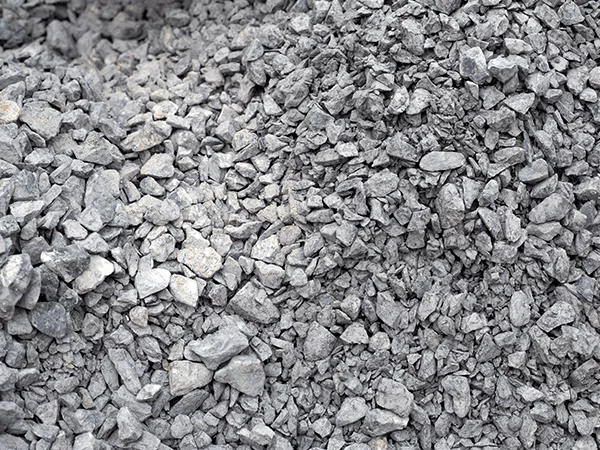
For heavy-duty base layers where compaction is essential, our Crusher Run and Road Base combine fines and larger particles so crews can achieve high compaction quickly. These products are commonly used on ranch roads outside downtown Denver City and in subdivisions around neighborhoods such as Cottonwood Estates and Lincoln Heights. Driveway projects in the older parts of town and around the Main Street corridor frequently require crusher run topped with a wearing layer of Driveway Gravel to resist rutting and smooth traffic flow.
Driveway and Pathway Materials
Choosing the right driveway aggregate in Denver City depends on soil, traffic, and aesthetic goals. For primary access drives on caliche and sandy loam soils, a compacted base of crusher run or road base with a wearing course of Driveway Gravel creates durable surfaces that stand up to summer heat spikes near 95 to 100°F and occasional winter freezes near 25°F. For garden paths and low-traffic walkways, a fine, stabilized surface like Decomposed Granite or our Walkway Gravel gives a natural look while minimizing dust and migration.
Walkway installations in Denver City's historic district near Main Street or in newer subdivisions require both form and function. We recommend using a geotextile underlayment and selecting material appropriate for foot traffic; decomposed granite compacts well for ADA-compliant paths, whereas walkway gravel is often kept loose for rustic garden walks and xeriscape projects.
Decorative Stone and River Rock
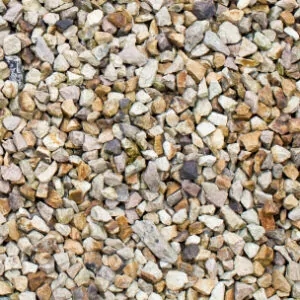
For decorative uses around homes in neighborhoods such as the West End, East Side, and near the school district, Pea Gravel and River Rock are popular choices. Pea gravel is smooth, comfortable underfoot, and ideal for play areas or accent beds, while river rock creates classic drainage swales and dry creek designs that complement native grasses and drought-tolerant plantings suitable for West Texas climates.
Landscape designers in Denver City often specify river rock around irrigation features and in buffer strips because the rounded form reduces erosion in seasonal runoff and blends with the Permian Basin landscape. Both stones are delivered in bulk and can be placed around patios, planters, and mailbox islands to reduce maintenance and improve curb appeal.
Drainage Solutions for Denver City's caliche and sandy loam soil
Drainage is a critical concern across Denver City and surrounding rural properties. The area sits near the southwestern edge of the Llano Estacado/Permian Basin transition, where soils commonly include caliche layers and sandy loam topsoils that affect water infiltration. Average annual rainfall in Denver City is approximately 16.2 inches, with concentrated spring storms and occasional summer downpours. These precipitation patterns, combined with soils that can shed water quickly or form a hardpan layer, make selecting the right drainage aggregates essential to prevent water pooling around foundations and access roads.
Properly specified drainage aggregates protect both residential yards and agricultural access lanes. Use materials that maintain void space and resist fines migration so water can flow without carrying sediment into pipes or retention basins. For French drains, retaining walls, and perimeter footing drains, coarse, angular rock that does not pack tightly is preferred. In Denver City’s climate—summer highs typically 92 to 100°F and winter lows periodically dipping to the mid-20s—durable aggregates also resist weathering and freeze-thaw cycles in exposed applications.
Benefits of Proper Drainage Aggregates
- Prevents water from pooling around foundations and reduces hydrostatic pressure against basements and slabs.
- Maintains structural integrity of driveways and ranch roads by allowing water to pass through base layers rather than eroding surfaces.
- Reduces long-term maintenance costs by minimizing erosion and the need for frequent regrading.
- Improves stormwater management for yards and small developments, supporting native plantings and xeriscape features.
For these reasons, many Denver City projects incorporate Drain Rock or #57 Stone around foundation drainage systems and culverts. Drain rock's angular particle shape and larger size create voids that handle concentrated runoff much better than fine sand alone.
Soil Products and Fill Materials
When grading lots or restoring disturbed ground after construction in Denver City, selecting the right soil products is as important as choosing aggregates. We stock screened Topsoil suitable for establishing turf and native plantings across home lots and community parks. Our topsoil is blended to perform well with the area’s sandy loam texture and to support drought-tolerant seed mixes common in West Texas landscapes.
For structural fills, driveway approach grading, and site leveling across parcels in the Industrial Park, Cottonwood Estates, and ranch properties off FM 1110, we provide clean Fill Dirt that compacts predictably and can be used under slabs, behind retaining walls, or to correct low spots. For eco-focused projects that reduce waste and conserve resources, we offer Crushed Concrete as a recycled alternative for base layers, a choice that both lowers project costs and supports sustainable construction practices in Denver City and nearby towns.
Sand Products for Every Denver City Application
Sand is a versatile building material across the city—from masonry in the downtown commercial district to safe surfaces for school playgrounds and bedding for pavers in residential patios. We carry several sand types to meet local codes and performance needs.
Masonry and hardscape contractors in Denver City prefer Mason Sand for mortar mixes and clean joints because of its fine, consistent texture. Mason sand mixes well with cement and lime to produce a durable bond for brick and block work commonly used on Main Street renovation projects and commercial storefront repairs.
For schools, parks, and daycare facilities, safety is paramount; Playground Sand offers rounded grains and careful screening to reduce sharp particles and create safer play surfaces that comply with local safety recommendations. This product is often specified for neighborhood parks in areas like the East Side and near the high school athletic fields.
When drainage and clean bedding are required, contractors use Washed Sand. Washed sand has minimal fines and is ideal under pavers, for filter layers in storm systems, and for playground drainage designs that need consistent performance in the year's seasonal rains. Each sand is bulk-delivered and can be placed directly in trenches, beds, or spread with skid-steer assistance.
| Sand Type | Best Applications | Texture | Common Uses in Denver City |
|---|---|---|---|
| Mason Sand | Mortar mixes, brick and block jointing | Fine, consistent | Commercial storefront repairs, Main Street masonry |
| Playground Sand | Play areas, safety surfacing | Rounded, screened | School playgrounds, park play zones |
| Washed Sand | Paver bedding, drainage filters | Clean, minimal fines | Patio bedding, French drain filters, irrigation |
Choosing the Right Aggregates for Your Denver City Project
Selecting the correct aggregate in Denver City begins with understanding the project’s load, expected traffic, and the local soils. Because many properties sit on caliche layers or sandy loam with a shallow depth to caliche, it is common practice to excavate deeper than in more humid regions, then install properly compacted road base and crusher run to provide a long-lasting foundation. The region's exposure to wind and seasonal heavy storms also favors angular materials that lock together rather than rounded gravels that may migrate.
For municipal and private projects requiring long-term performance, matching aggregates to subgrade conditions reduces ongoing maintenance. For example, driveways near the agricultural areas north of town and around Wranglers Ranch subdivisions benefit from a thicker road base and well-graded materials like Road Base, while decorative applications in residential front yards near the downtown and historic neighborhoods use pea gravel or river rock to complement xeriscape plantings.
| Aggregate Type | Best Applications | Size Range | Drainage Rating | Compaction |
|---|---|---|---|---|
| 3/4 Crushed Stone | Base layers, driveways, concrete subbase | 3/4 inch | Medium | Good |
| #57 Stone | Drainage, backfill, walkways | 3/4 to 1 inch | High | Poor |
| Crusher Run | Driveway bases, parking pads | Fines to 1 inch | Low | Excellent |
| Pea Gravel | Play areas, decorative beds | 1/8 to 3/8 inch | Low | Poor |
| River Rock | Dry creek beds, accents | 1/2 inch to 3 inch | High | Poor |
| Decomposed Granite | Paths, compacted patios | Fine to 3/8 inch | Medium | Good |
| Road Base | Public roads, heavy traffic lanes | Fines to 3/4 inch | Low | Excellent |
| Drain Rock | French drains, culvert inlets | 1/2 to 2 inch | Very High | Poor |
Climate Considerations for Denver City Aggregates
Denver City sits in a semi-arid climate with average annual precipitation near 16.2 inches, hot summers with daytime highs commonly in the low to mid-90s and sometimes touching 100°F, and winters that average lows in the mid-20s at the coldest. These conditions influence aggregate selection in several ways: materials must resist thermal break-down from sun exposure, maintain drainage during intense rain events, and compact reliably to resist windblown movement across exposed slopes. For paved transitions and heavily used access lanes, compactive products that reduce dust and distribute loads are favored.
Because freeze-thaw cycles are less severe than in northern climates, seasonal heave is typically a lesser risk, yet variations in moisture after summer storms can still impact unbound surfaces. Choosing a layered approach—compact subgrade, road base, and a wearing course—extends service life and reduces long-term maintenance in Denver City’s climate.
Popular Denver City Project Applications
- Ranch and farm access roads requiring durable road base that handles heavy equipment.
- Residential driveways with a compacted crusher run base and decorative topcoat.
- French drains and foundation backfill using #57 stone and drain rock to manage runoff.
- Low-maintenance xeriscape beds using river rock and pea gravel to reduce irrigation needs.
Aggregate Delivery Throughout Denver City Metro
We provide scheduled and same-day deliveries for many materials within Denver City limits and neighboring areas. Our fleet includes end-dump and belly-dump trucks suitable for most driveway accesses and property sites. Whether you are located on the east side near the high school, north near FM 179, or out on County Road 1100, we coordinate delivery windows to avoid conflicts with school traffic and local events.
Areas We Serve
Within Denver City, we commonly deliver aggregates to addresses in the downtown Main Street corridor, Cottonwood Estates, Lincoln Heights, the West End, East Side residential areas, the Industrial Park, and agricultural properties along FM 1110 and FM 179. Our crews are familiar with loading zones near municipal landmarks and can advise on safe offload locations for big deliveries.
Nearby Cities Served
In addition to Denver City, our delivery network covers Seagraves, Plains, Lamesa, Littlefield, Lubbock, Midland, Odessa, and Big Spring, ensuring bulk aggregates can reach contractors and homeowners across a broad portion of West Texas. This regional coverage helps contractors staging larger projects to source materials from a single supplier and maintain consistent aggregate specifications across job phases.
Frequently Asked Questions About Gravel in Denver City
We deliver a full spectrum of aggregates to Denver City: decorative stones like pea gravel and river rock, structural products like crusher run and road base, drainage-specific materials such as drain rock and #57 stone, paver and path products like decomposed granite and walkway gravel, and a range of sands and soils including mason sand, washed sand, playground sand, topsoil, and fill dirt.
Delivery rates vary with distance, order size, and site access. Occasionally we run localized promotions that reduce delivery cost for certain neighborhoods; contact our Denver City team with project details to confirm current delivery terms.
To estimate volume, measure the length and width of the area in feet and decide on an ideal compacted depth in inches. Multiply area by depth and divide by 324 to get cubic yards. Our team can convert cubic yards to tons for specific products like 3/4 inch crushed stone and crusher run and advise for Denver City soil conditions.
For load-bearing applications on caliche and sandy loam soils, compactive mixes such as crusher run and road base are preferred. For drainage, #57 stone and drain rock are recommended. Decorative projects near the downtown and residential areas often use pea gravel, river rock, or decomposed granite for aesthetic and practical reasons.
Yes. We regularly deliver to Seagraves, Plains, Lamesa, and other nearby towns, and our drivers are experienced with ranch access logistics and off-road drop-offs when needed.
Spring and early fall are ideal for landscape projects due to moderate temperatures and reduced dust, while road and driveway work can be scheduled year-round. Summer installations should account for heat and occasional storms, and winter projects should consider temporary freezing conditions.
Yes. We supply crushed concrete as a recycled, sustainable option for base layers and road construction, which is a common choice for contractors seeking to lower embodied carbon and reduce demolition waste in Denver City projects.
Get Quality Aggregates Delivered to Your Denver City Property
Whether you are a homeowner renovating a front yard in the historic zone, a contractor building a new subdivision off U.S. Highway 385, or a rancher maintaining miles of access road, Denver City aggregate selection affects durability, drainage, and long-term costs. We deliver bulk materials across town and to neighboring communities, and our staff will help you choose the appropriate product for soil conditions, expected traffic, and aesthetic goals. For play areas, we stock Playground Sand that meets safety standards; for masonry we carry Mason Sand; and for paver projects we offer Washed Sand and Decomposed Granite to create stable, attractive surfaces. For driveway work, our selection includes Crusher Run, Road Base, 3/4 inch Crushed Stone, and a range of decorative gravels delivered to your site in Denver City and the surrounding area.
If you need drainage stone, consider incorporating Drain Rock or #57 Stone into your plan to ensure long-term performance. For decorative beds and erosion control, River Rock and Pea Gravel are attractive, low-maintenance choices. Our team also stocks specialty products such as Walkway Gravel for pedestrian areas and Topsoil and Fill Dirt for site restoration and landscaping projects.
We serve Denver City neighborhoods, farms, and commercial sites throughout the year, adapting to seasonal constraints and local regulations. Our experience in these local communities ensures efficient delivery scheduling and the right recommendation for aggregates whether you are reinforcing an oilfield access road, surfacing a drive in Cottonwood Estates, or installing a dry creek bed through downtown landscaping.

Need help? Reach out for a quote: