Order Topsoil, Stone & Gravel in Avoca, Texas
Local Topsoil, Dirt, Sand, Rocks and Gravel near me in Avoca, Texas
Shop Aggregates for Delivery in Avoca
Order online for free delivery to any Avoca address.


Gravel Monkey delivers premium aggregates and bulk materials directly to properties throughout Avoca, Texas and Jones County. Whether you're maintaining a ranch road, upgrading a residential driveway, or tackling drainage projects on your rural property, we provide the quality materials you need with free delivery to your location. From the rolling terrain near downtown Avoca to properties along the Clear Fork of the Brazos River, our comprehensive selection of gravel, crushed stone, and specialty aggregates serves homeowners, ranchers, and contractors across West Central Texas.
Complete Selection of Aggregates Available in Avoca, TX
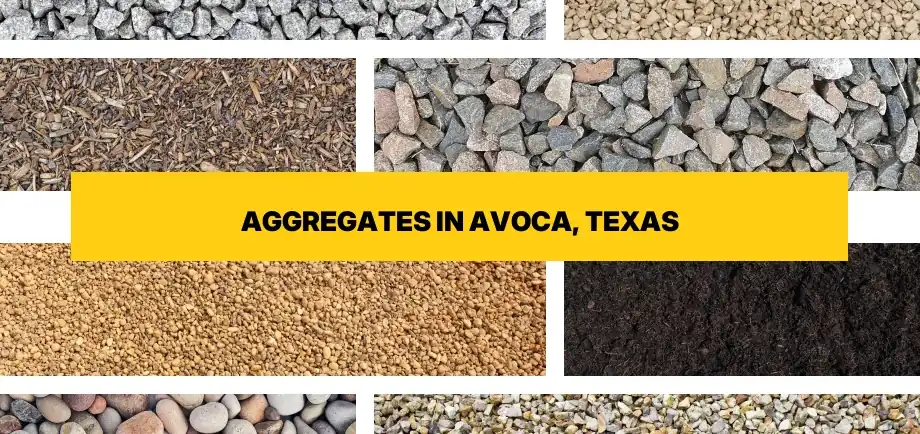
Our diverse inventory of bulk materials meets the unique needs of Avoca's agricultural and residential communities. Each product is selected for performance in Jones County's clay soils and variable weather conditions:
- Driveway Gravel - Durable limestone base perfect for rural and residential driveways
- 3/4 inch Crushed Stone - Versatile aggregate for foundations, drainage, and driveway bases
- #57 Stone - Standard drainage stone ideal for French drains and septic systems
- Road Base - Compactable material engineered for ranch roads and private drives
- Crusher Run - Limestone blend that compacts into solid, stable surfaces
- Pea Gravel - Smooth decorative stone for landscaping and walkways
- River Rock - Natural rounded stone for garden beds and water features
- Decomposed Granite - Natural pathway material that compacts firmly
- Crushed Concrete - Eco-friendly recycled aggregate for farm roads and bases
- Drain Rock - Large stone specifically sized for drainage applications
- Topsoil - Screened soil for gardens, landscaping, and lawn establishment
- Fill Dirt - Clean fill for grading, leveling, and property development
- Mason Sand - Fine sand for construction, mortar mixing, and paver bases
- Playground Sand - Clean, safe sand for play areas and sandboxes
- Washed Sand - Cleaned sand for concrete mixing and construction projects
- Walkway Gravel - Comfortable decorative aggregate for paths and garden trails
Aggregate Solutions for Avoca's Unique Geography
Avoca sits in the Rolling Plains region of West Central Texas, where the terrain transitions from flat agricultural land to gently rolling hills. Located in southern Jones County approximately 15 miles southwest of Stamford and 20 miles northeast of Abilene, this small community serves as a hub for surrounding ranches and farms. The local geology features limestone bedrock beneath expansive clay soils, creating specific challenges for construction and landscaping projects.
The area's elevation at approximately 1,800 feet above sea level experiences temperature extremes ranging from summer highs exceeding 100 degrees Fahrenheit to occasional winter freezes. Annual rainfall averages around 24 inches, with moisture concentrated in late spring and early fall. These precipitation patterns, combined with the region's heavy clay soils, make proper drainage and stable aggregate bases essential for any ground-level project.
Understanding Avoca's Soil Conditions
Jones County soils consist primarily of expansive clays that undergo significant volume changes with moisture fluctuations. During dry periods, these soils shrink and crack, while heavy rains cause them to swell and become unstable. This expansion and contraction cycle poses challenges for driveways, foundations, and any structure in direct contact with the ground. Properties throughout Avoca, from residential areas near the school to ranch headquarters along County Road 233, require proper aggregate bases to mitigate soil movement.
The underlying limestone geology provides both challenges and opportunities. While bedrock near the surface complicates excavation, it also means locally-sourced crushed limestone aggregates perform exceptionally well in the native soil environment. Materials like road base and crusher run integrate naturally with the existing substrate, creating stable, long-lasting surfaces.
Choosing the Right Aggregate for Your Avoca Project
Different projects require specific aggregate types. This comparison helps Avoca property owners select the optimal material for common applications:
| Aggregate Type | Best Applications | Compaction | Drainage Properties | Local Advantages |
|---|---|---|---|---|
| Road Base | Ranch roads, driveways, parking areas | Excellent | Moderate | Bonds well with clay soils |
| Crusher Run | Driveway bases, stable foundations | Excellent | Good | Creates solid compacted surface |
| 3/4 inch Crushed Stone | Drainage layers, concrete bases | Good | Excellent | Prevents water accumulation |
| #57 Stone | French drains, septic fields | Minimal | Excellent | Ideal for clay soil drainage |
| Crushed Concrete | Farm roads, equipment pads | Very Good | Good | Cost-effective for large areas |
| Decomposed Granite | Pathways, xeriscaping | Good | Moderate | Natural aesthetic, heat tolerant |
| Pea Gravel | Landscaping, walkways | Minimal | Excellent | Comfortable underfoot |
Common Aggregate Applications Throughout Jones County
Ranch and Farm Road Maintenance
Rural properties surrounding Avoca depend on well-maintained private roads for accessing pastures, equipment sheds, and remote sections of their land. Ranch roads face continuous stress from heavy equipment, livestock trailers, and weather exposure. The combination of summer heat baking surfaces hard and spring rains creating wash-out conditions demands durable aggregate solutions.
Road base remains the preferred material for ranch road construction and maintenance throughout Jones County. This material compacts into a solid surface while allowing enough flexibility to accommodate the slight soil movements characteristic of expansive clays. Properties along Farm Road 1086 toward Lueders and throughout the rural sections northeast toward Lake Stamford benefit from road base applications that create all-weather access to remote property areas.
Residential Driveway Projects
Avoca's residential properties, whether in town near the post office or on larger lots along the community's edges, require driveways that withstand the local climate extremes. A proper driveway installation begins with adequate depth—at least four to six inches of aggregate—to distribute weight and resist the upward pressure from expanding clay soils during wet periods.
Many homeowners choose a two-layer approach: a base layer of crusher run for stability and compaction, topped with driveway gravel for a finished appearance. This combination provides excellent performance in Avoca's soil conditions while maintaining an attractive appearance. Properties closer to the school and residential areas favor this approach for its durability and visual appeal.
Drainage Solutions for Expansive Soils
Managing water runoff presents ongoing challenges for Avoca property owners. The area's clay soils shed water rather than absorbing it, leading to pooling, erosion, and foundation concerns. Proper drainage systems using appropriate aggregates protect structures and prevent soil saturation that accelerates expansion issues.
French drain installations using drain rock or #57 stone provide effective solutions for directing water away from buildings and low-lying areas. These larger aggregates create void spaces that allow water to flow freely while preventing soil particles from clogging the system. Properties throughout Jones County, particularly those in lower elevations near seasonal creek beds, benefit from strategic drainage aggregate placement.
Livestock and Equine Facilities
Ranch properties around Avoca commonly maintain livestock handling facilities, horse arenas, and feeding areas that require surfaces resistant to heavy use and mud formation. These high-traffic zones benefit from specialized aggregate applications that provide stable footing while managing manure and moisture.
Crushed concrete offers an economical solution for large livestock areas, creating firm surfaces that drain well and stand up to hoof traffic. For horse arenas and working pens, decomposed granite provides comfortable footing with good drainage characteristics. The material's natural compaction prevents dust while maintaining adequate cushioning for animal welfare.
Serving Avoca and Surrounding Jones County Communities
Gravel Monkey delivers throughout the greater Avoca area, including these nearby communities and regions:
Stamford: The Jones County seat, located about 15 miles northeast of Avoca, serves as the region's commercial hub. Properties in Stamford and between Stamford and Avoca along Highway 6 receive regular aggregate deliveries for residential, commercial, and agricultural projects.
Lueders: This small community southwest of Avoca along FM 1086 maintains strong agricultural roots. Ranches and farms in the Lueders area frequently order road base and crushed aggregates for maintaining private roads and working facilities.
Lake Stamford Area: Properties near this 5,700-acre reservoir benefit from decorative aggregates for landscaping waterfront homes and functional materials for boat ramp areas and access roads. The lake area, popular for recreation, sees increased demand for river rock and pea gravel for residential beautification projects.
Clear Fork Brazos River Corridor: Rural properties along the Clear Fork of the Brazos River, which flows through southern Jones County, often require drainage solutions and erosion control aggregates. The river bottom's sandy soils contrast with upland clays, creating unique material needs.
Highway 6 Corridor: Properties along this major north-south route connecting Avoca to Stamford and beyond require durable driveway solutions that withstand proximity to traffic and road salt application during occasional winter weather events.
County Road 233 Area: This east-west route through rural Jones County serves numerous ranch properties requiring aggregate materials for road maintenance, cattle guards, and equipment storage areas.
Rural South Jones County: The agricultural areas south of Avoca toward Taylor County line see extensive use of bulk aggregates for farm roads, equipment pads, and drainage projects on larger acreage properties.
Northeastern Ranch Lands: The vast ranch properties extending northeast from Avoca toward the Haskell County line depend on quality aggregates for maintaining miles of private roads and creating functional working spaces for livestock operations.
Material Selection for West Texas Climate
Avoca's location in the Rolling Plains of West Texas presents distinct climate challenges that influence aggregate performance and selection. Understanding these environmental factors helps property owners choose materials that will perform reliably for years.
Temperature Extremes and Material Durability
Summer temperatures regularly exceed 95 degrees Fahrenheit from June through September, with occasional peaks above 105 degrees. This intense heat affects aggregate performance in several ways. Asphalt surfaces soften and deform, making gravel and stone alternatives more practical for many applications. Darker aggregates absorb heat, while lighter-colored limestone materials reflect solar radiation and remain cooler underfoot.
Winter temperatures occasionally drop below freezing, though sustained cold periods remain uncommon. The primary concern involves the freeze-thaw cycles that occur during transitional seasons. Water trapped in aggregate voids or between aggregate and soil can expand when frozen, causing heaving and displacement. Materials with good drainage characteristics, like crushed stone and drain rock, minimize this risk by allowing water to escape before freezing occurs.
Rainfall Patterns and Drainage Needs
The Avoca area receives approximately 24 inches of annual precipitation, with significant variability between years. Drought periods can extend for months, while intense thunderstorms may deliver several inches in a matter of hours. This precipitation volatility, combined with clay soils that shed rather than absorb water, creates challenging drainage conditions.
Spring typically brings the heaviest rainfall, with April and May averaging 3-4 inches each month. Secondary moisture peaks occur in September and October as tropical systems occasionally reach this far inland. These concentrated rainfall events test drainage systems and reveal inadequate aggregate bases through erosion, ponding, and wash-out.
Wind and Dust Management
West Texas wind remains a constant environmental factor, with sustained breezes common and occasional strong weather systems bringing gusts exceeding 40 mph. Fine, loose materials become airborne in these conditions, creating dust problems for properties and visibility hazards along roads.
Aggregate materials that compact firmly minimize wind-related dust generation. Crusher run and road base, when properly installed and compacted, lock together to resist wind erosion. For decorative applications where loose stone is desired, larger aggregates like river rock and pea gravel prove less prone to wind displacement than fine materials like decomposed granite or sand.
Professional Installation Guidelines for Avoca Properties
Proper aggregate installation maximizes material performance and longevity in Jones County's challenging soil and climate conditions. Whether tackling a driveway project, ranch road maintenance, or drainage improvement, following established best practices ensures successful outcomes.
Site Preparation Essentials
Adequate site preparation determines project success more than any other factor. Begin by removing all vegetation, organic matter, and loose topsoil from the project area. These materials decompose over time, creating voids beneath aggregate surfaces that lead to settling and failure. In Avoca's clay soils, excavation should reach stable subgrade, typically 8-12 inches deep for driveways and parking areas.
Establishing proper grades before aggregate placement prevents future drainage problems. Surfaces should slope away from buildings at a minimum rate of 2% (one-quarter inch per foot). Longer driveways and roads require crowned surfaces that shed water to both sides, preventing channeling and erosion. Take time during site preparation to compact the exposed subgrade, especially in areas where native soil has been disturbed.
Aggregate Depth and Layering
Aggregate depth requirements vary based on soil conditions, expected loads, and material type. For typical residential driveways on Avoca's clay soils, 4-6 inches of aggregate provides adequate stability. Ranch roads supporting heavy equipment may require 8-10 inches or more, while decorative walkways function well with 2-3 inches.
Many successful installations use multiple aggregate layers serving different functions. A base layer of road base or crusher run, installed at 3-4 inches and thoroughly compacted, creates the structural foundation. A top layer of driveway gravel or decorative stone, 1-2 inches thick, provides the finished surface. This layered approach combines the compaction strength of finer materials with the visual appeal and drainage of coarser aggregates.
Compaction Techniques
Proper compaction transforms loose aggregate into stable, durable surfaces. Mechanical compaction using a plate compactor or roller proves essential for materials like crusher run and road base. Work in layers no more than 3-4 inches thick, compacting each layer before adding the next. Spraying light moisture during compaction helps materials bind together, though avoid saturating the aggregate.
Materials intended for drainage applications, like drain rock and #57 stone, should not be compacted as their function depends on maintaining void spaces for water flow. Similarly, decorative materials like pea gravel and river rock typically remain loose to facilitate drainage and allow movement that prevents cracking from soil expansion.
Seasonal Timing Considerations
Project timing affects installation success in Avoca's climate. Late spring and early fall offer ideal conditions with moderate temperatures and lower precipitation probability. Avoid installation during or immediately after heavy rainfall when soil moisture content is high and compaction becomes difficult or impossible.
Summer installations require extra attention to material moisture, as extreme heat can dry aggregates too quickly for optimal compaction. Conversely, winter projects may face challenges if ground freezing occurs, though this remains relatively rare in the Avoca area. Plan larger projects during favorable weather periods, but maintain flexibility to adapt to the region's weather variability.
Specialty Aggregate Uses in Rural Jones County
Erosion Control on Ranch Properties
Erosion presents ongoing challenges on properties throughout Jones County, particularly where natural drainages concentrate water flow during heavy rains. Strategic aggregate placement stabilizes vulnerable areas while managing runoff effectively. River rock placed in drainage swales creates attractive, functional water management features that prevent soil loss. Larger drain rock stabilizes steeper slopes and creek banks where water velocity increases erosion potential.
Equipment Pads and Working Surfaces
Agricultural operations require stable surfaces for storing equipment, mixing feed, and loading livestock. These heavy-use areas quickly deteriorate without proper aggregate bases, especially during wet periods when clay soils become impassable. Crushed concrete provides an economical solution for large equipment pads, offering excellent load-bearing capacity and drainage. The material's angular particles interlock when compacted, creating surfaces that resist rutting from tractor traffic and withstand the weight of loaded trailers.
Septic System Construction
Rural properties throughout the Avoca area depend on septic systems for wastewater management. Proper aggregate selection and placement proves critical for septic field function and longevity. Septic drain fields require aggregates with specific size characteristics to allow effluent distribution while preventing soil infiltration. Washed stone sized between 3/4 inch and 1.5 inches creates the necessary void spaces for effective wastewater treatment in the subsurface environment.
Landscaping and Aesthetic Enhancement
While practical aggregate applications dominate rural Jones County, decorative materials also play important roles in residential beautification and commercial property enhancement. Pea gravel creates comfortable walking surfaces around homes and along garden paths, while its neutral color complements the region's natural landscape. River rock provides textural contrast in flower beds and around trees, suppressing weeds while conserving soil moisture during Avoca's hot, dry summers.
Decomposed granite has gained popularity for pathways and xeriscaping applications. This material compacts into firm walking surfaces while maintaining a natural, informal appearance appropriate to West Texas aesthetics. Its earth tones blend seamlessly with native landscapes, and its superior drainage characteristics make it well-suited to the region's heavy clay soils.
Estimating Aggregate Quantities for Your Project
Accurate material estimates prevent costly shortages or excess waste. Aggregate quantities are calculated by volume, measured in cubic yards, then converted to tons based on material density. Understanding this calculation process helps Avoca property owners order appropriate amounts for their projects.
Basic Calculation Formula
Calculate the area to be covered by multiplying length times width in feet. Multiply this area by the desired depth in inches, then divide by 324 to convert to cubic yards. For example, a 12-foot by 50-foot driveway with 4 inches of aggregate requires 7.4 cubic yards (12 x 50 x 4 ÷ 324 = 7.4).
Most aggregates are sold by the ton rather than cubic yard. Crushed limestone materials typically weigh 1.35-1.45 tons per cubic yard, while lighter river rock averages 1.2-1.3 tons per cubic yard. Converting the 7.4 cubic yards from the example above at 1.4 tons per yard yields approximately 10.4 tons of material needed.
Adding for Compaction and Waste
Materials that undergo compaction during installation require additional quantity. Road base and crusher run typically compact 20-30%, meaning you should order 25-30% more than the base calculation indicates. Materials that remain loose, like pea gravel and river rock, need only a small overorder—typically 5-10%—to account for material variations and minor calculation differences.
Irregular areas, curved driveways, and projects with varying depths complicate calculations. For complex projects, divide the area into regular shapes, calculate each section separately, then sum the totals. When in doubt, slight overestimation proves preferable to running short, especially for remote Jones County properties where material delivery coordination requires planning.
Frequently Asked Questions About Aggregates in Avoca, Texas
We deliver a comprehensive range of aggregates including driveway gravel, crushed stone, road base, crusher run, pea gravel, river rock, decomposed granite, crushed concrete, drain rock, topsoil, fill dirt, and various sand types throughout Avoca and Jones County.
Yes! Gravel Monkey provides FREE delivery to Avoca, Stamford, Lueders, and the surrounding Jones County region for all bulk aggregate and material orders.
For ranch roads in the Avoca area, we recommend road base or crusher run as they compact well in the local clay soils. These materials create stable surfaces that hold up to ranch equipment and livestock traffic while managing the occasional heavy rainfall.
For a standard driveway in Avoca, calculate length times width times depth in feet. Most driveways need 4 to 6 inches of gravel. A typical 12 foot by 50 foot driveway at 4 inches deep requires approximately 7.5 tons of material. Our team can help calculate exact amounts for your property.
Avoca sits on expansive clay soils that shift with moisture changes. Proper gravel base layers help stabilize surfaces and improve drainage. The local geology includes limestone bedrock, making crushed stone and limestone aggregates naturally compatible with native soils.
Absolutely! We deliver aggregates, gravel, and landscaping materials to properties throughout Jones County including areas near Lake Stamford, along the Clear Fork of the Brazos River, and rural properties between Avoca and nearby communities.
For drainage applications in Avoca's heavy clay soils, we recommend drain rock or #57 stone. These larger aggregates create void spaces that allow water to flow freely while preventing clay particles from clogging the drainage system. They work especially well in French drains and around foundations.
Yes! Crushed concrete works excellently for ranch roads, equipment pads, and large parking areas throughout Jones County. It compacts well, provides good drainage, and offers an economical solution for projects requiring substantial quantities. Many ranchers prefer it for its durability and cost-effectiveness on working surfaces.
Expert Aggregate Delivery Throughout Jones County
Whether you're maintaining a ranch operation near Lake Stamford, improving a residential property in Avoca, or managing a commercial project in Stamford, Gravel Monkey delivers the quality aggregates you need. Our extensive inventory includes materials specifically suited to West Texas conditions, from road base for compaction in clay soils to decorative river rock for landscaping enhancement.
Free delivery throughout Jones County means you receive premium materials directly at your property without additional transportation costs. Our team understands the unique challenges of building and maintaining surfaces in the Rolling Plains region and can provide guidance on material selection, quantity estimation, and installation best practices.
From rural properties along the Clear Fork of the Brazos to residential projects throughout Avoca and commercial developments in Stamford, we serve the complete range of aggregate needs across southern Jones County and surrounding areas. Contact us today to discuss your project requirements and schedule delivery of the materials that will ensure your project's long-term success in Texas's challenging climate and soil conditions.

Need help? Reach out for a quote: