Gravel for Sale in Canadian, Texas
Local Topsoil, Dirt, Sand, Rocks and Gravel near me in Canadian, Texas
Shop Aggregates for Delivery in Canadian
Order online for free delivery to any Canadian address.


Gravel Monkey brings premium aggregates and construction materials directly to your property in Canadian, Texas. Located in the heart of Hemphill County along the Canadian River, this historic Texas Panhandle community requires materials that can handle expansive clay soils, temperature swings from below freezing to over 100 degrees, and the occasional severe weather that defines the High Plains. Whether you're building a ranch road near the Canadian River valley, upgrading a driveway in downtown Canadian, or creating drainage solutions for properties along Main Street, we deliver professional-grade aggregates with free shipping throughout the entire area.
Complete Range of Aggregates Available in Canadian, TX
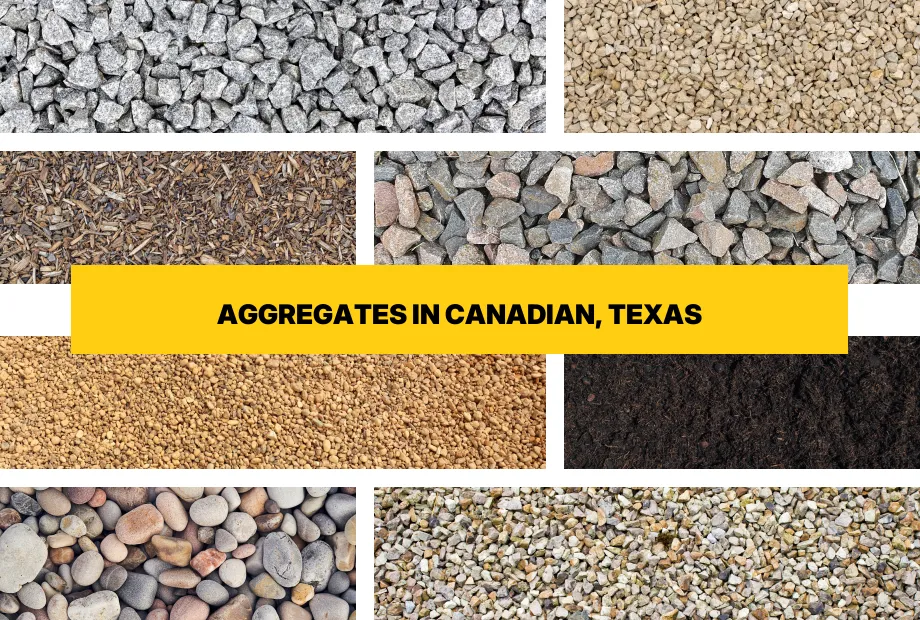
Our comprehensive selection of bulk aggregates serves residential properties, commercial developments, agricultural operations, and municipal projects throughout Canadian and surrounding Hemphill County. Each material is selected for performance in Texas Panhandle conditions:
- Driveway Gravel - Angular aggregate that compacts firmly in Canadian's clay-rich soil base
- 3/4 inch Crushed Stone - Versatile aggregate for driveways, pathways, and foundation work
- #57 Stone - Popular drainage stone for French drains and perimeter systems
- Crusher Run - Compactable base material that creates solid foundations
- Road Base - Heavy-duty aggregate for ranch roads and commercial access routes
- Pea Gravel - Rounded stone perfect for decorative landscaping and pathways
- River Rock - Natural aesthetic stone in multiple sizes for water features
- Decomposed Granite - Stabilized pathway material that compacts naturally
- Crushed Concrete - Eco-friendly recycled aggregate for cost-effective base layers
- Drain Rock - Large angular stone for effective water management systems
- Topsoil - Screened soil for gardens, lawns, and landscaping beds
- Fill Dirt - Clean fill for grading, leveling, and site preparation
- Mason Sand - Fine sand for mortar, concrete, and masonry applications
- Washed Sand - Clean construction sand for multiple building uses
- Playground Sand - Safe, tested sand for play areas and recreational spaces
Serving Canadian and Hemphill County Communities
Gravel Monkey provides free aggregate delivery throughout Canadian and the surrounding Hemphill County region. Our service area includes the historic downtown district along Main Street, residential neighborhoods near the Canadian River, ranching properties in the valley, and commercial developments along Highway 60. We regularly deliver to properties near Gene Howe Wildlife Management Area, serve agricultural operations throughout the county, and support construction projects in nearby Glazier and Gem City.
The Canadian area sits in the Texas Panhandle where the Canadian River carved deep valleys through red rock formations and clay deposits. This unique geology creates specific challenges for construction and landscaping projects. The predominant soil type is Pullman clay loam, a heavy expansive soil that shrinks during dry periods and swells when saturated. This characteristic requires proper aggregate selection and installation techniques for long-lasting results.
Properties along the river valley benefit from natural drainage, but developments on the higher plains require carefully designed water management. The region experiences approximately 21 inches of annual precipitation, with most rainfall occurring during spring and early summer thunderstorms. These intense rainfall events can produce significant runoff, making proper drainage aggregate selection essential for Canadian properties.
Aggregate Solutions for Texas Panhandle Projects
Driveway and Access Road Construction
Canadian driveways and ranch roads face unique challenges from expansive clay soil, temperature fluctuations exceeding 100 degrees, and occasional severe weather events. A properly constructed aggregate driveway begins with adequate base preparation. For properties with heavy clay content, excavate to stable soil depth and install a geotextile fabric barrier before adding base layers.
For residential driveways in downtown Canadian or neighborhoods near the high school, a three-layer system provides optimal performance. Start with 4-6 inches of compacted crusher run as your foundation layer. This material locks together when compacted, creating a stable platform that resists movement even during soil expansion cycles. Add a middle layer of road base for additional stability, then finish with your choice of surface aggregate.
Ranch roads and commercial access routes require heavier construction due to increased traffic loads and larger vehicles. Agricultural operations near the Gene Howe area often need roads that support loaded trucks during harvest season. For these applications, increase base depth to 8-10 inches and consider using crushed concrete as an economical yet durable base option. The recycled aggregate performs well under heavy loads while providing cost savings on large-scale projects.
Foundation and Construction Site Preparation
Building foundations in Canadian require careful attention to the expansive Pullman clay soils common throughout Hemphill County. These soils can exert significant pressure on foundation walls during wet periods, making proper drainage absolutely critical. The walkway gravel size range provides excellent drainage around foundation perimeters while maintaining structural stability.
Begin foundation work by over-excavating areas with highly expansive soil and backfilling with non-expansive material. Install perimeter drainage systems using #57 stone in 6-inch trenches lined with filter fabric. This drainage aggregate allows water to flow freely away from foundation walls while preventing soil particles from clogging the system. Proper moisture management protects foundations from the damaging effects of soil expansion and contraction cycles.
| Aggregate Type | Best Applications | Compaction | Drainage Rating | Texas Panhandle Performance |
|---|---|---|---|---|
| Crusher Run | Base layers, foundations, heavy traffic areas | Excellent | Moderate | Superior in expansive clay soils |
| 3/4 inch Crushed Stone | Driveways, parking areas, pathways | Very Good | Good | All-purpose workhorse material |
| #57 Stone | Drainage systems, French drains, pipe bedding | Good | Excellent | Essential for moisture management |
| Road Base | Ranch roads, commercial drives, high traffic | Excellent | Moderate | Handles heavy equipment loads |
| Decomposed Granite | Pathways, patios, xeriscape areas | Very Good | Good | Natural appearance, low maintenance |
| Pea Gravel | Decorative landscaping, drainage, pathways | Poor | Excellent | Attractive finish material |
| Drain Rock | Foundation drainage, stormwater management | Fair | Superior | Critical for clay soil properties |
Landscaping and Decorative Aggregates for Canadian Properties
Texas Panhandle landscaping requires materials that conserve moisture, withstand extreme temperatures, and complement the region's natural aesthetics. River rock provides decorative appeal while serving functional purposes like erosion control and moisture retention. Available in sizes from small smooth pebbles to larger landscaping rocks, this natural stone suits properties throughout Canadian from residential gardens near downtown to commercial installations along Highway 60.
Decomposed granite has gained popularity throughout Canadian for its natural appearance and practical benefits. This stabilized material compacts into a firm surface for pathways and patios while allowing water infiltration. The earth-toned colors blend naturally with Panhandle surroundings, creating a cohesive look for properties in the Canadian River valley. Unlike loose gravel, decomposed granite stays in place during strong winds common to the High Plains region.
For properties seeking to reduce water consumption, consider xeriscaping techniques using decorative aggregates. Pea gravel beds around drought-tolerant plantings conserve moisture while providing clean visual appeal. The rounded stones also offer excellent drainage, preventing water accumulation that can stress plants during Canadian's wet spring periods. Combine different aggregate colors and sizes to create interesting patterns and textures throughout your landscape design.
Sand Products for Construction and Recreation
Mason sand serves as an essential ingredient in masonry work throughout Canadian, from residential brick projects to commercial construction. This fine, clean sand creates smooth mortar joints and consistent concrete mixes. Local contractors rely on quality mason sand for everything from foundation work to decorative hardscaping installations around Hemphill County.
Playground sand provides safe, clean material for recreational areas at Canadian schools, parks, and residential properties. Our playground sand meets ASTM safety standards, ensuring child-safe play surfaces. The clean, rounded particles cushion falls while preventing dust issues common with lower-quality sand products. Washed sand serves multiple construction purposes, from concrete production to pipe bedding applications on commercial job sites.
Topsoil and Fill Dirt for Canadian Projects
Quality topsoil makes the difference between thriving gardens and struggling plants in the Canadian climate. Our screened topsoil provides the organic content and proper texture plants need to establish strong root systems. Whether you're creating raised garden beds near downtown Canadian, improving soil around new construction, or establishing lawns in residential developments, proper topsoil creates the foundation for successful plant growth.
The heavy clay soils native to Hemphill County often require amendment for successful gardening. Topsoil with balanced sand and organic content improves drainage while maintaining moisture-holding capacity. For vegetable gardens, add 4-6 inches of quality topsoil over existing clay, working it in gradually to create a transition zone. This approach prevents sharp boundaries that can impede root growth and water movement.
Fill dirt serves site preparation needs from minor grading adjustments to major land reshaping projects. Clean fill dirt allows you to establish proper drainage patterns, create level building pads, and fill low areas prone to water accumulation. For properties along the Canadian River valley, strategic filling can redirect stormwater away from structures while maintaining natural drainage patterns. Always ensure fill dirt is free from organic debris that could decompose and create settling issues over time.
Aggregate Selection for Texas Panhandle Weather Conditions
Canadian experiences a semi-arid climate with significant temperature variations and seasonal precipitation patterns that impact aggregate performance. Summer temperatures regularly exceed 95 degrees Fahrenheit, with occasional stretches above 105 degrees creating intense heat stress on materials. Winter brings periodic freezes with temperatures dropping below 20 degrees, though prolonged cold periods are less common than in northern climates.
These temperature swings cause expansion and contraction cycles in aggregates and underlying soils. The Pullman clay soils prevalent throughout the region exhibit pronounced shrink-swell characteristics. During dry summer periods, clay soils contract and crack, potentially causing aggregate layers to settle unevenly. Spring rains saturate these same soils, causing expansion that can heave improperly installed aggregate surfaces.
Wind represents another significant factor for Canadian properties. The High Plains location exposes the area to sustained winds and occasional severe weather events. Fine aggregates without proper stabilization can migrate during high winds, requiring periodic replenishment. For exposed locations near the Gene Howe area or on higher plains, choose larger aggregate sizes or materials like decomposed granite that compact into stable surfaces resistant to wind erosion.
Drainage Design for Spring Precipitation
Spring and early summer bring the majority of Canadian's annual precipitation, often in the form of intense thunderstorms. These rainfall events can produce several inches of precipitation in short periods, creating significant runoff challenges. Properties without adequate drainage systems may experience erosion, standing water, and damage to structures or landscaping features.
Effective drainage systems combine proper grading with strategic aggregate placement. Design surface grades to direct water away from buildings toward designated drainage areas. Install French drains using drain rock in areas where surface drainage proves insufficient. The large void spaces between drain rock particles allow rapid water movement while supporting overlying soil layers.
For properties in the Canadian River valley bottom, consider the potential for flash flooding during extreme precipitation events. Position aggregate areas and pathways to tolerate occasional inundation without washing away. Larger stone sizes resist water movement better than fine materials, while proper base preparation prevents undermining that could lead to surface collapse.
Professional Installation Techniques for Lasting Results
Successful aggregate installation in Canadian begins with thorough site preparation. Remove all organic material including grass, roots, and topsoil from the project area. These materials decompose over time, creating voids that allow aggregate layers to settle unevenly. For driveway projects, excavate to a minimum depth of 8 inches in clay soils, deeper if soil stability appears questionable.
Install geotextile fabric over prepared subgrade before adding aggregate layers. This barrier prevents clay soil from migrating upward into your aggregate base while allowing water to drain downward. The fabric separation maintains the structural integrity of your base layer even during soil expansion cycles common to Hemphill County properties. Overlap fabric seams by at least 12 inches to prevent soil intrusion at joints.
Add base aggregate in lifts no thicker than 4 inches, compacting each layer thoroughly before adding the next. Proper compaction requires multiple passes with appropriate equipment. Walk-behind compactors work well for residential projects, while larger commercial installations may require vibratory rollers. Add slight moisture if aggregates appear too dry to compact properly, but avoid over-saturation that creates muddy conditions.
Maintenance Guidelines for Canadian Aggregates
Aggregate surfaces require periodic maintenance to preserve appearance and functionality. Spring inspection should check for areas where winter freeze-thaw cycles or spring rains caused settling or washouts. Fill low spots promptly using the same aggregate type as your original installation, compacting thoroughly to match surrounding surface levels.
Control vegetation growth in aggregate areas through regular monitoring and spot treatment. Weeds and grass can quickly establish in decomposed organic material that accumulates on aggregate surfaces. Apply pre-emergent herbicides in early spring before weed seeds germinate, following up with post-emergent treatments as needed during the growing season. For properties preferring non-chemical approaches, regular raking and hand removal keeps vegetation under control.
High-traffic areas may develop ruts or worn patterns over time. Rake or grade these areas periodically to redistribute aggregate evenly across the surface. Add fresh material as needed to maintain proper depth and appearance. For driveways serving ranching operations or commercial vehicles, plan for topdressing every few years to compensate for gradual material loss from heavy use.
Aggregate Solutions for Rural and Agricultural Properties
Ranch and farm operations throughout Hemphill County have specific aggregate needs that differ from residential applications. Cattle working areas benefit from crusher run or road base that provides firm footing even during wet periods. These materials drain well while compacting into stable surfaces that resist rutting from livestock traffic. Install at depths of 6-8 inches for feeding areas and 8-12 inches for equipment yards that support heavy machinery.
Ranch roads require durability to withstand loaded trucks, tractors, and other agricultural equipment. Road base creates an economical yet tough surface for internal property roads. For roads serving as primary access routes, consider driveway gravel as a top layer over compacted road base. This combination provides the structural strength needed for heavy loads while presenting an attractive finished appearance.
Equipment storage areas and shop yards need solid foundations that support weight while preventing mud development. Crushed concrete offers an economical solution for these large areas where aesthetics matter less than functionality. The recycled material compacts well and performs reliably under heavy static and dynamic loads. For areas near the Gene Howe Wildlife Management Area or other conservation properties, crushed concrete represents an environmentally responsible choice that reduces demand for virgin aggregate resources.
Commercial Aggregate Applications Throughout Canadian
Commercial properties along Highway 60 and throughout downtown Canadian require professional-grade aggregates that deliver reliable performance and attractive presentation. Parking lot base construction follows similar principles to residential driveways but at larger scale. Proper aggregate selection and installation creates parking areas that resist rutting, drain effectively, and require minimal maintenance despite continuous traffic exposure.
Retail and office developments benefit from decorative aggregate features that enhance curb appeal while serving functional purposes. River rock beds around building perimeters provide attractive maintenance-free landscaping that eliminates irrigation needs and reduces ongoing care costs. Decomposed granite pathways create accessible routes between parking areas and building entrances with natural aesthetics that complement Texas Panhandle architecture.
Industrial properties require heavy-duty aggregate systems designed for extreme loading conditions. Truck yards, storage areas, and loading docks need deep aggregate bases with excellent compaction characteristics. Road base and crusher run provide the structural capacity required for these demanding applications. Proper installation with adequate depth and thorough compaction ensures these surfaces perform reliably for years despite constant heavy vehicle traffic.
Frequently Asked Questions About Aggregates in Canadian, TX
For Canadian's expansive clay soils, we recommend a layered approach using crusher run as your base layer (4-6 inches compacted) followed by driveway gravel as your surface layer (2-3 inches). This combination provides the structural stability needed to resist soil movement while creating an attractive finished surface. Always install geotextile fabric between native soil and your aggregate base to prevent clay migration and maintain long-term performance.
Ranch roads in Hemphill County typically require 8-12 inches of total aggregate depth depending on traffic volume and vehicle types. For light use roads serving primarily pickup trucks, 8 inches of compacted road base provides adequate support. Roads handling loaded grain trucks, cattle trailers, or heavy equipment should have 10-12 inches of base material. Apply aggregate in multiple lifts, compacting each layer thoroughly for maximum durability and minimal long-term maintenance.
Number 57 stone serves as the ideal drainage aggregate for foundation systems in Canadian. Install it in a 6-inch wide trench around foundation perimeters, extending from the footer level to within 6 inches of final grade. Wrap the drainage trench in filter fabric to prevent clay soil particles from clogging void spaces between stones. This system allows water to drain away from foundations quickly, preventing the moisture accumulation that causes clay soil expansion and foundation damage.
Decomposed granite performs excellently in Canadian's climate. The material compacts firmly to create stable walking surfaces that resist wind erosion common to the Texas Panhandle. Install over 3-4 inches of base aggregate for best results, compacting the decomposed granite thoroughly after installation. The material requires minimal maintenance and handles temperature extremes well. During Canadian's occasional heavy rains, decomposed granite allows water infiltration while maintaining surface integrity.
Improving Canadian's native Pullman clay requires adding quality screened topsoil with balanced texture. Apply 4-6 inches of topsoil over existing clay, then work it into the upper clay layer to create a gradual transition zone. This approach improves drainage and aeration while maintaining adequate moisture retention for plant roots. For vegetable gardens or flower beds, consider raised bed construction using topsoil to completely bypass clay soil challenges.
Calculate aggregate needs by multiplying length times width times depth in feet, then dividing by 27 to convert to cubic yards. For example, a 50-foot by 12-foot driveway with 6 inches of base aggregate needs approximately 11 cubic yards (50 × 12 × 0.5 ÷ 27 = 11.1). Order an additional 10 percent to account for compaction and minor variations. Our Gravel Monkey team can help calculate exact quantities for your specific Canadian project based on site conditions and intended use.
Yes! Gravel Monkey provides free delivery throughout Hemphill County including rural properties, ranches, and agricultural operations near Canadian, Glazier, and Gem City. We regularly serve properties throughout the Canadian River valley and surrounding High Plains areas. Our delivery vehicles can access most rural locations, though we recommend discussing specific site access with our team when placing large orders for remote properties.
Both materials serve as excellent base aggregates, but they have distinct characteristics. Crusher run contains a wider range of particle sizes from fines to larger stones, creating maximum compaction and interlocking. Road base typically has more uniform sizing with fewer fines. For Canadian driveways and residential applications, crusher run often provides superior performance. Road base works well for ranch roads and areas requiring heavy load support. Both materials handle the expansive clay soils common to Hemphill County effectively when properly installed.
Partner With Gravel Monkey for Your Canadian Aggregate Needs
Whether you're building a residential driveway in downtown Canadian, constructing ranch roads across Hemphill County properties, or developing commercial sites along Highway 60, Gravel Monkey delivers the quality aggregates you need for success. Our comprehensive product selection addresses every application from foundation drainage to decorative landscaping, all specifically suited for Texas Panhandle conditions.
The unique challenges of Canadian's climate and geology require knowledgeable aggregate selection and professional installation practices. Our team understands the performance requirements for materials used in expansive clay soils, extreme temperature ranges, and the seasonal precipitation patterns that characterize the High Plains region. We source quality aggregates that deliver reliable long-term performance while offering competitive pricing and free delivery throughout the Canadian area.
From residential properties near the Canadian River to agricultural operations across the county, we serve customers throughout the region with the same commitment to quality materials and responsive service. Our free delivery extends throughout Hemphill County, ensuring that even remote rural properties receive the same convenient service as in-town locations. Contact Gravel Monkey today to discuss your aggregate needs and discover how our products and expertise can contribute to your project's success in Canadian, Texas.

Need help? Reach out for a quote: