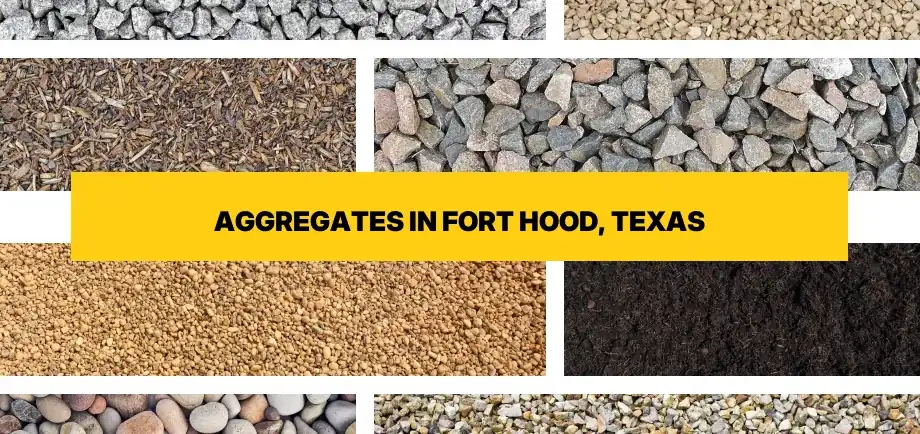
Shop Bulk Materials & Gravel in Fort Hood, Texas
Local Topsoil, Dirt, Sand, Rocks and Gravel near me in Fort Hood, Texas
Shop Aggregates for Delivery in Fort Hood
Order online for free delivery to any Fort Hood address.


Serving Fort Hood and the surrounding Central Texas communities, we provide expert aggregate delivery and material guidance for residential, municipal, and commercial projects. Whether you are stabilizing a driveway near the cantonment area, remodeling a courtyard by the Killeen Main Gate, or installing drainage for a new build in Harker Heights, our Fort Hood team understands the local soils, seasonal rainfall patterns, and best practices for long-lasting results. Locally known as "The Fort" by long-time residents, Fort Hood sits at the crossroads of prairie and plateau geology, and our aggregate selections reflect that terrain.
From base rock to decorative stone, the right aggregates make the difference between a surface that works a season and one that performs for years. This page describes our product mix, local climate and soil considerations, delivery area details, and frequently asked questions for property owners throughout Fort Hood, Killeen, Harker Heights, Copperas Cove and nearby towns. Read on for specific product uses, sand comparisons, and a clear picture of what materials perform best here.
Premium Aggregates Available for Fort Hood Delivery
Gravel and Crushed Stone Products
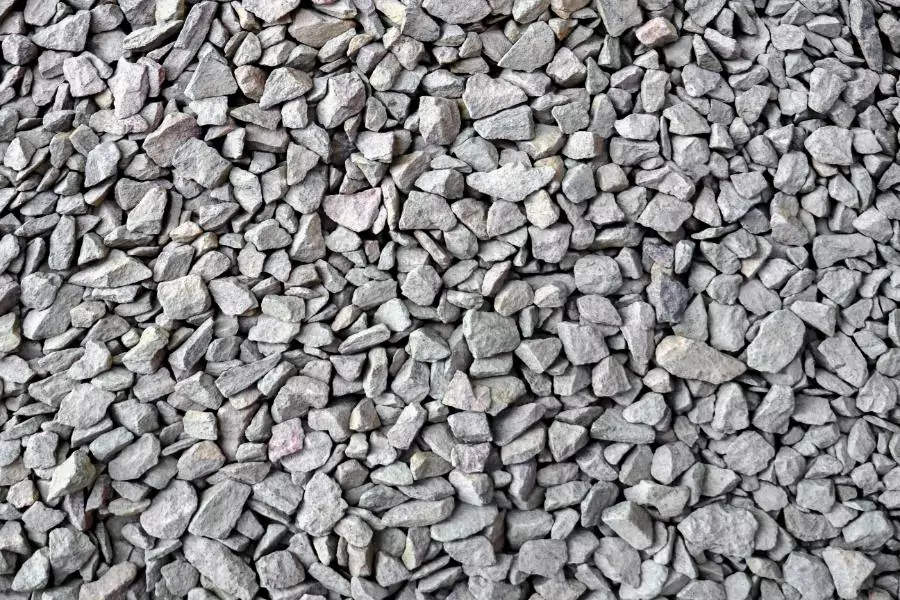
For structural sub-bases and drainage layers around Fort Hood, we stock a carefully chosen selection of crushed stone and gravels. Our engineers often recommend 3/4 inch Crushed Stone as a durable wearing surface for high-traffic areas and as a topping on compacted base layers. In areas where water management is critical—like low spots north of the Leon River tributaries—products such as #57 Stone are used to promote quicker runoff while resisting washout.
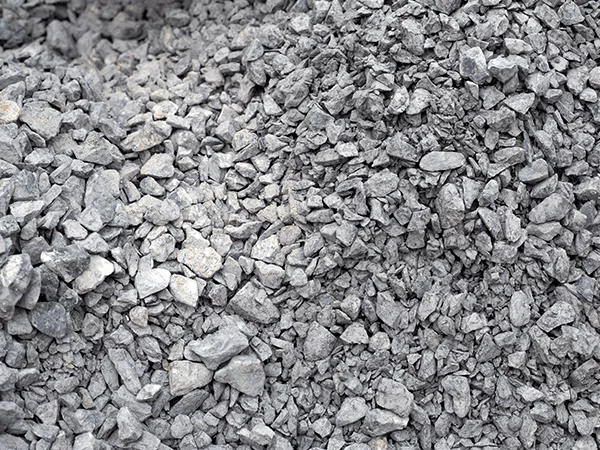
For heavy-duty roads, cul-de-sacs and approaches near training ranges and logistics areas, durable base mixes like Road Base and Crusher Run provide optimal compaction. These aggregates compact tightly against the region's clay-rich subsoil and caliche layers to produce long-lasting structural support for vehicles and equipment on post access roads.
Driveway and Pathway Materials
When Fort Hood homeowners are upgrading front drives or hardscaping around homes in neighborhoods like North Fort Hood, South Fort Hood, and the areas around Clear Creek, the right driveway aggregate matters. We supply tailored blends that balance compaction, drainage, and appearance. For a smooth, durable finish that resists rutting from military vehicles or pickup trucks, many customers prefer a compacted layer of Crusher Run or Road Base overlain with our Driveway Gravel for a clean look and good traction.
For pedestrian paths and decorative walking surfaces in residential sections of Killeen like Morningside and Gateway Park, Walkway Gravel and compactable aggregates are used with edging to maintain a firm, pleasant surface. For permeable, natural-feel paths, a bound surface using Decomposed Granite provides a stable, low-maintenance trail that meshes well with Central Texas xeric plantings.
Decorative Stone and River Rock
To complement xeriscaping and drought-tolerant plantings around the Fort Hood cantonment, properties often use decorative materials that reduce irrigation while improving curb appeal. We supply Pea Gravel for small accent areas, children's play surfaces, and filler between flagstone patios. For larger decorative accents and dry creek beds that emulate natural channels through the Lampasas Cut Plain, we offer a variety of River Rock sizes to help anchor plantings and prevent erosion.
Decorative stones are popular around Fort Hood neighborhoods such as Belton Lakeview and the southern edges adjacent to Nolanville, where homeowners desire low-maintenance landscapes that handle hot summers and infrequent but intense storms.
Drainage Solutions for Fort Hood's clay and caliche Soil
Fort Hood sits in a transition zone where the Blackland Prairie meets the Edwards Plateau, and the locally dominant subsoils are heavy clays often capped by caliche layers. These soils are prone to surface runoff during intense summer storms but can become very hard and compacted during drought. Managing water with proper aggregates is essential for foundations, drainage swales, and roadways around Fort Hood, especially in neighborhoods like Harker Heights and Copperas Cove where grading can funnel water toward residential lots.
For trench backfill, French drains, and sump systems that need coarse, free-draining material, installers commonly use Drain Rock or washed angular stone to maintain void space and prevent fines from clogging drainage systems. In high-traffic or armored locations around training areas, engineered drainage assemblies with proper aggregate filtration help preserve road and pad performance over time.
Benefits of Proper Drainage Aggregates
- Improved water flow away from foundations and paved surfaces to reduce hydrostatic pressure and erosion.
- Reduced soil saturation, which minimizes freeze-thaw damage and rutting during wet seasons.
- Longer lifespan for paved surfaces and reduced maintenance for driveways and access roads.
- Enhanced planting bed health by preventing root rot and providing oxygenated soil around roots.
Soil Products and Fill Materials
Site preparation in Fort Hood often requires quality soil and fill to create level pads, raise finished grades above flood-prone areas, or replenish topsoil after construction. We supply screened Topsoil suitable for new lawns, planting beds and restoration projects, blended to improve organic content and support drought-tolerant turf mixes used locally. When a project needs structural fill to build up a driveway approach, garage pad, or retaining area, our Fill Dirt is compactable and tested for consistent performance.
For clients focused on sustainability, we also offer Crushed Concrete as a recycled option that performs similarly to natural aggregates in many structural applications. Recycled materials reduce the demand for virgin aggregate, help lower project costs, and decrease transport-related emissions when sourced locally.
Sand Products for Every Fort Hood Application
Sand is used in Fort Hood projects for masonry, playgrounds, bedding, and drainage. Each sand type has a particular texture and best-use scenario; we stock three primary sands to suit local contractor preferences and homeowner needs.
Mason sand is a finer-textured sand favored for mortar mixes and bedding concrete block in the region. When masons are working on retaining walls or exterior masonry near Fort Hood neighborhoods like West Fort Hood and the areas south of Killeen, they rely on Mason Sand for consistent workability and bond strength in masonry joints.
Playgrounds and landscape play areas around family housing units require safe, well-draining surfacing. Our Playground Sand meets the texture and cushioning preferences local parks and housing managers look for, and it compacts to a forgiving surface while staying free-draining during summer storms.
When a clean, angular sand is needed for paver base, bedding, or high-drainage mixes, contractors choose Washed Sand. This sand is washed to remove fines, which helps maintain interlock and permeability for paved patios, pervious systems, and erosion-control applications within Fort Hood and the surrounding communities.
| Sand Type | Best Applications | Texture | Common Uses in Fort Hood |
|---|---|---|---|
| Mason Sand | Mortar, masonry bedding | Fine, smooth | Block and brickwork near cantonment and family housing |
| Playground Sand | Play surfaces, soft landing zones | Medium, rounded | Play areas, parks in Nolanville and Belton |
| Washed Sand | Paver bedding, drainage mixes | Coarse, angular | Paved patios and pervious installations across Killeen and Harker Heights |
Choosing the Right Aggregates for Your Fort Hood Project
Selecting the right aggregate begins with understanding the project's load, expected traffic, and the native soil profile. Fort Hood properties, including post housing in Copperas Cove and rural parcels near Gatesville, commonly need bases that manage the area's clay shrink-swell tendencies. Aggregates with a good gradation profile and angularity are preferred because they interlock and resist shifting over time. For concentrated loads such as vehicle pads or entry aprons, layered systems combining compactable base materials with top wearing stones offer the best performance.
We recommend combining structural bases like road base or crusher run with a wearing layer of 3/4 inch Crushed Stone or a decorative topping for driveways to balance durability and appearance. For new construction near waterways or Belton Lake tributaries, consider Drain Rock or #57 Stone in sub-drain systems to keep foundations dry.
| Aggregate Type | Best Applications | Size Range | Drainage Rating | Compaction |
|---|---|---|---|---|
| 3/4 Crushed Stone | Wearing surface, driveways | 3/4 inch | Medium | Low-Medium |
| #57 Stone | Drainage, edging | 1/2 to 1 inch | High | Low |
| Crusher Run | Base layers, driveways | Dense mix of fines to 3/4 inch | Low-Medium | High |
| Pea Gravel | Decorative, play areas | 3/8 inch | Medium | Low |
| River Rock | Decorative beds, erosion control | Various sizes | High | None |
| Decomposed Granite | Trails, compactable paths | Fine to small gravel | Low-Medium | Medium |
| Road Base | Roads, heavy pads | Mixed graded | Low-Medium | High |
| Drain Rock | French drains, trenches | 3/4 to 1-1/2 inch | Very High | None |
Climate Considerations for Fort Hood Aggregates
Fort Hood's climate influences material selection. Average annual rainfall in Fort Hood is approximately 31.5 inches, concentrated in late spring and early fall thunderstorms. Summers are hot, with typical July highs around 97°F, while winter temperatures average lows near 34°F in January. Freeze-thaw cycles are relatively mild compared with northern climates, but intense rain events combined with clay and caliche layers create pooling and erosion risks. Aggregates that promote infiltration and stable compaction are essential to minimize maintenance under these conditions.
The regional geology includes caliche layers over clay loams and truncated limestone formations typical of the Lampasas Cut Plain and Edwards Plateau transition. These caliche layers can impede infiltration; therefore, well-graded base materials and strategic drainage aggregates are commonly used to break up perched water and create managed flow paths.
Popular Fort Hood Project Applications
- Residential driveway stabilization and resurfacing in Killeen, especially near the Outer Loop and south housing sectors.
- Perimeter road repairs and base rebuilding in Harker Heights and Copperas Cove to support heavy equipment.
- French drain and foundation perimeter drainage installations for homes near Belton Lake tributaries.
- Park and playground surfaces using playground-safe sand and pea gravel in family housing areas.
- Decorative xeriscape beds with river rock and decomposed granite in salado-style garden designs.
Aggregate Delivery Throughout Fort Hood Metro
We provide reliable bulk delivery across the Fort Hood area, including deliveries for both small homeowner loads and large commercial truckloads. Our routing accounts for base access regulations, gate hours, and staging areas to make deliveries efficient for construction schedules around training cycles. Typical delivery windows are planned around local weather forecasts to avoid placing materials during storm events that lead to muddy conditions on site.
Areas We Serve
Our service area covers Fort Hood cantonment, North Fort Hood housing, West Fort Hood sectors, and extends into adjacent communities such as the central neighborhoods of Killeen, Morningside, Gateway, and the Clear Creek corridor. We also work in Harker Heights neighborhoods near Nolanville Road, Copperas Cove residential sections close to FM1113, and rural parcels east toward Gatesville. Neighborhoods like Belton Lake Park area and Salado estates are also on our regular delivery circuit, ensuring homeowners across the metro can source reliable aggregates locally.
Nearby Cities Served
We commonly deliver aggregates to Killeen, Harker Heights, Copperas Cove, Nolanville, Belton, Temple, Lampasas, and Gatesville. These nearby cities and towns are within our standard delivery radius, and we coordinate logistics to deliver the right materials, at the right time, to meet project schedules for contractors, city public works crews, and homeowners alike.
Frequently Asked Questions About Gravel in Fort Hood
We deliver a full range of aggregates across Fort Hood, including durable 3/4 inch Crushed Stone for wearing courses, Crusher Run and Road Base for bases, #57 Stone and Drain Rock for drainage, decorative Pea Gravel and River Rock, as well as sands, topsoil, and recycled options like Crushed Concrete.
Delivery terms depend on order size and drop location. We sometimes offer promotional free delivery on qualifying bulk orders inside our standard Fort Hood delivery zones. Gate access, staging, and required escorts for certain Fort Hood areas can affect delivery pricing and timing.
A good rule of thumb for Fort Hood driveways is to calculate cubic yards: multiply length (ft) by width (ft) by depth (in) and divide by 324. For a typical 12 ft by 40 ft driveway with a 4 inch compacted base, plan on about 6 cubic yards for the wearing layer plus 8–12 cubic yards of base material depending on subgrade conditions. Always allow extra for compaction and grading adjustments.
Fort Hood's clay and caliche soils perform best with a layered approach: compactable road base or crusher run to stabilize the subgrade, topped with Driveway Gravel or 3/4 inch Crushed Stone as the wearing course. For drainage-sensitive spots, use Drain Rock or #57 Stone.
Yes. We deliver across the Fort Hood metro area and to suburbs including Killeen, Harker Heights, Copperas Cove, Nolanville, Belton, Temple, Lampasas, and Gatesville with scheduling tailored to construction timelines and weather patterns.
Spring and fall are ideal for aggregate placement in Fort Hood due to moderate temperatures and lower risk of intense summer storms. However, with proper planning and compaction techniques, many projects proceed year-round; just watch for heavy rains in late spring and ensure proper drainage around work areas.
Get Quality Aggregates Delivered to Your Fort Hood Property
If you have a driveway to rebuild near the Killeen Main Gate, a pathway to improve in Harker Heights, or a drainage issue around Copperas Cove property lines, our Fort Hood delivery team can help plan the right material mix. From Walkway Gravel for footpaths to heavy-duty Road Base for access roads, we stock the products that perform in Central Texas conditions. When soil stabilization is required, combine Fill Dirt and quality base aggregates to create a stable foundation for any project.
Our local knowledge of Fort Hood's climate — average rainfall of roughly 31.5 inches annually, hot summers with July highs near 97°F, and winter lows around 34°F — informs our material recommendations. We balance permeability and compaction to protect surfaces from erosion and to reduce maintenance needs over time. Contact our team to discuss logistics, load sizes, and delivery windows to your Fort Hood address, housing area, or nearby city lot.

Need help? Reach out for a quote: