Order Topsoil, Stone & Gravel in Walnut Creek, Ohio
Local Topsoil, Dirt, Sand, Rocks and Gravel near me in Walnut Creek, Ohio
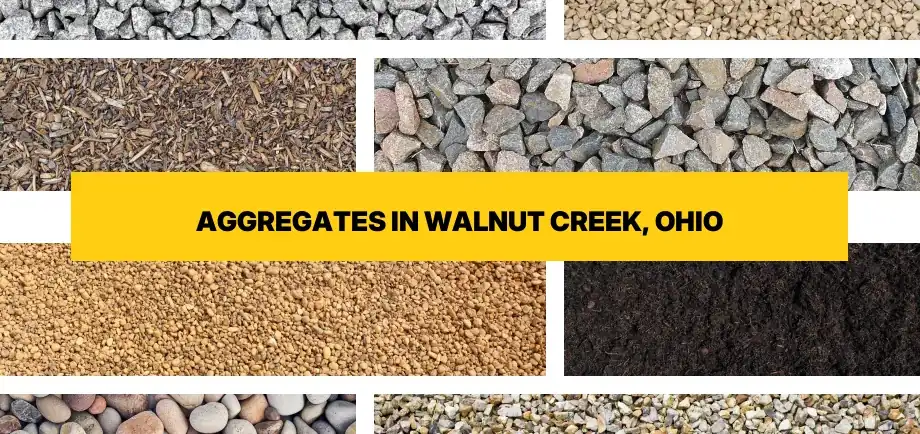
Shop Aggregates for Delivery in Walnut Creek
Order online for free delivery to any Walnut Creek address.


Nestled in the heart of Ohio Amish Country, Walnut Creek presents unique opportunities and challenges for property owners seeking quality aggregates and landscaping materials. Gravel Monkey delivers premium gravel, crushed stone, topsoil, and sand products throughout Walnut Creek and surrounding Holmes County communities—completely free of charge. Whether you're maintaining a traditional Amish farm on County Road 114, upgrading a residential driveway near the Berlin Reservoir area, or developing commercial property along State Route 515, we supply the aggregates you need to build on Walnut Creek's distinctive clay-rich soils and rolling terrain.
Complete Aggregate Selection for Walnut Creek Properties
Our comprehensive inventory addresses every construction, landscaping, and drainage need across Walnut Creek and Holmes County. From compact driveway bases to decorative landscape rock, we stock materials proven to perform in northeastern Ohio's challenging climate.
- Driveway Gravel - Dependable base aggregate for residential and farm lane applications
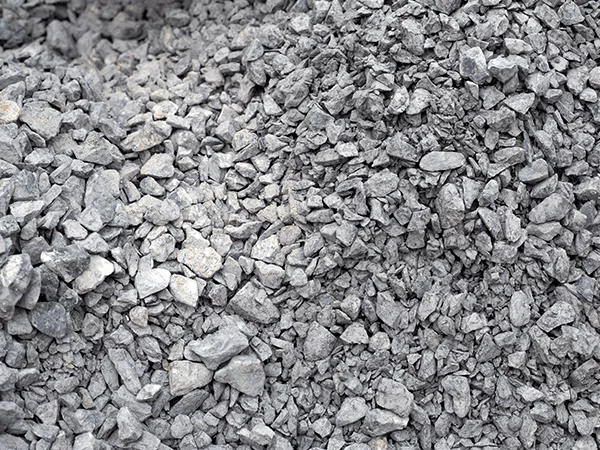
- Crusher Run - Self-compacting material ideal for roadways and parking areas
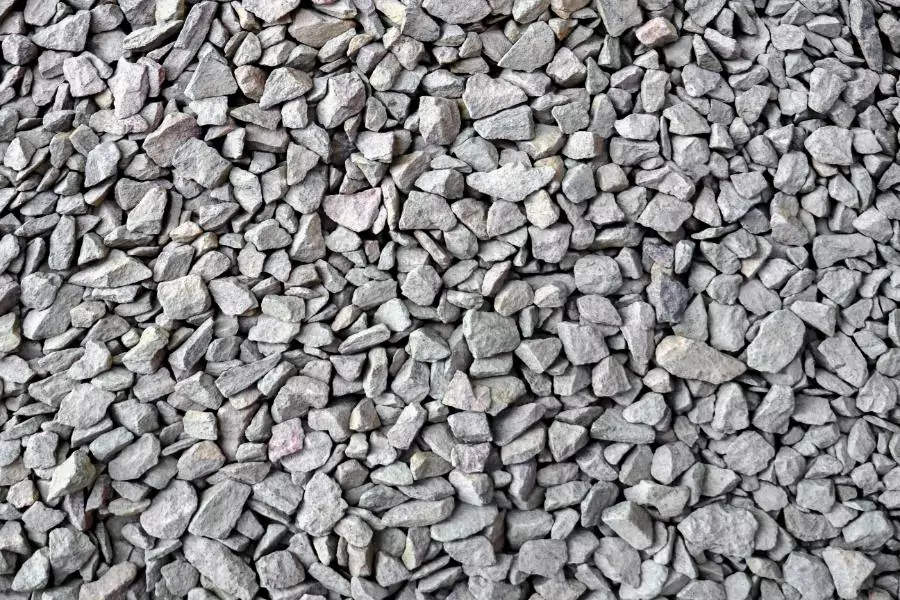
- 3/4 inch Crushed Stone - Versatile angular aggregate for driveways and construction bases
- #57 Stone - Popular drainage stone with excellent flow characteristics
- Road Base - Professional-grade foundation material for heavy-duty applications
- Drain Rock - Angular stone engineered for superior water management
- Pea Gravel - Smooth rounded aggregate perfect for walkways and landscaping
- River Rock - Natural decorative stone in multiple sizes for aesthetic projects
- Walkway Gravel - Attractive stone blend designed for pedestrian paths
- Decomposed Granite - Fine compactable aggregate for natural-looking surfaces
- Crushed Concrete - Eco-friendly recycled aggregate for cost-effective projects
- Topsoil - Nutrient-rich soil for gardens, lawns, and agricultural use
- Fill Dirt - Quality grading material for leveling and foundation work
- Mason Sand - Fine construction sand for masonry and concrete projects
- Playground Sand - Clean, safe sand for play areas and recreational spaces
- Washed Sand - Premium cleaned sand for specialized construction applications
Understanding Walnut Creek Soil Conditions and Climate
Walnut Creek sits within the glaciated Allegheny Plateau region where ancient ice sheets left deposits of heavy clay soils mixed with glacial till. These clay-rich soils, particularly prevalent throughout Holmes County, present drainage challenges that directly impact construction decisions. The area's Wooster and Coshocton soil series contain significant clay content that expands when wet and contracts during dry periods, creating stress on foundations and hardscaping.
With average annual rainfall exceeding 40 inches and winter temperatures regularly dropping below freezing from December through February, Walnut Creek properties must contend with freeze-thaw cycles that can heave improperly installed driveways and walkways. Spring thaws often create muddy conditions on unpaved surfaces, while summer storms can generate sudden runoff across the rolling terrain characteristic of this part of Holmes County.
Selecting Aggregates for Local Soil Conditions
The heavy clay soils found from Trail to Berlin demand proper aggregate selection. Crusher run and three-quarter inch crushed stone create stable bases that resist the expansion-contraction cycle of clay soils. These angular aggregates interlock and compact firmly, distributing weight effectively across unstable subsoils. For properties near the Walnut Creek town center or along Route 515, a minimum four-inch aggregate base prevents driveway failure during freeze-thaw periods.
Drainage becomes critical in Walnut Creek's clay-dominated landscape. Number 57 stone and drain rock allow water to percolate freely, preventing pooling that clay soils naturally create. Properties in lower-lying areas near Walnut Creek itself or in valleys throughout the countryside benefit significantly from proper French drain installation using appropriate drainage aggregates.
Serving All Walnut Creek Area Communities
Gravel Monkey provides free aggregate delivery throughout Walnut Creek and the broader Holmes County region. Our service area encompasses both the compact village center and the extensive rural farmland that defines this unique Amish Country community.
Walnut Creek Village and Surrounding Areas
The village center around the Dutch Valley complex and Old Pump Shop serves as Walnut Creek's commercial heart, where properties require quality aggregates for parking areas and walkways accommodating both vehicle and buggy traffic. Residential streets extending from Main Street eastward toward County Road 114 feature a mix of traditional and modern homes, all built on the characteristic clay soils of Holmes County.
West of town along State Route 515 toward Sugarcreek, properties transition to larger lots and farm operations. These holdings typically require substantial aggregate quantities for lane maintenance, barnyard surfaces, and equipment access roads. The Walnut Creek area's Amish population often prefers crusher run for creating firm, dust-free surfaces suitable for horse-drawn equipment.
Rural Routes and Farm Communities
County roads radiating from Walnut Creek serve extensive agricultural operations throughout the countryside. Properties along Township Roads 356, 367, and 368 north toward Trail require reliable aggregate delivery for maintaining private lanes, creating equipment pads, and managing water flow across farmland. These rural locations benefit from road base and crusher run products that withstand heavy agricultural equipment while remaining passable year-round.
South of Walnut Creek toward Berlin and the Berlin Reservoir area, properties blend residential development with working farms. This region's gently rolling terrain creates natural drainage patterns that proper aggregate placement can enhance. Homeowners near Apple Creek and the reservoir use decorative river rock for landscaping while farmers rely on functional crushed stone for operational needs.
Adjacent Communities We Serve
Our free delivery extends beyond Walnut Creek proper to neighboring communities throughout Holmes County. We regularly serve Berlin, Ohio's largest Amish settlement, located just three miles west. Sugarcreek, known as the "Little Switzerland of Ohio," sits five miles northwest and receives frequent deliveries. Millersburg, the Holmes County seat eight miles north, represents our service area's northern extent. Trail, Charm, and Mount Hope communities throughout the county all benefit from our comprehensive aggregate delivery service.
Aggregate Applications for Walnut Creek Projects
Driveway Construction and Maintenance
Walnut Creek driveways endure significant stress from clay soil movement, freeze-thaw cycles, and in rural areas, agricultural equipment traffic. Proper driveway construction begins with excavating soft topsoil to reach firm subgrade, typically eight to twelve inches below final surface level. A four to six inch base layer of crusher run provides the compactable foundation essential for long-term stability.
For finish surfaces, three-quarter inch crushed stone offers excellent performance. This angular aggregate interlocks securely while allowing some water drainage through the layer. Many Walnut Creek residents and Amish community members prefer this traditional stone surface that minimizes dust while remaining maintenance-friendly for buggy traffic. Properties requiring smoother surfaces sometimes top crusher run bases with finer walkway gravel for improved appearance.
Drainage Solutions for Clay Soils
Managing water flow presents continuous challenges across Walnut Creek's clay-heavy landscape. French drains using number 57 stone wrapped in geotextile fabric intercept subsurface water before it saturates foundations or creates standing water. These drainage systems prove particularly valuable along property edges near roads where culvert overflow can saturate yards during spring runoff.
Surface drainage improvements use drain rock to create swales and channels directing water away from structures. The angular nature of quality drain rock maintains void space between stones, allowing rapid water movement even under pressure. Properties throughout the rolling countryside between Walnut Creek and Trail benefit from strategic aggregate placement that works with natural terrain rather than fighting it.
Landscaping and Decorative Applications
Beyond functional uses, aggregates enhance Walnut Creek properties aesthetically. Pea gravel creates attractive, permeable surfaces for garden paths, meditation areas, and around traditional Amish structures. The rounded stones feel comfortable underfoot while natural earth tones complement both historic and contemporary architecture prevalent throughout Holmes County.
River rock in various sizes adds visual interest to planting beds, water features, and landscape borders. Many properties near the village center use contrasting rock sizes to create depth and texture in landscaping designs. Decomposed granite offers another option, providing a natural-looking surface that compacts firmly for seating areas and cottage garden paths while maintaining excellent drainage characteristics.
Agricultural and Farm Applications
Working farms throughout the Walnut Creek area require substantial aggregate quantities for operational surfaces. Barnyard areas benefit from road base or crusher run that creates firm, relatively dust-free surfaces withstanding daily livestock and equipment traffic. These compactable aggregates shed water effectively, preventing the muddy conditions that clay soils naturally develop during wet periods.
Equipment storage areas and farm lanes use similar heavy-duty aggregates. The self-compacting nature of crusher run makes it particularly valuable for locations where equipment regularly travels the same routes. Properly installed aggregate surfaces significantly reduce maintenance time while extending the working life of farm equipment by minimizing mud exposure.
Aggregate Comparison Guide for Walnut Creek Applications
Selecting appropriate aggregates depends on project requirements, traffic expectations, and site conditions. This comparison helps Walnut Creek property owners match materials to specific needs.
| Aggregate Type | Best Applications | Typical Size | Compaction | Drainage |
|---|---|---|---|---|
| Crusher Run | Driveways, Roads, Parking Areas | 0 to 3/4 inch | Excellent | Moderate |
| 3/4 inch Crushed Stone | Driveway Surface, Building Foundations | 3/4 inch | Very Good | Good |
| #57 Stone | Drainage Systems, Concrete Aggregate | 3/4 inch | Good | Excellent |
| Road Base | Heavy-Duty Roads, Commercial Drives | 0 to 1.5 inch | Excellent | Moderate |
| Drain Rock | French Drains, Leach Fields | 3/4 to 1.5 inch | Fair | Excellent |
| Pea Gravel | Walkways, Landscaping, Decorative | 3/8 inch | Poor | Very Good |
| River Rock | Landscaping, Water Features, Borders | 1 to 3 inch | Poor | Good |
| Decomposed Granite | Natural Paths, Patio Surfaces | 1/4 inch minus | Good | Good |
| Crushed Concrete | Base Layers, Temporary Roads | 3/4 inch | Very Good | Good |
Professional Installation Guidelines for Walnut Creek Properties
Site Preparation Essentials
Successful aggregate projects begin with thorough site preparation. Excavate soft topsoil and organic material to expose firm subgrade—typically eight to twelve inches deep for driveways in Walnut Creek's clay soils. Mark excavation boundaries clearly and ensure adequate slope for drainage, typically two percent minimum grade away from structures.
For areas with particularly soft clay, consider installing geotextile fabric over the subgrade before adding aggregates. This separation layer prevents aggregate from migrating into clay while allowing water to drain. Properties throughout the countryside between Walnut Creek and Charm commonly use this technique for long-lasting driveway installations.
Proper Base Installation
Install base aggregates in lifts no thicker than four inches, compacting each layer before adding the next. Use a mechanical plate compactor or roller—hand tamping proves insufficient for achieving proper density. Multiple thin, well-compacted layers outperform single thick applications by distributing load more effectively across unstable subsoils.
Pay particular attention to edges where aggregates meet existing surfaces or soil. These transitions represent weak points where materials can shift. Secure edges with landscape timber, concrete curbing, or simply overbuilding the excavation and trimming to final width after compaction. Rural properties often use the overbuilt method for practical, cost-effective edge retention.
Drainage Integration
Design aggregate installations to work with site drainage patterns, not against them. Crown driveways slightly higher in the center so water sheds to edges. Create positive drainage away from buildings by maintaining proper grade. Where natural drainage proves inadequate, integrate French drains using appropriate drainage aggregates before installing driveway or parking surfaces.
Consider seasonal water movement patterns specific to Holmes County. Spring thaws create heavy runoff that overwhelms undersized drainage systems. Fall rains saturating clay soils can create hydrostatic pressure under aggregate surfaces. Year-round functionality requires drainage capacity exceeding typical conditions.
Managing Seasonal Challenges in Walnut Creek
Winter Freeze-Thaw Impacts
Walnut Creek winters regularly bring temperatures below 20 degrees Fahrenheit, freezing moisture trapped in clay soils. As water freezes, it expands, heaving driveways and walkways installed over inadequate bases. Properly installed crusher run or road base creates a capillary break preventing moisture migration from clay subsoils into the aggregate layer, minimizing frost heave potential.
Snow removal on aggregate driveways requires different techniques than on paved surfaces. Set plow blades slightly higher to avoid digging into stone. Many Amish community members prefer hand shoveling or horse-drawn plows that naturally provide appropriate clearance. Light applications of sand—never salt on aggregates—improve traction without causing material degradation.
Spring Thaw and Mud Season
March and April bring challenging conditions as frost leaves clay soils and snowmelt saturates the ground. Aggregate surfaces installed over proper bases remain passable while surrounding unprepared areas become impassable mud. This period demonstrates the value of investing in quality base materials and adequate depth for Walnut Creek properties.
Properties experiencing recurring spring mud issues benefit from upgrading or adding aggregates before winter. Fall installation allows materials to settle and compact naturally through winter freeze-thaw cycles, resulting in stable surfaces ready for heavy spring use. Farmers throughout Holmes County often schedule lane improvements during late summer and fall for this reason.
Summer Storm Water Management
Northeastern Ohio summers bring intense thunderstorms capable of dropping several inches of rain quickly. Properly designed aggregate systems handle these events by allowing rapid infiltration while directing excess water away from structures. Check drainage systems periodically, clearing debris from swales and culverts to maintain function during storm season.
Calculating Aggregate Quantities for Your Project
Accurate material estimation prevents shortages and minimizes waste. Calculate volume needed in cubic yards using this formula: Length (feet) × Width (feet) × Depth (inches) ÷ 324 = Cubic Yards.
Common Project Examples
For a single-car driveway 12 feet wide by 50 feet long with a four-inch base layer: 12 × 50 × 4 ÷ 324 = 7.4 cubic yards. Round up to 8 yards to account for compaction and irregularities. A two-car driveway 20 feet wide needs proportionally more: 20 × 50 × 4 ÷ 324 = 12.3 cubic yards, so order 13 yards.
Parking areas require similar calculations. A 24 by 24 foot parking pad with four inches of crusher run needs: 24 × 24 × 4 ÷ 324 = 7.1 cubic yards. Add 10 to 15 percent extra for compaction when using highly compactable materials like crusher run or road base.
Farm lanes and longer driveways multiply length by width and depth. A 300-foot lane at 12 feet wide with four inches of aggregate requires: 300 × 12 × 4 ÷ 324 = 44.4 cubic yards—round to 45 yards. Properties throughout the Walnut Creek countryside often need substantial quantities for lane maintenance and improvement projects.
Frequently Asked Questions About Aggregates in Walnut Creek
We deliver a complete range of aggregates to Walnut Creek including driveway gravel, crusher run, various crushed stone sizes, pea gravel, river rock, decomposed granite, topsoil, fill dirt, sand products, and recycled crushed concrete. All materials are delivered free throughout Holmes County.
Yes! Gravel Monkey offers completely free delivery to Walnut Creek and throughout Holmes County. We serve the entire area including Berlin, Sugarcreek, Millersburg, and surrounding Amish Country communities with no delivery charges.
For Walnut Creek driveways, crusher run and three-quarter inch crushed stone are excellent choices. These aggregates compact well in our clay-rich soils and handle freeze-thaw cycles during Ohio winters. A proper three to four inch base layer ensures long-lasting performance.
Clay soil in Walnut Creek can cause water pooling. Use drain rock or number 57 stone to create French drains or drainage channels. These angular aggregates allow water to flow freely while remaining stable. Proper grading and aggregate selection prevent foundation and landscape drainage problems.
Absolutely. Crusher run and road base create firm, stable surfaces that support both vehicle traffic and horse-drawn buggies common throughout Walnut Creek and Holmes County. These compactable aggregates minimize dust and provide smooth travel for traditional transportation.
Project needs vary: use three-quarter inch or crusher run for driveways and roads, number 57 stone for drainage, pea gravel or walkway gravel for paths, and river rock for decorative landscaping. Our team can help determine the right aggregate type and quantity for your specific Walnut Creek property.
Calculate length times width times depth in feet, then divide by 27 for cubic yards. A typical single-car driveway that is 12 feet wide by 50 feet long with a 4 inch depth needs about 7 to 8 cubic yards of aggregate. We provide free estimates for all Walnut Creek projects.
Yes, we deliver to all rural areas, farms, and properties throughout Walnut Creek and Holmes County. Whether you are in town near the Dutch Valley complex or on a country road near Trail, we provide free delivery of all aggregates and landscaping materials to your site.
Why Walnut Creek Property Owners Choose Gravel Monkey
Delivering quality aggregates throughout Holmes County Amish Country requires understanding local conditions, respecting community values, and providing reliable service. Gravel Monkey serves Walnut Creek with materials proven to perform in clay soils and challenging Ohio weather.
Our commitment to free delivery eliminates transportation costs that can significantly impact project budgets, particularly for rural properties requiring substantial material quantities. Whether you need five yards for a garden path or fifty yards for a farm lane, delivery remains free to your Walnut Creek location.
We respect the unique character of Holmes County communities. Our drivers understand that many properties accommodate both vehicle and buggy traffic, maintain traditional agricultural operations, and value straightforward service without unnecessary complications. From the village center to remote country roads, we deliver aggregates ready for immediate use on your timeline.
Quality aggregates make the difference between successful projects and costly failures. Clay soils, freeze-thaw cycles, and heavy use demand materials engineered to perform year after year. Every load we deliver to Walnut Creek properties meets specifications ensuring long-term value and functionality for your investment.
Complete Service Coverage Throughout Holmes County
From Walnut Creek's village center to the farthest corners of Holmes County, Gravel Monkey provides free aggregate delivery to residential, commercial, and agricultural properties. Our regular delivery routes serve the entire region efficiently, bringing premium materials directly to your site without delay.
Whether your project lies along busy State Route 515, quiet Township Roads throughout the countryside, or private lanes accessible only by rural routes, we deliver aggregates where you need them. Contact us to discuss your specific Walnut Creek area project requirements and schedule convenient delivery of the materials essential for successful completion.

Need help? Reach out for a quote: