Buy Bulk Aggregates & Gravel in Clay Center, Ohio
Local Topsoil, Dirt, Sand, Rocks and Gravel near me in Clay Center, Ohio
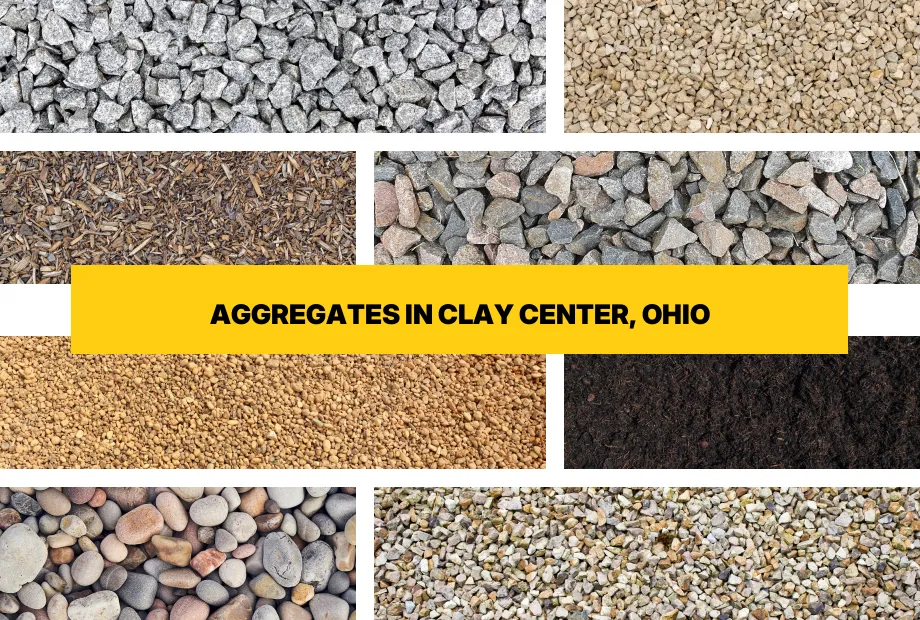
Shop Aggregates for Delivery in Clay Center
Order online for free delivery to any Clay Center address.


Gravel Monkey is your trusted source for premium gravel and aggregate delivery throughout Clay Center, Ohio. Serving properties across Ottawa County, from residential homes near Port Clinton Road to agricultural operations throughout the surrounding townships, we deliver high-quality aggregates directly to your site with absolutely free delivery. Whether you're improving a rural driveway, addressing drainage challenges common to Ottawa County clay soils, or completing a landscaping project near Portage River, our comprehensive selection of materials meets every project need in the Clay Center area.
Complete Aggregate & Material Selection for Clay Center
Understanding the unique soil composition and climate conditions of northern Ohio, Gravel Monkey provides aggregates specifically suited to Clay Center's geological characteristics. Our materials work exceptionally well with the region's heavy clay soils and perform reliably through Ohio's freeze-thaw cycles.
- Driveway Gravel - Premium base material engineered for long-lasting rural and residential driveways
- 3/4 inch Crushed Stone - Versatile angular aggregate for foundations, driveways, and drainage applications
- #57 Stone - Industry-standard crushed stone ideal for concrete mix and French drain systems
- Crusher Run - Compactable blend perfect for stable driveway bases on clay soil
- Road Base - Heavy-duty foundation material for roads and parking areas
- Drain Rock - Angular stone engineered for superior water management
- Pea Gravel - Smooth decorative gravel for pathways and landscape features
- River Rock - Natural rounded stone for decorative landscaping and water features
- Walkway Gravel - Comfortable surface material for pedestrian paths
- Crushed Concrete - Eco-friendly recycled aggregate for cost-effective base applications
- Topsoil - Rich growing medium for gardens and lawn establishment
- Fill Dirt - Clean fill material for grading and elevation projects
- Mason Sand - Fine sand for masonry, paver setting, and construction projects
- Playground Sand - Safe, clean sand for play areas and sandboxes
- Washed Sand - Clean sand for various construction and landscaping applications
- Decomposed Granite - Natural stabilized surface for pathways and patios
Aggregate Solutions for Ottawa County Clay Soil
Clay Center sits within Ottawa County's characteristic clay-rich soil zone, part of the Great Black Swamp plain that once covered much of northwestern Ohio. This heavy clay soil presents unique challenges for driveways, foundations, and drainage that require specific aggregate solutions. The region's soil has poor natural drainage and significant expansion and contraction with moisture changes, making proper aggregate selection critical for project longevity.
Properties throughout Clay Center experience the typical Ottawa County soil profile: dense clay subsoil with limited topsoil depth. This soil type becomes extremely muddy in wet conditions and develops deep cracks during dry periods. Average annual precipitation of approximately 34 inches, combined with winter freeze-thaw cycles, creates demanding conditions for any ground-level construction or landscaping project.
Recommended Aggregates for Clay Soil Conditions
For driveways on clay soil common throughout the Clay Center area, angular crushed aggregates provide superior performance compared to rounded materials. The angular edges interlock effectively, creating a stable surface that resists the shifting caused by clay soil movement. Crusher run establishes an excellent compactable base layer, while three quarter inch crushed stone serves well as a top dressing that maintains integrity through seasonal changes.
Drainage projects require special attention in Ottawa County clay soils. Drain rock with its clean, angular profile creates void spaces that facilitate water movement, essential for managing the poor drainage characteristic of local clay. French drain installations around foundations near Portage River benefit significantly from properly sized drain rock that prevents water accumulation against structures.
Material Applications for Clay Center Projects
Residential Driveway Construction
Rural properties throughout Clay Center require durable driveway solutions that withstand agricultural equipment, seasonal moisture variations, and temperature extremes. A proper driveway construction starts with adequate clay soil preparation—removing organic material and establishing proper grades for water runoff. Road base creates an initial stable platform, followed by crusher run as the primary base layer that compacts firmly against clay subsoils.
For the final surface layer, three quarter inch crushed stone or number 57 stone provides an attractive, functional finish. These aggregates allow water to permeate while maintaining a solid driving surface. Properties experiencing particularly challenging drainage should consider incorporating drain rock in strategic locations to channel water away from the driveway structure.
Foundation and Drainage Solutions
Basement and foundation work in Clay Center demands proper drainage design due to Ottawa County's clay soil characteristics. Perimeter drain systems using drain rock prevent hydrostatic pressure buildup that can cause foundation issues. The drain rock's angular structure maintains stable void spaces even under soil pressure, ensuring consistent drainage performance year-round.
Agricultural buildings and pole barns benefit from crushed concrete as a cost-effective foundation aggregate. This recycled material compacts well and provides adequate support while offering environmental benefits. For residential foundations requiring more refined specifications, crusher run or road base establishes the proper foundation grade before concrete placement.
Landscaping and Decorative Applications
Residential properties throughout Clay Center enhance their curb appeal with thoughtfully placed decorative aggregates. River rock creates striking visual features around flower beds, trees, and water features while providing weed suppression and moisture retention benefits. The rounded stones complement both traditional farmhouse architecture and modern residential designs prevalent in Ottawa County.
Pea gravel serves excellently for pathways connecting various areas of larger properties. Its comfortable walking surface and natural drainage make it ideal for garden paths, dog runs, and children's play areas. For homeowners seeking low-maintenance landscaping solutions, decomposed granite offers a natural-looking surface that stabilizes well and requires minimal upkeep through Ohio's changing seasons.
Aggregate Comparison Guide for Clay Center
Selecting the appropriate aggregate requires understanding each material's characteristics and optimal applications. This comparison helps Clay Center property owners make informed decisions for their specific project requirements.
| Aggregate Type | Best Applications | Size Range | Drainage Rating | Clay Soil Performance |
|---|---|---|---|---|
| Crusher Run | Driveway bases, foundations | Fines to 1 inch | Good | Excellent - compacts firmly |
| 3/4 inch Crushed Stone | Driveways, drainage, concrete | 3/4 inch nominal | Excellent | Very Good - stable surface |
| #57 Stone | French drains, concrete mix | 1/2 to 1 inch | Excellent | Very Good - water flow |
| Road Base | Heavy traffic areas, parking | Blended gradation | Good | Excellent - maximum stability |
| Drain Rock | Foundation drains, septic | 3/4 to 1.5 inch | Superior | Excellent - prevents saturation |
| Pea Gravel | Walkways, landscaping | 1/4 to 3/8 inch | Very Good | Good - decorative use |
| River Rock | Decorative landscaping | 1 to 3 inch | Good | Fair - best for surface use |
| Crushed Concrete | Base layers, rural drives | Variable | Good | Very Good - economical |
Clay Center and Ottawa County Regional Factors
Clay Center's location in northern Ottawa County, approximately 10 miles south of Lake Erie, creates specific environmental conditions that influence aggregate performance and project design. Understanding these regional characteristics ensures successful long-term results for any construction or landscaping project.
Climate and Weather Patterns
The Lake Erie region experiences distinct seasonal variations that impact aggregate applications. Winter temperatures regularly drop below freezing from December through February, with average lows around 20°F creating freeze-thaw cycles that stress improperly constructed driveways and foundations. Spring brings substantial rainfall and snowmelt, often resulting in saturated soil conditions throughout March and April when Ottawa County clay soils hold excessive moisture.
Summer conditions, while generally warm with average highs near 82°F in July, include periodic heavy rainfall events that test drainage systems. Autumn typically provides ideal conditions for aggregate installation projects, with moderate temperatures and lower precipitation creating favorable working conditions through October and November. These seasonal patterns make proper aggregate selection and installation timing critical for project success.
Geological Characteristics
Ottawa County's bedrock lies relatively deep beneath thick glacial deposits left by ice age glaciers. The surface soils consist primarily of clay-rich lacustrine deposits from ancient Lake Erie, creating the dense, poorly draining soil profile characteristic of Clay Center. This glacial lake clay contains high percentages of fine particles that retain water and exhibit significant shrink-swell behavior with moisture changes.
The flat topography throughout Clay Center, with minimal natural elevation change, means properties cannot rely on gravity-driven drainage. Successful projects require deliberate engineering of proper slopes and installation of appropriate aggregates that facilitate water movement. Properties near Portage River and smaller drainage channels experience additional seasonal water table fluctuations that influence foundation and driveway design requirements.
Service Throughout Clay Center and Surrounding Areas
Gravel Monkey delivers aggregates throughout Clay Center and all neighboring Ottawa County communities. Our service area extends from properties along State Route 2 near Lake Erie southward through the agricultural townships surrounding Clay Center.
Areas We Serve
We regularly deliver to properties throughout these Clay Center area locations:
- Port Clinton - Ottawa County's largest community, just north of Clay Center near Lake Erie
- Oak Harbor - Neighboring town to the west with growing residential development
- Marblehead - Peninsula community north of Clay Center along Lake Erie
- Genoa - Growing community southeast of Clay Center
- Catawba Island - Lake Erie peninsula with seasonal and year-round properties
- Danbury Township - Rural area west of Clay Center
- Port Clinton Township - Surrounding township areas with agricultural and residential properties
- Benton Township - Southern areas toward the Sandusky County line
Our delivery service also extends to nearby communities in Erie County including Sandusky and areas toward Toledo in Lucas County. No matter where your Clay Center area property is located, we provide the same free delivery and quality materials that have made us the trusted aggregate supplier throughout northern Ohio.
Installation Best Practices for Ottawa County Conditions
Successful aggregate projects in Clay Center require attention to local soil conditions and proper installation techniques. These guidelines help ensure your project performs well through all seasons in Ottawa County's challenging environment.
Site Preparation
Begin any aggregate project by addressing the clay soil foundation. Remove topsoil and organic material to reach stable clay subsoil. While clay provides a firm base when dry, it requires proper contouring to prevent water accumulation. Create a 2-3% slope away from structures to promote drainage—this is especially important for driveways and areas around foundations where water pooling can cause problems.
For driveway projects on heavy clay, consider excavating 8-12 inches deep to allow for proper base layers. This depth accommodates road base or crusher run as the foundation layer, followed by surface aggregates. The investment in proper depth pays dividends through improved performance and reduced maintenance over the driveway's lifespan.
Drainage Integration
Every aggregate project in Clay Center should include drainage consideration due to the area's clay soil and flat terrain. Perimeter drains using drain rock channel water away from structures and paved areas. For properties experiencing standing water issues, French drains installed with proper number 57 stone provide effective subsurface drainage that removes excess moisture before it impacts foundations or driveways.
Agricultural properties may require culverts or cross-drains to manage water flow across driveways. Properly sized culverts bedded in crushed stone maintain water flow during spring runoff and heavy rain events while supporting driveway traffic loads. These drainage features prevent washouts and extend the service life of rural driveways throughout Ottawa County.
Compaction and Finishing
Proper compaction transforms loose aggregate into a stable, durable surface. For base layers like crusher run or road base, compact in 4-inch lifts using appropriate equipment—this ensures thorough densification throughout the depth of the material. Clay Center's soil conditions require firm compaction to prevent settling and rutting, especially in high-traffic areas.
Surface layers of three quarter inch crushed stone or pea gravel should receive light compaction that stabilizes the material without over-crushing the stones. This preserves the drainage capacity of surface aggregates while creating a firm, accessible surface. For decorative applications using river rock or larger aggregates, minimal compaction maintains the aesthetic appearance while anchoring the stones in place.
Seasonal Timing for Aggregate Projects
Ottawa County's climate creates distinct windows of opportunity for aggregate installation. Understanding seasonal factors helps Clay Center property owners plan projects for optimal results and easier installation conditions.
Spring Considerations
While many property owners consider spring an ideal time for outdoor projects, early spring in Clay Center often presents challenges due to saturated soil conditions. March and April typically bring substantial moisture from snowmelt and spring rains, creating muddy conditions that complicate excavation and base preparation. Clay soils retain water, sometimes remaining too wet for proper compaction through early May.
Late spring, from mid-May through June, offers better conditions as soil moisture levels moderate and temperatures warm. This period allows effective compaction and provides adequate time for settling before winter. Drainage projects installed in late spring have the advantage of testing during summer thunderstorms, revealing any necessary adjustments before winter's harsh conditions arrive.
Summer and Fall Advantages
Summer months provide excellent working conditions for aggregate projects throughout Clay Center. Dry soil conditions in July and August facilitate excavation and ensure proper compaction of base materials. However, extended dry periods can make clay soil extremely hard, potentially increasing excavation difficulty and costs.
Fall represents the ideal season for most aggregate installations in Ottawa County. September and October typically offer moderate temperatures, manageable soil moisture, and sufficient time for settling before winter. Projects completed in fall have the added benefit of testing through winter conditions, with any minor adjustments easily addressed the following spring. Early November remains viable for projects, though cooler temperatures can slow compaction effectiveness.
Winter Limitations
Winter aggregate work faces significant challenges in Clay Center's climate. Frozen ground prevents proper excavation and compaction, while snow and ice create hazardous working conditions. Additionally, aggregate stockpiles can freeze, making material handling difficult. Most substantial projects should wait until spring thaw, though emergency repairs and small-scale projects can proceed with appropriate precautions during winter months.
Calculating Material Quantities for Your Clay Center Project
Accurate material estimation prevents project delays and ensures you order sufficient aggregates for complete installation. These calculation methods help Clay Center property owners determine appropriate quantities for common applications.
Driveway Calculations
For driveway projects, measure the length and width in feet, then determine the desired depth in inches. A standard residential driveway on Ottawa County clay soil requires approximately 4 inches of compacted aggregate. The formula for cubic yards is: (Length × Width × Depth in inches / 12) ÷ 27 = Cubic Yards.
For example, a 100-foot long by 12-foot wide driveway with 4 inches of aggregate requires: (100 × 12 × 4 / 12) ÷ 27 = 14.8 cubic yards. Round up to 15 cubic yards to ensure complete coverage. For driveways requiring base and surface layers, calculate each layer separately—typically 6 inches total depth with 4 inches of crusher run base and 2 inches of three quarter inch crushed stone surface.
Drainage and Foundation Applications
French drain systems require drain rock volume based on trench dimensions. A typical residential foundation drain trench measures 12 inches wide by 18 inches deep. Calculate the linear feet of trench and use the formula: (Length × Width × Depth / 12) ÷ 27 = Cubic Yards. A 100-foot trench with these dimensions requires approximately 5.5 cubic yards of drain rock.
Foundation perimeter drains around average residential structures typically require 10-15 cubic yards of drain rock, depending on home size and trench dimensions. Include additional material for cleanouts and distribution boxes if your drainage system incorporates these features.
Landscaping Material Estimates
Decorative landscape applications using pea gravel or river rock typically apply material 2-3 inches deep. Measure the area in square feet and apply the formula: (Square Feet × Depth in inches / 12) ÷ 27 = Cubic Yards. A 300 square foot landscaping bed with 3 inches of pea gravel requires: (300 × 3 / 12) ÷ 27 = 2.8 cubic yards, rounded to 3 cubic yards for full coverage.
Frequently Asked Questions About Gravel in Clay Center
Crusher run creates an excellent base layer for driveways on Ottawa County clay soil, followed by three quarter inch crushed stone as a surface layer. The crusher run compacts firmly against clay and resists shifting, while the angular crushed stone surface provides traction and drainage. This two-layer system performs reliably through all seasons in northern Ohio's climate.
Standard residential driveways on clay soil should have a minimum 4 inches of compacted aggregate, though 6-8 inches provides better long-term performance. Heavy-use driveways for agricultural equipment or commercial vehicles benefit from 8-12 inches of properly compacted base material. The additional depth helps distribute weight loads and prevents rutting in Ottawa County's challenging soil conditions.
Yes, we provide free delivery throughout Ottawa County including all rural areas, townships, and communities surrounding Clay Center. Our service extends from Lake Erie south through agricultural areas and includes neighboring communities like Port Clinton, Oak Harbor, and Marblehead. Distance from Clay Center does not affect our free delivery commitment.
Driveway failure on clay soil results from poor drainage, inadequate base depth, and clay soil expansion and contraction. Proper aggregate selection addresses these issues: crusher run or road base provides a stable foundation that bridges soft spots in clay, while angular crushed stone surfaces allow water drainage rather than ponding. Adequate depth (6-8 inches minimum) distributes loads and accommodates seasonal soil movement without cracking or rutting.
Late spring (mid-May through June) and fall (September through October) provide ideal conditions for aggregate installation in Clay Center. These periods offer moderate soil moisture, favorable temperatures for compaction, and adequate time for settling. Avoid early spring when clay soils remain saturated and winter when frozen ground prevents proper installation. Summer works well but very dry periods can make clay soil excavation difficult.
Crushed concrete provides a cost-effective alternative to natural crushed stone for rural driveway bases and farm lanes. It compacts well, offers good drainage, and performs reliably on clay soil. While not quite as strong as natural stone, crushed concrete works excellently for moderate traffic applications and offers environmental benefits through material recycling. Many Ottawa County agricultural operations use crushed concrete successfully for equipment access roads and work areas.
Properties experiencing standing water on Ottawa County clay soil benefit from French drain systems using drain rock and perforated pipe. Install drains in lowest areas or where water naturally accumulates, sloping toward discharge points away from structures. Drain rock creates stable void spaces that collect and channel water even when clay soil becomes saturated. For severe drainage problems, multiple drain lines may be necessary to adequately manage water flow during spring and after heavy rainfall.
Smaller projects like garden pathways, decorative landscaping beds, and minor driveway repairs are manageable DIY projects for handy property owners. Larger projects involving extensive excavation, drainage systems, or main driveways benefit from professional installation to ensure proper grades, compaction, and long-term performance. Ottawa County's challenging clay soil conditions reward professional expertise, particularly for structural applications like foundations and primary driveways. We can recommend experienced local contractors familiar with regional soil conditions.
Free Delivery Throughout Clay Center and Ottawa County
Gravel Monkey simplifies your aggregate supply needs with comprehensive material selection, expert guidance, and free delivery to any Clay Center location. Our team understands Ottawa County's unique soil conditions and climate challenges, helping you select appropriate materials for projects that perform reliably through all seasons.
From residential driveways near Port Clinton Road to agricultural applications throughout surrounding townships, we supply quality aggregates that meet northern Ohio's demanding conditions. Our commitment to free delivery means you receive professional-grade materials without transportation costs, regardless of your property's location within our service area.
Contact us today to discuss your project requirements. We'll help calculate material quantities, recommend appropriate aggregate types for your specific application, and schedule convenient delivery to your Clay Center property. Whether you're addressing drainage issues caused by clay soil, constructing a new driveway, or enhancing your landscape, Gravel Monkey provides the materials and expertise that ensure project success.

Need help? Reach out for a quote: