Gravel for Sale in Baltimore, Ohio
Local Topsoil, Dirt, Sand, Rocks and Gravel near me in Baltimore, Ohio
Shop Aggregates for Delivery in Baltimore
Order online for free delivery to any Baltimore address.


Gravel Monkey is your premier source for quality aggregates and bulk materials in Baltimore, Ohio. Serving homeowners and contractors throughout Fairfield County, we deliver everything from crushed stone to topsoil directly to your property with no delivery fees. Whether you're building a new driveway near downtown Baltimore, improving drainage on a Pleasant Township property, or landscaping a yard in the Liberty Park area, our extensive selection of aggregates meets every residential and commercial need.
Complete Aggregate Selection for Baltimore Properties
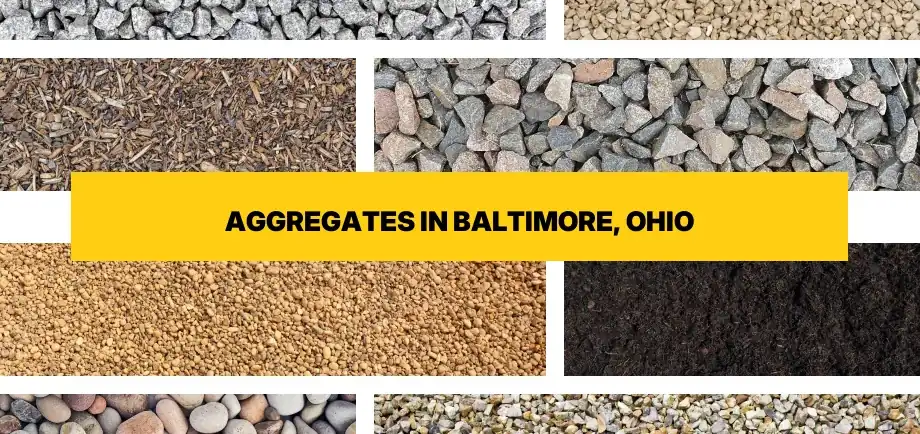
Baltimore's unique geology and Ohio's seasonal weather patterns demand quality aggregates that perform reliably year-round. We provide premium materials specifically suited for our region's clay-rich soil and variable climate conditions. Our inventory includes:
- Driveway Gravel - Premium base and surface materials engineered for Ohio's freeze-thaw cycles
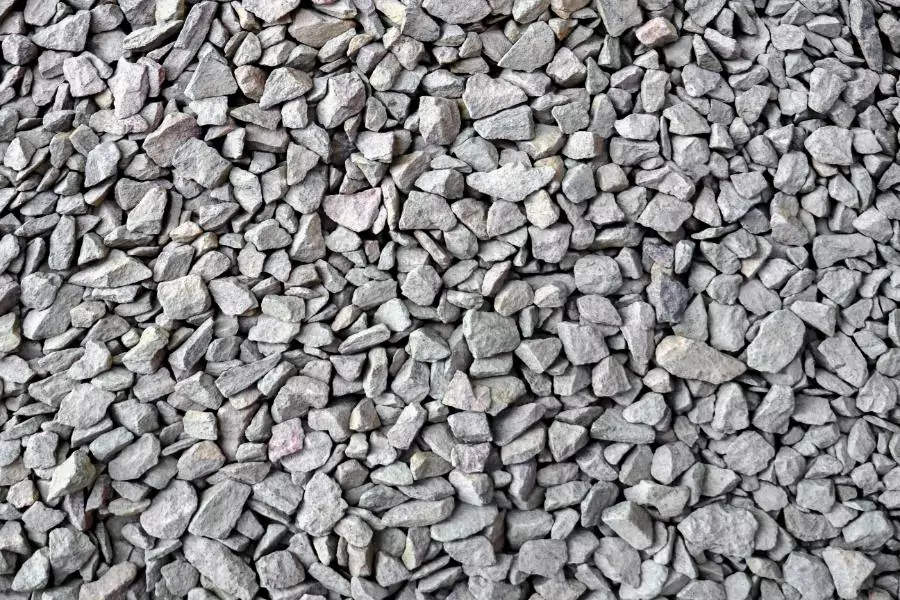
- 3/4 Inch Crushed Stone - Versatile angular aggregate for driveways, foundations, and drainage applications
- #57 Stone - Popular crushed stone ideal for drainage systems and concrete projects
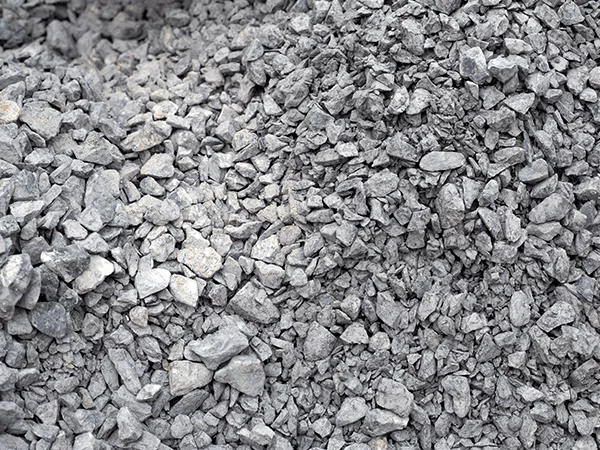
- Crusher Run - Compactable blend perfect for stable driveway bases and pathways
- Road Base - Heavy-duty aggregate for roads, parking areas, and high-traffic surfaces
- Pea Gravel - Smooth decorative stone for walkways, gardens, and landscaping features
- River Rock - Natural rounded stone in various sizes for aesthetic landscaping
- Drain Rock - Angular stone specifically sized for French drains and drainage solutions
- Topsoil - Nutrient-rich soil perfect for gardens, lawns, and raised beds
- Fill Dirt - Clean fill for grading, leveling, and large earthwork projects
- Crushed Concrete - Recycled eco-friendly aggregate for cost-effective base applications
- Mason Sand - Fine-grade sand for mortar mixing and masonry work
- Washed Sand - Clean sand for concrete mixing and construction applications
- Playground Sand - Safe, soft sand ideal for children's play areas
- Walkway Gravel - Perfectly sized aggregate for comfortable, stable garden paths
- Decomposed Granite - Natural compactable material for pathways and patios
Proudly Serving Baltimore and Surrounding Fairfield County Areas
Gravel Monkey delivers throughout Baltimore village and extends service to the wider Fairfield County region. We're familiar with the specific needs of properties across various neighborhoods and rural areas including downtown Baltimore's historic district, residential areas near Liberty Park Elementary School, properties along the Baltimore-Fairfield County Airport corridor, and rural homes throughout Pleasant Township.
Our delivery drivers know the local roads and can easily access properties near landmarks like Sherman Park, the Baltimore Reservoir area, and neighborhoods extending toward nearby communities such as Thurston, Pleasantville, Amanda, and Lancaster. Whether your project is in the village center or on a sprawling rural property off State Route 256, we provide the same reliable service and quality aggregates.
Understanding Baltimore's Soil and Climate Conditions
Baltimore sits in a region characterized by glacial till deposits and clay-rich soils typical of central Ohio. This geological heritage creates specific challenges for construction and landscaping projects. The heavy clay content means proper drainage solutions are essential, as water tends to pool rather than percolate naturally through the dense soil. This is why many Baltimore homeowners invest in French drain systems using angular drain rock and crushed aggregates to channel water away from foundations and prevent basement moisture issues.
Ohio's continental climate brings hot, humid summers with average July temperatures around 75°F and cold winters where January averages dip to 28°F. Baltimore receives approximately 40 inches of precipitation annually, distributed fairly evenly throughout the year. The freeze-thaw cycles common from late fall through early spring can wreak havoc on improperly constructed driveways and paths. As moisture in the soil freezes and expands, then thaws and contracts, poorly stabilized surfaces heave, crack, and deteriorate rapidly.
This weather pattern makes selecting the right aggregate foundation critical. A proper base of compacted crushed stone or crusher run provides drainage pathways that prevent water accumulation while creating a stable platform that resists frost heaving. Baltimore contractors understand that skimping on base materials leads to costly repairs within just a few years, especially on driveways and parking areas that experience regular vehicle traffic.
Choosing the Right Aggregate for Your Baltimore Project
Not all aggregates serve the same purpose, and selecting the appropriate material significantly impacts your project's longevity and performance. Here's how different materials compare for common applications around Baltimore:
| Material Type | Best Applications | Drainage Quality | Compaction Level |
|---|---|---|---|
| Crusher Run | Driveway base, pathways, parking areas | Good | Excellent |
| 3/4" Crushed Stone | Driveways, foundations, general base | Excellent | Very Good |
| #57 Stone | Drainage systems, concrete aggregate | Excellent | Good |
| Pea Gravel | Landscaping, garden beds, walkways | Very Good | Poor |
| Road Base | Heavy traffic areas, commercial drives | Good | Excellent |
| Drain Rock | French drains, foundation drainage | Superior | Moderate |
| Crushed Concrete | Budget-friendly bases, shed pads | Good | Very Good |
| Decomposed Granite | Natural pathways, patio surfaces | Moderate | Good |
For most residential driveways in Baltimore, we recommend starting with a six-inch base layer of crusher run, properly compacted and graded for drainage. This provides a stable foundation that handles Ohio's weather extremes. Top this with two to three inches of crushed stone for an attractive, durable surface that allows water to permeate rather than pooling on the surface.
Driveway Aggregates for Baltimore Homes
Baltimore driveways face unique stresses from seasonal temperature swings, clay soil expansion, and regular vehicle traffic. A properly constructed driveway requires more than just spreading gravel on the ground. The key lies in creating a layered system that manages water, provides stability, and resists frost damage.
Begin with excavating the driveway area to remove organic topsoil and create a uniform depth. For standard residential driveways, removing six to eight inches of material provides adequate room for base layers. Install landscape fabric to prevent clay soil from mixing upward into your aggregate base—this separation maintains drainage effectiveness over years of use.
The base layer typically consists of crusher run or road base, compacted in layers no more than four inches thick. Proper compaction is crucial; rent a plate compactor or hire a contractor with roller equipment. Each layer should be thoroughly compacted before adding the next. This creates the stable platform your driveway needs to resist settling and rutting, particularly important in Baltimore's expansive clay soils.
For the surface layer, many Baltimore homeowners choose three-quarter inch crushed stone. The angular edges interlock as vehicles pass over them, creating a firm surface that doesn't shift like rounded gravel. The gaps between stones allow water drainage while preventing the muddy conditions common with finer materials. Some prefer the cleaner appearance of pea gravel for the top inch, though this requires edging to prevent spreading into adjacent yards.
Solving Baltimore's Drainage Challenges
Few issues plague Baltimore homeowners more persistently than drainage problems. The region's clay-heavy soil acts almost like a barrier to water movement, causing saturation that leads to basement seepage, foundation settlement, and yard flooding. Spring rains and summer thunderstorms can overwhelm inadequate drainage systems, while winter snowmelt creates another wave of water management challenges.
French drains offer an effective solution for diverting water away from structures. These systems use perforated pipe surrounded by drain rock in a fabric-lined trench. Water enters through the aggregate and pipe perforations, then flows to a lower discharge point. The angular stone maintains void spaces that won't clog with sediment—critical for long-term performance.
Around foundations, proper grading combined with a perimeter drainage system protects against water intrusion. Slope soil away from the house at a rate of at least six inches over the first ten feet. Install drain rock along the foundation, wrapped in filter fabric to prevent fine soil particles from clogging the system. Route collected water to storm drains, drainage swales, or rain gardens rather than simply dumping it in a low area where it creates new problems.
Yard drainage solutions might include dry creek beds using river rock and larger stones to channel water during rain events while providing an attractive landscape feature during dry periods. Surface swales—gentle depressions lined with smaller gravel—move water across properties toward appropriate discharge points. These visible drainage features work well in Baltimore's rolling terrain, following natural contours while protecting structures and preventing erosion.
Decorative Aggregates for Baltimore Landscaping
Beyond functional applications, aggregates add texture, color, and visual interest to landscape design. Baltimore homeowners increasingly incorporate stone elements that reduce maintenance while creating attractive outdoor spaces. Pea gravel pathways wind through garden beds, river rock borders define planting areas, and decomposed granite patios offer natural alternatives to concrete.
Garden bed mulching with stone provides advantages over organic mulches in our climate. Unlike wood chips that decompose and require annual replacement, river rock and pea gravel remain attractive for years. They don't harbor pests, won't blow away in storms, and create excellent drainage around plant roots—particularly beneficial for species that prefer drier conditions or in areas where Baltimore's clay soil stays too wet.
Water features gain natural beauty from carefully selected aggregates. Pond edges transition smoothly with graduated sizes of river rock. Fountain bases and stream beds use rounded stones that soften hardscape elements while maintaining that important connection to natural waterways. The right aggregate selection makes artificial features blend seamlessly into the surrounding landscape.
Play areas for children benefit from specialized aggregates designed for safety and comfort. Playground sand creates soft landing zones under swing sets and climbing structures. Proper depth—typically twelve inches under equipment—provides cushioning that protects against falls. Regular maintenance includes raking to maintain depth and occasional additions to replace material displaced during active play.
Aggregate Supply for Baltimore Contractors and Commercial Projects
Construction professionals and commercial property managers throughout Fairfield County rely on Gravel Monkey for consistent aggregate quality and dependable delivery. Large projects demand materials that meet specifications, arrive on schedule, and provide the performance contractors stake their reputations on.
Commercial parking lot construction requires substantial quantities of base materials. Road base provides the load-bearing capacity needed for heavy vehicle traffic, compacting to create a stable platform for asphalt or concrete paving. Proper base thickness—often twelve to eighteen inches for parking lots—prevents settling and premature pavement failure. Contractors appreciate our ability to coordinate multiple deliveries, spacing loads to match construction schedules without expensive material storage.
Utility installations around Baltimore frequently need select backfill materials. Mason sand compacts around pipes and conduits without creating voids, supporting infrastructure while allowing for necessary settling. Clean fill dirt provides economical material for large volume backfilling while meeting engineering requirements for compaction and stability.
Landscaping contractors serving commercial properties order bulk materials for efficient project completion. Restaurant patios using decomposed granite, apartment complex walkways with pea gravel, and office park drainage solutions with crushed stone—all require reliable suppliers who understand professional standards and timeline pressures.
Aggregates for Rural Properties and Agricultural Applications
Baltimore's surrounding countryside includes numerous agricultural operations and rural residential properties with unique aggregate needs. Farm lanes, equipment yards, livestock areas, and rural driveways present challenges different from suburban residential applications.
Agricultural access roads must support heavy equipment—tractors, loaded trailers, and harvest machinery—often during wet conditions when fields are muddy. A substantial base of crusher run topped with larger crushed stone creates all-weather access that prevents rutting and maintains firm surfaces. Proper crown to the road center encourages water runoff to ditches rather than ponding on the driving surface.
Equipment storage areas and barnyard surfaces benefit from crushed concrete or road base—materials that compact firmly while remaining economical for large areas. Good drainage in these high-traffic zones prevents muddy conditions that damage equipment and create safety hazards. Many farms install perimeter drainage using crushed stone to manage runoff from buildings and paved areas.
Rural residential properties often feature longer driveways requiring more material than typical suburban installations. Balancing cost with performance becomes important. Using crushed concrete for base layers reduces expense while providing adequate stability. Reserve premium crushed stone for the final surface layer near the house where appearance matters most.
Sustainable Aggregate Solutions for Baltimore
Environmental consciousness influences material selection for many Baltimore property owners. Recycled aggregates like crushed concrete provide eco-friendly alternatives to virgin stone while delivering comparable performance for many applications. By diverting construction waste from landfills, recycled materials reduce environmental impact without compromising project quality.
Permeable paving solutions using larger aggregates allow rainwater infiltration, reducing stormwater runoff that overwhelms municipal systems. As Ohio increasingly focuses on stormwater management, property owners find that aggregate driveways and parking areas can qualify for incentives or reduce stormwater fees compared to impervious surfaces.
Local sourcing minimizes transportation distances, reducing fuel consumption and emissions associated with material delivery. Gravel Monkey prioritizes regional suppliers, ensuring Baltimore customers receive quality aggregates while supporting sustainable practices throughout the supply chain.
Natural landscaping using stone mulches conserves water by reducing evaporation from soil surfaces. Unlike organic mulches that decompose and release carbon, inorganic aggregates maintain their beneficial properties indefinitely without environmental degradation. In Baltimore's summer heat, these materials help conserve irrigation water while keeping plant roots cooler than bare soil.
Professional Installation Tips for Baltimore Property Owners
Successful aggregate projects require proper preparation and installation techniques. Whether tackling a DIY project or hiring contractors, understanding best practices ensures lasting results that perform well in Baltimore's challenging conditions.
Site Preparation Fundamentals
Clear vegetation and organic material from the project area completely. Roots, grass, and topsoil decompose over time, creating voids that cause settling. Excavate to proper depth based on your application—driveways typically need six to eight inches of total base depth, while pathways might require only four inches.
Grade the excavated area for proper drainage. Water should flow away from structures and toward designated drainage areas. A two percent slope—approximately one-quarter inch per foot—provides adequate drainage without being noticeable. Check grades with a long level or builder's string lines before adding materials.
Fabric and Edging
Install geotextile fabric over the excavated area to separate native soil from imported aggregates. This prevents clay from migrating upward into stone layers while allowing water to drain downward. Overlap fabric edges by at least twelve inches and bring material up the sides of the excavation.
Solid edging contains loose aggregates and maintains clean borders. Options include treated lumber, steel edging, concrete curbs, or Belgian blocks. Secure edging firmly—aggregates exert surprising lateral pressure, and inadequate securing leads to spreading and edge failures.
Layer Installation and Compaction
Add base materials in layers no thicker than four inches. Attempting to compact thicker layers results in well-compacted surface material over loose, uncompacted aggregate below—a recipe for future failure. Rake each layer level before compacting.
Compact each layer thoroughly using appropriate equipment. Hand tampers work for small areas but prove exhausting for larger projects. Rent a plate compactor for driveways and walkways. Make multiple passes, overlapping slightly, until no visible movement occurs under the compactor's weight.
Add surface layers after base compaction is complete. These materials don't require the same compaction intensity since they're not load-bearing. Spread to uniform depth and rake smooth, then water lightly to settle fines into voids.
Maintaining Your Aggregate Installations
Proper maintenance extends the life of aggregate projects and keeps them looking attractive. Baltimore's seasonal changes create specific maintenance requirements worth understanding.
Spring brings snowmelt and rain that can erode drainage channels and create potholes in gravel driveways. Walk your property as ground thaws, identifying areas where water has undermined materials or created depressions. Add fresh aggregate to low spots and reshape drainage features to maintain proper water flow.
Summer heat and traffic can create ruts in gravel surfaces. Periodic raking redistributes material and smooths the surface. For driveways, drag a section of chain-link fence or landscape rake behind a vehicle to level extensive areas quickly. Water lightly after raking to help fines settle and bind surface materials.
Fall preparation includes clearing leaves and organic debris from aggregate areas. Decomposing vegetation creates a layer of soft material that reduces surface stability and encourages weed growth. Clean aggregates before winter to prevent organic matter from freezing into the stone matrix.
Winter requires careful snow removal techniques. Avoid metal blades that gouge into gravel when plowing—use skid shoes or shoes on plow blades to maintain clearance. Some property owners mark driveway edges with stakes to prevent plowing off the prepared surface. Salt and ice melt products work without harming stone materials, though excessive use can eventually affect base materials.
Frequently Asked Questions About Aggregates in Baltimore, Ohio
Crushed stone features angular edges from mechanical crushing of larger rock, providing excellent compaction and stability for driveways and bases. Gravel typically refers to naturally rounded stone from riverbeds or glacial deposits. The angular nature of crushed stone makes it superior for most structural applications in Baltimore, while rounded gravel serves better for decorative landscaping where softer appearance is desired.
For residential driveways in Baltimore's clay soil, install a minimum six-inch compacted base of crusher run or road base, topped with two to three inches of crushed stone surface material. High-traffic areas or locations with poor drainage may require eight to ten inches of base. Commercial applications often need twelve inches or more depending on expected loads and soil conditions.
Pea gravel alone does not provide adequate stability for driveways. The rounded stones don't interlock and shift easily under vehicle traffic and during turning. However, pea gravel works well as a decorative top layer over a properly compacted crushed stone base. Many Baltimore homeowners use this combination for attractive driveway surfaces, though it requires edging to prevent spreading.
Muddy conditions result from inadequate base preparation and poor drainage. Install geotextile fabric over native soil before adding base materials—this prevents clay from mixing upward. Use sufficient base depth with proper compaction, and ensure crown or cross-slope to shed water to edges. If mud persists, drainage improvements like perimeter swales or French drains may be necessary to lower groundwater levels.
For chronically wet areas, install French drains using angular drain rock before addressing surface concerns. Once drainage is improved, crusher run or road base compacted firmly provides stable surfaces even in moist conditions. The fines in these materials bind when compacted, creating a firm surface that sheds water rather than absorbing it like looser aggregates.
Never install aggregates directly over grass or vegetation. Organic material decomposes, creating voids that cause settling and failure. Remove all grass, roots, and topsoil before installation. Excavate to proper depth, install landscape fabric, then add base and surface materials. This extra preparation work prevents problems that plague improperly installed aggregate projects.
Well-constructed driveways with proper base require only occasional surface refreshing—typically every three to five years for residential use. Add a one to two inch layer of matching surface material, rake smooth, and compact lightly. Driveways needing frequent topping indicate base problems or inadequate initial construction that should be addressed rather than repeatedly adding surface material.
For long agricultural access roads, crushed concrete provides an economical base material that performs well under heavy equipment. Top with recycled asphalt millings or crusher run for improved surface. This combination balances cost with durability for the large quantities needed for extensive farm lanes common in rural Baltimore areas.
Delivering Quality Aggregates Throughout Baltimore and Fairfield County
Our service extends across Baltimore village and surrounding areas including Pleasant Township, Millersport, Thurston, Amanda, Pleasantville, and Lancaster. We deliver to residential neighborhoods near Liberty Park Elementary, commercial properties along State Route 256, rural farms throughout the county, and everything in between. Baltimore's central Ohio location places us within easy reach of multiple aggregate suppliers, ensuring competitive pricing and diverse material options for every project type.
Local contractors, landscapers, and property owners trust our commitment to quality materials and reliable delivery. We understand Baltimore's specific needs—from managing clay soil challenges to selecting aggregates that withstand Ohio's temperature extremes. This local knowledge combined with premium materials and free delivery makes us the preferred aggregate supplier for projects large and small throughout the region.
Start Your Baltimore Aggregate Project Today
Whether you're planning a new driveway in downtown Baltimore, solving drainage issues on a rural property, or creating beautiful landscaping near the reservoir, quality aggregates form the foundation of successful projects. Our extensive selection ensures you'll find exactly the right materials for your specific needs, and our free delivery removes one of the major obstacles to getting started.
Contact Gravel Monkey today to discuss your project requirements. Our team understands Baltimore's unique conditions and can recommend the ideal aggregate solutions for your property. With premium materials, expert guidance, and dependable service, we make your aggregate project simple and successful from planning through completion.

Need help? Reach out for a quote: