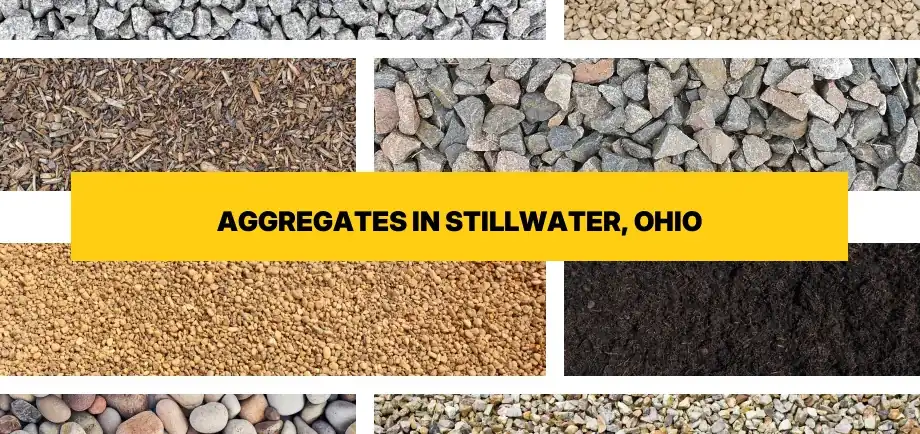
Sand, Aggregates & Gravel for Stillwater, Ohio
Local Topsoil, Dirt, Sand, Rocks and Gravel near me in Stillwater, Ohio
Shop Aggregates for Delivery in Stillwater
Order online for free delivery to any Stillwater address.


Gravel Monkey delivers premium aggregates and construction materials directly to properties throughout Stillwater, Ohio. Located in Miami County along the Stillwater River, this community benefits from our comprehensive selection of gravel, stone, sand, and soil products delivered free to residential and commercial sites. Whether you're upgrading a driveway near Pleasant Hill, improving drainage along County Road 25A, or working on landscaping projects in the Covington area, we provide the quality aggregates your project demands with reliable service you can count on.
Complete Aggregate Selection for Stillwater Projects
Our extensive inventory serves every construction, landscaping, and maintenance need across Stillwater and Miami County. We stock the aggregates contractors and homeowners rely on for lasting results in Ohio's challenging climate.
- Driveway Gravel - Premium base material that handles Stillwater freeze-thaw cycles
- 3/4 inch Crushed Stone - Versatile aggregate for foundations and drainage applications
- #57 Stone - Industry-standard aggregate for French drains and concrete work
- Crusher Run - Compactable base that creates rock-solid driveways and parking areas
- Road Base - Engineered foundation material for load-bearing surfaces
- Pea Gravel - Decorative stone for walkways and landscape beds
- River Rock - Natural rounded stone from Ohio waterways
- Drain Rock - Specifically sized for efficient water management systems
- Crushed Concrete - Eco-friendly recycled aggregate alternative
- Topsoil - Rich growing medium for gardens and lawn establishment
- Fill Dirt - Clean fill for grading and elevation adjustments
- Mason Sand - Fine sand for mortar and masonry applications
- Washed Sand - Clean sand for multiple construction uses
- Playground Sand - Safety-tested sand for play areas
- Decomposed Granite - Natural pathway material with excellent compaction
- Walkway Gravel - Ideal aggregate blend for pedestrian paths
Serving Stillwater and Surrounding Miami County Areas
Our delivery fleet reaches every corner of the Stillwater region, from residential neighborhoods to rural properties and commercial sites. We regularly deliver aggregates throughout these communities:
Core Stillwater Area: Properties along State Route 48, County Road 25A, and surrounding the historic Stillwater River corridor receive regular deliveries. Homes near Ludlow Creek and the Pleasant Hill Lake area depend on our aggregates for driveway maintenance and landscaping projects.
Pleasant Hill & Covington: These nearby communities frequently order aggregates from Gravel Monkey for both residential and agricultural applications. The rolling terrain in this area requires quality base materials for stable driveways and farm lanes that withstand heavy equipment.
Troy & Piqua Region: While serving Stillwater as our focus area, we extend free delivery to neighboring Troy and Piqua locations. These larger Miami County communities access the same premium aggregates and professional service.
Bradford & Laura: Rural properties in these western Miami County townships rely on our aggregate delivery for maintaining long driveways, building pads, and drainage solutions essential in Ohio's agricultural regions.
Tipp City Area: Just south of Stillwater, Tipp City residents order crushed stone and gravel for projects ranging from home renovations to new construction throughout this growing community.
Selecting the Right Aggregate for Your Stillwater Project
Understanding aggregate characteristics helps ensure project success in Stillwater's specific soil and climate conditions. Miami County sits within Ohio's glacial till plain, characterized by clay-rich soils with high plasticity. This soil type, combined with average annual precipitation of 39 inches and temperature swings from below zero to over 90 degrees Fahrenheit, demands properly selected aggregates.
Driveway Construction and Repair
Stillwater driveways face unique challenges from freeze-thaw cycling and clay soil expansion. The proper aggregate foundation prevents costly settling and cracking. Start with a base layer of compactable material that sheds water while providing stability. Many Stillwater contractors prefer a two-layer approach: base course followed by surface aggregate.
For base layers, select materials that compact tightly and resist frost penetration. The angular nature of crushed stone creates interlocking that withstands vehicle weight and seasonal ground movement common along the Stillwater River valley. Plan for minimum 4-inch depth on residential driveways, increasing to 6-8 inches for commercial traffic or clay-heavy soils.
Surface aggregate selection depends on usage patterns and aesthetic preferences. Crushed limestone or granite in three-quarter inch size provides excellent traction while maintaining a clean appearance. Properties with minimal traffic might choose pea gravel for a softer look, though this requires edge restraint to prevent migration.
Drainage Solutions for Clay Soils
Stillwater's clay-heavy soils retain moisture, creating drainage challenges that damage foundations, flood basements, and saturate lawns. Proper aggregate selection in drainage systems directs water away efficiently while filtering sediment that would clog pipes.
French drain installations require clean, angular stone sized to allow water flow while supporting filter fabric. The one-inch clear space in properly installed drain rock prevents clogging over time. Position drainage systems to intercept water before it reaches structures, following natural grade toward suitable discharge points.
Foundation perimeter drainage protects basements common in older Stillwater homes. Install a continuous loop of perforated pipe surrounded by drain aggregate, sloped to daylight or sump pit. This system intercepts groundwater before it builds hydrostatic pressure against foundation walls.
Base Preparation for Concrete and Pavement
Quality base preparation determines concrete and asphalt longevity. Miami County's expansive clay soils heave during freeze-thaw cycles, cracking improperly supported slabs. Remove unsuitable clay soil and replace with properly compacted aggregate base before pouring concrete.
Garage floors, patios, and sidewalk projects benefit from a granular base that provides uniform support while draining moisture. Compact base material in lifts no thicker than 6 inches, achieving 95% standard proctor density. This prevents differential settlement that causes concrete cracking.
Larger projects like parking lots or commercial pads require engineered specifications, but the principle remains consistent: stable, well-drained aggregate base prevents pavement failure. Test results confirm our aggregates meet ODOT specifications for Ohio construction projects.
Aggregate Comparison Guide for Stillwater Applications
Selecting the optimal material requires understanding how different aggregates perform in specific applications. This comparison highlights key characteristics relevant to Stillwater projects:
| Aggregate Type | Primary Uses | Compaction | Drainage | Best For |
|---|---|---|---|---|
| Crusher Run | Driveway base, parking areas | Excellent | Good | High-traffic surfaces needing stability |
| 3/4" Crushed Stone | Foundations, drainage layers | Very Good | Excellent | Versatile applications requiring drainage |
| #57 Stone | French drains, concrete base | Good | Excellent | Drainage systems and pipe bedding |
| Pea Gravel | Walkways, decorative beds | Fair | Good | Low-traffic aesthetic applications |
| Crushed Concrete | Base layers, fill applications | Excellent | Very Good | Cost-effective base material |
| Road Base | Heavy-duty foundations | Excellent | Good | Commercial driveways and roads |
| River Rock | Landscaping, water features | Poor | Fair | Decorative applications only |
| Mason Sand | Mortar, concrete mix | Poor | Poor | Masonry and cement work |
Seasonal Planning for Stillwater Aggregate Projects
Ohio's distinct seasons influence aggregate project timing and material selection. Understanding these patterns helps Stillwater property owners schedule work for optimal results.
Spring Installation Considerations
Spring brings increased precipitation and ground thaw to Miami County. April and May average 4 inches of rainfall monthly, saturating soils and creating muddy conditions. Early spring ground thaw reveals winter damage to driveways and exposes drainage inadequacies.
Schedule aggregate deliveries after ground thoroughly thaws and surface water drains. Installing aggregates over frozen ground or saturated soil creates settlement problems later. Use this season for planning and ordering materials, with installation beginning once consistent dry weather arrives in late May.
Summer Construction Season
June through August provides ideal conditions for aggregate projects in Stillwater. Warm temperatures and lower humidity allow proper compaction and settling. Ground moisture content reaches optimal levels for working with clay soils common throughout the area.
This peak construction season sees highest demand for aggregates. Order materials 3-5 days ahead to ensure timely delivery. Complete projects before fall rains arrive, allowing aggregates time to settle and compact naturally before winter freeze-thaw stress begins.
Fall Preparation
September and October offer excellent conditions for aggregate work before winter. Moderate temperatures and typically dry weather allow projects to cure properly. Many Stillwater property owners address driveway issues identified during summer, preparing for winter plowing stress.
Complete drainage improvements during fall to handle spring melt. Installing French drains or regrading before ground freezes prevents water accumulation against foundations during winter and spring thaw periods.
Winter Planning
Stillwater winters bring freezing temperatures, snow, and ice from December through March. Ground freezes 18-24 inches deep, preventing excavation and proper compaction. Use winter months for project planning, material selection, and scheduling spring delivery.
Emergency aggregate deliveries remain available for immediate drainage issues or access problems. Winter deliveries require consideration for ground conditions and access limitations. Plan non-urgent projects for spring installation when conditions optimize results.
Understanding Stillwater Soil Conditions and Geology
Miami County lies within the Till Plains physiographic region, characterized by glacial deposits from the Wisconsin glaciation period. These deep deposits created the clay-rich soils dominating Stillwater landscapes. The Stillwater River valley adds alluvial soil deposits with higher sand and silt content near the waterway.
Predominant soil types include Pewamo clay loam and Blount silt loam, both classified as poorly drained soils with high clay content. These soils expand when wet and shrink when dry, creating movement that stresses structures and hardscapes. The high plasticity index means proper aggregate base becomes critical for any construction project.
The water table fluctuates seasonally, rising during spring melt and fall rains. Properties near Ludlow Creek and the Stillwater River face elevated water tables requiring careful drainage design. Understanding local geology helps select aggregates that perform reliably in these conditions.
Bedrock consists primarily of limestone and dolomite deposits approximately 40-60 feet below surface grade. While too deep to affect most residential projects, this bedrock composition influences groundwater chemistry and drainage patterns throughout the region.
Professional Installation Guidelines for Stillwater Properties
Proper installation techniques maximize aggregate performance and project longevity. Following established best practices prevents common failures seen in Miami County projects.
Site Preparation and Excavation
Begin all projects by removing unsuitable material. Stillwater's clay soils often require excavation to stable subgrade or replacement with granular base. Remove topsoil, organic matter, and soft clay to reach firm bearing material.
Excavation depth depends on project type and soil conditions. Residential driveways typically require 8-12 inches total depth: 4-6 inches base aggregate plus 3-4 inches surface material. Commercial applications demand deeper excavation and thicker base layers.
Grade the prepared subgrade to drain water away from structures. Minimum 2% slope directs surface water off driveways and parking areas. Install French drains where natural drainage proves inadequate, particularly in low-lying areas common along the Stillwater River floodplain.
Aggregate Placement and Compaction
Place aggregate base in lifts no thicker than 6 inches for proper compaction. Thicker lifts prevent adequate density throughout material depth, creating settlement over time. Mechanical compaction with a plate tamper or roller achieves required density specifications.
Moisture content during compaction affects results significantly. Slightly damp aggregate compacts better than bone-dry or saturated material. Spray water lightly during dry weather, or allow wet aggregate to drain before compacting.
Compact base layers to 95% standard proctor density for driveway applications. Commercial projects or clay soil conditions may require higher density. Verify compaction with a nuclear density gauge on critical projects, though most residential work proceeds with visual inspection and hand testing.
Edge Restraint and Containment
Install edge restraint on all aggregate surfaces to prevent migration. Driveways benefit from buried edge boards or concrete curbing. Walkways and pathways need metal or plastic edging secured with stakes. Even parking areas require definition to maintain clean borders and prevent aggregate spread.
Edge restraint also provides transition between aggregate surfaces and adjacent lawns or landscaping. This physical barrier prevents grass intrusion while creating a maintenance edge for mowing and trimming.
Aggregate Maintenance for Stillwater Climate Conditions
Regular maintenance extends aggregate surface life and maintains optimal appearance. Ohio weather creates specific maintenance needs throughout the year.
Seasonal Maintenance Schedule
Spring requires addressing winter damage. Snow plowing often displaces surface aggregate, creating thin spots and bare areas. Rake aggregate evenly across surfaces, adding fresh material where needed. Spring rains may reveal drainage inadequacies requiring attention before problems worsen.
Summer maintenance focuses on weed control and surface grooming. While aggregate surfaces resist most weed growth, occasional sprouting occurs. Apply landscape fabric beneath aggregate during installation to minimize weed issues. Hand-pull weeds promptly or use targeted herbicide applications avoiding surrounding plantings.
Fall preparation includes cleaning fallen leaves and debris that traps moisture and stains lighter-colored aggregates. Remove organic material before it decomposes, creating uneven surfaces and encouraging weed growth. Top-dress thin areas with matching aggregate before winter weather arrives.
Winter maintenance involves snow removal without damaging aggregate surfaces. Use plastic-edged shovels rather than metal blades that scrape away surface material. Set snow blower and plow heights to avoid digging into aggregate. Apply ice melt products sparingly, choosing calcium chloride over rock salt that can cause concrete spalling on adjacent surfaces.
Long-Term Upkeep
Every 3-5 years, plan to refresh aggregate surfaces with a thin layer of new material. Even well-compacted driveways gradually settle and compact further, especially in high-traffic areas. A one-inch top dressing restores appearance and maintains proper drainage characteristics.
Address grade changes promptly. Settling near building foundations or along driveway edges indicates subsurface issues requiring investigation. Adding surface aggregate without correcting underlying problems provides only temporary improvement.
Sustainable Aggregate Options and Environmental Considerations
Environmentally conscious property owners in Stillwater increasingly choose sustainable aggregate options that reduce environmental impact while delivering excellent performance.
Recycled crushed concrete offers the most significant environmental benefit. This material diverts concrete from landfills while providing aggregate that performs comparably to virgin stone in most applications. Crushed concrete works excellently for driveway bases, parking areas, and fill projects throughout Miami County.
The production process for recycled aggregates requires less energy than quarrying and crushing virgin stone. This reduces carbon footprint while lowering costs. Many Stillwater contractors and property owners specifically request recycled materials for environmental building projects.
Permeable aggregate surfaces support sustainable stormwater management. Rather than creating impervious surfaces that increase runoff, properly designed aggregate driveways and patios allow rainwater infiltration. This reduces strain on Stillwater's drainage infrastructure while recharging groundwater supplies.
Consider native materials for landscaping applications. River rock sourced from Ohio waterways supports local economies while reducing transportation distances. These materials naturally complement regional architecture and landscaping styles developed around local stone types.
Commercial and Agricultural Aggregate Applications
Beyond residential projects, Stillwater's commercial and agricultural properties rely on quality aggregates for operational infrastructure. Farms, businesses, and institutions throughout Miami County use our materials for heavy-duty applications.
Agricultural Operations
Farm lanes and equipment access roads require aggregates that withstand heavy machinery and seasonal stress. Many agricultural properties near Bradford and Laura use road base or crusher run for lanes accessing fields and buildings. These materials compact firmly while maintaining trafficability during wet weather common in spring planting season.
Barn floors and livestock areas benefit from well-drained aggregate surfaces. Proper drainage prevents mud accumulation that creates unhealthy conditions and equipment problems. Install geotextile fabric beneath agricultural aggregate surfaces to prevent mixing with underlying clay soils.
Commercial Construction
Business development in the Troy and Piqua areas requires substantial aggregate quantities for site preparation. Building pads, parking lots, and loading docks all need proper base material meeting engineering specifications. We supply aggregates tested and certified for commercial construction throughout Miami County.
Municipal and Institutional Projects
Schools, parks, and public facilities use aggregates for walkways, drainage improvements, and landscape features. Playground areas require safety-tested sand meeting ASTM standards. Athletic fields need proper drainage layers beneath turf to maintain playability during Ohio's variable weather conditions.
Frequently Asked Questions About Aggregates in Stillwater
We deliver a complete range including driveway gravel, crushed stone in multiple sizes, number 57 stone, pea gravel, river rock, crusher run, road base, drain rock, recycled concrete, topsoil, fill dirt, and various sand types throughout Stillwater and surrounding Miami County areas.
Yes! Gravel Monkey provides FREE delivery to Stillwater and the surrounding Ohio region for all aggregate and material orders. We serve properties throughout Miami County with no hidden delivery charges.
Calculate your needs by measuring length times width times depth in feet. For a typical driveway, plan for 4 inches of depth. A 20 foot by 30 foot driveway at 4 inches deep requires approximately 7.5 cubic yards. Our team helps Stillwater customers calculate exact amounts.
Given Stillwater clay-heavy soils and proximity to the Stillwater River, number 57 stone and drain rock provide excellent drainage. These aggregates allow water to flow freely while preventing soil migration, which is essential for managing our area precipitation patterns.
Absolutely! Crushed concrete is an eco-friendly alternative that performs excellently for driveways, base layers, and fill applications in Stillwater. It compacts well and costs less than virgin stone while being environmentally sustainable.
We offer mason sand for mortar and concrete work, washed sand for clean applications, and playground sand for safe play areas. Each sand type is screened and processed to meet specific project requirements throughout the Stillwater area.
We typically deliver aggregates to Stillwater properties within 1-3 business days of order placement. During peak construction season in spring and summer, we recommend ordering a few days in advance to secure your preferred delivery date.
Crusher run and three quarter inch crushed stone handle Stillwater freeze-thaw cycles exceptionally well. These materials compact tightly while allowing drainage, preventing frost heave damage common in Ohio winters. They remain stable through our humid summers as well.
Professional Aggregate Delivery Throughout Stillwater
Gravel Monkey combines extensive aggregate selection with reliable delivery service throughout Stillwater and Miami County. Our materials meet specifications for residential, commercial, and agricultural applications across Ohio. Whether refreshing an existing driveway along County Road 25A, installing drainage systems near the Stillwater River, or starting new construction in the Pleasant Hill area, we deliver the aggregates your project requires.
Every delivery arrives on schedule with materials matched to your specific application needs. Our team understands Stillwater soil conditions, climate challenges, and local construction practices. This experience helps property owners select optimal materials while avoiding common mistakes that lead to project failures.
Free delivery throughout the Stillwater region makes professional-grade aggregates accessible for projects of any size. From single-yard deliveries for small repairs to bulk orders for major construction, we serve Stillwater properties with the same commitment to quality and service. Contact us today to discuss your aggregate needs and schedule delivery to your Miami County location.

Need help? Reach out for a quote: