Shop Bulk Materials & Gravel in Ansonia, Ohio
Local Topsoil, Dirt, Sand, Rocks and Gravel near me in Ansonia, Ohio
Shop Aggregates for Delivery in Ansonia
Order online for free delivery to any Ansonia address.


Gravel Monkey is your trusted source for premium gravel, crushed stone, and aggregate delivery in Ansonia, Ohio. Whether you're building a new driveway along State Route 47, creating proper drainage near the Greenville Creek watershed, or undertaking construction projects throughout Darke County, we deliver high-quality aggregates directly to your property with absolutely free delivery. Our materials are specifically selected to handle Ohio's challenging clay soils and freeze-thaw cycles that define our regional climate.
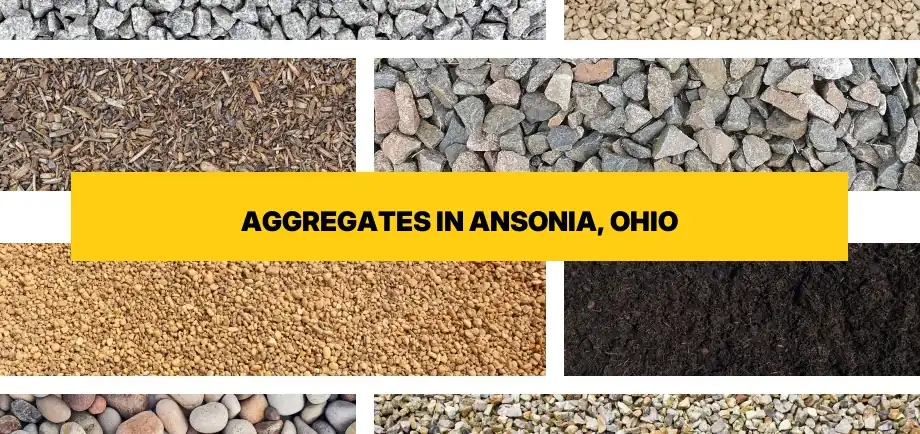
Complete Aggregate & Material Selection for Ansonia Projects
Ansonia's location in western Ohio presents unique challenges for construction and landscaping projects. The region's heavy clay soils, coupled with average annual precipitation of 38 inches and temperature swings from below zero in winter to the 80s in summer, demand aggregates that can handle moisture, compaction, and thermal cycling. Gravel Monkey provides a comprehensive range of materials engineered for Darke County conditions:
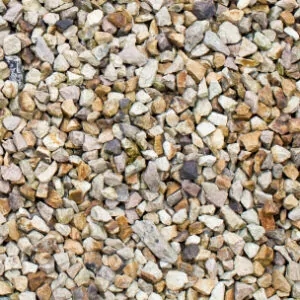
- Driveway Gravel - Premium base material that compacts firmly for lasting residential and commercial driveways
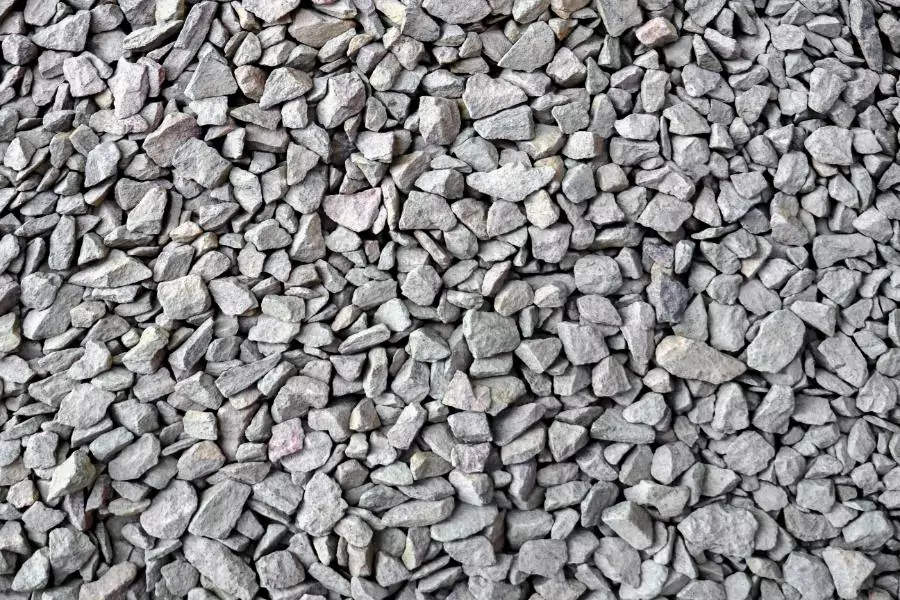
- 3/4 inch Crushed Stone - Versatile aggregate ideal for foundations, drainage layers, and driveway bases
- #57 Stone - Industry-standard crushed stone for concrete mixes, drainage applications, and base layers
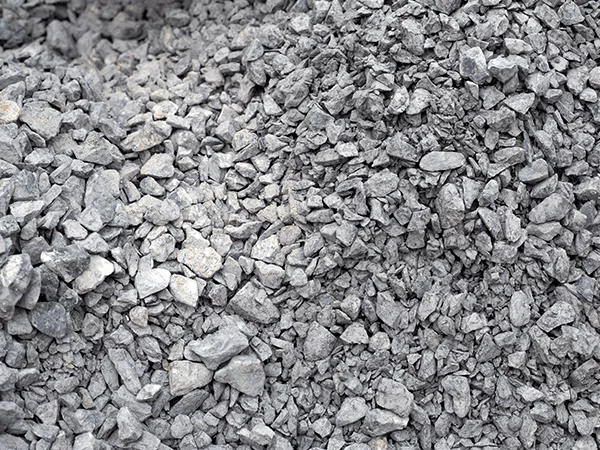
- Crusher Run - Excellent compactable base material combining stone sizes from dust to 3/4 inch
- Road Base - Heavy-duty aggregate for roads, parking areas, and high-traffic surfaces
- Pea Gravel - Smooth, rounded stones perfect for walkways, patios, and decorative applications
- Walkway Gravel - Specially sized aggregate for comfortable, attractive pedestrian paths
- River Rock - Natural decorative stone for gardens, water features, and aesthetic accents
- Drain Rock - Engineered for optimal water flow in French drains and foundation systems
- Crushed Concrete - Eco-friendly recycled aggregate for cost-effective base applications
- Topsoil - Nutrient-rich soil for gardens, lawns, and planting beds
- Fill Dirt - Essential for grading, leveling, and filling low spots on your property
- Mason Sand - Fine-grade sand for mortar, paver setting, and construction applications
- Playground Sand - Safe, clean sand for children's play areas
- Washed Sand - Clean sand for concrete, landscaping, and construction uses
- Decomposed Granite - Natural, permeable surface material for pathways and patios
Serving All of Ansonia and Surrounding Darke County Communities
Our aggregate delivery service reaches every corner of Ansonia and extends throughout the greater Darke County region. We regularly deliver to properties along State Route 47, the historic downtown district near Ansonia Elementary School, residential areas surrounding the Ansonia Community Park, and agricultural properties throughout the township. Our drivers are familiar with local roads and can navigate everything from the compact streets near the Ansonia Public Library to larger farm lanes throughout the rural countryside.
Beyond Ansonia proper, we serve neighboring communities including Greenville to the north, Versailles to the south, Bradford to the west, and Arcanum to the east. Whether your project is located near the Darke County Fairgrounds, along the Greenville Creek watershed, or in the agricultural heartland between these communities, Gravel Monkey provides reliable, free delivery of premium aggregates and materials.
Understanding Ansonia's Soil and Climate Conditions
Successful aggregate projects in Ansonia require understanding the region's unique geological and climatic characteristics. Western Ohio's landscape was dramatically shaped by glacial activity during the Wisconsin glaciation period, leaving behind deep deposits of clay-rich till and poorly drained soils. This heavy clay composition means proper drainage and base preparation are critical for any construction project.
The Blount-Pewamo soil complex dominates much of Ansonia and surrounding Darke County. These soils are characterized by high clay content, poor internal drainage, and significant expansion-contraction with moisture changes. When wet, these soils become plastic and unstable; when dry, they shrink and crack. This behavior makes proper aggregate base layers absolutely essential for driveways, foundations, and any load-bearing surface.
Climate factors further complicate construction considerations. Ansonia experiences average winter lows around 18°F with frequent freeze-thaw cycles between December and March. Annual precipitation averages 38 inches, distributed fairly evenly throughout the year but with slightly higher amounts in spring and early summer. This combination of clay soils, freeze-thaw cycling, and consistent moisture means aggregates must provide excellent drainage while creating stable, compactable bases that resist frost heave and settling.
Aggregate Applications Throughout Ansonia
Residential Driveways and Home Access
Driveways represent one of the most common aggregate applications in Ansonia. The key to a long-lasting driveway in our clay soils starts with proper excavation and a solid base layer. Many homeowners throughout the village and surrounding township areas choose our crusher run or road base for the foundation layer. These materials compact extremely well and create a stable platform that resists the settling common in clay soils.
For the surface layer, options vary based on aesthetics and budget. Traditional driveway gravel provides an economical, durable surface that handles vehicle traffic well. Some property owners prefer the uniform appearance of crushed stone or opt for recycled crushed concrete as an environmentally conscious and cost-effective alternative. The #57 stone works excellently as an intermediate layer, providing additional stability while promoting drainage.
Agricultural and Rural Property Access
Ansonia's agricultural heritage means many properties require durable farm lanes, equipment access roads, and barnyard surfaces. The heavy machinery used in modern farming demands aggregates that can handle significant weight without rutting or failing. Road base and crusher run excel in these applications, providing the structural integrity necessary for loaded grain trucks, tractors, and harvest equipment.
Proper drainage becomes even more critical on working farms where equipment must access fields and structures regardless of weather conditions. A well-constructed aggregate base prevents the mud and ruts that plague poorly maintained rural roads during spring thaw and wet periods. Many farmers throughout Darke County rely on our aggregates to maintain all-season access to their operations.
Drainage Solutions for Clay Soils
Given Ansonia's challenging clay soils, drainage problems affect both residential and agricultural properties. Standing water, basement seepage, and saturated yards are common complaints. French drains constructed with proper drain rock provide effective solutions. The uniformly sized stones create void spaces that allow water to flow freely while preventing the infiltration of fine soil particles that would clog the system.
Foundation drainage represents another critical application. The expansive clay soils in our area exert tremendous pressure on foundation walls when saturated. A properly designed perimeter drain using drain rock or #57 stone removes water before it can accumulate against basement walls, preventing hydrostatic pressure, seepage, and the structural issues that result from soil expansion.
Landscaping and Aesthetic Applications
While functional applications dominate aggregate use in Ansonia, decorative projects also benefit from quality materials. Pea gravel creates attractive, permeable surfaces for garden paths and patio areas. Its smooth, rounded shape makes it comfortable for foot traffic while the small size allows creative design flexibility. River rock adds natural beauty to garden beds, around foundations, and in water feature surrounds.
Decomposed granite offers a more natural appearance for pathways and informal outdoor spaces. It compacts into a firm surface while maintaining permeability, making it ideal for areas where you want a more natural aesthetic than traditional gravel provides. Walkway gravel combines functionality with appearance, providing stable, attractive pedestrian paths throughout your property.
| Aggregate Type | Best Applications | Compaction | Drainage | Ansonia Advantage |
|---|---|---|---|---|
| Crusher Run | Driveway base, roads, parking areas | Excellent | Good | Handles clay soils and freeze-thaw cycles |
| Road Base | Heavy traffic areas, farm lanes | Excellent | Good | Supports agricultural equipment weight |
| #57 Stone | Drainage, concrete aggregate, base layer | Moderate | Excellent | Uniform size prevents clogging |
| 3/4 inch Crushed Stone | Driveways, foundations, general fill | Good | Excellent | Versatile for multiple Ohio applications |
| Drain Rock | French drains, foundation drainage | Poor | Excellent | Critical for clay soil drainage issues |
| Pea Gravel | Walkways, patios, decorative areas | Poor | Good | Comfortable foot traffic surface |
| Crushed Concrete | Base layers, driveways, fill | Good | Good | Eco-friendly, cost-effective option |
| Driveway Gravel | Residential driveways, paths | Good | Good | Balanced performance for home use |
Aggregate Installation Best Practices for Ansonia Properties
Successful aggregate projects require more than quality materials—proper installation techniques ensure longevity and performance. In Ansonia's challenging soil conditions, following proven methods makes the difference between a durable installation and one that fails prematurely.
Site Preparation and Excavation
Begin by removing organic material, topsoil, and any unstable clay. In areas with particularly poor drainage, excavation depth should extend below the frost line (approximately 32 inches in Darke County) to prevent frost heave. For driveways, excavate at least 12 inches deep, more if the native soil is especially soft or wet. The goal is reaching stable subgrade material that won't compress under load.
Consider installing geotextile fabric over the excavated subgrade, especially in areas prone to moisture. This fabric separates the native clay from your aggregate base, preventing the fine soil particles from migrating upward and contaminating your base material. In very wet conditions or areas with high water tables, this fabric barrier is essential for long-term performance.
Base Layer Installation
The base layer carries the load and provides stability. For driveways and roads, use 6-8 inches of crusher run or road base. Spread the material in lifts (layers) no more than 4 inches thick, compacting each lift thoroughly before adding the next. Proper compaction is absolutely critical—rent a plate compactor for small areas or a roller compactor for larger projects. Make multiple passes until the surface becomes firm and resistant to foot traffic.
Pay attention to crown and slope. The surface should slope away from buildings at least 1 inch per 8 feet to promote drainage. For driveways and roads, create a slight crown (higher center, sloping to edges) to shed water. Even with excellent base materials, standing water will eventually cause problems in our climate.
Surface Layer Considerations
The surface layer provides the finished appearance and immediate trafficking surface. If using a different material for the top (such as traditional driveway gravel over a crusher run base), apply 2-4 inches and compact thoroughly. Some property owners prefer the appearance of #57 stone or pea gravel for the surface. While these drain excellently, they don't compact as firmly as crusher run, so they work best over a solid compacted base.
For areas requiring maximum stability, consider keeping the same material throughout. A 10-12 inch depth of crusher run or road base, properly compacted in lifts, creates an extremely durable surface that handles Ohio weather and heavy traffic for decades with minimal maintenance.
Seasonal Considerations for Aggregate Projects in Ansonia
Timing affects both the ease of installation and long-term performance of aggregate projects. Understanding how Ansonia's seasons impact different aspects of construction helps you plan effectively.
Spring and Early Summer
While weather warms and growth begins, spring presents challenges for aggregate work. High soil moisture from snowmelt and spring rains makes excavation difficult and compaction less effective. Wet clay becomes sticky and unworkable, and attempting to compact aggregates over saturated subgrade often proves futile. If spring installation is necessary, wait for the soil to dry sufficiently—attempting to work in poor conditions creates more problems than it solves.
Late spring and early summer offer improving conditions. As soils dry out and temperatures stabilize in the 70s and 80s, conditions become ideal for aggregate work. Compaction achieves maximum density, and excavation becomes more manageable. Many contractors consider late May through June the optimal window for major projects in Darke County.
Late Summer and Fall
August through October provides excellent conditions for aggregate projects. Soil moisture typically decreases through late summer, making excavation and compaction easier. Temperatures remain warm enough for effective work but aren't as extreme as midsummer. Fall's moderate weather allows contractors and DIY homeowners to work comfortably while achieving excellent compaction and drainage results.
Completing projects before winter allows the base to settle naturally and undergo at least one freeze-thaw cycle before spring's heavy use. Many experienced property owners throughout Ansonia schedule driveway and access road work in September or early October specifically to ensure the new surface has time to stabilize before winter weather arrives.
Winter Challenges
Winter aggregate work in Ohio presents significant challenges. Frozen ground makes excavation extremely difficult, and cold temperatures prevent proper compaction. Most contractors avoid major new installations between December and March. However, this period works well for planning, material selection, and scheduling. Ordering materials during winter can sometimes yield better pricing, with delivery scheduled for spring when conditions improve.
Maintaining Aggregate Surfaces in Ohio's Climate
Even properly installed aggregate surfaces require periodic maintenance to maintain performance and appearance. Ansonia's climate creates specific challenges that regular attention can address before they become serious problems.
Drainage Maintenance
Monitor drainage patterns, especially after heavy rains. Look for areas where water ponds or flows across the surface rather than around it. These areas may need additional crown or may indicate settling that requires additional aggregate. Clean out ditches, culverts, and drainage structures regularly to ensure water moves away from your aggregate surfaces.
Surface Refreshing
Over time, traffic and weather move finer particles within the aggregate, potentially creating thin spots or areas of accumulation. Every few years, add a fresh layer of surface material and re-grade to restore proper crown and drainage. For driveways, a 1-2 inch top dressing of the same material helps maintain the surface without requiring complete reconstruction.
Weed Control
Weeds inevitably appear in gravel surfaces, especially in areas with less traffic. Regular application of appropriate herbicides keeps vegetation under control. Alternatively, manually removing weeds before they establish extensive root systems prevents them from displacing aggregate materials.
Pothole Repair
Address potholes and depressions immediately. Water collects in these low spots, creating further deterioration through freeze-thaw action. Fill holes with appropriate aggregate material, compact thoroughly, and ensure the repair blends with surrounding surface elevation and drainage patterns.
Understanding Aggregate Pricing and Project Budgeting
Aggregate projects in Ansonia vary significantly in cost depending on material selection, project scope, and site conditions. Understanding pricing factors helps you budget effectively while ensuring quality results.
Material costs vary by type. Basic crusher run or road base typically costs less than specialty aggregates like river rock or decomposed granite. However, the total project cost depends more on proper installation than material selection. A cheaper material improperly installed fails quickly, while quality aggregates correctly placed last for decades.
Site preparation often represents the largest cost component. Properties with poor drainage, unstable soils, or significant elevation changes require more excavation, base material, and installation time. Areas requiring extensive drainage improvements or substantial fill to achieve proper grade add considerably to project costs. Get multiple estimates for major projects, ensuring each contractor clearly explains their approach to site preparation and drainage.
DIY installation can reduce costs significantly, but only if you have appropriate equipment and experience. Renting compaction equipment, properly managing material delivery and placement, and understanding drainage principles are essential for successful DIY projects. Many Ansonia property owners handle smaller projects themselves while hiring professionals for major driveways or complex drainage installations.
Frequently Asked Questions About Aggregates in Ansonia
For Ansonia's heavy clay soils, crusher run or road base provides the best foundation. These materials combine various stone sizes from dust to 3/4 inch, creating a base that compacts extremely well and resists the settling common in clay conditions. The dust and small particles fill voids between larger stones, creating a dense, stable platform. For the surface layer, you can continue with crusher run for maximum stability, or top with traditional driveway gravel or #57 stone for appearance. The key is achieving at least 10-12 inches of total compacted depth to prevent the clay subgrade from affecting surface performance.
Minimum depth should be 10-12 inches of compacted aggregate for residential driveways in Ansonia. This accounts for our clay soils and freeze-thaw cycles. Heavy-use areas, commercial properties, or locations with particularly poor subgrade may require 14-16 inches. Always compact in lifts no thicker than 4 inches. If you encounter very soft or wet areas during excavation, those sections may need additional depth or geotextile fabric reinforcement. Agricultural access roads supporting heavy equipment often require 16-18 inches of compacted base material.
DIY installation is feasible for smaller projects like garden paths, small patios, or minor fill work. You'll need basic tools and can rent a plate compactor from local equipment rental centers. However, driveways, drainage systems, and larger projects benefit significantly from professional installation. Contractors have the heavy equipment necessary for proper excavation, material placement, and compaction. They also understand drainage principles and local soil conditions. For major investments like driveways, professional installation usually proves more cost-effective long-term despite higher initial costs, as proper installation prevents premature failure and expensive repairs.
Ruts and potholes typically result from inadequate base depth, poor compaction, or insufficient drainage. In Ansonia's clay soils, water is often the culprit. When water penetrates the aggregate and reaches the clay subgrade, it softens the clay and allows the base to shift under traffic. Freeze-thaw cycles compound the problem as water expands when frozen, displacing aggregate materials. Prevention requires proper depth (minimum 10-12 inches compacted), thorough compaction in lifts, geotextile fabric in wet areas, and positive drainage that moves water away from the surface. Maintaining proper crown and cleaning drainage structures prevents many common driveway failures.
Drainage solutions depend on the specific problem. Standing water in yards often requires French drains—trenches filled with drain rock that collect and redirect water away from problem areas. Basement seepage typically needs perimeter drainage around the foundation, using drain rock or #57 stone to collect water and route it to daylight or a sump system. Ensure downspouts discharge at least 10 feet from the foundation, and grade soil away from the house at minimum 1 inch per 8 feet. For properties with severe clay drainage issues, consider comprehensive solutions including multiple French drains, proper aggregate bases, and possibly even drainage tile systems. Complex drainage problems benefit from professional design.
Crushed concrete performs excellently for many applications and offers environmental and cost advantages. It compacts well, provides good drainage, and handles Ohio's freeze-thaw cycles effectively. The angular shape (similar to crushed stone) promotes interlocking and stability. Crushed concrete works particularly well for base layers, driveways, and fill applications. Some property owners prefer traditional stone for surface layers due to appearance preferences, but crushed concrete's performance is comparable. The recycled nature makes it an environmentally responsible choice while typically costing less than virgin aggregates. Many agricultural operations throughout Darke County use crushed concrete for farm lanes and working areas with excellent results.
Late spring through fall offers the best conditions, with late summer and early fall (August through October) being optimal. During this period, soil moisture is typically lower, making excavation easier and compaction more effective. Temperatures remain comfortable for workers while being warm enough for proper compaction. Avoid winter when frozen ground prevents proper excavation and cold temperatures inhibit compaction. Early spring's high soil moisture and mud make work difficult and less effective. Completing installation by mid-October allows the surface to settle and stabilize before winter weather arrives. Planning winter projects for spring installation often yields better scheduling and sometimes better material pricing.
Calculate volume by multiplying length times width times depth in feet, then divide by 27 to get cubic yards. For example, a 12 foot by 50 foot driveway with 12 inches (1 foot) depth equals 600 cubic feet divided by 27, or approximately 22 cubic yards. Since aggregates are often sold by weight (tons), use roughly 1.4-1.5 tons per cubic yard as a conversion factor. The same driveway would need about 30-33 tons. Always order slightly more than calculated to account for compaction, uneven subgrade, and unavoidable waste. Our team can help calculate exact amounts for your specific Ansonia project, considering material type and local conditions.
Free Aggregate Delivery Throughout Ansonia and Darke County
Gravel Monkey provides free delivery of all aggregates, gravel, and landscaping materials throughout Ansonia, Ohio and the surrounding Darke County communities. Our experienced drivers know the local roads and can navigate both village streets and rural farm lanes with ease. Whether you need a small load for a garden project or multiple truckloads for a major driveway installation, we deliver precisely when you need it.
Our material quality exceeds industry standards, and our prices remain competitive with any supplier in western Ohio. We work with homeowners, contractors, farmers, and municipalities throughout the region, providing the aggregates that build and maintain Ansonia's infrastructure and properties. From the smallest residential project to major agricultural and commercial installations, we supply the materials that last.
Contact Gravel Monkey today to discuss your aggregate needs. Our knowledgeable team understands Ansonia's soil conditions, climate challenges, and the specific requirements for successful projects in Darke County. We'll help you select the right materials, calculate accurate quantities, and schedule delivery that fits your project timeline. Free delivery, quality materials, and expert guidance—that's the Gravel Monkey difference in Ansonia, Ohio.

Need help? Reach out for a quote: