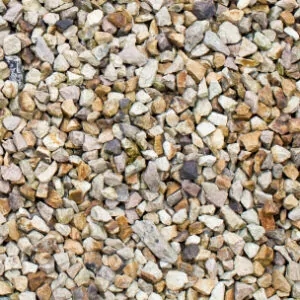
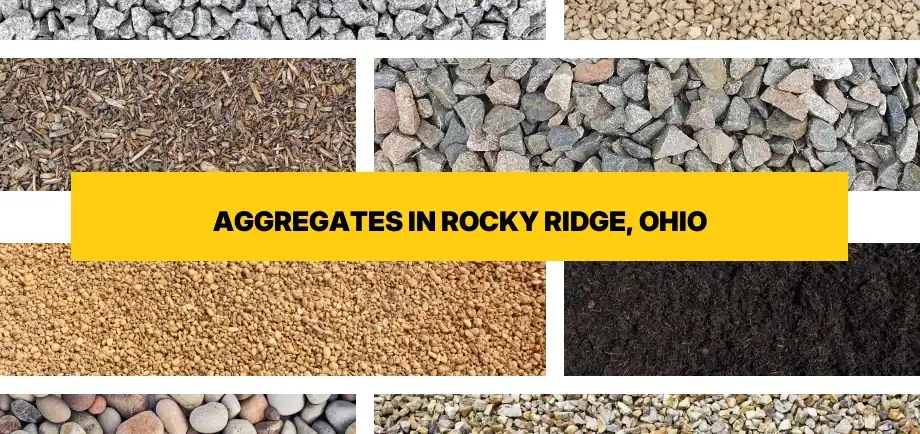
Shop Bulk Materials & Gravel in Rocky Ridge, Ohio
Local Topsoil, Dirt, Sand, Rocks and Gravel near me in Rocky Ridge, Ohio
Shop Aggregates for Delivery in Rocky Ridge
Order online for free delivery to any Rocky Ridge address.
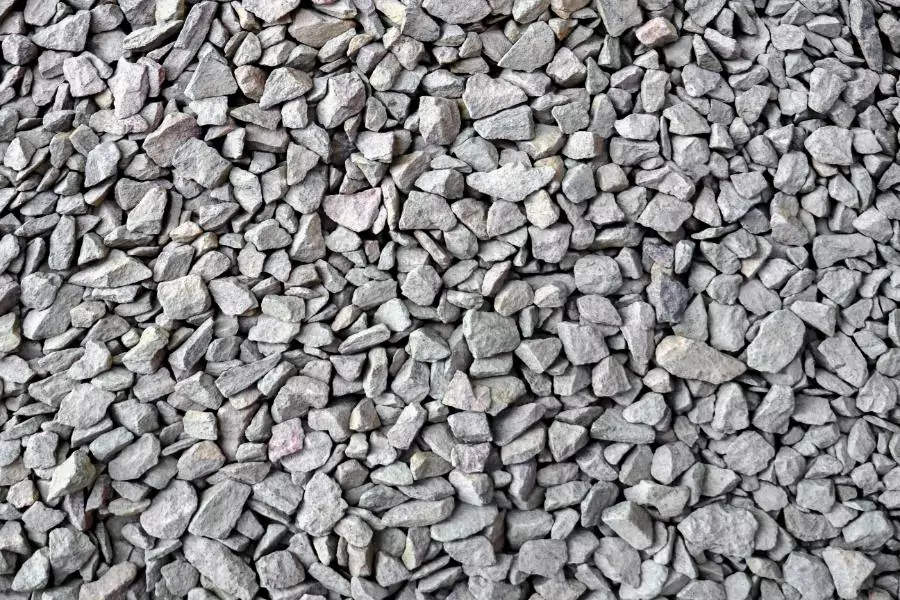
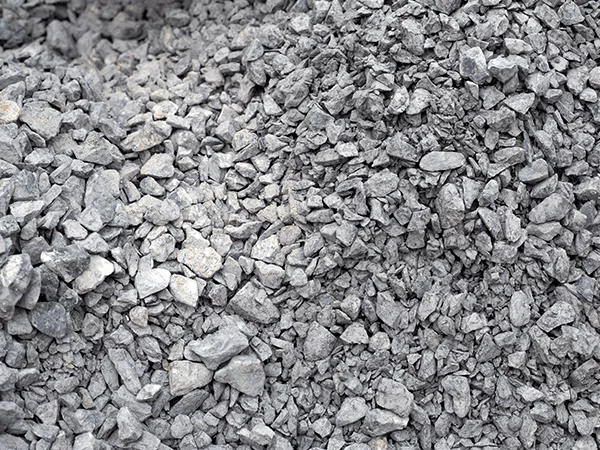


Gravel Monkey provides professional aggregate delivery services throughout Rocky Ridge, Ohio, and the surrounding Ottawa County region. Whether you're improving a rural driveway off State Route 105, building drainage systems in the flat agricultural areas, or creating outdoor spaces near the Portage River watershed, we deliver high-quality aggregates and landscaping materials directly to your property with free delivery. Our materials are specifically selected to work with the clay-rich soils and seasonal freeze-thaw conditions common throughout northwestern Ohio.
Complete Range of Aggregates Available in Rocky Ridge
Rocky Ridge properties face unique challenges including clay soil that retains water, seasonal flooding near the Portage River, and freeze-thaw cycles that require durable materials. Gravel Monkey offers a comprehensive selection of aggregates and materials designed to handle these local conditions:
- Driveway Gravel - Premium angular stone that creates stable, long-lasting driveways on clay soil
- 3/4 inch Crushed Stone - Versatile aggregate for foundations, drainage, and base layers
- #57 Stone - Clean, uniform drainage stone for septic systems and French drains
- Crusher Run - Compactable base material that locks together for solid foundations
- Road Base - Heavy-duty aggregate for farm lanes and rural access roads
- Drain Rock - Angular stone designed for water management systems
- Pea Gravel - Smooth decorative stone for landscaping and pathways
- River Rock - Natural rounded stone in multiple sizes for aesthetic projects
- Walkway Gravel - Comfortable walking surface for garden paths and outdoor areas
- Crushed Concrete - Eco-friendly recycled aggregate for budget-conscious projects
- Topsoil - Rich soil for gardens, lawns, and agricultural applications
- Fill Dirt - Quality material for grading and leveling projects
- Mason Sand - Fine sand for construction and masonry work
- Washed Sand - Clean sand for concrete mixing and construction
- Playground Sand - Safe, certified sand for play areas
- Decomposed Granite - Natural compacting material for modern landscaping
Understanding Rocky Ridge Soil and Climate Conditions
Rocky Ridge sits in the glacially-formed Lake Plain region of Ottawa County, characterized by deep clay deposits left behind by ancient glacial Lake Maumee. This heavy clay soil, known locally as Hoytville and Nappanee series soils, presents specific challenges for construction and landscaping projects. The clay content averages 40-60%, creating poor drainage conditions that require strategic aggregate use.
The climate in Rocky Ridge features cold winters with average January temperatures around 25°F and warm, humid summers reaching 83°F in July. Annual precipitation averages 36 inches, with spring rains and snowmelt often creating saturated soil conditions from March through May. The seasonal freeze-thaw cycle can heave improperly installed driveways, making proper base preparation with quality aggregates essential for long-term durability.
Why Proper Drainage Matters in Rocky Ridge
Properties in the Portage River watershed, particularly those near SR 105 and SR 163, experience higher water tables and seasonal flooding risks. The flat topography means water doesn't drain naturally, requiring intentional drainage solutions. Installing aggregates with proper gradation helps prevent water accumulation that can damage foundations, flood basements, and create muddy access roads during spring thaw.
Choosing the Right Aggregates for Your Rocky Ridge Project
Driveway and Access Road Projects
Rural properties throughout Rocky Ridge, including farms along Fremont Road and Benton-Carroll Road, require durable driveways that handle heavy equipment and seasonal weather. The key is creating a proper base that drains well and resists rutting in clay soil. Start with a geotextile fabric to separate clay from aggregate, then install 6-8 inches of compacted base material. Road base provides excellent compaction and load-bearing capacity for farm equipment and delivery trucks.
For the surface layer, driveway gravel offers angular edges that lock together, preventing washouts during spring rains. The crushed stone particles create voids that allow water to percolate downward rather than pooling on the surface. Properties near the Toussaint River benefit from this drainage characteristic, especially during wet seasons when water tables rise.
Residential Foundation Drainage
Homes in Rocky Ridge neighborhoods require robust drainage systems to protect foundations from water damage. The high clay content means water cannot absorb naturally into the soil, creating hydrostatic pressure against basement walls. Installing French drains with proper aggregates solves this problem effectively.
Use #57 stone as the primary drainage aggregate in French drain trenches. Its uniform size allows water to flow freely while maintaining structural integrity. Wrap the perforated drain pipe and stone in geotextile fabric to prevent clay particles from clogging the system. This combination has proven effective in thousands of Ottawa County installations, keeping basements dry even during spring flooding events.
Landscaping and Decorative Applications
Creating attractive outdoor spaces in Rocky Ridge requires materials that complement the rural agricultural setting while managing the challenging soil conditions. Pea gravel works beautifully for pathways between raised garden beds, providing a clean walking surface that drains quickly after rainfall. The smooth stones are comfortable to walk on and create a classic country aesthetic.
For larger decorative features, river rock in 2-4 inch sizes adds visual interest to dry creek beds and rain gardens. These landscape features manage stormwater runoff while creating habitat for local wildlife. Properties near State Route 105 have successfully used decorative aggregates to reduce lawn maintenance while improving property drainage.
Agricultural and Farm Applications
Rocky Ridge's agricultural heritage means many properties need aggregates for farm operations. Barn entrances, livestock areas, and equipment staging zones require surfaces that drain well and withstand heavy use. Crusher run compacts into a solid surface that sheds water while supporting loaded farm equipment.
Machine sheds and grain storage facilities benefit from crushed concrete as an economical base material. The recycled aggregate performs similarly to virgin stone at a lower cost, making it ideal for large agricultural projects. The angular particles lock together when compacted, creating a stable platform that handles weight from tractors, combines, and loaded trucks.
| Aggregate Type | Best Rocky Ridge Applications | Typical Size | Drainage Quality | Compaction |
|---|---|---|---|---|
| Driveway Gravel | Rural driveways, farm lanes | 3/4" to 1 1/2" | Excellent | Good |
| Crusher Run | Bases, parking areas | Fines to 3/4" | Moderate | Excellent |
| #57 Stone | French drains, septic fields | 3/4" | Excellent | Poor |
| Road Base | Heavy-duty access roads | Fines to 1 1/2" | Good | Excellent |
| Pea Gravel | Walkways, landscaping | 3/8" | Excellent | Poor |
| Crushed Concrete | Budget farm projects | Varied | Good | Good |
| Drain Rock | Foundation drains, swales | 3/4" to 1 1/2" | Superior | Poor |
Professional Installation Practices for Ottawa County Conditions
Successfully installing aggregates in Rocky Ridge requires understanding local soil behavior and weather patterns. The clay soil expands when wet and contracts when dry, creating movement that can disrupt improperly installed materials. Following these proven practices ensures long-lasting results.
Site Preparation and Base Work
Begin by excavating clay soil to appropriate depth - typically 12-14 inches for driveways and 18-24 inches for heavy equipment areas. The depth accounts for both base aggregate and surface material. In areas with poor drainage near the Portage River corridor, consider excavating deeper and installing underdrains before placing aggregate.
Install geotextile fabric over prepared clay subgrade. This fabric prevents clay from pumping up through the aggregate during freeze-thaw cycles, a common problem in northwestern Ohio. Choose fabric rated for the traffic load - heavier weight for farm equipment, lighter weight for residential walkways.
Proper Compaction Techniques
Compaction is critical for durability in Rocky Ridge's challenging conditions. Place base aggregates in 4-6 inch lifts, compacting each layer with a vibratory plate compactor or roller. The clay subgrade must be firm but not wet - avoid installation during spring mud season or after heavy rainfall.
For rural driveways serving homes along Township Road 218 or County Road 231, achieving 95% compaction on the base layer prevents future settling and rutting. Professional contractors use moisture content testing to ensure optimal compaction conditions, particularly important with crusher run and road base materials that contain fines.
Drainage Considerations
Crown driveways and access roads to shed water toward edges. A 2% slope from centerline to edge encourages runoff rather than infiltration. In flat areas typical of Rocky Ridge, creating positive drainage can be challenging but remains essential. Some properties install parallel drainage swales to capture runoff before it reaches the driveway surface.
For parking areas and equipment yards, slope the entire surface toward a designated drainage point. Catch basins or infiltration trenches filled with drain rock can handle concentrated water flow without creating muddy conditions. This approach works particularly well for properties in the former lakebed areas with extremely high clay content.
Aggregate Delivery Throughout Rocky Ridge Area Communities
Gravel Monkey provides free aggregate delivery throughout Rocky Ridge and surrounding Ottawa County communities. Our delivery trucks navigate rural roads and farm lanes throughout the region, bringing quality materials directly to your project site.
Rocky Ridge Central and North
The original village area along State Route 105 features a mix of historic homes and newer construction. Properties here benefit from our complete aggregate selection for everything from foundation repairs to landscape renovations. Many homes in this area were built on minimal foundations and require drainage upgrades to modern standards.
Portage River Area
Properties near the Portage River face unique water management challenges requiring strategic aggregate use. Foundation drainage systems, elevated driveways, and permeable parking areas all help manage seasonal high water. We've supplied materials for dozens of successful drainage projects in this flood-prone corridor.
SR 163 Corridor
The State Route 163 corridor features primarily agricultural properties with occasional residential parcels. Large farm operations here require substantial quantities of aggregates for barn renovations, equipment storage areas, and access lane maintenance. Our bulk delivery capabilities serve these larger-scale agricultural needs efficiently.
Benton-Carroll Road Area
This eastern section of Rocky Ridge includes working farms, rural residences, and recreational properties. The flat terrain and clay soil make proper drainage essential for any construction project. We regularly deliver road base and driveway gravel to properties establishing new access roads or upgrading existing farm lanes.
Surrounding Ottawa County Communities
Our delivery service extends to neighboring communities including Woodville, Elmore, Genoa, and the Port Clinton area. Whether your project is in the immediate Rocky Ridge village limits or on a rural farm several miles away, we provide the same reliable delivery service and quality materials. Properties near East Harbor State Park and the Lake Erie shoreline also receive our complete range of aggregates and landscaping materials.
Timing Your Aggregate Projects in Northwestern Ohio
Rocky Ridge's continental climate creates distinct seasons that affect aggregate installation timing. Understanding these seasonal considerations helps you plan projects for optimal results and avoid weather-related complications.
Spring Installation Considerations
Spring in Ottawa County brings thawing soil, frequent rainfall, and muddy conditions that challenge aggregate projects. March through May typically sees the highest precipitation, with soil remaining saturated from snowmelt. While this season poses challenges, it's also when many property owners identify drainage problems that need immediate attention.
If spring installation is necessary, wait until soil firms sufficiently to support equipment. Installing drainage systems during wet periods is acceptable since you're working with water anyway, but base preparation for driveways should wait for drier conditions. The clay soil in Rocky Ridge cannot be properly compacted when saturated - attempting to do so creates a unstable base that will fail.
Summer: Ideal Construction Season
June through August offers the best weather window for aggregate projects in Rocky Ridge. Warm temperatures, lower humidity, and generally dry soil conditions allow optimal compaction and installation. This is the preferred season for major driveway installations, parking area construction, and large landscaping projects.
The dry conditions also make it easier to identify existing drainage problems on your property. Areas where water pooled during spring become obvious, allowing you to design effective solutions using appropriate drainage aggregates. Many Rocky Ridge residents use summer to address issues observed during spring storms.
Fall: Second Best Installation Window
September and October provide another excellent opportunity for aggregate projects before winter arrives. Temperatures remain moderate, rainfall is typically lighter than spring, and soil moisture levels stabilize. Many contractors prefer fall installation because the work can fully settle before winter freeze-thaw cycles begin.
Complete major aggregate projects by mid-November to allow time for settling before ground freezes. This timing is particularly important for driveways and access roads that will experience winter traffic. The aggregate needs sufficient time to lock together and stabilize under traffic loads.
Winter Projects and Planning
While winter installation is possible in Rocky Ridge, frozen ground complicates excavation and compaction. However, winter is an excellent time for project planning, site assessment, and material selection. Many property owners use winter months to design their spring projects, taking advantage of our consultation services to ensure proper material selection and installation planning.
Emergency repairs sometimes require winter aggregate delivery. We maintain year-round service for urgent needs like washout repairs or access road maintenance. Snow removal and ice management also benefit from proper aggregate bases that drain water before it freezes.
Estimating Aggregate Quantities for Your Rocky Ridge Project
Accurately calculating material quantities ensures you order enough aggregates without significant excess. While our team provides detailed estimates, understanding basic calculation methods helps you plan and budget your project effectively.
Basic Volume Calculations
Most aggregate quantities are calculated in cubic yards. For rectangular areas, multiply length times width times depth (all in feet), then divide by 27 to convert cubic feet to cubic yards. For example, a driveway 12 feet wide, 100 feet long, and 6 inches deep requires: 12 × 100 × 0.5 = 600 cubic feet ÷ 27 = 22.2 cubic yards.
Round up calculations to account for compaction, irregular edges, and settling. Aggregates compress during installation, particularly crusher run and road base materials that contain fines. A good rule is to add 10-15% to calculated volumes for these materials. Clean aggregates like #57 stone or pea gravel require less adjustment since they don't compact as significantly.
Depth Guidelines for Different Applications
Proper depth varies by application and traffic loads. Residential driveways in Rocky Ridge typically require 6-8 inches of aggregate total: 4-6 inches of compacted base plus 2-4 inches of surface material. Farm lanes handling heavy equipment need 10-12 inches or more, depending on soil conditions and equipment weights.
Walkways and landscaping applications use less material - typically 2-3 inches of pea gravel or walkway gravel over landscape fabric. Drainage aggregates in French drains should extend 12 inches beyond and below the perforated pipe to ensure adequate water collection capacity.
Coverage Rates by Material Type
Different aggregates cover different areas at the same depth due to variations in particle shape and packing density. Generally, one cubic yard of crushed stone covers approximately 100 square feet at 3 inches deep. Rounded materials like pea gravel and river rock cover slightly more area because they pack less densely.
For Ottawa County's clay soil conditions, plan for deeper aggregate installations than standard recommendations. The additional depth provides better drainage and longer-lasting performance despite challenging soil conditions. Properties with particularly poor drainage may benefit from consulting with our team to determine optimal depths and material combinations.
Frequently Asked Questions About Aggregates in Rocky Ridge
Crusher run and road base perform exceptionally well in Rocky Ridge clay soil because they contain fines that help the material compact into a solid, stable base. These materials lock together when properly compacted, preventing the shifting and rutting common with clean aggregates on clay. For surface layers, angular driveway gravel provides excellent traction and drainage. Always install geotextile fabric between clay and aggregate to prevent pumping during freeze-thaw cycles.
For typical passenger vehicle use, install 6-8 inches of aggregate total - 4-6 inches of compacted base material topped with 2-4 inches of surface gravel. Properties with heavy clay soil or those accommodating farm equipment should increase depth to 10-12 inches. The flat topography and poor natural drainage throughout Rocky Ridge often require deeper installations than standard recommendations to ensure long-term performance and prevent settling.
Yes, absolutely. We deliver throughout rural Ottawa County, including farms and properties along township roads, county roads, and state routes. Our trucks regularly navigate rural lanes throughout the region. Free delivery applies to Rocky Ridge and surrounding areas. Contact us with your specific location, and we'll confirm delivery availability and scheduling.
For properties experiencing seasonal flooding or high water tables, drain rock and #57 stone are ideal for French drain systems. These clean aggregates allow water to flow freely while supporting pipe and maintaining structural integrity. Install French drains along foundations, property boundaries, or low areas where water accumulates. The angular stone particles create voids that move water efficiently away from problem areas, even during heavy spring rains common in northwestern Ohio.
Crushed concrete works excellently for agricultural applications including barn floors, equipment staging areas, and livestock confinement areas. The recycled material performs similarly to virgin stone at lower cost, making it economical for large projects. It compacts well, drains adequately, and withstands heavy equipment traffic. Many Ottawa County farms use crushed concrete successfully for various farm infrastructure projects, appreciating both the performance and cost savings.
Summer months from June through August offer optimal installation conditions with warm, dry weather and firm soil. Fall (September-October) provides a second good window before winter. Avoid spring installation when possible due to saturated clay soil and frequent rainfall. The clay soil throughout Rocky Ridge cannot be properly compacted when wet, so timing your project for dry conditions ensures better long-term performance and reduces installation complications.
Most residential aggregate driveways don't require permits in rural Ottawa County, but connecting to county or state roads may need driveway permits from the appropriate road department. If your project involves grading changes, stormwater management, or connections to public roads, check with Ottawa County Building Department. Agricultural properties often have different regulations than residential sites. We recommend confirming requirements before starting your project to ensure compliance with local regulations.
Gravel Monkey provides FREE delivery to Rocky Ridge and surrounding Ottawa County areas. You pay only for materials, with no additional delivery fees. This makes budgeting simple and often saves significantly compared to suppliers charging separate delivery fees. Our transparent pricing includes material cost with free delivery right to your property, whether you're in Rocky Ridge village or on a rural farm several miles away.
Start Your Rocky Ridge Aggregate Project Today
Whether you're upgrading a farm lane, installing foundation drainage, or creating beautiful landscaping features, Gravel Monkey has the aggregates and expertise to ensure your project succeeds. Our understanding of Ottawa County's unique clay soil conditions and seasonal weather patterns helps us recommend the right materials for lasting results.
We serve all of Rocky Ridge and surrounding communities with free delivery, competitive pricing, and materials selected specifically for northwestern Ohio conditions. Our team can help you calculate quantities, choose appropriate aggregates, and plan installation timing for optimal results.
Contact Gravel Monkey today to discuss your project needs. We're ready to deliver quality aggregates throughout Rocky Ridge, helping you create durable, functional, and attractive improvements to your property that withstand the test of time and weather.

Need help? Reach out for a quote: