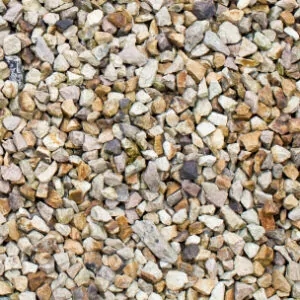
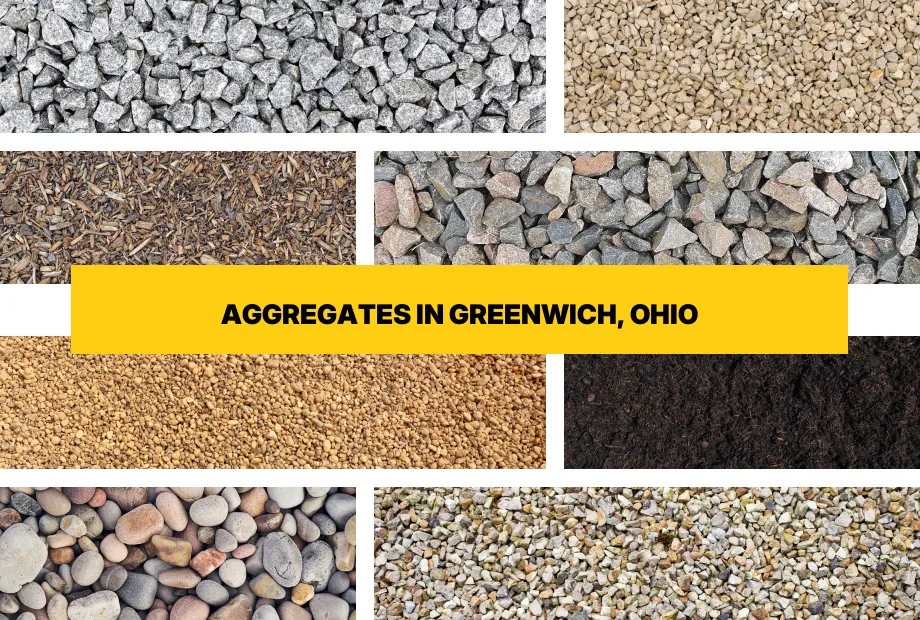
Rock & Driveway Gravel in Greenwich, Ohio
Local Topsoil, Dirt, Sand, Rocks and Gravel near me in Greenwich, Ohio
Shop Aggregates for Delivery in Greenwich
Order online for free delivery to any Greenwich address.
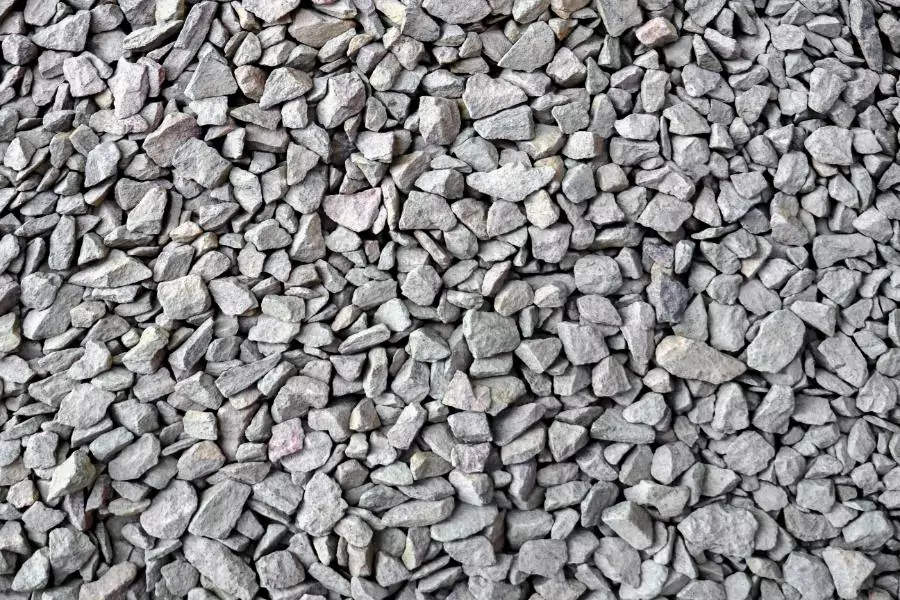
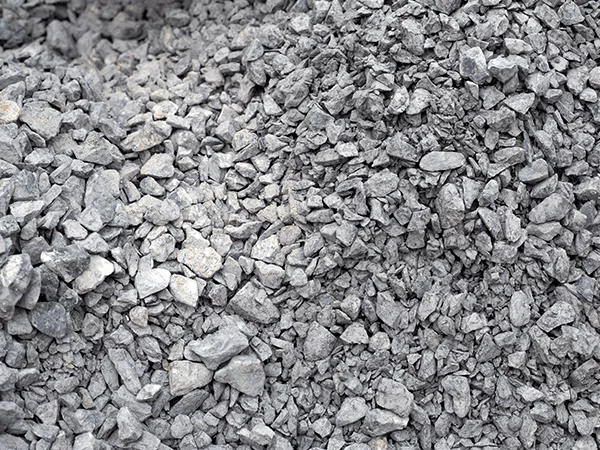


Gravel Monkey is your trusted source for premium aggregates and landscaping materials in Greenwich, Ohio. Serving Huron County and the surrounding communities, we deliver high-quality crushed stone, gravel, topsoil, sand, and specialty aggregates directly to your property with absolutely free delivery. Whether you're building a new driveway on North Street, improving drainage on a rural property near New Haven, or starting a landscaping project in downtown Greenwich, our extensive selection of bulk aggregates meets every residential, agricultural, and commercial need in this historic northern Ohio community.
Complete Aggregate Selection for Greenwich Projects
Greenwich property owners depend on quality aggregates for countless applications. From the clay-rich soils typical of Huron County farmland to the residential properties along Main Street, we provide materials specifically suited to our region's unique conditions. Our aggregate inventory addresses the drainage challenges, seasonal weather patterns, and soil composition that define construction and landscaping in northern Ohio.
- Driveway Gravel - Durable aggregate base perfect for Greenwich's clay soil conditions
- 3/4 Inch Crushed Stone - Versatile angular stone for drainage and compaction
- #57 Stone - Popular aggregate for French drains and concrete projects
- Crusher Run - Compactable blend ideal for solid base construction
- Road Base - Heavy-duty aggregate for farm lanes and access roads
- Drain Rock - Angular stone designed for water management systems
- Pea Gravel - Smooth decorative aggregate for walkways and gardens
- River Rock - Natural rounded stone for aesthetic landscaping
- Crushed Concrete - Eco-friendly recycled aggregate alternative
- Topsoil - Rich soil for gardens and lawn establishment
- Fill Dirt - Essential for grading and leveling projects
- Mason Sand - Fine sand for brick and block laying
- Playground Sand - Safe, clean sand for play areas
- Washed Sand - Clean sand for various construction applications
- Decomposed Granite - Natural pathway aggregate with excellent compaction
- Walkway Gravel - Specialty aggregate blend for pedestrian paths
Understanding Greenwich's Unique Soil and Drainage Needs
Greenwich sits in the heart of Huron County's agricultural region, where glacial till deposited thick layers of clay loam during the last ice age. This heavy clay soil, while excellent for farming, presents specific challenges for construction and landscaping projects. The soil's low permeability means water doesn't drain naturally, leading to standing water issues common throughout the area—from residential properties near North Fairfield to farms along State Route 13.
Northern Ohio's climate compounds these soil challenges. Greenwich experiences approximately 38 inches of annual precipitation distributed fairly evenly throughout the year. Spring brings particularly wet conditions, with April and May averaging over 3.5 inches of rain each month. Winter freezing and thawing cycles cause significant frost heave in clay soils, which can damage improperly constructed driveways and foundations. Summer temperatures averaging in the low 80s create ideal conditions for vegetation growth in aggregates that don't compact properly.
These conditions make aggregate selection critical. Angular crushed stone provides the mechanical interlock needed to resist settling into clay. Proper aggregate base depth—typically four inches for driveways—creates necessary drainage space. Properties throughout Greenwich, from the historic downtown area to rural farmsteads near Fitchville, benefit from aggregates specifically chosen to handle our region's demanding conditions.
Greenwich Aggregate Comparison Guide
Choosing the right aggregate for your Greenwich project depends on application, drainage requirements, and budget. This comparison helps property owners select materials suited to northern Ohio conditions:
| Aggregate Type | Best Applications | Drainage Rating | Compaction | Clay Soil Performance |
|---|---|---|---|---|
| Crusher Run | Driveways, Base Layers | Excellent | Superior | Outstanding |
| 3/4 Inch Crushed Stone | Drainage, Driveways | Excellent | Very Good | Excellent |
| #57 Stone | French Drains, Concrete | Superior | Good | Very Good |
| Road Base | Heavy Traffic, Farm Lanes | Very Good | Superior | Excellent |
| Pea Gravel | Landscaping, Walkways | Good | Moderate | Good |
| Crushed Concrete | Budget Base, Fill | Very Good | Good | Very Good |
| River Rock | Decorative, Gardens | Excellent | Poor | Fair |
| Decomposed Granite | Paths, Hardscaping | Good | Excellent | Good |
For most Greenwich driveways dealing with clay soil and seasonal moisture, crusher run or 3/4 inch crushed stone provides the best long-term performance. These aggregates resist settling, maintain stability through freeze-thaw cycles, and promote proper drainage essential in our region.
Aggregate Delivery Throughout Greenwich and Surrounding Areas
Gravel Monkey provides free aggregate delivery throughout Greenwich and extends service to all surrounding Huron County communities. We understand the unique needs of different areas, from established residential neighborhoods to rural agricultural properties.
Downtown Greenwich and Historic District
Properties in downtown Greenwich along Main Street and surrounding blocks often require specialty aggregates for restoration projects, decorative landscaping, and infrastructure improvements. Historic homes may need specific aggregate types for proper drainage around foundations built before modern grading standards. We regularly deliver materials for walkway upgrades, garden beds, and basement waterproofing projects throughout the central business district.
North Street and Residential Areas
The residential areas extending north from downtown Greenwich include a mix of older homes and newer construction. These properties frequently need driveway aggregates that balance durability with aesthetic appeal. Homeowners in this area often choose our crushed stone options for new driveway construction and pea gravel for landscaping accents that complement established neighborhoods.
State Route 13 Corridor
Properties along the Route 13 corridor connecting Greenwich to Norwalk and Willard face increased demands from heavier traffic and commercial activity. Businesses and property owners in this area require robust aggregate solutions—road base for commercial parking areas, drain rock for storm water management, and durable crushed stone for access drives handling regular delivery vehicles.
Rural Greenwich Township Properties
Greenwich Township's agricultural character means many properties need aggregates for farm lanes, equipment yards, and rural driveways extending hundreds of feet from public roads. These applications demand cost-effective, high-volume aggregate solutions. Crushed concrete and road base serve excellently for long farm lanes, while crusher run provides the compaction needed for heavy equipment areas.
New Haven and East Greenwich Areas
Extending east toward New Haven, properties increasingly mix agricultural and residential uses. These areas often require drainage solutions addressing the transition from crop fields to residential yards. French drain systems using #57 stone and drain rock help manage water flow across property lines, particularly important during spring planting season when soil saturation peaks.
North Fairfield and West Greenwich Region
Properties extending west toward North Fairfield encounter some of Huron County's heaviest clay concentrations. Aggregate selection becomes even more critical in this area, where poor drainage can leave driveways and parking areas unusable during wet periods. Angular crushed stone and crusher run provide the aggressive drainage and load-bearing capacity these challenging soil conditions demand.
Fitchville and Southern Greenwich Areas
South of Greenwich proper, the community of Fitchville and surrounding rural properties blend agricultural operations with residential acreages. Property owners frequently need aggregates for multiple applications—ornamental landscaping near homes combined with functional aggregate for outbuildings, storage areas, and access lanes. Our diverse product selection allows ordering multiple aggregate types in a single delivery.
Willard and Route 224 Access
While technically separate communities, Willard and Greenwich share considerable economic and residential connections. Many Greenwich residents work in Willard, and property improvements often occur simultaneously across both areas. We deliver aggregates throughout this region, understanding how Route 224 provides quick access and how similar soil and drainage conditions affect both communities.
Common Aggregate Applications in Greenwich
Residential Driveways and Parking Areas
Greenwich residential driveways face unique challenges. Clay soil creates unstable base conditions, particularly during wet seasons. Winter freeze-thaw cycles cause heaving and cracking. Proper driveway construction requires excavating existing soil, installing aggregate base, and ensuring adequate drainage. Most Greenwich driveways benefit from a four-inch crusher run base topped with 3/4 inch crushed stone. This two-layer approach provides both compaction and drainage while remaining cost-effective.
Agricultural and Farm Applications
Agriculture remains central to Greenwich's economy and character. Farms require extensive aggregate use—equipment yards that prevent machinery from sinking during wet periods, feed lot areas needing solid footing, and access lanes connecting buildings to public roads. Road base excels for heavy equipment traffic, providing the load-bearing capacity necessary for loaded grain trucks and farm implements. Crushed concrete offers a budget-friendly alternative for lower-traffic farm lanes while still providing adequate drainage and stability.
Drainage Systems and Water Management
Greenwich's clay soil and significant rainfall make drainage systems essential for most properties. French drains using #57 stone wrapped in filter fabric prevent basement flooding and protect foundations from hydrostatic pressure. Drain rock installed along building perimeters channels water away from structures. Proper drainage installation often makes the difference between a usable property and one plagued by standing water and muddy conditions throughout wet seasons.
Landscaping and Garden Projects
Beyond functional applications, Greenwich property owners use decorative aggregates to enhance curb appeal and create attractive outdoor spaces. Pea gravel works beautifully for garden pathways, providing stable footing while allowing water infiltration. River rock creates visual interest in planting beds and around water features. Decomposed granite offers a natural appearance for walking paths while compacting firm enough to resist displacement. These landscaping aggregates transform ordinary yards into attractive outdoor living spaces.
Foundation and Construction Base
New construction in Greenwich requires proper foundation preparation. Building codes specify aggregate types and depths for different applications. Crushed stone base under concrete slabs prevents settling and provides drainage that protects against frost heave. Road base serves for larger commercial projects requiring maximum load-bearing capacity. Proper aggregate selection and installation during construction prevents expensive foundation problems that can plague buildings for decades.
Seasonal Considerations for Greenwich Aggregate Projects
Northern Ohio's distinct seasons affect aggregate project planning and material performance. Understanding seasonal factors helps Greenwich property owners schedule projects and select appropriate materials.
Spring: Peak Drainage Concerns
Spring brings Greenwich's wettest conditions. Snowmelt combines with April and May rainfall to saturate soil completely. Drainage projects become critical during this period, though wet ground can complicate installation. Properties with poor drainage experience the most severe problems in spring—standing water, muddy driveways, and limited access. Planning drainage improvements during drier months allows installation before spring challenges arrive. Projects completed in fall provide immediate benefit when wet conditions return.
Summer: Ideal Construction Conditions
Summer offers Greenwich's best conditions for aggregate projects. Dry weather allows proper soil excavation and compaction. Aggregate bases can be installed and compacted without moisture interference. Most residential and commercial projects schedule during summer months when weather cooperates and ground conditions remain stable. Summer also allows adequate time for installed aggregates to settle before winter freeze-thaw cycles begin.
Fall: Preparing for Winter
Fall presents a second opportunity for aggregate projects before winter arrives. Completing driveway improvements in autumn ensures stable access throughout winter months. Installing proper drainage in fall prevents spring flooding problems. Moderate temperatures and typically dry conditions make fall ideal for larger projects that benefit from multiple days of good weather. October particularly offers excellent conditions before winter weather patterns establish.
Winter: Limited but Possible Work
Winter aggregate delivery and installation remains possible during milder periods. Emergency repairs sometimes require winter work—damaged driveways need quick aggregate fills to restore access, and drainage problems may demand immediate solutions regardless of season. While not ideal for major projects, winter aggregate delivery serves Greenwich property owners facing urgent needs that cannot wait for spring.
Technical Specifications and Material Properties
Understanding aggregate technical properties helps Greenwich property owners make informed material selections. Different applications require specific aggregate characteristics based on drainage needs, load-bearing requirements, and compaction goals.
Aggregate Sizing and Gradation
Aggregate size significantly affects performance. Larger stones like 3/4 inch crushed stone provide excellent drainage but may be uncomfortable for walking surfaces. Smaller aggregates like pea gravel create smooth surfaces but offer less load-bearing capacity. Crusher run combines multiple sizes, creating a graded aggregate that compacts extremely tight while maintaining drainage. Size selection depends on project requirements—drainage systems need larger stone for maximum water flow, while stable surfaces benefit from well-graded aggregates that pack firmly.
Angular versus Rounded Aggregates
Stone shape dramatically impacts performance. Angular crushed stone mechanically interlocks, creating stable bases that resist displacement under load. Rounded river rock, while attractive, shifts easily and provides minimal load-bearing capacity. For Greenwich's clay soil conditions, angular aggregates prove essential for driveways and load-bearing applications. Rounded decorative aggregates serve landscaping purposes where appearance matters more than structural performance.
Compaction Requirements
Proper compaction transforms loose aggregate into solid base material. Crusher run and road base compact to approximately 95 percent density when properly installed with mechanical compactors. This density provides the stability needed for driveways and parking areas. Single-sized aggregates like #57 stone compact less effectively but provide superior drainage. Understanding compaction requirements helps property owners achieve project goals—maximum stability where needed, maximum drainage where required.
Depth and Coverage Calculations
Calculating aggregate quantity requires understanding coverage rates. One ton of crushed stone typically covers approximately 100 square feet at two inches depth. Greenwich driveways generally need four-inch depth, meaning one ton covers about 50 square feet. A standard two-car driveway measuring 20 feet wide by 40 feet long requires 16 tons of aggregate at four-inch depth. Our team helps property owners calculate exact quantities, preventing both shortages and excess material costs.
Sustainable Aggregate Options for Greenwich Properties
Environmental consciousness increasingly influences material selection. Greenwich property owners can choose sustainable aggregate options that reduce environmental impact while providing excellent performance.
Crushed concrete represents the most common recycled aggregate option. Concrete from demolished buildings and structures gets crushed into usable aggregate, diverting material from landfills while providing cost-effective construction base. Performance rivals natural crushed stone for many applications, particularly farm lanes and rural driveways where maximum aesthetics aren't critical. Using crushed concrete reduces quarrying demand and supports circular economy principles.
Proper aggregate selection also contributes to environmental stewardship through improved drainage. Well-designed aggregate systems reduce runoff, allowing precipitation to infiltrate naturally rather than overwhelming storm sewers. Permeable aggregate surfaces help recharge groundwater while preventing erosion. These benefits particularly matter in agricultural areas where water quality affects crop production and where seasonal flooding impacts both property owners and downstream communities.
Frequently Asked Questions About Aggregates in Greenwich
Angular crushed stone or crusher run performs best in Greenwich's clay soil. These aggregates provide aggressive drainage and mechanical interlock that resists settling into clay. The combination of varied stone sizes in crusher run creates exceptional compaction while maintaining water flow—critical for handling both clay impermeability and northern Ohio's significant rainfall. Avoid smooth rounded aggregates that shift in clay and provide poor stability.
Most Greenwich driveways require minimum four-inch aggregate depth for residential use. Properties with particularly heavy clay soil or frequent heavy vehicle traffic benefit from six-inch depth. This thickness provides adequate drainage space and distributes weight to prevent rutting and settling. Commercial driveways and farm equipment areas often need eight inches or more depending on anticipated loads and soil conditions.
Simple applications like garden pathways and small landscaping projects work as DIY projects. Larger installations—particularly driveways requiring excavation, proper grading, and mechanical compaction—typically benefit from professional installation. Proper base preparation and compaction significantly affect long-term performance. Many Greenwich property owners choose hybrid approaches, hiring contractors for excavation and base work while handling finish surfaces themselves, balancing cost savings with professional expertise where it matters most.
Crusher run contains mixed stone sizes from fine dust to larger aggregate, creating a graded material that compacts extremely tight. Regular crushed stone consists of uniformly sized pieces. Crusher run excels for base layers requiring maximum stability and compaction—ideal for Greenwich driveways and parking areas. Uniform crushed stone provides better drainage and cleaner appearance, working well for surface layers or drainage applications where water flow matters more than tight compaction.
Weed prevention starts with proper installation. Install landscape fabric under decorative aggregate areas before adding stone—this barrier prevents weed growth from below while allowing drainage. For driveways and functional areas, proper compaction of crusher run creates such dense surfaces that weed establishment becomes difficult. Periodic maintenance with appropriate herbicides controls any vegetation that does emerge. Deeper aggregate layers also reduce weed problems since seeds struggle reaching soil beneath thick stone coverage.
Properly contained aggregate won't damage adjacent asphalt. Install edge restraints—metal or plastic landscape edging, treated lumber borders, or poured concrete edges—to keep aggregate from migrating onto asphalt surfaces. Maintain slight grade away from paved areas to prevent aggregate accumulation during rain events. Many Greenwich properties successfully combine asphalt main driveways with aggregate side parking or turnaround areas using proper separation techniques.
Properly installed aggregate lasts decades in Greenwich conditions. Driveways may need periodic top dressing every 5-7 years as surface aggregate gradually works into underlying clay, but base layers remain stable indefinitely. Decorative landscaping aggregate maintains appearance for many years with minimal maintenance. Regular grading and addition of fresh surface material keeps aggregate areas looking and performing like new. Initial proper installation with adequate depth and compaction proves most important for longevity.
Yes, perimeter drainage systems using aggregate effectively address basement water issues common in Greenwich's clay soil. Installing drain rock or #57 stone wrapped in filter fabric around foundations creates pathways for water to flow away from basement walls rather than creating hydrostatic pressure. Proper grading combined with aggregate drainage systems resolves most basement moisture problems. Many older Greenwich homes benefit significantly from adding modern aggregate drainage systems that weren't part of original construction.
Professional Aggregate Delivery Serving Greenwich and Huron County
Gravel Monkey brings decades of aggregate supply experience to Greenwich property owners. We understand northern Ohio's unique soil conditions, seasonal challenges, and construction requirements. Our commitment to quality materials, reliable delivery, and exceptional customer service makes us the preferred aggregate supplier throughout Huron County.
Every order receives individual attention from our knowledgeable team. We help calculate material quantities, recommend appropriate aggregate types for specific applications, and schedule delivery to meet project timelines. Our drivers know Greenwich and surrounding areas, ensuring timely delivery and proper material placement that makes your project easier.
Free delivery removes unexpected costs from your project budget. Our competitive pricing on quality aggregates provides excellent value without compromising material standards. Whether you need a single ton for a small landscaping project or multiple loads for large-scale construction, Gravel Monkey delivers the same professional service and premium materials.
Experience the difference that quality aggregates and professional service make for your Greenwich property. Our extensive inventory includes every aggregate type needed for residential, agricultural, and commercial applications throughout Huron County. From the simplest garden pathway to complex drainage systems, we supply the materials that ensure project success.
Contact Gravel Monkey today to discuss your aggregate needs. Our team stands ready to answer questions, provide expert recommendations, and schedule free delivery to your Greenwich property. Discover why property owners throughout northern Ohio trust us as their preferred aggregate supplier—quality materials, fair pricing, and service that exceeds expectations on every delivery.

Need help? Reach out for a quote: