Order Topsoil, Stone & Gravel in Lowellville, Ohio
Local Topsoil, Dirt, Sand, Rocks and Gravel near me in Lowellville, Ohio
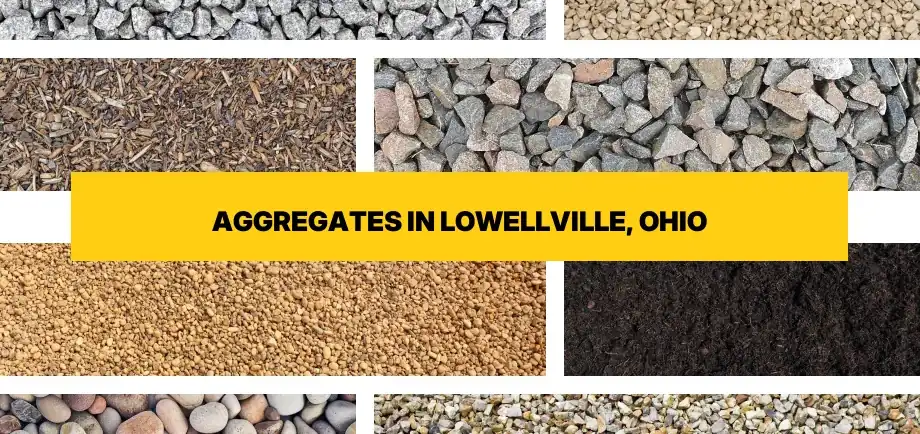
Shop Aggregates for Delivery in Lowellville
Order online for free delivery to any Lowellville address.


Gravel Monkey is your trusted local source for premium aggregates and landscaping materials in Lowellville, Ohio. Nestled along the Pennsylvania border in the heart of the Mahoning Valley, Lowellville presents unique challenges for property owners—from clay-heavy soils to seasonal freeze-thaw cycles that can wreak havoc on driveways and foundations. Whether you're upgrading a residential driveway near the Beaver Creek Wildlife Area, establishing drainage solutions along the Mahoning River corridor, or tackling commercial projects throughout the village, we deliver top-quality aggregates directly to your property with absolutely free delivery throughout Lowellville and surrounding Mahoning County.
Complete Aggregate Selection for Lowellville Properties
Our extensive inventory covers every residential, commercial, and landscaping application in the Lowellville area. From the historic neighborhoods near State Route 170 to newer developments throughout the village, we supply the aggregates that local contractors and homeowners trust.
- Driveway Gravel - Purpose-built for Ohio's demanding climate conditions
- 3/4 inch Crushed Stone - Versatile aggregate for bases and drainage
- #57 Stone - Industry-standard crushed stone for construction projects
- Crusher Run - Superior compaction for stable foundations
- Road Base - Heavy-duty aggregate for driveways and parking areas
- Drain Rock - Essential for managing water in clay soils
- Pea Gravel - Decorative stone for walkways and landscaping
- River Rock - Natural aesthetics for gardens and water features
- Walkway Gravel - Comfortable, attractive pathways
- Crushed Concrete - Eco-friendly recycled aggregate solution
- Decomposed Granite - Naturally compacting decorative stone
- Topsoil - Nutrient-rich soil for gardens and lawns
- Fill Dirt - Essential for grading and leveling projects
- Mason Sand - Fine sand for masonry and paver installations
- Playground Sand - Safe, clean sand for play areas
- Washed Sand - Clean sand for multiple applications
Driveway Aggregates Designed for Mahoning Valley Conditions
Lowellville's location in the Mahoning Valley brings specific challenges that demand quality aggregate solutions. Our clay-rich glacial till soils, combined with Ohio's freeze-thaw cycles averaging 40-50 times per winter, require aggregates that provide both stability and proper drainage. Properties throughout the village—from older homes near the riverfront to newer construction—face similar drainage challenges that proper aggregate selection can solve.
Understanding Lowellville's Soil Composition
The Mahoning Valley region features predominantly clay-based soils derived from glacial deposits. This heavy clay content, while fertile for agriculture, creates compaction issues and poor drainage for residential and commercial properties. Water infiltration rates in native clay soils can be as slow as 0.06 inches per hour, leading to standing water, foundation issues, and unstable surfaces during spring thaws and heavy rain events common in northeastern Ohio.
Successful projects in Lowellville require adequate drainage layers and compactable base materials that work with—not against—our challenging soil conditions. Whether you're addressing water pooling near the Pennsylvania state line or improving drainage throughout residential areas, proper aggregate selection makes the difference between a project that lasts decades and one that requires frequent repairs.
Best Aggregate Choices for Local Driveways
For driveways throughout Lowellville and the greater Mahoning County area, we recommend starting with a proper base layer using compactable materials. Properties near State Route 170 and throughout the village benefit from aggregates that lock together firmly while still allowing water to percolate through. The typical Lowellville driveway experiences everything from summer heat that can reach 90 degrees Fahrenheit to winter temperatures dropping below zero, making material selection critical for long-term performance.
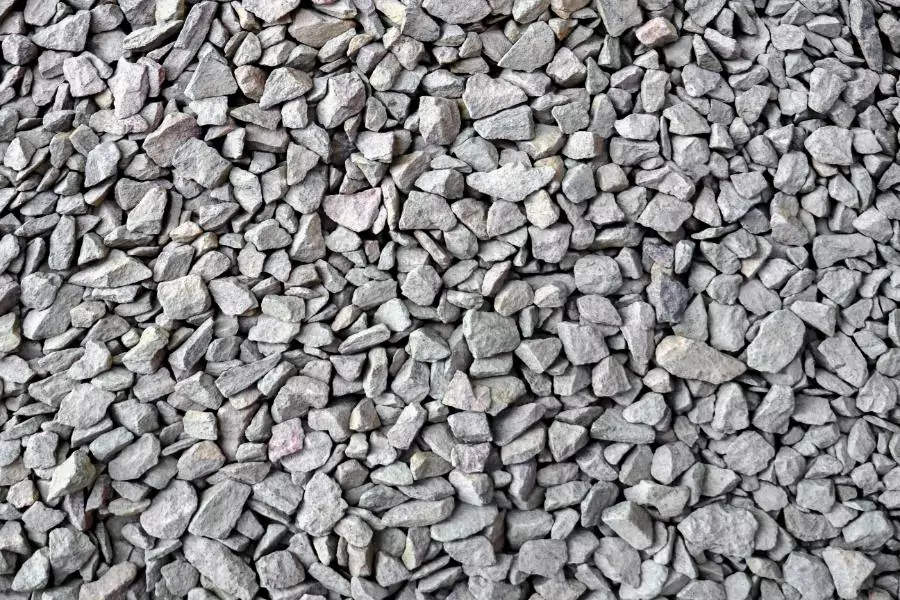
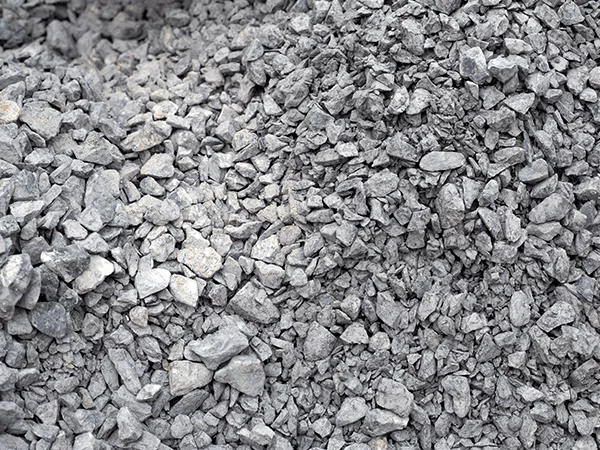
Angular aggregates outperform rounded materials in our climate because their irregular edges mechanically lock together when compacted, creating a stable matrix that resists shifting during freeze-thaw cycles. This characteristic becomes especially important in areas where the water table sits relatively close to the surface, as is common throughout the Mahoning River watershed.
Comparing Popular Aggregates for Lowellville Projects
Selecting the right aggregate depends on your specific application, budget, and site conditions. This comparison helps Lowellville property owners make informed decisions for their projects.
| Aggregate Type | Best Applications | Drainage Rating | Compaction | Local Advantages |
|---|---|---|---|---|
| Driveway Gravel | Residential driveways, parking areas | Excellent | High | Handles freeze-thaw cycles, works in clay soils |
| 3/4" Crushed Stone | Driveway base, drainage layers | Excellent | Very High | Angular edges lock together well |
| #57 Stone | French drains, concrete aggregate | Outstanding | Moderate | Ideal for drainage in heavy clay |
| Crusher Run | Road base, stable foundations | Good | Excellent | Creates rock-solid base in wet conditions |
| Road Base | Heavy traffic areas, parking lots | Good | Excellent | Commercial-grade durability |
| Drain Rock | Foundation drainage, water management | Outstanding | Low | Critical for basement waterproofing |
| Pea Gravel | Walkways, landscaping, decorative use | Excellent | Poor | Attractive, comfortable for pathways |
| River Rock | Water features, decorative beds | Good | Poor | Natural appearance for landscaping |
| Crushed Concrete | Budget driveways, base layers | Very Good | High | Eco-friendly, cost-effective option |
Solving Lowellville's Drainage Challenges with Quality Aggregates
Water management stands as one of the most critical concerns for Lowellville property owners. The combination of heavy clay soils, proximity to the Mahoning River, and annual precipitation averaging 38 inches creates situations where proper drainage isn't optional—it's essential. Homes and businesses from the riverfront area to neighborhoods near the Pennsylvania border face similar challenges when spring rains arrive or snow begins melting.
Foundation Protection and Basement Waterproofing
The glacial clay soils throughout the Mahoning Valley hold water like a sponge, creating hydrostatic pressure against foundations during wet periods. This pressure forces water through any available opening, leading to damp basements, foundation cracks, and structural concerns. Proper foundation drainage using appropriate aggregates provides a critical defense against water intrusion.
French drain systems using clean drainage stone create pathways for water to move away from foundations rather than pooling against basement walls. Properties throughout Lowellville benefit from perimeter drains that intercept groundwater before it reaches the foundation, directing it to daylight drainage points or storm sewers. The key is using angular aggregates that maintain void space even under the weight of soil backfill, ensuring long-term drainage capacity.
Surface Water Management
Beyond foundation concerns, surface water management protects driveways, walkways, and landscaping from erosion and damage. Low spots in yards can become seasonal ponds during spring thaws, while poorly graded driveways channel water toward homes rather than away. Strategic use of aggregates in drainage swales, dry creek beds, and permeable surfaces helps manage runoff while enhancing property aesthetics.
The flat to gently rolling terrain common throughout Lowellville means gravity drainage requires careful planning. Properties near creek corridors benefit from well-designed surface drainage that prevents water from concentrating in problem areas, while homes on slightly elevated terrain can use that natural advantage with proper grading and aggregate placement.
Serving Every Neighborhood Throughout Lowellville
As a compact village of approximately 1,200 residents, Lowellville's close-knit community spans from the Mahoning River waterfront to residential streets near the Pennsylvania border. We proudly serve properties throughout the entire village and surrounding areas:
Lowellville's Historic Core
The village's historic residential neighborhoods feature a mix of early 20th-century homes and newer construction. Properties along State Route 170 and the streets branching off toward the river often face unique challenges with older infrastructure and mature trees that can affect drainage patterns. These established neighborhoods benefit from quality aggregates that work with existing site conditions while providing improved drainage and stability.
Riverfront and Lowland Areas
Properties near the Mahoning River and Squaw Creek face the highest drainage challenges due to naturally high water tables and periodic flooding potential. These areas require particular attention to proper aggregate selection and grading to keep water moving away from structures. The proximity to water features also creates opportunities for attractive landscaping using river rock and decorative aggregates that complement the natural setting.
Pennsylvania Border Communities
The eastern portions of Lowellville near the Pennsylvania state line include both residential properties and light industrial sites. These areas often require heavier-duty aggregate solutions for commercial driveways and parking areas that handle regular traffic. The transition zone between Ohio and Pennsylvania brings additional considerations for properties that may serve businesses operating in both states.
Surrounding Mahoning Valley Communities
Our free delivery extends throughout the greater Mahoning Valley region, including nearby New Middletown to the west, Struthers to the north, Campbell and Youngstown in the greater metro area, and communities along the Ohio-Pennsylvania border. Whether your project sits within Lowellville village limits or in the surrounding townships, we deliver the same quality aggregates and professional service.
Ohio Weather and Aggregate Performance
Lowellville experiences the full range of Ohio's continental climate, with four distinct seasons that each present unique challenges for outdoor surfaces and landscaping. Understanding how weather affects aggregate performance helps property owners make better material choices for long-lasting results.
Winter Freeze-Thaw Cycles
Winter temperatures in the Mahoning Valley regularly fluctuate around the freezing point, creating repeated freeze-thaw cycles that test aggregate installations. When water trapped in soils freezes, it expands with tremendous force—enough to heave concrete, shift paver stones, and destabilize poorly constructed driveways. Quality aggregates with good drainage characteristics allow water to percolate through rather than freezing in place, minimizing frost heave damage.
The average January temperature in Lowellville hovers around 28 degrees Fahrenheit, with cold snaps dropping below zero. These conditions demand aggregates that maintain structural integrity when ground moisture freezes and expands. Angular crushed stone products outperform smooth, rounded materials because they mechanically lock together even when subjected to frost heaving forces.
Spring Thaw and Heavy Rain
Spring brings both snowmelt and the year's heaviest rainfall to northeastern Ohio. April and May typically deliver 3-4 inches of precipitation each month, combining with melting snow to saturate the region's clay soils. Properties without adequate drainage face standing water, muddy conditions, and potential foundation issues during this critical period.
Well-designed aggregate installations handle spring water loads by providing pathways for drainage while maintaining surface stability. The key is planning for worst-case scenarios rather than average conditions—a properly constructed driveway or parking area should handle intense spring storms without washing out or developing ruts.
Summer Heat and Dust Control
Summer temperatures in Lowellville reach the upper 80s and occasionally break 90 degrees Fahrenheit. While not as extreme as some climates, this heat can bake dust from gravel surfaces and dry out soils supporting aggregate installations. Properties with exposed gravel surfaces may benefit from periodic watering during dry spells to minimize dust, while vegetated edges help stabilize aggregate materials and prevent migration.
Fall Preparation
Autumn provides the ideal window for aggregate projects in the Mahoning Valley. Moderate temperatures, lower rainfall compared to spring, and upcoming winter weather create urgency for addressing drainage and surface issues before the ground freezes. Many Lowellville property owners schedule driveway renovations, parking area improvements, and drainage projects during September and October to ensure completion before winter arrives.
Professional Installation Practices for Lowellville Conditions
Quality aggregates represent only part of successful project outcomes—proper installation techniques adapted to local conditions make the difference between mediocre results and installations that last for decades. Whether you're tackling a DIY project or working with contractors, understanding best practices ensures your aggregate investment performs as expected.
Site Preparation Fundamentals
Successful aggregate installations begin with proper site preparation. Throughout Lowellville's clay-rich soils, this means excavating to adequate depth, addressing any standing water or drainage concerns, and establishing proper grades before placing aggregates. The native clay provides a stable subgrade once properly compacted, but it must be protected from water saturation that can turn it into a soft, unstable foundation.
For driveway projects, we typically recommend excavating 6-8 inches below the finished surface grade. This depth accommodates a base layer of compactable aggregate topped with a wearing surface. Properties with particularly poor drainage or soft soils may require deeper excavation or the addition of geotextile fabric to separate native soils from aggregate layers.
Layering and Compaction
Professional installations use a layered approach with proper compaction at each stage. A base layer of larger, angular aggregate creates the stable foundation that supports everything above. This layer should be compacted in lifts no thicker than 4 inches to ensure thorough consolidation throughout the entire depth.
Above the base, intermediate and surface layers use progressively smaller aggregates that fill voids and create the final surface texture. Each layer requires compaction with appropriate equipment—hand tampers for small areas, plate compactors for walkways and residential driveways, or vibratory rollers for larger commercial applications. The goal is achieving 95% or better compaction at each layer to minimize future settling.
Edge Restraint and Containment
Aggregate materials need proper edge restraint to prevent lateral migration over time. Traffic, freeze-thaw action, and gravity all work to push aggregates outward from their intended locations. Solutions include buried headers, concrete curbing, steel edging, or even vegetated strips that provide both functional containment and aesthetic enhancement.
The choice of edge restraint depends on the application and budget. Residential driveways may use simple landscape timbers or metal edging, while commercial parking areas might specify concrete curbs for long-term durability and defined boundaries. Even informal aggregate paths benefit from some form of edge definition to maintain intended widths and prevent gradual spreading into adjacent lawn or garden areas.
Common Aggregate Applications in Lowellville
Property owners throughout the Mahoning Valley use aggregates for diverse applications, each with specific requirements and considerations. Understanding these common uses helps you plan projects and select appropriate materials.
Residential Driveways
Driveway projects represent the most common aggregate application in Lowellville. Whether replacing deteriorated asphalt, upgrading from dirt tracks, or constructing new driveways for homes near the Pennsylvania border, quality aggregates provide durable, attractive surfaces that handle daily use and Ohio weather. Most residential driveways benefit from compacted aggregate bases topped with either additional gravel or paving materials.
Parking Areas and Turnarounds
Additional parking spaces and vehicle turnarounds add functionality to Lowellville properties while managing traffic flow. These applications demand stable surfaces that resist rutting under repeated vehicle loads. Commercial properties along State Route 170 particularly benefit from well-constructed aggregate parking areas that accommodate customer and employee vehicles without requiring full paving investment.
Walkways and Garden Paths
Pedestrian pathways using decorative aggregates enhance landscaping while providing functional access throughout properties. Lowellville homeowners appreciate the natural appearance of gravel walkways that complement historic home architecture and mature landscaping. These paths drain freely, never puddle after rain, and require minimal maintenance compared to pavers or concrete.
Foundation Drainage Systems
Protecting basements from water intrusion requires proper foundation drainage using clean drainage aggregates. These systems intercept groundwater and surface runoff before it reaches foundation walls, directing it safely away from structures. Given Lowellville's clay soils and relatively high water table, foundation drainage represents essential infrastructure rather than optional improvement.
Erosion Control and Landscape Features
Aggregates play important roles in controlling erosion on slopes, creating dry creek beds for drainage, and constructing retaining wall drainage systems. Properties near the Mahoning River corridor often incorporate river rock into landscaping that echoes the natural waterway setting, while rural properties use aggregates to stabilize banks and channels where water concentrates during storms.
Calculating Aggregate Quantities for Your Lowellville Project
Accurate material estimates prevent both shortages that delay projects and over-ordering that wastes money. Understanding volume calculations helps Lowellville property owners plan effectively and budget accurately for aggregate purchases.
Basic Volume Formula
Aggregate quantities are typically calculated in cubic yards. To determine your needs, measure the area in square feet (length times width) and multiply by the depth in feet, then divide by 27 (the number of cubic feet in a cubic yard). For example, a driveway measuring 12 feet wide by 50 feet long needs 600 square feet of coverage. At 4 inches (0.33 feet) deep, this equals 200 cubic feet or approximately 7.4 cubic yards of aggregate.
Accounting for Compaction
Most aggregates compact 10-20% during installation, meaning you should order slightly more material than calculated volumes suggest. Professional contractors typically add 10% to initial calculations for compactable base materials and 5% for surface layers. This buffer ensures adequate material to achieve specified depths after compaction while accounting for minor variations in site conditions.
Project-Specific Considerations
Different applications require different depths of aggregate. Residential driveways typically need 4-6 inches of compacted material, while parking areas handling heavier vehicles might require 8-10 inches or more. Foundation drainage trenches usually specify 12 inches or more of clean drainage stone. Walking paths can function well with 2-3 inches of decorative aggregate over a compacted base.
Site conditions also affect quantities. Properties with soft or poorly drained soils may need additional base material to achieve stable foundations. Areas with significant slopes require more material due to increased excavation depths at the downhill side to maintain level surfaces. Our team can help Lowellville property owners calculate accurate quantities based on specific site conditions and project requirements.
Frequently Asked Questions About Gravel Delivery in Lowellville
We deliver a comprehensive range of aggregates including driveway gravel, crushed stone in multiple sizes, number 57 stone, crusher run, road base, drain rock, pea gravel, river rock, crushed concrete, decomposed granite, topsoil, fill dirt, and various sand products throughout Lowellville and the Mahoning Valley area.
Yes! Gravel Monkey offers completely FREE delivery to Lowellville and surrounding Mahoning County communities for all gravel, aggregate, and landscaping material orders. No hidden fees or delivery charges.
For Lowellville driveways, we recommend driveway gravel, 3/4 inch crushed stone, or crusher run. These materials handle freeze-thaw cycles well, provide excellent drainage in our clay-rich soils, and create stable surfaces that withstand Ohio weather conditions.
Calculate your area in square feet and multiply by your desired depth in feet. For driveways, we typically recommend 3 to 4 inches of compacted aggregate. Our team can help you calculate the exact amount needed for your specific Lowellville project.
In many cases, yes! We strive to accommodate same-day and next-day delivery requests throughout Lowellville and the surrounding Mahoning Valley area. Contact us early in the day for the best availability.
Lowellville sits in an area with predominantly clay-based soils with glacial till composition. This heavy clay content can lead to poor drainage, soil compaction, and water pooling. Quality aggregates and proper drainage materials are essential for successful projects in our region.
Absolutely! We deliver throughout the Mahoning Valley including New Middletown, Struthers, Campbell, Youngstown, and all surrounding communities. Free delivery applies to the entire service area.
Both are compactable base materials, but road base typically includes slightly larger stones and is engineered for heavier traffic loads. Crusher run works excellently for residential driveways, while road base suits commercial parking areas and roads. Both perform well in Lowellville's clay soils when properly installed.
Ready to Start Your Lowellville Aggregate Project?
Whether you're improving a residential property near the Mahoning River, upgrading commercial facilities along State Route 170, or tackling drainage challenges anywhere in Lowellville, Gravel Monkey delivers the quality aggregates you need with free delivery throughout the Mahoning Valley. Our extensive inventory, local expertise, and commitment to customer service make us the preferred aggregate supplier for property owners throughout northeastern Ohio.
From understanding how Lowellville's glacial clay soils affect project planning to selecting the right aggregate for specific applications, our team brings decades of combined experience to every delivery. We know the challenges that Mahoning County properties face because we work with them every day, and we stock the aggregates that perform best in our local conditions.
Contact Gravel Monkey today to discuss your project, get expert recommendations for your specific situation, and schedule free delivery to your Lowellville property. Let's work together to create durable, attractive solutions that enhance your property and stand the test of time in Ohio's demanding climate.

Need help? Reach out for a quote: