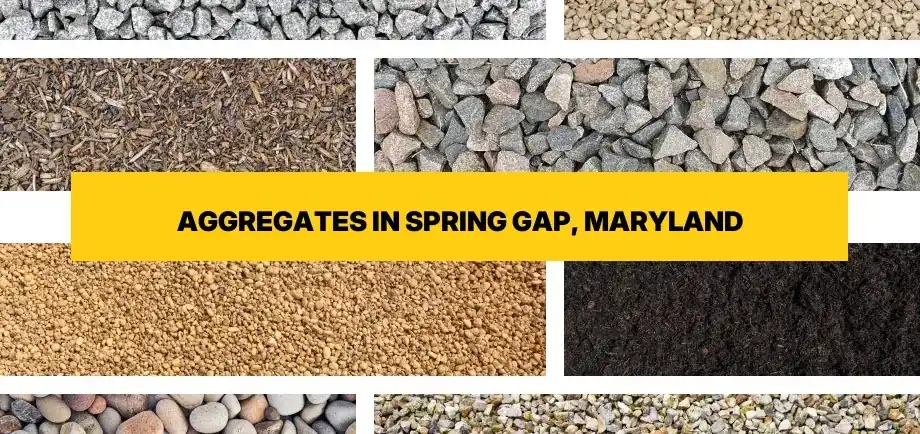
Buy Bulk Aggregates & Gravel in Spring Gap, Maryland
Local Topsoil, Dirt, Sand, Rocks and Gravel near me in Spring Gap, Maryland
Shop Aggregates for Delivery in Spring Gap
Order online for free delivery to any Spring Gap address.
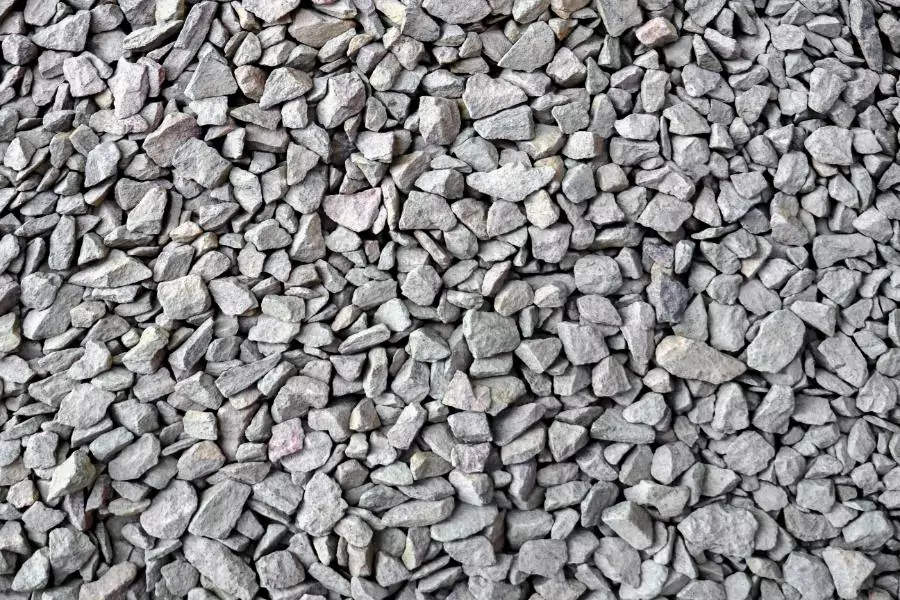
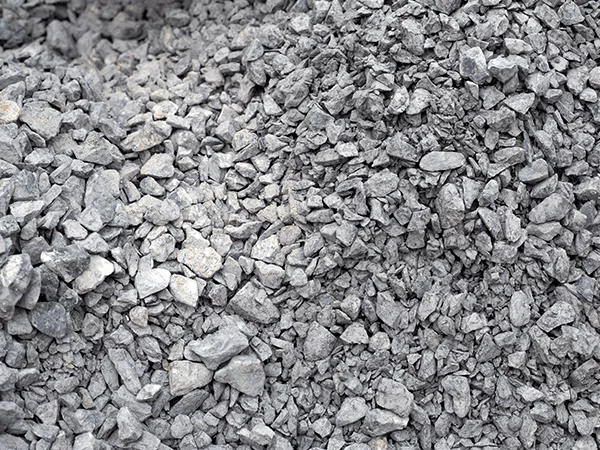


Gravel Monkey is your trusted source for premium aggregate delivery in Spring Gap, Maryland. Nestled in the Appalachian Mountains of Allegany County, Spring Gap presents unique challenges for property owners—from steep mountain driveways to managing runoff from ridge terrain. Whether you're maintaining a rural property along Route 220, upgrading access roads in the surrounding mountain communities, or creating drainage solutions for hillside properties, we deliver high-quality aggregates and landscaping materials directly to your location with completely free delivery throughout the Spring Gap area and surrounding regions.
Complete Aggregate & Material Selection for Spring Gap
Spring Gap's mountain terrain demands materials that can handle steep grades, manage water runoff effectively, and withstand the freeze-thaw cycles common to Western Maryland. Gravel Monkey provides the full range of aggregates your project requires:
- Driveway Gravel - Engineered specifically for mountain driveways with superior compaction
- 3/4 Inch Crushed Stone - Versatile angular stone ideal for drainage and base applications
- #57 Stone - Popular clean aggregate for French drains and concrete projects
- Crusher Run - Superior compactable material combining stone and fines
- Road Base - Heavy-duty foundation for access roads and parking areas
- Drain Rock - Essential clean stone for managing mountain water flow
- Pea Gravel - Smooth rounded stone for decorative landscaping
- River Rock - Natural aesthetic stone for water features and erosion control
- Walkway Gravel - Comfortable crushed aggregate for garden paths
- Decomposed Granite - Attractive natural material for pathways and patios
- Topsoil - Quality soil for gardens in mountain environments
- Fill Dirt - Essential for grading hillside properties
- Crushed Concrete - Eco-friendly recycled aggregate option
- Mason Sand - Fine sand for construction and masonry work
- Playground Sand - Safe, clean sand for family play areas
- Washed Sand - Clean multipurpose sand for various applications
Serving Spring Gap and Surrounding Mountain Communities
Gravel Monkey proudly delivers aggregates throughout Spring Gap and the broader Allegany County region. Our service extends across the Appalachian ridges and valleys that define this unique area of Western Maryland:
The core Spring Gap community along Route 220 forms the heart of our service area, where mountain properties require specialized aggregate solutions for steep driveways and drainage challenges. We regularly deliver to properties throughout the Town Hill area, where the Appalachian terrain creates specific needs for erosion control and stable access roads. The nearby community of Green Ridge benefits from our experience with mountain terrain, as homeowners manage properties on challenging slopes that require proper aggregate selection.
Throughout the Polish Mountain region, we've delivered countless loads of aggregates for rural properties that face the dual challenges of steep grades and significant seasonal water runoff. The Piney Mountain area, with its ridge-top properties and valley access roads, relies on quality aggregates to maintain safe, stable driveways year-round. We extend comprehensive service to the Fifteen Mile Creek watershed area, where proper drainage solutions using the right stone materials are absolutely essential.
Properties near Warrior Mountain understand the importance of using compactable aggregates that can withstand both heavy mountain weather and the freeze-thaw cycles that define Western Maryland winters. The broader National Pike corridor, following historic Route 40 through the mountains, includes numerous properties requiring specialized aggregate delivery to navigate the region's topography. We also serve communities along Old System Road and throughout the extensive Green Ridge State Forest boundary areas, where property owners value reliable delivery of quality materials to remote mountain locations.
Understanding Spring Gap's Mountain Geology & Climate
Successfully working with aggregates in Spring Gap requires understanding the area's unique Appalachian geology and mountain climate patterns. This knowledge directly impacts material selection and project success in our region.
Local Geology and Soil Conditions
Spring Gap sits within the Ridge and Valley Appalachians, characterized by alternating sandstone ridges and shale valleys. The underlying bedrock consists primarily of Devonian-age shale formations interbedded with sandstone layers, typical of the Appalachian Mountain geology. This creates native soils that are frequently rocky, with moderate clay content derived from weathered shale. The natural soil tends toward acidic pH levels and contains significant rock fragments, making quality imported topsoil valuable for successful landscaping.
The folded and faulted nature of Appalachian geology means properties often encounter bedrock at varying depths, sometimes quite shallow on ridge tops. This rocky substrate affects excavation costs and drainage patterns. Spring lines are common where water-bearing sandstone layers meet less permeable shale, creating natural water movement across slopes that must be managed with proper aggregate drainage systems. Understanding these geological realities helps property owners select the right materials—particularly when dealing with the region's characteristic expansive clay soils that can create foundation and driveway challenges during wet periods.
Mountain Climate Considerations
Spring Gap experiences a humid continental mountain climate with cold, snowy winters and warm, humid summers. Winter temperatures regularly drop below freezing from December through March, with average lows around 20°F in January. Annual snowfall averages 70 to 90 inches, significantly higher than lower elevations due to the mountain location. This heavy snow load, combined with freeze-thaw cycling, places exceptional stress on driveways and requires aggregates with proven performance in cold climates.
Spring brings substantial rainfall, with April and May typically receiving the highest precipitation. Annual rainfall totals approximately 42 to 48 inches, with intense thunderstorms possible during summer months. The combination of steep terrain and significant rainfall creates rapid runoff that can erode poorly stabilized driveways and wash out inadequate drainage systems. Late spring often brings extended wet periods when the ground thaws, creating muddy conditions that challenge access roads without proper aggregate foundations. These climate realities make proper material selection and drainage design absolutely critical for long-term project success in the Spring Gap area.
Best Aggregate Applications for Mountain Properties
Mountain Driveway Construction
Driveways in Spring Gap face unique challenges: steep grades that can reach 15-20% on mountain properties, heavy runoff during storms, and brutal freeze-thaw cycles during winter. Successful driveway construction requires proper material selection and adequate depth. For most Spring Gap properties, we recommend a base layer of crusher run or road base material, providing excellent compaction and load-bearing capacity. This base should be 4 to 6 inches deep after compaction, with steeper driveways benefiting from the deeper application.
The angular nature of crushed stone provides mechanical interlock that resists the downhill movement common on sloped driveways. For finished surfaces, #57 stone offers good traction while allowing water to drain through rather than running down the surface. Many property owners choose a combination approach: crusher run for the base to create stability and prevent rutting, topped with a 2-inch layer of slightly smaller stone for improved appearance and vehicle comfort. Proper installation includes establishing adequate crown or cross-slope to direct water off the driving surface before it gains erosive velocity.
Drainage Solutions for Mountain Terrain
Managing water is perhaps the single most critical challenge for Spring Gap properties. Mountain runoff can be substantial, especially during spring snowmelt and summer thunderstorms. French drain systems using drain rock effectively intercept and redirect water away from structures and vulnerable areas. These systems work by creating subsurface pathways where water naturally flows, protected by landscape fabric and filled with clean, angular stone that maintains void space for water movement.
Surface drainage on slopes requires strategic placement of water diversion features. Driveway water bars or rolling dips made with larger aggregates direct water off steep driveways before it concentrates into erosive flows. Culverts under driveways must be properly sized for mountain water volumes—undersized culverts quickly fail during heavy rain events common to the Appalachians. Protecting culvert outlets with rip-rap stone prevents erosion at discharge points where water energy is highest.
Erosion Control and Slope Stabilization
Steep slopes throughout the Spring Gap area require thoughtful erosion control, especially on newly disturbed soil from construction or landscaping. River rock provides attractive erosion protection for visible areas, with its rounded shape and variety of sizes creating natural-looking barriers that slow water movement and prevent soil loss. Larger stone works best on steeper slopes where water velocity is higher.
For vegetated slope stabilization, a thin layer of topsoil over existing grade provides the growing medium for grass or ground cover, while the underlying native rocky soil offers structural stability. Establishing vegetation quickly is essential—bare soil erodes rapidly during rain events. Temporary erosion control using silt fence combined with aggregate check dams protects downslope areas during the establishment period. The combination of proper grading, strategic aggregate placement, and rapid vegetative cover provides long-term erosion control success in mountain environments.
| Aggregate Type | Best Applications in Spring Gap | Compaction Quality | Drainage Performance | Mountain Terrain Suitability |
|---|---|---|---|---|
| Crusher Run | Driveway base, road foundation, parking areas | Excellent - compacts very dense | Moderate - some voids | Ideal for steep driveways |
| Road Base | Heavy-duty access roads, large driveways | Excellent - maximum stability | Moderate - engineered blend | Perfect for commercial access |
| #57 Stone | Drainage systems, driveway topping, concrete | Good - angular interlock | Excellent - large voids | Excellent drainage solution |
| 3/4 Inch Crushed Stone | General purpose, drainage, base course | Very Good - angular shape | Excellent - good void space | Versatile mountain material |
| Drain Rock | French drains, foundation drainage, culverts | Poor - not for traffic | Superior - maximum flow | Essential for water management |
| River Rock | Erosion control, decorative features, landscaping | Poor - rounded shape | Good - irregular voids | Ideal for slope protection |
| Pea Gravel | Pathways, decorative beds, dog runs | Fair - small rounded | Good - small voids | Light traffic areas only |
| Decomposed Granite | Natural pathways, patios, rustic driveways | Good - compacts well | Fair - less porous | Works on moderate slopes |
Choosing the Right Aggregates for Your Spring Gap Project
New Driveway Installation
For a new mountain driveway in Spring Gap, proper material layering ensures long-term performance. Start with thorough site preparation: remove organic material, establish proper grade for drainage, and compact native soil. If your property has the soft clay-rich soils common to shale valleys, consider using geotextile fabric between native soil and aggregate base to prevent mixing and maintain separation.
Apply 4 to 6 inches of compacted crusher run or road base as your foundation layer. These materials contain a mixture of stone sizes from dust to larger pieces, creating maximum compaction and load-bearing capacity. Compact thoroughly in lifts if depth exceeds 4 inches—proper compaction is more important than material depth alone. For the driving surface, add 2 to 3 inches of #57 stone or three-quarter inch crushed stone. This top layer provides a comfortable driving surface while the angular pieces interlock to resist movement on slopes.
Driveway Repair and Maintenance
Existing gravel driveways in Spring Gap typically develop problems in predictable areas: drainage low spots collect water and create potholes, steep sections may rut or wash out, and edges often erode without proper support. For repair work, first address underlying drainage issues before adding new material. Filling potholes without fixing drainage creates temporary repairs that quickly fail.
For surface refreshing, adding 1 to 2 inches of new aggregate every few years maintains proper crown and fills gradual surface wear. Use material matching your existing driveway—adding different stone types creates layers that may separate under traffic. Steep sections showing washout benefit from adding water bars or grade breaks that intercept water before it concentrates into erosive flows. Edge support using larger stone or treated timber prevents the spreading and erosion common along driveway margins.
French Drain and Drainage Projects
French drains protect Spring Gap properties from water damage by intercepting subsurface water flow. Proper installation begins with excavating a trench following the water's natural path, typically angled slightly downhill to encourage flow. Line the trench with quality landscape fabric that wraps up the sides—this prevents soil particles from clogging the stone voids while allowing water entry.
Fill with clean drain rock or #57 stone around a perforated drain pipe (if using pipe). The stone should be washed and free of fines that would reduce drainage capacity. Wrap fabric over the top before backfilling with soil. Size your French drain system generously—mountain properties generate more water than lower elevation locations, and undersized drainage systems quickly overwhelm during heavy rainfall events. Strategic French drain placement along hillsides above structures, around foundation perimeters, and parallel to driveways prevents water damage and extends the life of other improvements.
Landscaping and Decorative Applications
While functionality drives most aggregate use in Spring Gap, decorative applications add beauty to mountain properties. Pea gravel creates attractive, permeable surfaces for garden paths and dog runs. Its rounded shape is comfortable underfoot and the natural earth tones complement mountain landscaping. River rock provides dramatic accents around water features, as edging for planting beds, and for erosion control on slopes where appearance matters. Larger river rock (3 to 5 inches) offers substantial erosion protection while creating natural-looking landscapes.
Decomposed granite brings a natural, rustic character to pathways and patio areas. This material compacts reasonably well, creating semi-firm surfaces suitable for foot traffic. Its natural appearance works perfectly in mountain settings, blending with the surrounding environment. For garden beds and planting areas, quality topsoil is essential—Spring Gap's native rocky soil often needs amendment for successful ornamental plantings and vegetable gardens. Our screened topsoil provides the loose, fertile growing medium plants need to thrive in mountain gardens.
Professional Installation Tips for Mountain Conditions
Site Preparation Fundamentals
Successful aggregate projects begin with proper site preparation, especially critical in Spring Gap's challenging terrain. Remove all organic material including topsoil, roots, and vegetation from the project area. Organic material compresses unevenly under load, creating settling and failure in driveways or foundations. On hillside properties, excavate into stable mineral soil, even if this requires removing extra material.
Establish proper grade before placing aggregates. For driveways, maintain minimum 2% slope to shed water—steeper is better on mountain properties where water management is critical. Avoid creating flat spots or reverse grades that trap water. If your project requires substantial cut or fill to achieve proper grade, compact fill material in 4 to 6 inch lifts. Poor compaction of fill areas creates differential settlement that damages aggregate surfaces. Consider where water will discharge from your project—avoid directing drainage onto neighbor's property or unstable slopes.
Compaction Techniques for Mountain Projects
Proper compaction transforms loose aggregate into a stable, load-bearing surface. For small projects, a hand-operated plate compactor provides adequate compaction for pathways and light-duty applications. Larger projects including driveways benefit from vibratory roller compactors that apply more compactive energy. Make multiple passes with compaction equipment, with each pass slightly overlapping the previous one.
Moisture content significantly affects compaction success. Materials compact best at optimum moisture—usually slightly damp but not wet. In Spring Gap's humid climate, materials often arrive at good moisture content, but very dry periods may require light watering during compaction. Avoid compacting saturated materials; they'll compact poorly and may pump under the compactor. Compact materials in layers no thicker than 4 to 6 inches—attempting to compact deeper lifts results in good surface compaction over poorly compacted material below, a recipe for future failure.
Seasonal Timing Considerations
Spring Gap's mountain climate creates optimal and challenging seasons for aggregate projects. Late spring through fall offers the best conditions: ground is dry and stable, compaction equipment works effectively, and completed projects have time to settle before winter. Avoid major projects during muddy spring conditions when frost is leaving the ground—equipment access becomes difficult and compaction is nearly impossible in saturated soils.
Summer brings warm, dry conditions ideal for aggregate work, though intense thunderstorms can temporarily halt projects. Early fall provides excellent working conditions with lower humidity and stable weather patterns. Many experienced property owners complete major aggregate projects in September or October, allowing new installations to settle through fall rains before winter's freeze-thaw stress arrives. Winter work is possible during dry spells when ground is frozen, but snow cover and frozen ground complicate both delivery and installation.
Frequently Asked Questions About Aggregates in Spring Gap
We deliver a complete range of aggregates including driveway gravel, crushed stone, #57 stone, crusher run, road base, drain rock, pea gravel, river rock, decomposed granite, topsoil, fill dirt, and various sand types throughout Spring Gap and surrounding Allegany County areas. Our inventory covers everything from decorative landscaping stone to heavy-duty driveway materials engineered for mountain terrain.
Yes! Gravel Monkey offers FREE delivery to Spring Gap and the surrounding Maryland area for all gravel and aggregate orders. We serve the entire region including nearby communities along Route 220, throughout the mountain areas, and across Allegany County. Free delivery removes the hassle and expense of transporting heavy materials yourself.
For Spring Gap's Appalachian terrain, we recommend crusher run or road base for driveways due to excellent compaction and stability on steep grades. Drain rock is essential for managing mountain runoff effectively, while our three-quarter inch crushed stone provides stability on sloped properties. The angular shape of crushed aggregates provides mechanical interlock that resists downhill movement common on mountain driveways.
For mountain driveways in Spring Gap, we recommend 4 to 5 inches of compacted depth for proper drainage and long-term stability. Calculate length times width times depth in feet, then divide by 27 for cubic yards needed. Steeper driveways may benefit from additional depth for extra stability. Our team can help estimate the right amount for your specific property and provide guidance on material selection based on your driveway's grade and usage.
Spring Gap sits on shale and sandstone geology typical of the Appalachian ridge and valley region. The native soil tends to be rocky with moderate clay content derived from weathered shale, often with acidic pH. Quality topsoil and proper drainage using aggregates are essential for successful landscaping projects in this mountain environment. The rocky nature of native soils means imported topsoil is valuable for gardens and lawn establishment.
Yes, we regularly deliver to mountain properties throughout the Spring Gap area. Our experienced drivers navigate the region's challenging terrain safely and have extensive experience with steep access roads. We recommend ensuring clear access to your delivery location and discussing any specific access concerns when placing your order. Let us know about particularly steep sections, narrow passages, or tight turning areas so we can plan accordingly.
For erosion control on Spring Gap's slopes, we recommend larger river rock for visible areas where appearance matters, drain rock for subsurface water management systems, and crusher run for stabilizing steep driveways. Proper aggregate selection is crucial in this mountainous terrain with significant rainfall and rapid runoff. Strategic placement of erosion control stone, combined with establishing vegetation, provides long-term slope protection.
Spring Gap experiences cold winters with significant snow (70 to 90 inches annually) and substantial spring rainfall due to Appalachian weather patterns. Proper drainage using quality aggregates is essential to handle both snowmelt and storm water runoff. We recommend completing gravel projects in late spring through fall when ground conditions are most favorable for compaction and settling. The freeze-thaw cycles of winter place exceptional stress on driveways, making proper material selection and installation critical for long-term performance.
Why Spring Gap Properties Choose Gravel Monkey
Mountain properties present unique challenges that require both quality materials and understanding of local conditions. Gravel Monkey combines extensive experience serving Appalachian properties with a comprehensive selection of aggregates proven to perform in challenging terrain. We understand that Spring Gap's steep grades, shale-based soils, and substantial runoff require thoughtful material selection—this isn't a location where generic gravel solutions succeed.
Our free delivery service eliminates the logistical challenge of transporting heavy aggregates to remote mountain properties. We work with property owners to schedule deliveries when access conditions are optimal and can provide guidance on delivery placement to minimize handling. Whether you're maintaining a rural retreat in the Green Ridge area, upgrading an access road near Town Hill, or protecting a hillside property from erosion, we deliver the specific materials your project requires.
Material Quality and Selection Support
Quality aggregates make the difference between projects that last decades and those requiring frequent repair. We source materials specifically selected for their performance characteristics: angular crushed stone that compacts properly and resists movement on slopes, clean drain rock that maintains drainage capacity, and washed sand free of contaminants. Our team understands the specific demands of mountain construction and can recommend materials based on your project's requirements.
Not sure which aggregate suits your needs? We provide honest guidance based on your specific application, property conditions, and budget. A driveway serving occasional light vehicle traffic requires different materials than a commercial access road handling loaded trucks. A decorative pathway has different needs than a French drain protecting your foundation. We help Spring Gap property owners make informed decisions, avoiding both over-engineering that wastes money and under-building that leads to premature failure.
Serving Western Maryland's Mountain Communities
Beyond Spring Gap proper, we serve the broader Western Maryland region including Cumberland, Frostburg, Keyser, and communities throughout Allegany and Mineral Counties. Our delivery range extends throughout the Appalachian mountain areas where quality aggregate supply can be challenging. We understand the regional geology, climate patterns, and construction practices that define successful projects in this unique part of Maryland.
Property owners throughout the region trust Gravel Monkey for reliable delivery, quality materials, and knowledgeable service. We've delivered aggregates for countless mountain driveways, drainage systems, and landscaping projects. From small residential repairs to large commercial site work, we provide the materials that mountain properties demand. Contact us today to discuss your aggregate needs—we're ready to deliver the quality materials your Spring Gap property requires for lasting success.

Need help? Reach out for a quote: