Gravel for Sale in Bittinger, Maryland
Local Topsoil, Dirt, Sand, Rocks and Gravel near me in Bittinger, Maryland
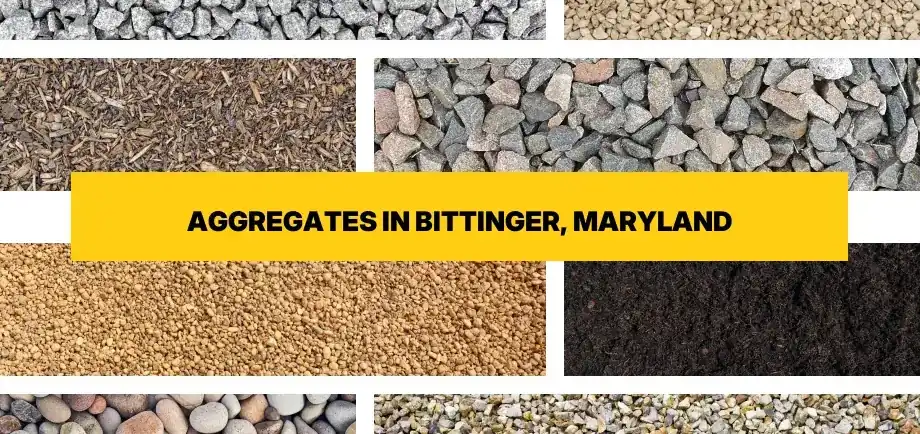
Shop Aggregates for Delivery in Bittinger
Order online for free delivery to any Bittinger address.


Gravel Monkey delivers premium aggregates and landscaping materials throughout Bittinger, Maryland and the surrounding Garrett County region. Whether you're building a mountain driveway, creating drainage solutions for your property near Accident, or landscaping around your home in this scenic Appalachian community, we provide high-quality aggregates with completely free delivery. Our materials are specifically selected to perform well in Bittinger's unique climate, with its cold winters, freeze-thaw cycles, and mountain terrain challenges.
Complete Range of Aggregates Available in Bittinger
Bittinger properties face unique challenges with steep terrain, significant snowfall averaging 120 inches annually, and temperature swings that test materials. We offer aggregates designed to handle these mountain conditions while providing lasting performance for residential and commercial projects across the region.
- Driveway Gravel - Engineered aggregate blend for stable mountain driveways that resist washout
- 3/4 Inch Crushed Stone - Versatile aggregate for driveways, foundations, and drainage applications
- #57 Stone - Popular crushed aggregate for drainage systems and concrete base layers
- Crusher Run - Compactable base aggregate that locks together for maximum stability
- Road Base - Heavy-duty aggregate foundation material for driveways and rural roads
- Drain Rock - Clean aggregate specifically graded for optimal water flow and drainage
- Pea Gravel - Smooth decorative aggregate for walkways and landscaping features
- River Rock - Natural rounded aggregate for gardens and decorative applications
- Walkway Gravel - Specially sized aggregate for comfortable pedestrian pathways
- Crushed Concrete - Eco-friendly recycled aggregate for budget-conscious projects
- Decomposed Granite - Natural granite aggregate fines for rustic pathways
- Topsoil - Nutrient-rich soil for gardens and landscaping in mountain environments
- Fill Dirt - Quality grading and leveling material for construction projects
- Mason Sand - Fine sand for masonry and construction applications
- Playground Sand - Safe, clean sand for play areas
- Washed Sand - Clean, fine sand for multiple project applications
Aggregates for Bittinger's Mountain Climate and Terrain
Bittinger sits at approximately 2,400 feet elevation in the Appalachian Plateau region of western Maryland. This mountain location brings specific challenges that demand properly selected aggregates. The area experiences significant freeze-thaw cycles from November through April, with temperatures regularly dropping below freezing at night and climbing above freezing during the day. This cycling can destroy improperly installed aggregates and wreak havoc on driveways and foundations.
The geology of Bittinger consists primarily of shale, sandstone, and limestone bedrock covered by acidic mountain soils. These well-drained soils are common throughout Garrett County, but they can be thin in places, especially on hillsides where bedrock lies close to the surface. When planning any project requiring aggregates near Grantsville, McHenry, or other nearby communities, understanding these soil characteristics ensures proper material selection and installation depth.
Drainage Challenges in Mountain Settings
With annual precipitation exceeding 45 inches and snowfall that regularly tops 10 feet, proper drainage becomes critical for any Bittinger property. Water must move away from foundations, driveways, and structures to prevent ice damage during winter months. The steep terrain common throughout the region actually helps with natural drainage, but strategic placement of drain rock and properly graded aggregates prevents erosion and channeling that can destroy driveways and damage property.
Properties near Accident Road, along Maryland Route 495, and throughout the rural areas surrounding Bittinger benefit from crushed stone applications that allow water to percolate through while maintaining structural integrity. Many homeowners in this region have found that combining a compacted base layer of crusher run with a top dressing of three-quarter inch crushed stone creates driveways that handle both drainage and the punishment of snowplow traffic during harsh winters.
Choosing the Right Aggregates for Your Bittinger Project
Different projects demand different aggregate characteristics. Understanding the strengths of each material helps ensure your Bittinger property gets the right product for lasting results. Here's a comprehensive comparison of our most popular aggregates:
| Aggregate Type | Best Applications | Compaction Quality | Drainage Rating | Mountain Suitability |
|---|---|---|---|---|
| Crusher Run | Driveway base, roads, parking areas | Excellent | Moderate | Outstanding for steep grades |
| 3/4" Crushed Stone | Driveways, foundations, drainage | Very Good | Excellent | Excellent stability |
| #57 Stone | Drainage systems, concrete base | Good | Excellent | Great for water management |
| Road Base | Heavy traffic areas, rural roads | Excellent | Good | Perfect for mountain roads |
| Pea Gravel | Walkways, landscaping, decorative | Fair | Very Good | Good for flat areas |
| Drain Rock | French drains, foundation drainage | Poor | Outstanding | Essential for wet areas |
| Decomposed Granite | Pathways, patios, rustic settings | Good | Good | Compacts well on slopes |
Aggregate Selection for Common Bittinger Projects
Mountain driveways throughout the Bittinger area require aggregates that can handle steep grades, heavy snow loads from winter plowing, and constant freeze-thaw pressure. Road base provides an incredibly stable foundation that compacts tight and resists frost heaving. Many contractors serving Garrett County prefer laying 6 to 8 inches of compacted road base, followed by 2 to 3 inches of three-quarter inch crushed stone for the wearing surface. This combination delivers years of reliable performance even on challenging slopes.
For properties dealing with spring runoff or areas where groundwater emerges from hillsides, drain rock installations prove invaluable. The rounded, uniform stones allow water to flow freely while preventing soil migration. Installing proper drainage using these aggregates protects foundations, prevents basement moisture issues common in mountain homes, and extends the life of driveways by moving water away from critical areas.
Serving Bittinger and Throughout Garrett County
Gravel Monkey proudly delivers aggregates to properties throughout the Bittinger area and neighboring communities. Our free delivery service extends to rural properties along Bumble Bee Road, throughout the areas near Grantsville to the east, south toward Accident, and west into the mountain regions approaching West Virginia. We understand the unique access challenges of mountain properties and work with homeowners and contractors to ensure successful delivery regardless of terrain.
Regional Expertise in Aggregate Applications
Garrett County presents distinct challenges compared to other parts of Maryland. The elevation changes, weather extremes, and soil conditions require specific knowledge for successful aggregate projects. Properties at higher elevations near McHenry or Deep Creek Lake face even more severe freeze-thaw cycles than lower elevation areas. The acidic soils throughout the region can be amended when using topsoil for gardens and lawns, but when selecting aggregates for structural applications, the focus must remain on drainage and compaction characteristics.
Many Bittinger properties feature long driveways climbing steep hillsides or winding through wooded areas. These situations demand aggregates that resist erosion during heavy rains and spring snowmelt. Crushed concrete has become increasingly popular for budget-conscious mountain property owners who need substantial quantities of aggregate for long driveways. This recycled material compacts well, handles drainage adequately, and costs less than premium crushed stone while still providing years of service.
Year-Round Aggregate Solutions for Mountain Properties
Bittinger's dramatic seasonal changes impact how aggregates perform and when installation works best. Understanding these seasonal factors helps property owners plan projects for optimal results and longevity.
Spring: Managing Snowmelt and Mud Season
Spring brings significant challenges as accumulated snow melts and frost leaves the ground. Many mountain driveways become nearly impassable during "mud season" when frost heaves and water saturation turn even gravel surfaces into rutted messes. This is actually an ideal time to address these issues. Once the ground firms up in late April or May, installing fresh aggregates restores driveways and prepares them for summer traffic. Properties near Accident and throughout lower elevations typically firm up earlier than higher mountain locations.
Summer and Fall: Prime Installation Season
June through October offers the best window for major aggregate projects in Bittinger. The ground is firm, equipment can access even remote properties, and aggregates have time to settle and compact before winter arrives. Many property owners take advantage of these months to install new driveways, expand parking areas, or complete landscaping projects using decorative aggregates like pea gravel or river rock. The relatively dry conditions during summer months also make it easier to achieve proper compaction of base materials.
Winter: Maintenance and Snow Management
Winter aggregate needs focus on maintenance rather than installation. Having a small stockpile of three-quarter inch crushed stone or driveway gravel allows you to fill potholes and ruts caused by snowplow traffic. The aggressive plowing necessary in an area that receives 10 feet of snow annually inevitably damages even the best driveways. Quick repairs prevent small problems from becoming major excavation projects come spring.
Popular Aggregate Applications Throughout Bittinger
Residential Driveway Construction
Mountain driveways represent the most common aggregate application in Bittinger. A properly constructed driveway starts with excavation to stable soil or bedrock, particularly important on hillsides where unstable fill may exist. A base layer of compacted crusher run, typically 6 to 8 inches deep, creates the structural foundation. This gets topped with 2 to 4 inches of wearing surface material, usually three-quarter inch crushed stone or specialized driveway gravel formulated to lock together and resist displacement.
Steep driveways common throughout the Bittinger area benefit from aggregates that interlock well. Number 57 stone, while excellent for drainage applications, tends to roll on steep grades. Road base or crusher run provides much better traction and stability on slopes exceeding 10 percent. For extremely steep sections, some property owners incorporate geotextile fabric beneath the aggregate to prevent migration and provide additional reinforcement.
Foundation Drainage Systems
Mountain homes often deal with groundwater issues as water moves downslope through soil layers. Proper foundation drainage using drain rock prevents basement moisture problems and protects structural integrity. A typical installation involves excavating alongside the foundation, installing perforated drain pipe surrounded by clean drain rock, and wrapping the system in filter fabric to prevent soil intrusion. This allows water to flow freely around foundations rather than building up pressure against walls.
Landscaping and Decorative Applications
While structural aggregates dominate Bittinger projects, decorative materials create beautiful outdoor spaces. River rock works wonderfully for dry creek beds that manage stormwater while adding visual interest. Pea gravel creates comfortable walking surfaces for pathways around gardens and between buildings. Decomposed granite offers a natural-looking surface for rustic pathways that blend with the mountain environment. These materials transform functional spaces into attractive landscape features while still addressing practical drainage needs.
Erosion Control on Slopes
Managing erosion on steep slopes presents ongoing challenges for Bittinger property owners. Strategic placement of larger riprap rock along vulnerable areas prevents soil loss during heavy rains. For gentler slopes, crusher run or road base can be shaped and compacted to create stable terraces or redirect water flow. Many properties combine vegetation with aggregate solutions, using stone to stabilize critical areas while plants establish and provide long-term erosion resistance.
Estimating Aggregate Quantities for Your Project
Accurate quantity calculations prevent shortages that delay projects or excess material that wastes money. Understanding how to estimate aggregate needs ensures you order the right amount for your Bittinger property.
Basic Calculation Method
Start by measuring the area in square feet (length times width). Determine your desired depth in inches, then convert to feet by dividing by 12. Multiply area by depth to get cubic feet, then divide by 27 to convert to cubic yards - the standard unit for ordering aggregates. For example, a 50-foot by 12-foot driveway with 4 inches of aggregate needs: (50 x 12) = 600 square feet x 0.33 feet deep = 198 cubic feet ÷ 27 = 7.3 cubic yards. Always round up and add 10 percent for waste and settling.
Depth Recommendations by Application
Driveway base layers using crusher run or road base should be 6 to 8 inches compacted for residential use, more for areas supporting heavy trucks. Wearing surface layers need 2 to 4 inches. French drains require 4 to 6 inches of drain rock surrounding the pipe. Walkways using pea gravel or walkway gravel perform well at 2 to 3 inches depth. Decorative applications with river rock typically use 2 to 4 inches depending on stone size and desired appearance.
Compaction Factors
Aggregates compact significantly under traffic and mechanical compaction. Materials like crusher run may compact 20 to 30 percent, meaning that 10 inches of loose material yields only 7 to 8 inches compacted. When calculating quantities for base layers, account for this compaction by increasing your order accordingly. Topsoil and fill dirt also compact, though less dramatically than angular aggregates. Our team can help refine calculations based on specific materials and project requirements for your Bittinger property.
Best Practices for Aggregate Installation in Mountain Terrain
Site Preparation
Proper preparation determines project success more than any other factor. Remove all vegetation, roots, and unstable soil from the project area. On slopes, create a stable platform by excavating into firm soil or bedrock rather than simply piling aggregate on top of existing grade. Poor preparation leads to settling, rutting, and premature failure regardless of aggregate quality.
Drainage Integration
Every aggregate project in Bittinger should incorporate drainage planning. Water must move away from structures and off driving surfaces. This might mean installing culverts under driveways, creating cross-slope drainage swales, or adding dedicated drainage systems using perforated pipe and drain rock. The investment in proper drainage pays dividends by extending aggregate life and preventing erosion damage.
Compaction Techniques
Mechanical compaction is essential for structural applications. Plate compactors work well for small areas and thin lifts. Larger projects benefit from vibratory rollers that compact deeper layers more effectively. Compact aggregates in lifts no thicker than 6 inches, wetting material slightly if needed to achieve optimal compaction. Multiple thin lifts compact better than one thick layer. For remote properties where bringing in compaction equipment proves difficult, allowing traffic to gradually compact the surface over several weeks can work, though mechanical compaction yields superior results.
Frequently Asked Questions About Aggregates in Bittinger
For steep mountain driveways in Bittinger, crusher run and road base provide the best performance. These materials compact tightly and interlock to resist sliding on slopes. A 6 to 8 inch compacted base of crusher run topped with 2 to 3 inches of three-quarter inch crushed stone creates a stable surface that handles both steep grades and snowplow traffic during harsh Garrett County winters.
Preventing washout requires proper drainage design and appropriate aggregate selection. Install culverts or drainage swales to move water across rather than down your driveway. Use compacted crusher run or road base for the foundation, which resists erosion better than loose stone. Consider adding water bars - small ridges that divert water off the driving surface - every 50 to 100 feet on steep sections. Proper installation and maintenance of these systems protects your investment from spring runoff common throughout the Bittinger area.
While technically possible year-round, late spring through fall offers the best installation window in Bittinger. Ground frost from November through March makes excavation difficult and prevents proper compaction. Spring mud season, typically March through early May, creates access challenges and prevents adequate compaction. June through October provides ideal conditions with firm ground, accessible sites, and time for materials to settle before winter. Emergency repairs can be made any time, but major installations should wait for favorable conditions.
Mountain driveways in Bittinger need more substantial aggregate depth than flat terrain applications. Plan for 6 to 8 inches of compacted base material like crusher run or road base, plus 2 to 4 inches of wearing surface material such as three-quarter inch crushed stone or driveway gravel. This creates a total depth of 8 to 12 inches of compacted aggregate. Steeper slopes, areas with poor drainage, or sections that support heavy vehicles may require additional depth for long-term stability.
Bittinger's mountain climate brings challenges uncommon in lower elevation Maryland areas. The extreme freeze-thaw cycling, with temperatures regularly crossing the freezing point multiple times daily during transitional seasons, demands aggregates with excellent drainage to prevent frost heaving. The heavy snowfall and aggressive plowing required means wearing surfaces must resist displacement better than coastal Maryland locations. Aggregates that compact tightly and drain well, like crusher run bases with crushed stone wearing surfaces, perform best in these demanding conditions typical of Garrett County.
Yes, Gravel Monkey specializes in delivering aggregates to remote and rural properties throughout the Bittinger area and surrounding Garrett County. We service properties along mountain roads, remote areas near Grantsville, Accident, and throughout the region with our free delivery service. We work with property owners to determine the best access route and timing for successful delivery even to challenging mountain locations. Contact us to discuss your specific property access and we will coordinate delivery to meet your needs.
Crusher run is a blend of stone sizes from dust up to approximately one inch, while three-quarter inch crushed stone is more uniformly sized around three quarters of an inch. Crusher run compacts extremely well because the fine particles fill voids between larger stones, creating a tight, stable base ideal for driveways and roads. Three-quarter inch crushed stone drains better and provides a firmer, less muddy surface, making it excellent for wearing surfaces or areas requiring superior drainage. Many Bittinger installations use crusher run for the base and three-quarter inch stone for the top layer, combining the strengths of both materials.
Winter maintenance in Bittinger focuses on addressing damage quickly and preparing for spring repairs. Keep a small stockpile of three-quarter inch crushed stone or driveway gravel to fill ruts and potholes created by snowplow traffic. After major plowing events, rake displaced stone back onto the driving surface. Come spring, grade the surface to restore proper crown and drainage before adding fresh aggregate to worn areas. This proactive maintenance extends driveway life and prevents small problems from becoming major repair projects in the challenging mountain environment.
Free Aggregate Delivery Throughout Bittinger and Garrett County
Whether you are building a new mountain driveway, improving drainage around your property, creating attractive landscaping features, or tackling any project requiring quality aggregates, Gravel Monkey delivers the materials you need throughout Bittinger and the surrounding Maryland region. Our comprehensive selection of aggregates, from structural materials like crusher run and road base to decorative options like river rock and pea gravel, ensures you find the perfect solution for your specific application and mountain terrain challenges.
We understand the unique demands of western Maryland mountain properties and stock aggregates proven to perform in Garrett County's challenging climate. Our free delivery service eliminates the hassle and expense of transporting materials yourself, and our team provides expert guidance on material selection, quantity calculations, and installation best practices specific to your Bittinger property. Contact us today to discuss your project needs and experience the difference that quality aggregates and knowledgeable service make for mountain property projects throughout the region.

Need help? Reach out for a quote: