Shop Sand, Stone & Gravel in Luke, Maryland
Local Topsoil, Dirt, Sand, Rocks and Gravel near me in Luke, Maryland
Shop Aggregates for Delivery in Luke
Order online for free delivery to any Luke address.


Nestled in the Appalachian Mountains of western Maryland along the Potomac River, Luke presents unique challenges for property owners seeking quality aggregates and construction materials. Gravel Monkey delivers premium gravel, crushed stone, and landscaping materials throughout Luke, MD, with free delivery to your property. Whether you're building a mountain driveway near the historic paper mill district, creating drainage solutions along Route 135, or improving properties near Westernport Road, our comprehensive selection of aggregates meets the specific demands of Allegany County's terrain and climate.
Complete Aggregate & Material Selection for Luke Projects
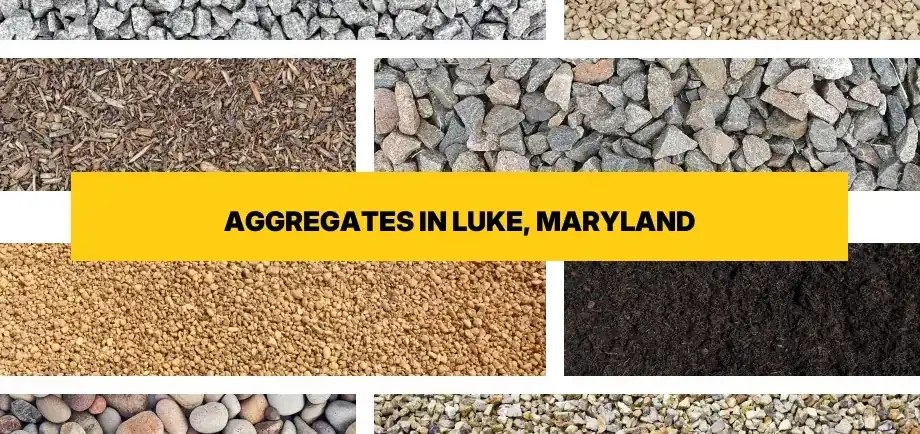
Understanding Luke's mountainous geography, clay-based soils, and significant seasonal precipitation, we provide specialized aggregates designed for western Maryland conditions. Our inventory serves residential properties, commercial developments, and municipal projects throughout the Luke area:
- Driveway Gravel - Heavy-duty material engineered for steep mountain driveways and inclined access roads
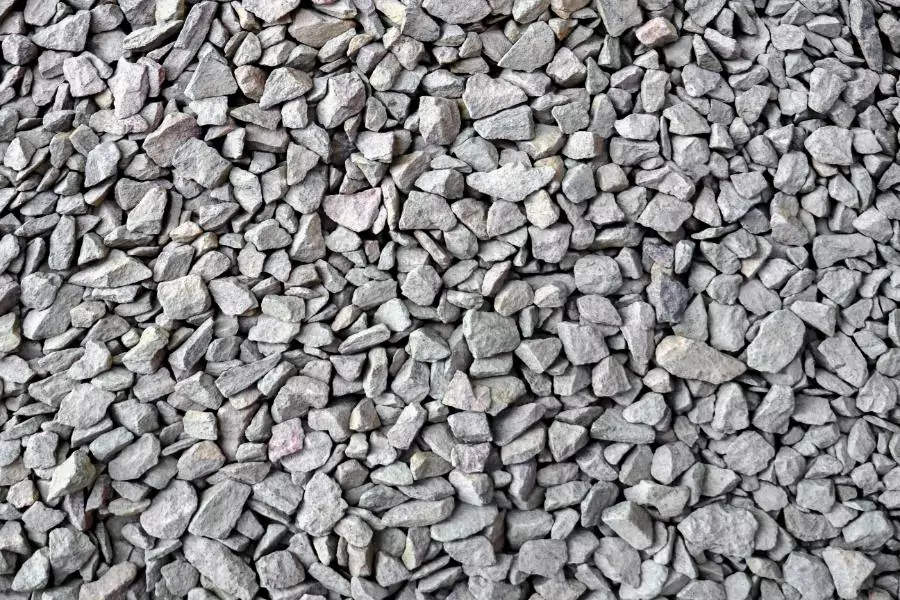
- 3/4 inch Crushed Stone - Versatile angular aggregate for foundations, driveways, and drainage applications
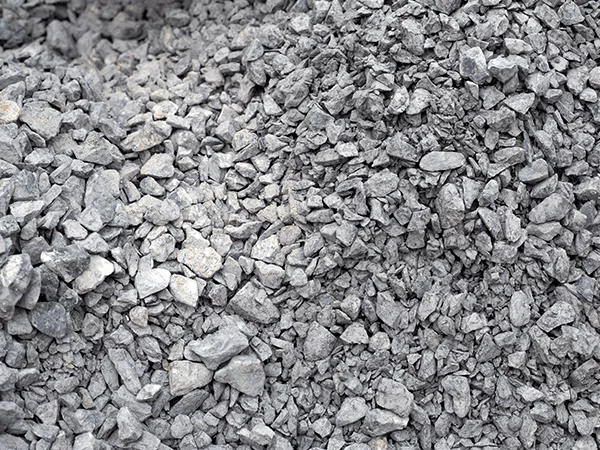
- #57 Stone - Industry-standard crushed stone for French drains, septic fields, and around foundation walls
- Crusher Run - Self-compacting base material ideal for Luke's challenging mountain terrain
- Road Base - Heavy-duty foundation aggregate for access roads and parking areas on steep grades
- Drain Rock - Angular stone specifically designed for water management in clay-heavy soils
- Pea Gravel - Smooth decorative stone for pathways, gardens, and landscaping features
- River Rock - Natural Potomac River-style stone for aesthetic landscaping applications
- Walkway Gravel - Decorative aggregate perfect for garden paths and outdoor spaces
- Crushed Concrete - Sustainable recycled aggregate for eco-conscious construction projects
- Topsoil - Rich planting medium for gardens and lawn establishment
- Fill Dirt - Essential material for grading, leveling, and site preparation work
- Mason Sand - Fine-grade sand for masonry, brick laying, and concrete mixing
- Playground Sand - Safe, clean sand meeting safety standards for play areas
- Washed Sand - Clean, multi-purpose sand for various construction applications
- Decomposed Granite - Natural pathway material that compacts firmly for stable walking surfaces
Addressing Luke's Unique Drainage Challenges
Luke's location in the Potomac River valley, combined with the area's clay-rich Appalachian soils, creates significant water management challenges for property owners. The region receives approximately 42 inches of annual precipitation, with heavy spring rains and winter snowmelt testing drainage systems throughout the mountainous terrain. Properties along the lower elevations near the Potomac experience seasonal flooding concerns, while hillside homes face erosion and runoff issues.
The indigenous Monongahela and Hampshire formations underlying Luke contain substantial clay content that restricts natural drainage. This impermeable soil structure requires strategic aggregate placement to channel water effectively. French drain installations using angular drain rock provide essential water diversion around foundations, particularly for properties built into hillsides along Old Forge Road and throughout the Mill Area neighborhoods.
Critical Drainage Applications for Luke Properties
Several aggregate solutions address Luke's specific water management needs. Number 57 stone excels in septic system drainage fields, providing the void space necessary for proper percolation in clay soils. Foundation perimeter drains require angular stone that won't compact over time, maintaining water flow channels even under the pressure of saturated soil conditions. Retaining wall backfill demands free-draining aggregates to prevent hydrostatic pressure buildup that could compromise structural integrity on Luke's steep building sites.
Driveway crowning using properly graded aggregates directs surface water to edges, preventing pooling that leads to frost heaving during Luke's cold winters when temperatures regularly drop below freezing. The combination of adequate drainage aggregate depth and appropriate stone angularity ensures long-term driveway performance on mountain properties where water flow management makes the difference between success and costly repairs.
Mountain Driveway Construction for Luke's Terrain
Luke's dramatic topography presents unique challenges for driveway construction and maintenance. Properties scattered across the hillsides and valleys require specialized aggregate approaches to handle steep grades, heavy vehicle loads, and the area's significant freeze-thaw cycles. Winter temperatures frequently dropping into the teens and twenties Fahrenheit create conditions where inferior materials fail quickly.
The optimal approach for mountain driveways in Luke involves layered aggregate installation. A foundation layer of crusher run provides compactable stability that resists settling even on steep slopes. This base material contains stone fines that interlock when compacted, creating a solid platform that maintains integrity under the stress of vehicles navigating inclined surfaces. Properties along Doran Hill Road and throughout the elevated neighborhoods benefit from this proven construction method.
Steep Grade Driveway Specifications
For Luke driveways exceeding a ten percent grade, the three-quarter inch crushed stone surface layer offers superior traction compared to smooth aggregates. The angular nature of crushed stone prevents vehicle slippage during wet conditions or winter ice events. This becomes particularly critical for properties accessing Route 135 or climbing toward the upper elevations where grades often reach fifteen to twenty percent.
Proper driveway width on mountain properties requires consideration of turning radius and vehicle clearance. A minimum twelve-foot width accommodates delivery trucks and emergency vehicles, essential for properties in Luke's more remote areas. Edge restraint using larger stone or landscape timbers prevents aggregate migration on steep sections, maintaining defined driving surfaces that don't erode during heavy rain events common to western Maryland.
| Aggregate Type | Best Luke Applications | Drainage Rating | Compaction Level |
|---|---|---|---|
| Crusher Run | Driveway base, road foundation | Moderate | Excellent |
| 3/4" Crushed Stone | Driveway surface, foundation perimeter | Very Good | Good |
| #57 Stone | French drains, septic fields | Excellent | Fair |
| Road Base | Heavy traffic areas, parking lots | Good | Excellent |
| Drain Rock | Foundation drainage, retaining walls | Excellent | Poor |
| Pea Gravel | Decorative landscaping, paths | Good | Fair |
| Crushed Concrete | Budget driveways, temporary roads | Good | Good |
Serving Luke's Diverse Neighborhoods and Districts
Gravel Monkey provides free aggregate delivery throughout Luke's distinct communities and surrounding areas. Each neighborhood presents specific material requirements based on elevation, soil conditions, and development patterns characteristic of this historic Potomac River town.
Mill Area and Historic District
The former paper mill area near the river includes older residential properties and redevelopment sites requiring specialized aggregate solutions. Many foundations here date to the early twentieth century and need proper drainage materials to protect against the high water table proximity. The clay soils common to river valley locations demand angular aggregates for effective water management around basement walls and under slab foundations.
Upper Elevations and Mountain Properties
Properties climbing the hillsides above the valley floor experience different challenges than lower elevation locations. Steeper driveways require more aggressive base preparation and angular surface aggregates for traction. These elevated sites often feature better natural drainage but demand careful erosion control during construction phases. The expansive views come with exposure to winter weather that tests aggregate performance under freeze-thaw cycling.
Route 135 Corridor Properties
Development along the main highway through Luke includes both residential and commercial properties requiring heavy-duty aggregate applications. Parking areas serving businesses need substantial base depth and proper crowning for longevity. Residential driveways connecting to Route 135 require adequate turnaround space and visibility considerations that influence aggregate layout and quantity requirements.
Westernport Road Area
This section connecting Luke to neighboring Westernport includes rural properties with longer access drives and larger land parcels. Agricultural and recreational land uses here often need bulk aggregate deliveries for farm lanes, equipment pads, and riding arena construction. The mixed residential and agricultural character creates diverse material needs from decorative landscaping stone to heavy-duty road base.
Doran Hill and Elevated Neighborhoods
The hillside communities offer spectacular views but present significant construction and maintenance challenges. Long, steep driveways require extra aggregate volume for proper depth and width. Many properties here feature retaining walls and terraced landscapes that need backfill drainage materials. Snow removal and ice management during winter months benefit from proper aggregate selection that maintains traction without excessive plowing damage.
Seasonal Factors for Luke Aggregate Projects
Western Maryland's four-season climate significantly impacts aggregate selection and installation timing for Luke properties. Understanding these seasonal influences helps property owners plan projects for optimal results and long-term performance.
Spring Installation Considerations
Luke's spring season brings heavy precipitation and snowmelt that saturates clay soils throughout April and May. While this moisture creates challenging installation conditions, it's also the preferred season for identifying drainage problems. Property owners can observe where water accumulates and design aggregate solutions accordingly. Spring aggregate deliveries should account for wet ground conditions that may require delivery trucks to stay on harder surfaces to avoid rutting soft lawns.
Summer Construction Season
June through August provides the driest and warmest conditions for aggregate projects in Luke. Summer temperatures averaging in the seventies and low eighties Fahrenheit create ideal compaction conditions for crusher run and road base installations. The firm, dry ground allows heavy equipment access to remote property areas that become inaccessible during wetter months. Many Luke residents schedule major driveway and landscaping projects during this optimal construction window.
Fall Preparation Projects
September and October offer a second favorable period for aggregate work before winter arrives. Fall installations allow materials to settle and compact through the remaining autumn rains before freeze-up. Property owners often use this season to repair winter damage and prepare surfaces for the coming cold months. The cooler temperatures make physical work more comfortable while still providing dry enough conditions for proper material placement.
Winter Maintenance Needs
Luke's winters bring regular freezing temperatures, snow accumulation, and ice formation that test aggregate installations. Driveways with inadequate base depth or improper drainage suffer frost heaving and surface deterioration. The area's freeze-thaw cycles create destructive expansion and contraction forces. Properly installed aggregate systems with appropriate depth and drainage design withstand these conditions, while marginal installations require frequent maintenance and eventual reconstruction.
Understanding Luke's Soil and Geological Foundations
The geology underlying Luke significantly influences aggregate selection and installation methods. Property owners benefit from understanding how the area's distinctive soil characteristics affect construction projects and long-term material performance.
Appalachian Clay Formations
Luke sits within the Appalachian Mountain system where ancient geological processes created predominantly clay-based soils. These fine-textured soils expand when wet and shrink during dry periods, creating movement that affects everything built upon them. The Monongahela formation particularly prevalent in this area contains high clay content that makes it nearly impermeable to water. This characteristic necessitates artificial drainage using appropriate aggregates wherever water must move through or away from structures.
Riverside Alluvial Deposits
Properties near the Potomac River encounter different soil conditions than hillside locations. Alluvial deposits from centuries of river flooding create stratified layers of silt, sand, and clay. While these soils may offer better natural drainage than pure clay, they also present bearing capacity concerns for heavy structures. Aggregate installations in riverside areas require attention to depth and proper compaction to prevent settling into softer underlayers.
Bedrock Proximity Variations
The depth to bedrock varies considerably across Luke's landscape. Some elevated properties encounter rock within a few feet of the surface, while valley floor locations may have deep soil profiles. Shallow bedrock areas simplify excavation for foundations but may require special consideration for septic systems and utility trenches. These properties often need less aggregate depth for stable driveways since bedrock provides solid bearing just below the surface.
Erosion Control Requirements
The combination of steep slopes and heavy precipitation makes erosion a constant concern in Luke. Bare soil on construction sites or disturbed areas quickly washes away during rainstorms. Aggregate applications for erosion control include rip-rap along drainage channels, crushed stone on steep banks, and proper surface crowning to direct water flow. Many properties benefit from terracing with aggregate-filled retaining walls that create buildable space while controlling erosion on otherwise unusable steep ground.
Commercial and Municipal Aggregate Applications
Beyond residential uses, Luke's commercial properties and municipal projects require substantial aggregate volumes for various applications. Gravel Monkey serves contractors, developers, and local government entities with reliable delivery of construction-grade materials meeting specification requirements for professional installations.
Business Parking and Access
Commercial properties along Route 135 and throughout Luke's business areas need properly constructed parking surfaces that handle daily traffic and heavy weather exposure. Road base provides the foundation for asphalt parking lots, while crushed concrete offers a budget-friendly option for gravel parking areas serving light commercial uses. Delivery vehicle access requires adequate surface width and turning radii using sufficient aggregate depth to prevent rutting under loaded trucks.
Municipal Road Maintenance
Allegany County maintains numerous unpaved roads throughout the Luke area requiring periodic aggregate applications. Crusher run effectively rebuilds deteriorated gravel road surfaces, while the three-quarter inch crushed stone provides wearing course material that resists rutting. Municipal specifications typically dictate gradation requirements and compaction standards that quality aggregate suppliers meet through properly sourced and processed materials.
Utility Construction Projects
Water line extensions, sewer improvements, and utility upgrades regularly occur throughout Luke and surrounding communities. These projects require backfill aggregates, trench stabilization materials, and surface restoration products. Mason sand provides ideal bedding for underground utilities, while washed sand suits many backfill applications. Utility contractors appreciate reliable aggregate delivery that keeps projects on schedule without delays waiting for materials.
Decorative Landscaping Aggregates for Luke Properties
While functional aggregates like crusher run and drain rock serve critical construction purposes, decorative stone products enhance Luke's residential landscapes with visual appeal and low-maintenance beauty. The mountainous setting provides a natural backdrop where carefully selected landscaping aggregates complement the surrounding environment.
Pathways and Garden Borders
Pea gravel creates attractive garden pathways that drain quickly and provide comfortable walking surfaces. The smooth, rounded stones feel pleasant underfoot and work well for Luke's informal garden designs that echo the natural landscape. River rock in various sizes establishes distinct planting bed borders that define garden areas while preventing soil erosion during heavy rains. Walkway gravel offers another decorative option with color variations that add visual interest to outdoor spaces.
Water Feature Surrounds
Properties incorporating decorative ponds, fountain features, or rock gardens benefit from river rock's natural appearance. The water-tumbled stones create authentic-looking stream beds and shoreline treatments. Various sizes allow creative designs ranging from delicate edging using smaller stones to bold statements with large river rocks serving as focal points. The natural grays and earth tones complement Luke's forested surroundings and integrate man-made features into the landscape.
Low-Maintenance Landscaping
Many Luke property owners embrace low-maintenance landscaping approaches that reduce lawn care demands while maintaining attractive outdoor spaces. Decomposed granite creates naturalistic pathway surfaces that compact firmly and suppress weed growth. The material's fine texture and warm color palette suits contemporary landscape designs seeking clean lines and minimal upkeep. Strategic placement of decorative aggregates reduces mowing areas and creates definition between functional zones and aesthetic elements.
Planning Your Luke Aggregate Project
Successful aggregate projects begin with proper planning and accurate material estimation. Understanding Luke's specific conditions helps property owners make informed decisions about material selection, quantities, and installation methods that ensure long-lasting results.
Calculating Material Quantities
Accurate quantity estimation prevents costly shortages or expensive overages. For driveway projects, measure the length and width in feet, then multiply by the desired depth (typically four to six inches, converted to feet). Divide this result by twenty-seven to convert cubic feet to cubic yards. A standard residential driveway twelve feet wide and one hundred feet long with four-inch depth requires approximately fifteen cubic yards of aggregate. Always order ten to fifteen percent extra to account for settling, variations in depth, and material loss during installation.
Site Preparation Requirements
Proper site preparation significantly impacts final results. Remove all organic material including topsoil, roots, and vegetation from areas receiving aggregate. Luke's clay soils may require undercutting deeper than anticipated if soft or unstable conditions exist. Consider geotextile fabric placement between existing soil and new aggregate to prevent mixing and improve long-term performance. This step particularly benefits properties with clay-heavy soils where aggregate can gradually work downward into softer underlayers.
Delivery Logistics and Access
Communicate clearly with delivery drivers about site access limitations and desired material placement locations. Luke's mountain properties often present challenges including steep driveways, narrow roads, and overhead obstacles like power lines and tree branches. Dump truck requirements typically include minimum twelve-foot width, fourteen-foot height clearance, and adequate turnaround space. Properties with restricted access may need materials dropped at road edges for redistribution using smaller equipment or manual methods.
Installation Best Practices
Proper aggregate installation techniques extend material lifespan and improve performance. Spread materials in lifts not exceeding four inches, compacting each layer before adding the next. Use vibrating plate compactors for thinner lifts and heavy rollers for thicker base course applications. Maintain proper crown or slope for drainage, typically one-quarter inch per foot for driving surfaces. Edge restraint prevents aggregate migration and maintains defined boundaries between functional areas and landscaping features.
Frequently Asked Questions About Gravel and Aggregates in Luke, MD
Crusher run provides the best base for steep Luke driveways, offering excellent compaction and stability on grades. Top with three-quarter inch crushed stone for traction. The angular nature prevents slippage during wet conditions or winter ice, critical for properties with inclines exceeding ten percent. Proper depth of at least six inches ensures the driveway withstands heavy vehicle use and freeze-thaw cycles common to western Maryland winters.
Luke's clay-heavy Appalachian soils retain moisture and restrict natural drainage, making angular aggregates essential for water management. Number 57 stone and drain rock create void spaces that allow water flow around foundations and through French drain systems. The clay's expansive nature when wet demands proper aggregate depth and placement to prevent foundation movement and basement water intrusion during Luke's wet spring seasons.
Standard residential driveways in Luke require four to six inches of compacted aggregate depth. Properties with steep grades, heavy vehicle traffic, or soft underlying soil conditions benefit from six to eight inches. Commercial applications and areas serving delivery trucks need eight to twelve inches depending on anticipated loads. The base layer using crusher run or road base provides compactable stability, while the surface layer of crushed stone offers traction and durability.
Winter aggregate installation is possible but not ideal in Luke. Frozen ground prevents proper compaction and frozen moisture in existing soil creates unstable conditions. Ground preparation becomes difficult when temperatures stay below freezing. Emergency repairs sometimes necessitate winter work, but plan major projects for spring through fall when temperatures stay above forty degrees Fahrenheit and ground remains workable for optimal compaction and settling.
Gravel Monkey provides FREE delivery throughout Luke and surrounding Allegany County areas. Material costs vary by aggregate type, with crushed stone, crusher run, and road base typically priced per cubic yard or ton. Decorative materials like river rock and pea gravel command premium pricing due to processing requirements. Request detailed quotes specifying material type, quantity needed, and delivery location for accurate project budgeting.
Crusher run and road base both serve as compactable base materials but differ in composition and applications. Crusher run contains a wider range of stone sizes from dust to larger angular pieces, creating excellent interlock when compacted. Road base includes more uniform sizing with specific gradation meeting DOT specifications for heavy traffic applications. Both work well in Luke's mountain terrain, with crusher run suitable for most residential uses and road base preferred for commercial parking areas and high-traffic applications.
Geotextile fabric is highly recommended for Luke properties due to clay-heavy soils that tend to mix with overlying aggregates over time. The fabric barrier prevents aggregate migration downward into softer soil while allowing water to pass through for drainage. This separation extends material lifespan and maintains stable surfaces. Use heavy-duty non-woven geotextile fabric rated for driveway applications, overlapping seams twelve inches and securing edges before spreading aggregates.
Western Maryland's geology provides excellent local aggregate sources. Quarries throughout Allegany County produce crushed stone from limestone and sandstone formations characteristic of the region. These locally sourced materials reduce transportation costs and environmental impact while providing aggregates naturally suited to area soil and climate conditions. Crushed concrete from recycled construction materials offers another regional option for environmentally conscious projects seeking sustainable building products.
Get Started with Your Luke Aggregate Project
Whether you're building a new mountain driveway near Doran Hill, installing French drains to protect your Mill Area property, or creating decorative landscapes along Westernport Road, Gravel Monkey delivers the premium aggregates and expert guidance your Luke project demands. Our comprehensive material selection addresses western Maryland's unique challenges including steep terrain, clay soils, heavy precipitation, and freeze-thaw cycles that test inferior materials.
Free delivery throughout Luke and Allegany County eliminates transportation hassles and ensures materials arrive when your project needs them. Our team understands the specific conditions affecting aggregate performance in mountainous environments and can recommend optimal solutions for your property's elevation, soil type, and intended use. From crusher run base materials to decorative river rock, we supply the aggregates that perform in Luke's demanding climate and challenging topography.
Contact Gravel Monkey today to discuss your project requirements, receive accurate quantity estimates, and schedule convenient delivery to your Luke property. Experience the difference that quality aggregates and knowledgeable service make in creating long-lasting, functional, and attractive outdoor spaces throughout western Maryland's beautiful mountain landscape.

Need help? Reach out for a quote: