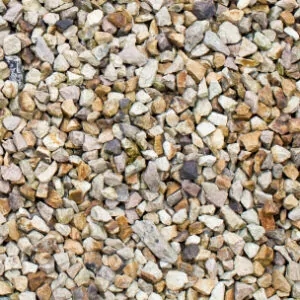

Rock & Driveway Gravel in Ewell, Maryland
Local Topsoil, Dirt, Sand, Rocks and Gravel near me in Ewell, Maryland
Shop Aggregates for Delivery in Ewell
Order online for free delivery to any Ewell address.
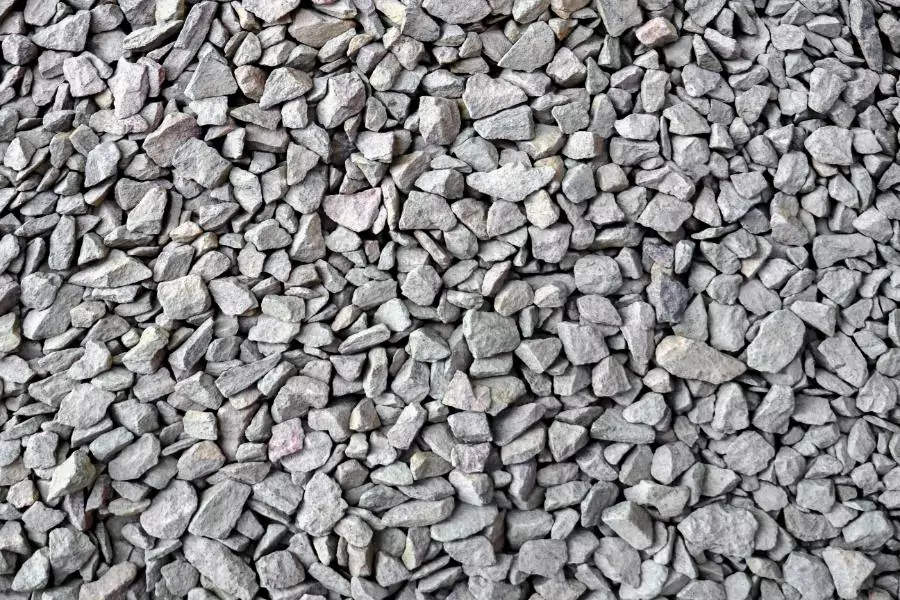
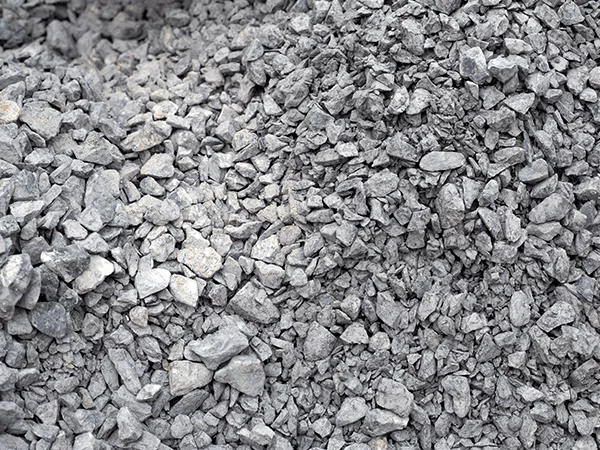


Gravel Monkey is your premier supplier of premium aggregates and bulk materials for Smith Island and Ewell, Maryland. Serving this unique Chesapeake Bay community with the same quality and reliability available throughout the Eastern Shore, we deliver everything from crushed stone to topsoil directly to your property with free delivery. Whether you're maintaining a historic island home, building new infrastructure, or creating landscaping features that can withstand the coastal environment, our comprehensive selection of aggregates meets every project need on Smith Island.
Premium Aggregates & Materials Available in Ewell
We provide a complete inventory of construction and landscaping aggregates specifically selected for Smith Island's unique environment. Our materials address the challenges of sandy coastal soil, high water tables, and the marine climate that characterizes Ewell and surrounding communities:
- Driveway Gravel - Superior compaction and drainage for lasting island driveways
- 3/4 inch Crushed Stone - Versatile angular aggregate for foundations and roadways
- #57 Stone - Clean drainage stone perfect for French drains and septic fields
- Crusher Run - Excellent compactable base material for stable construction
- Road Base - Professional-grade material for roads and heavy-duty applications
- Drain Rock - Critical for managing water in low-lying coastal properties
- Pea Gravel - Smooth decorative aggregate for pathways and gardens
- River Rock - Natural beauty for waterfront landscaping features
- Walkway Gravel - Attractive material for pedestrian paths throughout the island
- Topsoil - Nutrient-rich soil for island gardens and lawn establishment
- Fill Dirt - Essential for grading and elevation projects in flood-prone areas
- Crushed Concrete - Eco-friendly recycled aggregate for sustainable projects
- Mason Sand - Fine-grade sand for bricklaying and construction work
- Playground Sand - Safe, clean sand for play areas and recreational spaces
- Washed Sand - Multi-purpose clean sand for various applications
- Decomposed Granite - Natural stabilized aggregate for pathways and hardscaping
Understanding Ewell's Unique Aggregate Requirements
Ewell, the largest community on Smith Island in Somerset County, presents distinctive challenges that make proper aggregate selection crucial. As Maryland's only inhabited offshore island in the Chesapeake Bay, Smith Island sits just 3 feet above sea level at its highest point. This remarkable geography means every construction and landscaping decision must account for sandy soil composition, constant moisture exposure, and limited elevation.
The soil throughout Ewell and neighboring areas like Rhodes Point and Tylerton consists primarily of sandy loam characteristic of barrier island environments. This composition means aggregates must provide both stability and drainage simultaneously. The water table remains consistently high, often within 2-3 feet of the surface, making proper aggregate selection essential for any ground-level work. Foundations, driveways, and pathways all require materials that can handle this persistent moisture while maintaining structural integrity.
Annual precipitation averages 45 inches, with summer thunderstorms and occasional tropical systems bringing intense rainfall that tests drainage systems throughout the island. Winter temperatures typically range from 28°F to 45°F, while summers average 75°F to 88°F. The marine climate moderates temperature extremes but creates constant humidity that affects material longevity. Salt air from the Chesapeake Bay also influences material selection, as certain aggregates resist salt exposure and weathering better than others.
Critical Applications for Aggregates Throughout Smith Island
Foundation Stabilization and Building Support
Properties throughout Ewell face the challenge of building on sandy, waterlogged soil. Proper foundation preparation requires aggregates that provide load distribution while managing water infiltration. Crushed stone creates stable bases that won't shift or settle even with fluctuating moisture levels. The angular nature of crushed aggregates locks together under compression, forming rigid platforms that support structures despite underlying soil conditions.
For homes near the Rhodes Point harbor area or properties along the waterfront throughout Ewell, drainage becomes even more critical. Aggregates must channel water away from foundations to prevent undermining and settlement. The combination of properly graded stone and adequate depth ensures foundations remain stable throughout the wet seasons and storm events common to Chesapeake Bay coastal communities.
Driveway Construction in Island Environments
Smith Island's narrow lanes and residential driveways experience unique stress from constant moisture exposure. Unlike mainland driveways, island driveways deal with salt air, high humidity, and sandy base soils that provide minimal natural support. Successful driveway construction requires multiple aggregate layers working together to create a stable, well-drained surface.
Base layers typically use road base or crusher run compacted to 6-8 inches depth. These materials create the structural foundation, distributing vehicle weight and preventing rutting in the soft underlying sand. Surface layers may use additional crushed stone to provide a durable driving surface that sheds water effectively. Properties near Drum Point or along the main roads through Ewell benefit from this multi-layer approach that compensates for challenging soil conditions.
Drainage Systems for Low-Lying Properties
Managing water flow represents perhaps the most critical challenge for Ewell property owners. With elevation rarely exceeding a few feet above sea level and the water table persistently high, proper drainage prevents flooding, erosion, and foundation damage. French drains, swales, and drainage fields all depend on appropriately sized aggregates to function effectively.
Drain rock provides the open structure necessary for rapid water movement away from buildings and vulnerable areas. The clean, angular stones create void spaces that allow water to flow freely rather than pooling or creating saturation zones. Properties throughout Smith Island, particularly in lower-lying areas near the shoreline, rely on these drainage solutions to remain habitable during heavy rainfall and storm surge events.
Selecting the Right Aggregate for Your Ewell Project
Different applications throughout Smith Island require specific aggregate characteristics. Understanding these distinctions helps ensure your project succeeds in this challenging coastal environment:
| Aggregate Type | Primary Applications | Drainage Quality | Best For Island Use |
|---|---|---|---|
| Crusher Run | Driveway bases, road construction | Moderate | Structural stability in moist conditions |
| 3/4" Crushed Stone | Foundations, driveway surfaces | Excellent | Versatile all-purpose aggregate |
| #57 Stone | Drainage systems, septic fields | Superior | Water management in high water table |
| Road Base | Heavy-duty construction, parking areas | Good | Commercial and infrastructure projects |
| Pea Gravel | Landscaping, walkways | Good | Decorative applications with drainage |
| Drain Rock | French drains, foundation drainage | Excellent | Critical moisture management |
Aggregate Delivery Throughout Smith Island Communities
We proudly serve every area of Smith Island with the same commitment to quality and reliability. Our delivery logistics account for the unique requirements of island access, ensuring materials arrive on schedule regardless of location:
Ewell - As the island's largest community and home to the majority of year-round residents, Ewell sees the highest demand for construction aggregates. From historic homes requiring foundation work to new construction projects, properties throughout Ewell depend on quality materials that withstand the coastal environment. The central location around Ewell Harbor provides access to commercial fishing operations, residential properties, and community infrastructure all requiring specialized aggregate solutions.
Rhodes Point - This working waterfront community on the island's western side specializes in crabbing and oystering operations. Properties here face direct Chesapeake Bay exposure, making salt-resistant aggregates particularly important. Commercial docks, processing facilities, and residential properties all require materials that handle both structural demands and harsh marine conditions.
Tylerton - The island's southernmost village maintains its quiet, residential character with careful attention to environmental preservation. Properties in Tylerton often prioritize natural landscaping and sustainable construction practices. Aggregates here support everything from home additions to garden pathways while respecting the community's commitment to protecting the unique island ecosystem.
Drum Point - Located near historical sites and offering views across the Bay, this area combines residential properties with heritage tourism. Aggregate needs range from preserving historic structures to developing modern amenities that serve visitors while maintaining the area's authentic character.
Beyond these main communities, we deliver to properties throughout Smith Island, including isolated homes, seasonal residences, and commercial operations. Whether your project is in the heart of Ewell or at the most remote corner of the island, Gravel Monkey ensures you receive the same quality materials and professional service.
Smith Island Geology and Soil Characteristics
Understanding Smith Island's geological foundation provides crucial context for aggregate selection and project planning. The island represents a complex of marsh islands formed by sediment deposits from the Susquehanna River system over thousands of years. These deposits created the sandy, organic-rich soils that characterize the island today.
The soil profile typically consists of sandy loam topsoil overlying deeper sand deposits with varying amounts of organic matter from historic marsh vegetation. This composition offers minimal natural compaction or load-bearing capacity compared to mainland clay or rocky soils. Without proper aggregate bases, structures sink, shift, or experience differential settlement that damages foundations and infrastructure.
The island's position in the Chesapeake Bay subjects it to constant wave action, tidal fluctuations, and storm surge events that actively reshape the shoreline. Erosion remains an ongoing concern, particularly along exposed western and southern shores facing the Bay's main fetch. Properties near these areas benefit from aggregates that provide erosion resistance and can withstand periodic inundation from storm tides.
Groundwater on Smith Island comes from a shallow lens of fresh to brackish water floating atop denser saltwater below. This precarious water supply means any excavation or foundation work must consider the potential for saltwater intrusion. Proper aggregate selection and installation techniques help protect this vital resource while providing necessary construction support.
Seasonal Considerations for Aggregate Projects on Smith Island
Smith Island's location in the middle Chesapeake Bay creates distinct seasonal patterns that influence construction timing and material performance. Understanding these patterns helps ensure project success regardless of when work occurs.
Spring brings increased rainfall and rising water tables as winter precipitation drains and seasonal storms arrive. March through May averages 3-4 inches of rain monthly, with occasional nor'easters that can drop significantly more. This moisture surge makes spring an excellent time for drainage projects using drain rock and crushed stone, as you can immediately assess system performance under heavy water flow conditions.
Summer offers the most stable conditions for aggregate work throughout Ewell and surrounding areas. Lower rainfall from June through August, combined with higher temperatures and increased evaporation, means drier soil conditions ideal for compacting base materials. However, afternoon thunderstorms remain common, and tropical systems occasionally threaten the area. Projects should include contingency planning for weather interruptions even during typically dry months.
Fall represents prime construction season on Smith Island. September through November combines relatively dry weather with moderate temperatures perfect for working with aggregates. Compaction achieves excellent results in fall conditions, and cured installations have several months before the next wet season to stabilize completely. Many island residents schedule major driveway and foundation work during these optimal months.
Winter brings cold but rarely severe conditions to Ewell. Temperatures seldom drop below 20°F, and the Bay's thermal mass moderates extreme cold snaps. However, freezing and thawing cycles can affect aggregate installations, particularly those using fine materials. Projects completed in winter should account for potential frost heave in aggregates with poor drainage characteristics. Properly installed crushed stone bases resist frost damage effectively due to excellent drainage that prevents ice lens formation.
Professional Tips for Successful Aggregate Projects in Ewell
Years of experience delivering aggregates throughout Smith Island has taught us valuable lessons about what works in this unique environment. These insights help ensure your project achieves lasting success:
Plan for Extra Depth - Sandy soils throughout Ewell require deeper aggregate bases than typical mainland projects. Where a mainland driveway might use 4 inches of crusher run, island projects often benefit from 6-8 inches to achieve comparable stability. The additional depth compensates for the poor load-bearing capacity of underlying sand.
Prioritize Drainage - Every aggregate installation should incorporate drainage planning from the start. Even projects that don't seem water-related, like shed foundations or storage areas, need proper drainage to prevent undermining and settlement. The high water table means water management cannot be an afterthought on Smith Island.
Compact in Lifts - Rather than placing full depth aggregates and attempting to compact the entire mass, build your base in 2-3 inch lifts, compacting each layer thoroughly before adding the next. This approach achieves far superior density and stability, especially critical in the loose sandy soils found throughout Ewell and surrounding communities.
Consider Future Maintenance - Island logistics make returning with additional materials more complicated than mainland projects. When calculating quantities, consider purchasing slightly more aggregate than minimum requirements to have material available for future maintenance or touch-ups without requiring another delivery.
Account for Settlement - New aggregate installations on Smith Island typically experience some initial settlement as materials work into the sandy base and compact under use. Design your project with this expectation, creating slightly crowned surfaces that become level after settlement rather than attempting perfectly flat installations that may develop low spots.
Environmental Considerations and Sustainable Aggregate Use
Smith Island's status as a unique Chesapeake Bay ecosystem makes environmental stewardship crucial for all construction activities. Proper aggregate selection and installation practices protect the island environment while meeting project needs.
Choosing recycled aggregates like crushed concrete provides environmental benefits without compromising performance. These materials divert waste from landfills while offering comparable functionality to virgin aggregates for many applications. Properties throughout Ewell have successfully used crushed concrete for driveway bases, parking areas, and utility work.
Permeable aggregate surfaces help manage stormwater runoff while reducing strain on the island's limited drainage infrastructure. Pea gravel walkways, open-graded aggregate driveways, and landscaping features that use river rock all allow rainwater to infiltrate naturally rather than running off into ditches and waterways. This infiltration helps recharge the freshwater lens that supplies the island while reducing erosion and water quality impacts.
Careful project planning minimizes the footprint of aggregate installations. Rather than over-building driveways or hardscaped areas, consider the minimum functional area needed and design accordingly. Smaller installations require fewer materials to transport to the island, reducing the carbon footprint while lowering project costs. Strategic placement of aggregates where they provide maximum benefit, combined with naturalized areas where appropriate, creates attractive, functional properties with reduced environmental impact.
Simple Ordering Process for Smith Island Delivery
We understand that arranging material delivery to Smith Island involves additional logistical considerations compared to mainland locations. Our ordering process accounts for these unique requirements while keeping things simple for customers:
Start by determining your project scope and calculating approximate aggregate quantities. For most applications, measuring length and width in feet and multiplying by desired depth in inches, then dividing by 324, provides cubic yard requirements. Our team helps verify these calculations and ensures you order appropriate amounts for Smith Island conditions, where sandy soil may require additional base depth.
Contact us with your project details, location on Smith Island, and timeline. We coordinate delivery logistics specific to island access, accounting for ferry schedules, road conditions, and any special access considerations your property may require. Our experience serving Ewell and surrounding communities means we understand the planning necessary for successful island deliveries.
We confirm delivery schedules that work within the constraints of island transportation while meeting your project timeline. Once materials arrive, our professional delivery ensures aggregates are placed where needed, ready for your project to proceed. Free delivery throughout Smith Island means you pay only for materials, never for the additional effort required to serve this unique community.
Frequently Asked Questions About Aggregates in Ewell
For Smith Island driveways, we typically recommend a base layer of crusher run 6-8 inches deep for stability, topped with 3/4 inch crushed stone for the driving surface. This combination provides excellent compaction over sandy soil while maintaining drainage critical in the high water table environment. The angular crushed aggregates lock together better than rounded materials, creating stable surfaces that resist rutting even in moist conditions common throughout Ewell.
Smith Island's high water table, typically within 2-3 feet of the surface, makes drainage characteristics essential for any aggregate installation. Materials must allow water to flow through freely rather than creating saturation zones that cause settling or instability. This is why we emphasize open-graded aggregates like crushed stone and drain rock for foundation work and base layers throughout Ewell. Properly selected aggregates function effectively even when groundwater levels rise during wet seasons or storm events.
Many Smith Island residents successfully complete their own aggregate projects, particularly smaller applications like garden pathways or simple shed bases. However, significant projects involving driveways, building foundations, or complex drainage systems benefit from professional installation. The sandy soil conditions throughout Ewell require proper compaction techniques and drainage integration that experienced contractors understand thoroughly. We deliver to both homeowner projects and professional contractors, providing the same quality materials and service regardless of who performs the installation work.
Quantities vary significantly based on project scope and island soil conditions. A typical residential driveway 12 feet wide and 50 feet long with 6 inches of base aggregate requires approximately 11 cubic yards of material. Foundation preparations for a small shed might use 2-3 cubic yards, while a comprehensive drainage system could require 5-10 cubic yards depending on property size and water management needs. Our team helps calculate precise quantities for your specific Ewell property, accounting for Sandy soil conditions that may require additional depth compared to mainland recommendations.
Natural stone aggregates like crushed stone, river rock, and drain rock are inherently resistant to salt exposure from the Chesapeake Bay marine environment. Unlike some concrete products or recycled materials containing metal, natural aggregates don't corrode or degrade when exposed to salt air and occasional saltwater contact. This makes them ideal for properties throughout Rhodes Point, Tylerton, and waterfront areas of Ewell where salt exposure is constant. The durability of natural stone aggregates ensures decades of service even in the harsh coastal conditions surrounding Smith Island.
Aggregate maintenance throughout Ewell primarily involves periodic replenishment and releveling as materials gradually work into the sandy base soil. Driveways may need fresh surface aggregate added every few years, typically 1-2 inches, to maintain proper crown and appearance. Rake or grade surfaces annually to redistribute materials and fill low spots before they become problematic. For drainage systems, inspect after heavy rains to ensure water flows freely and clear any accumulated debris that might restrict flow. The low maintenance requirements of quality aggregates make them ideal for Smith Island properties where servicing can be more complex than mainland locations.
While aggregates cannot prevent flooding from storm surge or extreme weather events that affect all of Smith Island, properly designed drainage systems using drain rock and crushed stone significantly improve water management during normal rainfall. French drains, swales, and strategic grading direct water away from structures, reducing standing water and the erosion that often accompanies poor drainage. Properties throughout Ewell that invest in comprehensive aggregate-based drainage systems experience far fewer moisture-related problems even during the wet spring and summer storm seasons that challenge the island community.
Delivery to Ewell and other Smith Island communities requires coordination with ferry schedules and island access logistics. Typical delivery timeframes run 3-7 days from order placement, allowing for proper planning of island transportation. We communicate clearly about expected delivery windows and confirm schedules that work within your project timeline. Weather conditions on the Chesapeake Bay occasionally affect ferry operations and may cause brief delays, but our experience serving Smith Island means we plan appropriately and keep customers informed throughout the delivery process.
Start Your Smith Island Aggregate Project Today
Whether you're improving a historic Ewell home, building new infrastructure in Rhodes Point, or creating landscaping features in Tylerton, Gravel Monkey provides the quality aggregates and reliable delivery that make your project succeed. Our comprehensive selection addresses every application common to Smith Island properties, from foundation stabilization to decorative landscaping.
Free delivery throughout Smith Island means you receive professional service without premium pricing for our additional effort serving this unique community. We understand island logistics, respect the environmental sensitivity of the Chesapeake Bay ecosystem, and deliver materials that perform reliably in coastal conditions.
Contact our team today to discuss your project requirements, receive expert recommendations for your specific application, and schedule delivery that fits your timeline. We're here to ensure Smith Island residents and property owners have access to the same quality aggregates and service available throughout Maryland, making your project easier regardless of your location in this remarkable island community.

Need help? Reach out for a quote: