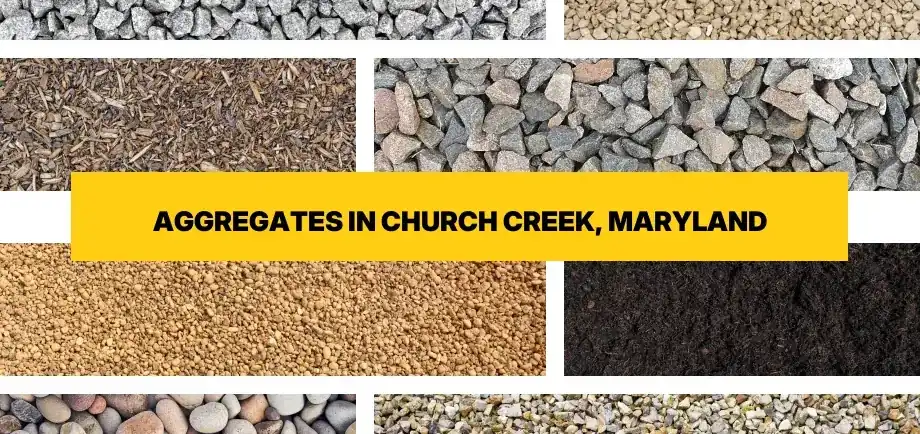
Shop Sand, Stone & Gravel in Church Creek, Maryland
Local Topsoil, Dirt, Sand, Rocks and Gravel near me in Church Creek, Maryland
Shop Aggregates for Delivery in Church Creek
Order online for free delivery to any Church Creek address.


Gravel Monkey delivers premium aggregates and landscaping materials throughout Church Creek, Maryland, serving this historic Eastern Shore community in Dorchester County. From rural properties along Church Creek Road to agricultural operations near Blackwater National Wildlife Refuge, we provide free delivery of gravel, crushed stone, sand, and other essential materials to residential and commercial customers throughout the area. Whether you're maintaining a long farm lane, installing a new driveway, or managing drainage challenges common to this low-lying coastal region, our extensive selection of quality aggregates meets every project need.
Complete Aggregate Selection for Church Creek Properties
Church Creek's location on Maryland's coastal plain presents unique challenges for property owners, including soft clay soils, seasonal water table fluctuations, and the need for durable surfaces that withstand agricultural use and coastal weather patterns. We supply aggregates specifically suited to these Eastern Shore conditions:
- Driveway Gravel - Durable aggregate specifically designed for long-lasting residential and farm driveways
- 3/4 inch Crushed Stone - Versatile angular stone perfect for driveways, drainage applications, and foundation work
- #57 Stone - Standard construction aggregate ideal for drainage systems and concrete projects
- Crusher Run - Compactable base material that creates solid foundations for driveways and parking areas
- Road Base - Heavy-duty aggregate for farm lanes, access roads, and commercial parking areas
- Pea Gravel - Smooth decorative stone for landscaping, pathways, and garden beds
- River Rock - Natural rounded stone in various sizes for aesthetic landscaping projects
- Walkway Gravel - Specially sized aggregate for comfortable, stable walking paths
- Drain Rock - Angular stone designed for French drains and water management systems
- Crushed Concrete - Eco-friendly recycled aggregate for base layers and permeable surfaces
- Topsoil - Nutrient-rich soil for gardens, raised beds, and lawn establishment
- Fill Dirt - Essential for grading, leveling, and raising low-lying properties
- Mason Sand - Fine sand for masonry work, paver base, and construction
- Playground Sand - Clean, safe sand for play areas and recreational spaces
- Washed Sand - Premium washed sand for concrete, septic systems, and construction
- Decomposed Granite - Natural pathway material that compacts firmly for walkways and patios
Serving Church Creek and Surrounding Dorchester County Areas
We deliver aggregates throughout Church Creek and the surrounding Eastern Shore communities. Our service area includes properties along Church Creek itself, the agricultural lands near Maple Dam Road, rural homes along Bestpitch Ferry Road, properties near the Blackwater National Wildlife Refuge, farms throughout southern Dorchester County, residential areas near Hudson Corner, properties along Old Trinity Church Road, and the countryside extending toward Cambridge, East New Market, and Secretary. Church Creek's position along the Choptank River watershed means many properties face unique soil and drainage conditions that require proper aggregate selection for successful project outcomes.
The Church Creek area features coastal plain soils characterized by high clay content, seasonal wetness, and organic matter accumulation near marsh areas. These soil conditions, combined with the region's 44 inches of annual rainfall distributed relatively evenly throughout the year, create specific challenges for driveway construction, drainage management, and property development. Properties near the Blackwater Wildlife Refuge and along tidal creeks especially benefit from proper aggregate installation that addresses water table fluctuations and soil movement.
Understanding Church Creek's Coastal Plain Soils and Climate
Church Creek sits at approximately 10 feet above sea level in Dorchester County's coastal plain region, where geology and hydrology significantly influence construction practices. The area features Mattapex, Othello, and Corsica soil series—characterized by silty clay loam textures with impermeable layers that create perched water tables during wet seasons. These soils, formed from marine sediments deposited when the Atlantic Ocean covered this region millions of years ago, present challenges for drainage and require specific aggregate applications.
The Eastern Shore climate brings hot, humid summers with temperatures averaging 85-90°F and mild winters rarely dropping below 25°F. This temperature range causes minimal freeze-thaw cycling compared to western Maryland, but the high water table and clay soils create different challenges. Spring and fall bring the heaviest rainfall, often saturating soils and causing rutting in improperly constructed driveways. Understanding these local conditions helps property owners select appropriate aggregates that perform well in Church Creek's coastal environment.
Aggregate Solutions for Coastal Plain Challenges
The combination of clay-rich soils, high water tables, and consistent rainfall requires strategic aggregate use. Base layers must provide stability in soft ground, while surface materials need excellent drainage to prevent water accumulation. Properties experiencing seasonal flooding near Church Creek and the Choptank River benefit from raised aggregate surfaces that elevate access routes above typical water levels. Farm operations throughout the area rely on durable aggregate surfaces for equipment access during all seasons, particularly important during harvest when soil conditions are often saturated.
Aggregate Applications for Eastern Shore Properties
Residential Driveways That Handle Coastal Conditions
Church Creek residential properties typically feature longer driveways accessing homes set back from public roads, characteristic of rural Eastern Shore development. These driveways must handle passenger vehicles, delivery trucks, and occasional agricultural equipment while resisting the effects of clay soils and seasonal moisture. Successful driveway construction in this area follows a proven layering approach: a solid foundation of compacted crusher run or road base, followed by drainage-friendly surface layers of three-quarter inch crushed stone.
For properties with particularly soft soils or located in low-lying areas near Church Creek and its tributaries, additional base depth and proper drainage planning become essential. Many local property owners install French drains alongside driveways using drain rock to intercept groundwater before it undermines the aggregate base. This combination addresses the perched water table common in Dorchester County soils and extends driveway longevity significantly.
Farm Lanes and Agricultural Access Routes
Agriculture remains central to Church Creek's economy, with farms producing corn, soybeans, wheat, and other crops throughout the surrounding countryside. Farm lanes experience heavy equipment traffic during planting and harvest seasons, requiring robust aggregate surfaces that maintain stability under loaded grain trucks and tractors. Road base and crusher run provide excellent solutions for agricultural access, offering the compaction and stability needed for equipment weighing tens of thousands of pounds.
Many Church Creek farms extend their aggregate lanes to equipment storage areas, grain bins, and field entrances. Proper lane construction prevents soil compaction in adjacent fields and ensures equipment access during wet conditions when crops must be harvested regardless of weather. The angular nature of crushed aggregates interlocks under compaction, creating surfaces that resist rutting even when saturated—a critical feature given the area's clay soils and rainfall patterns.
Water Management and Drainage Systems
Church Creek's low elevation and proximity to tidal waters create drainage challenges for residential and agricultural properties throughout the area. Standing water damages lawns, creates mosquito breeding habitat, and undermines building foundations. Effective drainage systems using number 57 stone or dedicated drain rock channel excess water away from structures and into natural drainage ways or constructed retention areas.
French drains installed around building perimeters, along property borders, and beneath driveways manage groundwater effectively in this coastal environment. The open structure of drainage aggregates allows rapid water movement while filtering sediments, preventing system clogging. Properties near Blackwater Wildlife Refuge and other low-lying areas particularly benefit from comprehensive drainage planning that accounts for seasonal water table variations and tidal influences on groundwater levels.
Choosing the Right Aggregate for Your Church Creek Project
Different aggregates serve specific purposes, and selecting the appropriate material ensures project success and longevity. This comparison helps Church Creek property owners understand which aggregates best suit their needs:
| Aggregate Type | Best Applications | Key Benefits | Ideal For Church Creek Use |
|---|---|---|---|
| Crusher Run | Driveway base, parking areas, farm lanes | Excellent compaction, stable foundation, interlocking particles | Clay soils, heavy equipment access, wet conditions |
| 3/4" Crushed Stone | Driveway surface, drainage layers, general fill | Angular shape, good drainage, versatile use | Surface layer over base, drainage applications |
| #57 Stone | Drainage systems, concrete aggregate, French drains | Uniform size, excellent drainage, standard grade | Water management, septic fields, foundation drainage |
| Road Base | Heavy-duty access roads, equipment areas, commercial drives | Maximum stability, handles heavy loads, long-lasting | Agricultural operations, equipment storage, commercial access |
| Pea Gravel | Landscaping, pathways, decorative areas, garden beds | Smooth texture, attractive appearance, comfortable to walk on | Residential landscaping, garden paths, play areas |
| Drain Rock | French drains, septic fields, foundation drainage | Angular for water flow, filters sediment, durable | High water table areas, foundation protection, drainage systems |
| Crushed Concrete | Base layers, temporary roads, eco-friendly projects | Recycled material, cost-effective, good compaction | Budget-conscious projects, farm roads, shed foundations |
| Mason Sand | Paver base, masonry work, playground surfaces | Fine texture, clean material, versatile application | Patio installations, brick work, play area base |
Installation Best Practices for Eastern Shore Properties
Proper aggregate installation makes the difference between a driveway that lasts decades and one that fails within seasons. Church Creek's soil conditions demand attention to detail and proven construction methods:
Site Preparation and Base Work
Begin by removing organic material, topsoil, and any soft clay that won't provide stable support. In areas with particularly problematic soils near marsh edges or creek banks, excavation to firmer subsoil may be necessary. Consider installing geotextile fabric to separate native soils from aggregate layers, preventing clay from pumping up through the aggregate during wet periods—a common issue in Dorchester County's coastal soils.
Grade the prepared area to promote water drainage away from structures and toward natural drainage paths. Even a two percent slope significantly improves water shedding and reduces aggregate saturation. Properties in low areas may require more extensive grading or the creation of drainage swales to manage water effectively.
Layering and Compaction Techniques
Install base aggregate in lifts no thicker than four inches, compacting each layer thoroughly before adding the next. Proper compaction, achieved with a plate compactor for residential projects or roller for larger areas, eliminates air voids and creates a solid, interlocked surface. Under-compaction leads to settling, rutting, and premature failure—particularly problematic given Church Creek's soft subsoils.
For driveways, start with four to six inches of compacted crusher run or road base. Follow with two to three inches of crushed stone for the surface layer. This combination provides both stability and drainage, addressing the dual challenges of soft soils and high moisture. Agricultural lanes may require eight inches or more of compacted base depending on expected loads and soil conditions.
Seasonal Considerations for Aggregate Projects
Church Creek's climate and agricultural calendar influence optimal timing for aggregate projects. Spring and fall typically bring the highest rainfall and saturated soil conditions, making summer and early fall the ideal seasons for installation. Soil moisture content significantly affects compaction results—attempting to compact saturated clay achieves poor results and wastes effort.
Agricultural operations should plan lane improvements during dormant seasons between harvest and planting, allowing projects to cure before heavy spring equipment traffic. Residential driveway projects proceed successfully year-round if weather permits, though avoiding periods of saturated ground prevents equipment from creating additional soil disturbance that complicates projects.
Winter Performance in Coastal Maryland
Unlike western Maryland where freeze-thaw cycles deteriorate poorly constructed driveways, Church Creek's mild winters present minimal frost concerns. However, winter rain and high water tables create muddy conditions that proper aggregate installation prevents. Well-constructed aggregate surfaces shed winter precipitation effectively and provide stable access when grass and bare soil would be impassable.
Decorative Aggregates for Eastern Shore Landscaping
Beyond functional applications, aggregates enhance Church Creek property aesthetics through thoughtful landscaping use. Pea gravel creates attractive garden beds that suppress weeds while improving soil drainage around moisture-sensitive plants. River rock in various sizes adds natural beauty to water features, borders flower beds, and creates low-maintenance landscape accents that complement the rural Eastern Shore character.
Walkway gravel provides comfortable paths connecting outdoor living spaces, gardens, and utility areas. Unlike concrete or pavers, gravel pathways remain permeable, reducing runoff and allowing rainfall to infiltrate naturally—beneficial in areas where stormwater management concerns exist. Decomposed granite compacts into firm surfaces for patios and seating areas, offering stability while maintaining permeability.
Creating Wildlife-Friendly Landscapes
Church Creek's proximity to Blackwater National Wildlife Refuge reflects the area's rich natural heritage. Homeowners often incorporate wildlife-friendly landscaping that attracts native birds, butterflies, and beneficial insects. Natural stone aggregates provide excellent groundcover in pollinator gardens, around bird baths, and in naturalized landscape areas that require minimal maintenance while supporting local ecosystems.
Environmental Stewardship and Sustainable Practices
Eastern Shore residents value environmental conservation, reflected in farming practices and residential land management. Aggregate selection offers opportunities for sustainable choices. Crushed concrete repurposes construction waste, keeping material out of landfills while providing functional aggregate at lower cost. Permeable aggregate surfaces reduce runoff compared to solid pavement, allowing rainwater infiltration that recharges groundwater and reduces downstream flooding.
Proper driveway and lane construction using aggregates prevents soil erosion that would otherwise wash sediment into Church Creek, the Choptank River, and ultimately the Chesapeake Bay. This environmental consideration aligns with regional efforts to improve water quality in the bay watershed, which includes all of Dorchester County. Using aggregates strategically reduces maintenance needs, minimizing long-term environmental impact from repeated repairs or reconstruction.
Commercial and Municipal Aggregate Applications
Beyond residential and agricultural uses, commercial operations and local government entities throughout Church Creek rely on quality aggregates. Marinas along the Choptank River use stone for boat ramp approaches and parking areas that withstand tidal influences and heavy trailer traffic. Churches, community centers, and municipal buildings require parking areas that handle periodic heavy use during events while remaining stable year-round.
Road maintenance on private lanes serving multiple properties benefits from proper aggregate selection and application. Shared driveways common in rural areas need materials that handle varied vehicle types and provide longevity despite limited maintenance budgets. Properly constructed aggregate roads reduce dust, prevent erosion, and provide reliable access for emergency vehicles—important considerations for properties distant from paved public roads.
Frequently Asked Questions About Aggregates in Church Creek
We deliver a complete range of aggregates including driveway gravel, crushed stone in multiple sizes, number 57 stone, crusher run, pea gravel, river rock, topsoil, fill dirt, crushed concrete, road base, drain rock, mason sand, playground sand, washed sand, decomposed granite, and walkway gravel throughout Church Creek and Dorchester County. Our selection addresses every residential, agricultural, and commercial need in the Eastern Shore region.
Yes! Gravel Monkey offers FREE delivery to Church Creek and the surrounding Maryland Eastern Shore area for all gravel and aggregate orders. We serve properties along Church Creek Road, areas near Blackwater Wildlife Refuge, and throughout rural Dorchester County. Our delivery service accommodates long farm lanes and rural driveways common to the area.
For Church Creek properties with coastal plain clay soils, we recommend crusher run or road base as the foundation layer for excellent compaction, topped with three-quarter inch crushed stone or number 57 stone for drainage. The clay-rich soils common near the Choptank River require proper base preparation to prevent rutting during wet seasons. Geotextile fabric between native soil and aggregate often proves beneficial for long-term stability.
For a standard single-car driveway measuring 12 feet by 50 feet, you will need approximately 7 to 9 tons of aggregate for a 4 inch depth. Church Creek properties often require additional material due to soft coastal soils—plan for 6 to 8 inches of total aggregate depth for optimal stability. Our team can help calculate the exact amount based on your specific property conditions and driveway dimensions, considering soil type and intended use.
Church Creek sits in a low-lying coastal area with seasonal water table fluctuations. We recommend drain rock or number 57 stone for French drains and drainage systems, crusher run for road base that sheds water, and crushed concrete for permeable surfaces. These materials address the drainage challenges common in Dorchester County marsh areas. Proper installation with appropriate slope ensures water moves away from structures and toward natural drainage paths.
Absolutely! We regularly deliver aggregates to rural properties throughout Church Creek, including areas near Blackwater National Wildlife Refuge, along Maple Dam Road, near Bestpitch Ferry Road, and throughout the agricultural lands of southern Dorchester County. Our delivery trucks can access most rural driveways and farm lanes in the area. Contact us to discuss any access concerns for particularly remote properties.
For septic drain fields in Church Creek, we recommend washed sand or mason sand that meets Maryland Department of Environment specifications. The coastal plain soils in Dorchester County often require sand fill for proper septic system function due to high clay content and poor percolation rates. We deliver sand specifically sized for drain field construction throughout the Church Creek area, meeting regulatory requirements for on-site wastewater systems.
Yes! We deliver nutrient-rich topsoil perfect for vegetable gardens, raised beds, and agricultural applications throughout Church Creek. Many local farms and residential properties use our topsoil to amend the clay-heavy soils common along the Eastern Shore. We also supply fill dirt for land grading and erosion control projects. Whether you're establishing new lawns, creating garden beds, or improving agricultural fields, we provide quality soil products delivered directly to your property.
Professional Aggregate Delivery Throughout Church Creek
Gravel Monkey understands the unique challenges Eastern Shore property owners face. Our experience delivering aggregates throughout Dorchester County ensures you receive appropriate materials and knowledgeable guidance for your specific project. From selecting the right aggregate type to calculating accurate quantities, we support successful outcomes for residential, agricultural, and commercial applications throughout Church Creek and the surrounding Maryland coastal plain region.
Church Creek's rural character, rich agricultural heritage, and proximity to natural treasures like Blackwater Wildlife Refuge make it a special place to live and work. Proper aggregate selection and installation protect property investments while supporting the sustainable land management practices that preserve the Eastern Shore's beauty for future generations. We take pride in serving this community with quality materials, reliable delivery, and customer service that reflects small-town values.

Need help? Reach out for a quote: