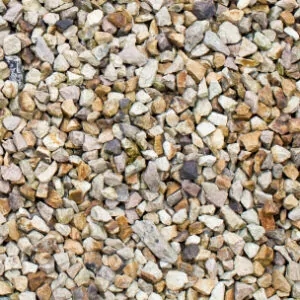
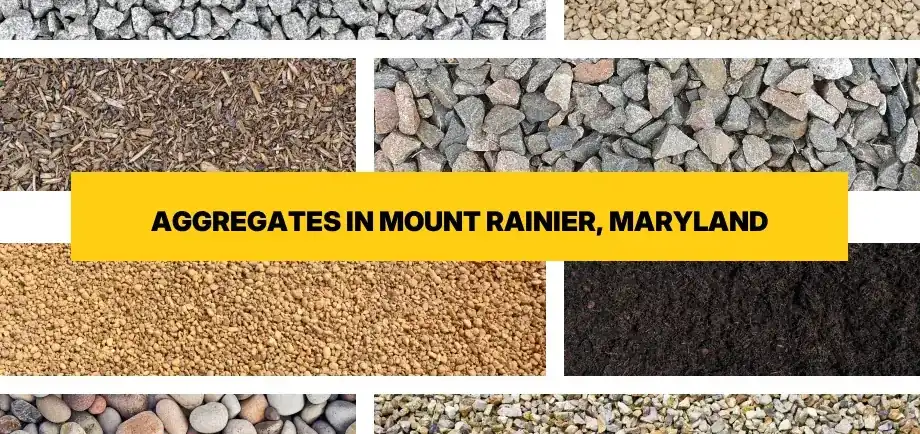
Sand, Aggregates & Gravel for Mount Rainier, Maryland
Local Topsoil, Dirt, Sand, Rocks and Gravel near me in Mount Rainier, Maryland
Shop Aggregates for Delivery in Mount Rainier
Order online for free delivery to any Mount Rainier address.
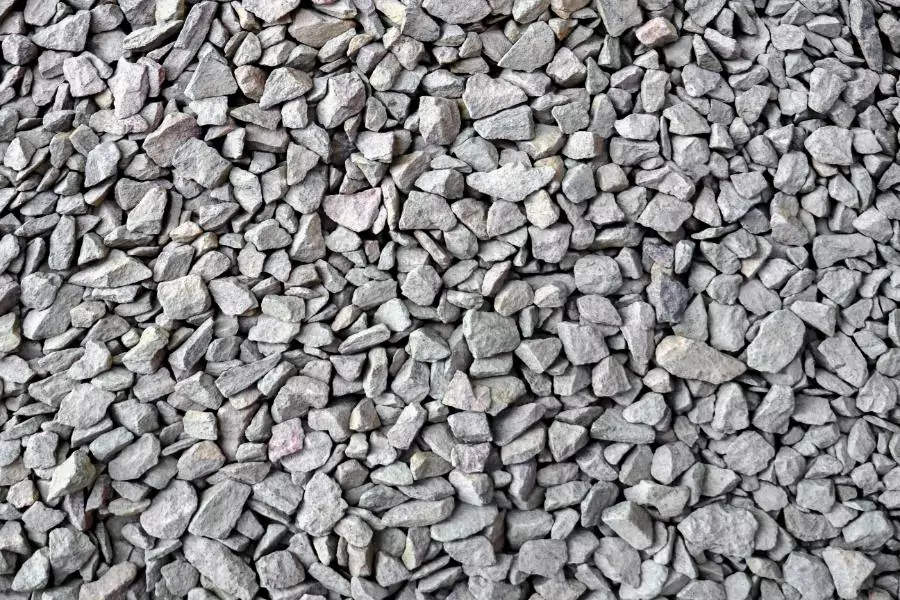
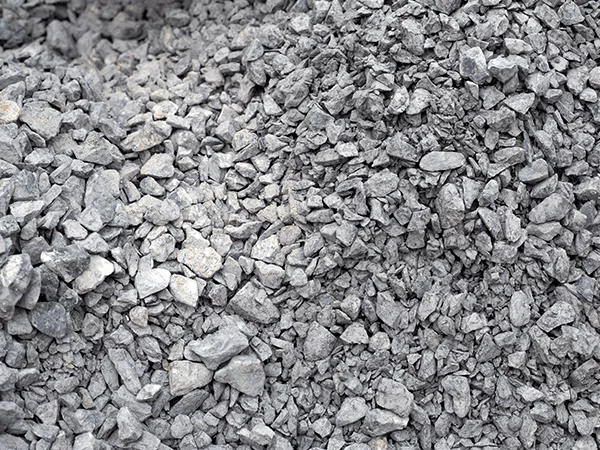


Gravel Monkey delivers premium aggregates and landscaping materials directly to properties throughout Mount Rainier, Maryland. Whether you're renovating a historic bungalow near the Gateway Arts District, improving drainage along Queens Chapel Road, or creating new outdoor spaces in the Kaywood Gardens neighborhood, we provide the quality materials you need with completely free delivery. Serving Mount Rainier and nearby communities including Brentwood, Cottage City, Hyattsville, and Riverdale Park, we understand the unique challenges of working with Mid-Atlantic clay soils and the specific aggregate requirements for successful Prince Georges County projects.
Complete Aggregate Selection for Mount Rainier Projects
Gravel Monkey stocks a comprehensive inventory of aggregates suited to Mount Rainier's coastal plain geology and residential construction needs. From foundational materials to decorative stone, we deliver everything required for successful projects across the city:
- Driveway Gravel - Engineered aggregate blends perfect for Mount Rainier's clay-rich substrate
- 3/4 inch Crushed Stone - Versatile aggregate for drainage, foundations, and base layers
- #57 Stone - Clean angular stone ideal for drainage and decorative applications
- Crusher Run - Superior compaction material for stable driveways and parking areas
- Road Base - Heavy-duty aggregate for high-traffic surfaces and structural support
- Pea Gravel - Smooth decorative stone for pathways and garden features
- River Rock - Natural rounded stone in multiple sizes for landscaping elegance
- Walkway Gravel - Specialty aggregate designed specifically for pedestrian paths
- Crushed Concrete - Eco-friendly recycled aggregate for budget-conscious projects
- Drain Rock - Angular aggregate engineered for maximum water flow
- Topsoil - Rich organic material for gardens and lawn establishment
- Fill Dirt - Clean compactable soil for grading and leveling
- Mason Sand - Fine sand for masonry joints and paver installation
- Playground Sand - Safe certified sand for children's play areas
- Washed Sand - Clean multipurpose sand for various applications
- Decomposed Granite - Natural pathway material with excellent compaction properties
Aggregate Delivery Throughout Mount Rainier Neighborhoods
Mount Rainier's distinct neighborhoods each present unique opportunities for aggregate and landscaping projects. The historic bungalows and craftsman homes throughout the Arts District benefit from decorative river rock and pea gravel that complement early 20th-century architecture. Properties along Eastern Avenue require robust drainage solutions using drain rock and crusher run to handle water runoff patterns common to the area. The Kaywood Gardens neighborhood, with its mid-century homes, often needs driveway improvements using quality road base and crushed stone. Near Queens Chapel Road, commercial properties require heavy-duty aggregates for parking areas and loading zones.
We regularly deliver throughout Mount Rainier, including areas near Bunker Hill Road, the Gateway Arts District, neighborhoods along Rhode Island Avenue, residential streets near Mount Rainier Elementary School, properties around the Mount Rainier Nature and Recreation Center, and homes throughout the eastern sections bordering the Anacostia River tributary system. Each delivery considers local property access, street conditions, and the specific aggregate needs based on Mount Rainier's coastal plain topography.
Working with Mount Rainier's Atlantic Coastal Plain Geology
Mount Rainier sits on the Atlantic Coastal Plain, characterized by sedimentary deposits creating clay-heavy soils that present specific challenges for construction and landscaping. The native Christiana and Adelphia soil series found throughout the area contain significant clay content, which expands when wet and contracts during dry periods. This soil behavior impacts everything from foundation stability to drainage patterns. Annual precipitation averages 43 inches, with heaviest rainfall during summer thunderstorms and periodic nor'easters bringing substantial moisture. Temperature ranges from average January lows around 28°F to July highs reaching 88°F create freeze-thaw cycles that affect aggregate performance.
Understanding these geological conditions shapes proper aggregate selection. Clay soils require materials that promote drainage and prevent water accumulation. The proximity to the Anacostia River watershed means many Mount Rainier properties experience elevated groundwater levels during wet seasons. Projects throughout the city benefit from aggregates that address these Mid-Atlantic challenges effectively.
Essential Aggregate Applications for Mount Rainier Properties
Driveway Construction and Repair
Mount Rainier driveways face continuous stress from clay soil movement, temperature fluctuations, and regular vehicle traffic. A properly constructed driveway starts with excavating existing material down to stable subgrade, typically 6-8 inches deep. Over Mount Rainier's clay soils, installing a geotextile fabric layer prevents aggregate mixing with clay substrate. The base layer uses road base or crusher run, which compacts exceptionally well, creating a stable foundation that resists settling. This base typically requires 4-5 inches of compacted depth.
The surface layer employs driveway gravel or 3/4 inch crushed stone, providing good drainage while maintaining vehicle support. Angular aggregate edges interlock better than rounded stone, crucial for driveways on properties near Eastern Avenue or throughout the Gateway Arts District where slight slopes require extra stability. Many Mount Rainier homeowners choose crushed concrete as an economical alternative that performs comparably to traditional stone while supporting environmental sustainability.
Drainage Solutions for Clay-Rich Soils
Mount Rainier's clay soils create persistent drainage challenges that damage foundations, flood basements, and create yard saturation. French drains offer effective solutions by channeling water away from structures. Installation requires trenching 12-18 inches deep along foundation perimeters or property low points. Lining trenches with landscape fabric prevents soil infiltration. Drain rock fills the trench, surrounding perforated drainage pipe that carries water to discharge points away from buildings.
Surface drainage improvements use #57 stone or 3/4 inch crushed stone in swales and drainage channels. These aggregates allow water to percolate through quickly while maintaining surface stability. Properties near the Anacostia River tributary areas particularly benefit from robust drainage systems addressing high water tables. Combining proper grading using fill dirt with strategic aggregate placement creates comprehensive moisture management systems protecting Mount Rainier structures.
Pathway and Walkway Installation
Creating attractive, functional walkways throughout Mount Rainier properties requires aggregates suited to pedestrian traffic. Decomposed granite provides naturally beautiful pathways that compact firmly while maintaining permeability. Installation starts with excavating 3-4 inches, establishing stable edges using metal, wood, or stone borders, and laying landscape fabric to suppress weeds. Decomposed granite fills the prepared area, compacting with water and mechanical tamping to create a firm walking surface.
Walkway gravel offers another excellent option, especially for winding garden paths through landscaped areas. Pea gravel creates comfortable walking surfaces for properties along Queens Chapel Road and throughout residential neighborhoods, though it requires stable edging to prevent spreading. Many Mount Rainier residents combine different aggregates, using crushed stone for main paths and pea gravel for secondary garden trails, creating visual interest while maintaining functionality.
Foundation and Hardscape Base Preparation
Any permanent structure on Mount Rainier's clay soils requires proper base preparation to prevent settling and structural damage. Patios, retaining walls, outdoor kitchens, and similar hardscapes depend on stable aggregate foundations. Excavation removes organic topsoil down to clay subgrade, typically 8-12 inches deep for patios and 12-18 inches for retaining wall bases. Crusher run provides exceptional base material, combining various stone sizes that compact tightly and resist moisture infiltration.
Installation proceeds in layers, spreading 2-3 inches of crusher run at a time, wetting slightly, and compacting thoroughly with a mechanical plate compactor. This process repeats until reaching the desired base depth. For paver patios throughout the Arts District or Kaywood Gardens, a final leveling layer uses mason sand, creating a perfectly smooth surface for paver installation. Road base serves similar functions for larger commercial projects, providing structural support for heavy loads while maintaining drainage capabilities.
Aggregate Comparison Guide for Mount Rainier Projects
| Aggregate Type | Best Applications | Drainage Rating | Compaction | Cost Level |
|---|---|---|---|---|
| Crusher Run | Driveway base, parking areas, foundations | Good | Excellent | Moderate |
| Road Base | Heavy traffic areas, structural support | Good | Excellent | Moderate |
| 3/4 inch Crushed Stone | Drainage, general base material | Excellent | Good | Moderate |
| #57 Stone | Drainage systems, decorative use | Excellent | Fair | Moderate |
| Drain Rock | French drains, foundation drainage | Excellent | Fair | Moderate-High |
| Crushed Concrete | Budget driveways, base layers | Good | Good | Low |
| Pea Gravel | Walkways, landscaping, ground cover | Good | Poor | Moderate |
| River Rock | Decorative landscaping, dry creek beds | Good | Poor | Moderate-High |
| Decomposed Granite | Pathways, natural surfaces | Fair | Good | Moderate |
| Mason Sand | Paver setting, masonry joints | Poor | Fair | Low-Moderate |
Seasonal Timing for Mount Rainier Aggregate Projects
Mid-Atlantic weather patterns significantly impact aggregate project success in Mount Rainier. Spring and fall offer ideal conditions with moderate temperatures between 50-75°F and lower humidity levels. These seasons provide optimal compaction conditions as aggregates settle properly without extreme heat causing rapid drying or cold temperatures preventing adequate moisture-aided compaction. Spring projects, scheduled after the final frost typically occurring in mid-April, allow full summer enjoyment of completed installations. Fall projects from September through October enable work before winter freeze-thaw cycles begin.
Summer projects remain viable but require additional water management during installation. High humidity and temperatures exceeding 85°F demand frequent watering of crusher run and road base during compaction to achieve proper density. Afternoon thunderstorms common during July and August can disrupt schedules but also benefit newly installed aggregates by providing natural moisture for settling. Winter projects face more significant challenges with frozen ground and precipitation potentially delaying work, though mild winter periods in Mount Rainier sometimes allow drainage installations and base preparation when temperatures exceed 40°F consistently.
Topsoil and Landscaping Material Applications
Quality topsoil remains essential for Mount Rainier landscapes, gardens, and lawn establishment. Native clay soils throughout the area lack the organic matter and drainage characteristics needed for healthy plant growth. Amending existing soil or creating raised beds with delivered topsoil provides plants the nutrients and structure required for success. Topsoil applications include establishing new lawns across properties near Bunker Hill Road, creating vegetable gardens in backyards throughout Kaywood Gardens, building raised planting beds around Arts District homes, and improving soil quality for ornamental landscaping.
Professional landscaping projects often combine topsoil with fill dirt for comprehensive site preparation. Fill dirt addresses grading issues, creating proper drainage slopes away from foundations while raising low-lying areas prone to water accumulation. Once grading achieves correct elevations and drainage patterns, topsoil layers establish planting areas. Many Mount Rainier properties benefit from 4-6 inches of quality topsoil over properly graded fill dirt, creating ideal conditions for both aesthetic landscaping and functional stormwater management.
Sand Applications for Mount Rainier Projects
Various sand types serve specific purposes throughout Mount Rainier properties. Mason sand provides the fine, clean material required for setting pavers, creating level surfaces for patios and walkways. The sand's consistent particle size allows precise leveling while supporting paver weight without shifting. Playground sand meets safety standards for children's play areas, remaining soft for falls while resisting compaction that creates hard surfaces. Washed sand serves general purposes from mixing concrete to improving clay soil drainage when tilled into garden beds.
Sand also plays crucial roles in hardscape projects throughout Mount Rainier. Polymeric sand fills joints between pavers, preventing weed growth and insect infiltration while allowing flexibility for minor movements. Base sand layers under pavers provide leveling capabilities while allowing water drainage, important for Mount Rainier's clay subsoils. Selecting appropriate sand types ensures project longevity whether installing decorative patios near Queens Chapel Road or functional walkways throughout residential neighborhoods.
Professional Installation Tips for Mount Rainier Conditions
Successful aggregate projects in Mount Rainier require understanding local soil behavior and proper installation techniques. Always compact in thin layers rather than placing deep aggregate all at once. Two to three inches represents maximum depth for effective mechanical compaction. Proper moisture content during compaction is critical - aggregates should be slightly damp but not saturated. Clay subsoils throughout Mount Rainier demand special attention to drainage. Installing landscape fabric between native clay and crusher run or road base prevents aggregate migration into soil while allowing water passage.
Proper edge containment prevents aggregate spreading, especially important for pea gravel and decomposed granite applications. Metal or plastic landscape edging, treated lumber borders, or mortared stone edges maintain defined boundaries. For driveways and parking areas, allowing aggregate to extend slightly beyond concrete or asphalt edges prevents undermining. Grade all surfaces for positive drainage, maintaining minimum 2% slope away from structures. Throughout Mount Rainier's clay-rich areas, even minor grading improvements significantly impact long-term performance.
Calculating Aggregate Quantities
Accurate quantity calculations prevent material shortages or excess waste. Measure area length and width in feet, determining square footage. Multiply by desired depth in feet (convert inches to feet by dividing by 12). Divide the result by 27 to convert cubic feet to cubic yards, the standard delivery measurement. A 20-foot by 40-foot driveway requiring 4 inches of crusher run calculates as: 20 x 40 x 0.33 = 264 cubic feet, divided by 27 = 9.8 cubic yards. Order 10 cubic yards accounting for compaction and site irregularities.
Different aggregates have varying compaction rates. Crusher run and road base typically compact 20-30%, requiring additional material beyond calculated volumes. Clean stone like #57 or drain rock compacts minimally, around 5-10%. Gravel Monkey's experienced team assists Mount Rainier customers with accurate estimates based on specific project requirements, local soil conditions, and aggregate types selected.
Frequently Asked Questions About Aggregates in Mount Rainier
We deliver a complete range of aggregates including driveway gravel, crushed stone, #57 stone, crusher run, pea gravel, river rock, topsoil, fill dirt, crushed concrete, road base, drain rock, mason sand, playground sand, washed sand, decomposed granite, and walkway gravel throughout Mount Rainier and surrounding Prince Georges County areas.
Yes! Gravel Monkey offers FREE delivery to Mount Rainier and the surrounding Maryland area for all gravel and aggregate orders. We serve the entire city including neighborhoods near the Gateway Arts District and along Queens Chapel Road.
The amount depends on your project size and depth requirements. For driveways, calculate length times width times depth in feet, then divide by 27 for cubic yards. A typical driveway needs 3 to 4 inches of gravel. Our team can help you estimate the right amount for your specific Mount Rainier property based on local soil conditions.
Mount Rainier sits on the Atlantic Coastal Plain with clay-rich soils. Crusher run and road base work exceptionally well as they compact firmly over clay. For drainage projects addressing clay soil issues, drain rock and #57 stone are excellent choices to channel water away effectively.
Absolutely! Crushed concrete is an excellent eco-friendly alternative for driveways in Mount Rainier. It compacts well, provides good drainage, and costs less than traditional stone while being environmentally responsible. Many homeowners throughout Prince Georges County choose recycled materials for residential projects.
We offer mason sand for pavers and masonry work, playground sand for safe play areas, and washed sand for general landscaping needs. Each sand type serves specific purposes in Mount Rainier projects from hardscaping to garden beds.
Mount Rainier clay soils can retain water, causing drainage problems. Installing drain rock around foundations and in French drains helps channel water away. Combining fill dirt for proper grading with drain rock creates effective drainage solutions that protect your property from water damage common in the Mid-Atlantic region.
Spring and fall offer ideal conditions with moderate temperatures and lower humidity. Projects can proceed year-round, but avoid frozen ground in winter and extremely hot summer days when possible. Our team schedules deliveries around Mount Rainier weather patterns to ensure optimal installation conditions.
Local Aggregate Expertise for Prince Georges County
Gravel Monkey serves Mount Rainier with deep understanding of Mid-Atlantic coastal plain geology and local project requirements. We regularly deliver throughout Prince Georges County, serving communities from Brentwood and Cottage City to Hyattsville, Riverdale Park, and College Park. Our experience with regional clay soils, drainage challenges, and climate conditions ensures you receive not just quality aggregates but also expert guidance on proper materials for your specific application.
Whether you're renovating a historic property in the Gateway Arts District, improving commercial facilities along Rhode Island Avenue, or enhancing residential landscapes throughout Kaywood Gardens, Gravel Monkey provides the materials and knowledge necessary for successful completion. Our free delivery service eliminates transportation hassles, placing quality aggregates directly where needed on your Mount Rainier property. Contact us today to discuss your project requirements and receive expert recommendations tailored to Mount Rainier's unique conditions and your specific goals.

Need help? Reach out for a quote: