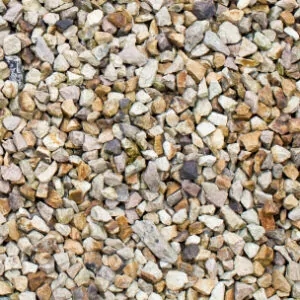
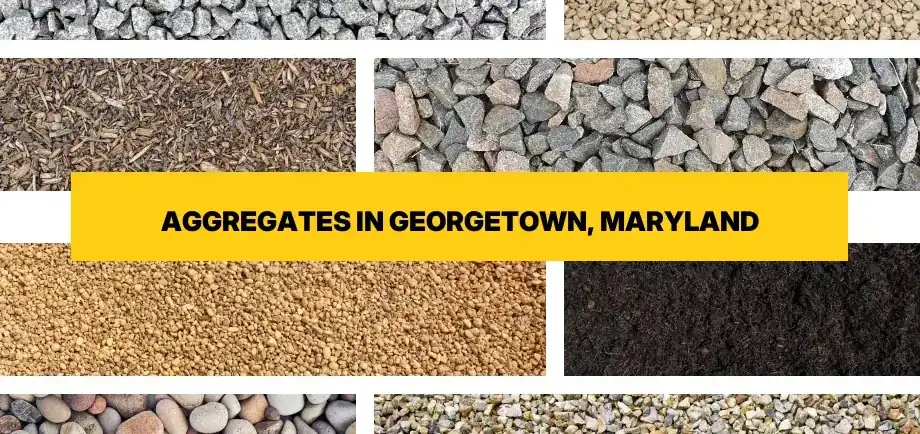
Rock & Driveway Gravel in Georgetown, Maryland
Local Topsoil, Dirt, Sand, Rocks and Gravel near me in Georgetown, Maryland
Shop Aggregates for Delivery in Georgetown
Order online for free delivery to any Georgetown address.
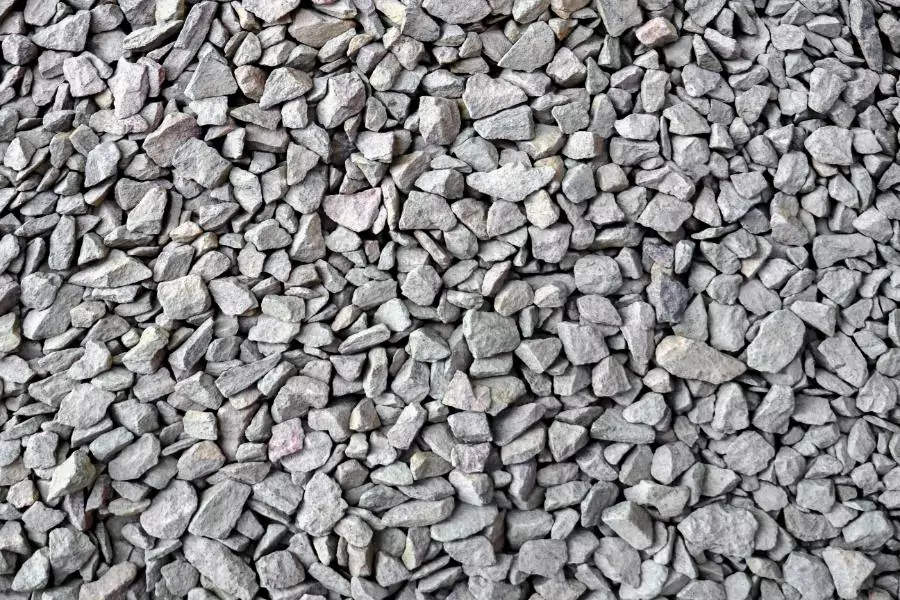
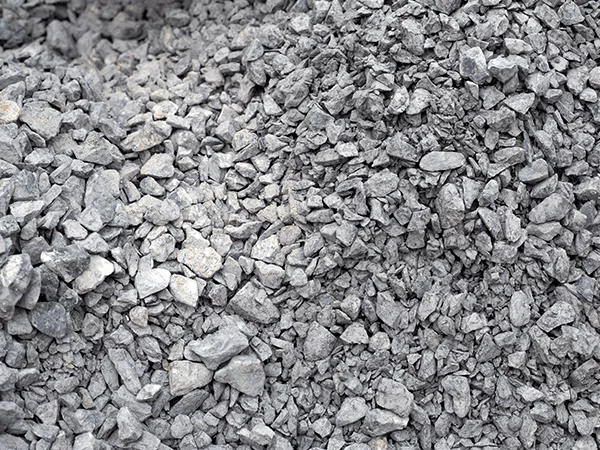


Gravel Monkey delivers premium aggregates and landscaping materials throughout Georgetown, Maryland, with completely free delivery to your property. Whether you're restoring a historic Federal-style home near Dumbarton Oaks, building a new driveway in West Georgetown, or creating drainage solutions for Georgetown's clay-rich Piedmont soils, we provide the quality aggregates your project demands. From the cobblestone streets of historic Old Georgetown to modern developments near Georgetown University, our aggregate delivery service supports residential, commercial, and institutional projects across this distinguished waterfront community along the Potomac River.
Complete Aggregate & Material Selection for Georgetown Projects
Georgetown's unique combination of historic preservation requirements, challenging clay soils, and proximity to the Potomac River creates specific material needs. Gravel Monkey stocks a comprehensive inventory of aggregates suitable for every application:
- Driveway Gravel - Durable base material designed to handle Georgetown's freeze-thaw cycles
- 3/4 inch Crushed Stone - Versatile aggregate for foundations, driveways, and drainage applications
- #57 Stone - Premium drainage aggregate ideal for Georgetown's heavy clay soils
- Crusher Run - Compactable base material perfect for driveways and pathways
- Road Base - Professional-grade foundation for drives and access roads
- Pea Gravel - Smooth decorative stone for garden beds and walkways
- River Rock - Natural aesthetic stone complementing historic Georgetown landscapes
- Walkway Gravel - Specialized aggregate for pedestrian paths and garden trails
- Drain Rock - Essential for managing Georgetown's 43 inches of annual rainfall
- Crushed Concrete - Eco-friendly recycled aggregate for sustainable projects
- Decomposed Granite - Natural pathway material maintaining historic character
- Topsoil - Nutrient-rich soil for gardens and lawn establishment
- Fill Dirt - Clean fill for grading and leveling projects
- Mason Sand - Fine sand for mortar work and construction
- Playground Sand - Safe, clean sand for play areas
- Washed Sand - Clean sand for multiple landscaping applications
Understanding Georgetown's Soil and Climate Conditions
Georgetown sits within the Piedmont Plateau physiographic province, characterized by heavy clay soils deposited over millions of years. The area's dominant soil types include Glenelg silt loam and Chester loam, both containing significant clay content that presents drainage challenges. These Piedmont clays expand when wet and contract during dry periods, creating movement that affects foundations, driveways, and hardscapes.
The community experiences a humid subtropical climate with four distinct seasons. Summer temperatures reach 88°F with high humidity from the Potomac River, while winter lows average 28°F. Georgetown receives approximately 43 inches of precipitation annually, distributed fairly evenly throughout the year. The area endures 90-100 freeze-thaw cycles each winter, causing frost heave in poorly constructed aggregate bases.
Aggregate Solutions for Georgetown's Clay Soils
The clay-rich Piedmont soils underlying Georgetown require specific aggregate strategies. Heavy rains cause clay to become saturated and unstable, while dry periods lead to shrinkage and cracking. Properties near the C&O Canal and along the Potomac waterfront face additional moisture management challenges. Proper aggregate selection addresses these conditions by providing drainage, stability, and resistance to seasonal soil movement.
For foundation work and driveways in areas like East Georgetown and Burleith, using proper base aggregates prevents settling and cracking. The clay soils retain moisture, so drainage aggregates become essential for long-term stability. Projects near Georgetown University and the historic waterfront district benefit particularly from professional aggregate installation designed for local conditions.
Aggregate Delivery Throughout Georgetown Neighborhoods
We deliver premium aggregates to every Georgetown neighborhood, understanding the unique requirements of each area:
Historic Old Georgetown presents special considerations due to preservation guidelines and cobblestone streets. Properties in this area often require aggregates that complement Federal-period architecture while meeting modern drainage needs. Decomposed granite and crusher run maintain the historic aesthetic while providing functional pathways and driveways.
West Georgetown features larger residential properties with extensive driveways and landscaping needs. The established trees and mature gardens in this neighborhood benefit from proper drainage systems using drain rock and crushed stone. Many West Georgetown properties along Reservoir Road require substantial quantities of base aggregates for driveway renovation and expansion projects.
East Georgetown near the Potomac waterfront includes commercial properties, restaurants, and mixed-use developments. These properties often need durable aggregates for high-traffic areas, parking lots, and decorative landscaping. The proximity to the C&O Canal makes proper drainage absolutely essential.
Georgetown University Campus area includes student housing, institutional buildings, and surrounding residential streets. Properties here benefit from walkway gravel for pathways, pea gravel for landscaping, and various aggregates for ongoing maintenance and renovation projects serving the campus community.
Burleith, the residential neighborhood north of Georgetown proper, contains primarily single-family homes with standard driveways and yards. This area commonly requires driveway gravel, topsoil for lawn care, and fill dirt for grading projects. The neighborhood's gentle slopes benefit from proper aggregate bases that prevent erosion and settling.
Glover Park, adjacent to Georgetown to the north, shares similar soil conditions and aggregate needs. Properties here often use crusher run for driveways, river rock for decorative applications, and mason sand for construction projects. The area's established character supports both maintenance and renovation work requiring bulk aggregate delivery.
Driveway Aggregates for Georgetown Properties
Georgetown driveways face significant challenges from clay soil movement, freeze-thaw cycles, and moisture from the humid climate. A proper driveway requires a stable aggregate base that drains water while resisting seasonal ground movement. The historic district's narrow lots and preserved streetscapes add complexity to driveway construction and renovation.
The driveway construction process begins with excavation to remove unstable clay, typically 8-12 inches deep depending on soil conditions. A geotextile fabric barrier prevents clay from migrating into the aggregate base. The foundation layer uses road base or crusher run, compacted in 4-inch lifts to create a stable platform. This base layer proves critical in Georgetown's clay soils where poor drainage causes settling and washouts.
The surface layer selection depends on aesthetic preferences and use patterns. Traditional crushed stone provides excellent traction and drainage while maintaining a classic appearance suitable for historic Georgetown properties. For modern applications, clean stone or recycled crushed concrete offers durability and sustainability. Properties near Georgetown University often choose materials that balance functionality with the neighborhood's collegiate character.
Drainage Systems for Georgetown's Rainfall
With 43 inches of annual precipitation and heavy clay soils, proper drainage separates successful projects from chronic problems. Aggregates play multiple roles in effective water management around Georgetown homes and commercial properties.
French drains using number 57 stone or dedicated drain rock intercept groundwater and route it away from foundations. The angular edges and uniform size of these aggregates create void spaces that allow rapid water movement while remaining stable under load. Properties near the Potomac River or C&O Canal require particularly robust drainage systems to handle seasonal water table fluctuations.
Foundation perimeter drains prevent basement flooding and foundation damage. A trench around the foundation filled with crushed stone and perforated pipe collects water before it enters basements. The aggregate filters sediment while maintaining flow capacity. Georgetown's older homes particularly benefit from upgraded drainage systems using modern aggregates and proper installation techniques.
| Aggregate Type | Best Georgetown Applications | Size Range | Drainage Rating | Compaction |
|---|---|---|---|---|
| Driveway Gravel | Residential drives, parking areas | 3/4" - 1 1/2" | Excellent | High |
| Crusher Run | Driveway base, pathways | Fines to 1" | Good | Excellent |
| #57 Stone | Drainage systems, French drains | 3/4" | Excellent | Moderate |
| 3/4" Crushed Stone | Foundations, general purpose | 3/4" | Excellent | Good |
| Pea Gravel | Walkways, decorative landscaping | 3/8" | Good | Low |
| River Rock | Garden beds, decorative features | 1" - 3" | Good | Low |
| Decomposed Granite | Historic walkways, patios | Fines to 1/4" | Fair | Good |
| Road Base | Heavy-duty driveways, access roads | Fines to 1 1/2" | Good | Excellent |
| Drain Rock | Septic fields, foundation drainage | 3/4" - 1 1/2" | Excellent | Low |
| Crushed Concrete | Eco-friendly bases, utility areas | Fines to 2" | Good | Good |
Landscaping Aggregates for Georgetown Gardens
Georgetown's historic gardens and modern landscapes both benefit from quality aggregates. The waterfront location, mature tree canopy, and preserved green spaces create unique landscaping opportunities. Proper aggregate selection enhances aesthetics while providing functional benefits like weed suppression, moisture retention, and erosion control.
Walkway gravel creates permeable paths through Georgetown gardens, allowing water infiltration while defining circulation routes. The material complements both formal Federal-period gardens and contemporary landscape designs. Properties near Dumbarton Oaks and Oak Hill Cemetery often feature extensive pathways where attractive, durable aggregates maintain the historic character while serving modern functions.
River rock serves as a versatile decorative element in Georgetown landscapes. Larger stones create dry creek beds that manage stormwater runoff while adding visual interest. Medium-sized river rock mulches garden beds around established trees and shrubs, moderating soil temperature and reducing maintenance. The natural colors and smooth surfaces complement Georgetown's brick architecture and lush vegetation.
Hardscape Projects Using Georgetown Aggregates
Patios, retaining walls, and outdoor living spaces require stable aggregate bases. Georgetown's clay soils make proper base preparation critical for long-term hardscape performance. A well-constructed base prevents settling, cracking, and drainage problems that plague poorly prepared installations.
Patio construction begins with excavation below the frost line, typically 12 inches in the Georgetown area. The base layer uses compacted crusher run or road base to create a stable platform. This aggregate base distributes loads evenly and drains water away from the patio surface. Proper edge restraint prevents lateral movement and maintains the installation's integrity through seasonal freeze-thaw cycles.
Retaining walls require drainage aggregates behind the wall face to prevent hydrostatic pressure buildup. Clean crushed stone or drain rock placed in the void space allows water to drain to perforated pipe at the wall base. This drainage system prevents the pressure that causes wall failure, particularly important in Georgetown where heavy rains and clay soils create challenging conditions.
Commercial Aggregate Supply for Georgetown Businesses
Georgetown's thriving commercial district along M Street and Wisconsin Avenue requires durable aggregates for high-traffic applications. Restaurants, retail stores, and office buildings need parking areas, loading zones, and landscaping that withstand constant use while maintaining attractive appearances. Gravel Monkey supplies commercial-grade aggregates meeting these demanding requirements.
Commercial parking lots require heavy-duty base aggregates that support vehicle loads without rutting or settling. Road base or crusher run compacted to 95% density creates a stable foundation. The base thickness typically ranges from 8-12 inches depending on soil conditions and expected traffic. Georgetown's clay soils necessitate proper drainage integration to prevent base failure during wet periods.
Loading docks and delivery areas experience concentrated vehicle loads requiring reinforced aggregate bases. These high-stress zones benefit from increased base thickness and proper drainage to handle the intensive use. Properties near the Georgetown waterfront serving tourists and residents demand both functionality and aesthetic appeal in their aggregate selections.
Institutional Projects at Georgetown University
Georgetown University and surrounding institutional properties undertake extensive maintenance, renovation, and construction projects requiring bulk aggregates. Campus pathways, athletic facilities, parking areas, and landscaping all demand quality materials delivered reliably and affordably.
Athletic field drainage systems use specialized aggregates to manage the intense rainfall and heavy use. Subsurface drainage layers using crushed stone or drain rock remove excess water quickly, maintaining playable conditions. The fields' underlying clay soils make proper drainage essential for turf health and safety.
Campus construction projects require fill dirt for grading, topsoil for landscape restoration, and various aggregates for building foundations and site work. The institutional scale of these projects demands suppliers capable of delivering large quantities on schedule without compromising quality. Our fleet serves Georgetown University's ongoing needs throughout the academic year.
Aggregate Delivery Serving Georgetown and Surrounding Maryland Areas
Our delivery service extends throughout Georgetown and neighboring communities including Bethesda, Chevy Chase, Friendship Heights, McLean, and Arlington. This regional coverage ensures consistent aggregate supply for projects of all sizes. The proximity to Washington, D.C., creates a dynamic construction and renovation market where reliable material delivery proves essential.
Georgetown's position along the Potomac River places it within a larger metropolitan area with shared geological characteristics. The Piedmont clay soils extend throughout the region, creating similar aggregate needs across communities. Properties in nearby Bethesda and Chevy Chase face identical drainage challenges and benefit from the same aggregate solutions proven effective in Georgetown.
The area's transportation infrastructure supports efficient aggregate delivery. Major routes including MacArthur Boulevard, Canal Road, and Key Bridge connect Georgetown to regional aggregate sources. Our delivery fleet navigates these routes daily, bringing quality materials to residential and commercial customers throughout the metro area.
Seasonal Considerations for Georgetown Aggregate Projects
Georgetown's climate creates distinct seasonal windows for aggregate installation. Spring and fall offer ideal conditions with moderate temperatures and manageable moisture levels. Summer's heat and humidity complicate installation but remain workable with proper planning. Winter's freezing temperatures pause most aggregate projects, though drainage work and planning continue year-round.
Spring runoff from winter snowmelt and spring rains tests drainage systems. Properties that survived winter without issues have adequate drainage, while problems reveal inadequate infrastructure. Early spring provides the ideal time for drainage improvements before summer's heat and humidity arrive. The ground thaws sufficiently for excavation while remaining firm enough for equipment access.
Fall presents the best conditions for major aggregate projects. Temperatures moderate, humidity drops, and the ground remains workable through the season. Completing driveways, drainage systems, and hardscape projects in fall allows them to settle before winter's freeze-thaw cycles begin. This timing maximizes long-term performance and minimizes maintenance issues.
Calculating Aggregate Quantities for Georgetown Projects
Accurate quantity estimates ensure you order sufficient material while avoiding excess. Georgetown projects require calculations accounting for the clay soil conditions, proper base depths, and compaction factors affecting final volumes.
For driveway projects, measure length and width in feet, then determine the desired depth in inches. A typical Georgetown driveway requires 4-6 inches of surface aggregate over a 4-6 inch base layer. Calculate cubic yards by multiplying length × width × depth, then dividing by 324 (the number of cubic inches in a cubic yard divided by 12). For example, a 20-foot by 40-foot driveway at 4 inches depth requires approximately 10 cubic yards of aggregate.
Drainage projects require different calculations based on trench dimensions and void space needs. A French drain typically uses 12-inch-wide trenches filled with aggregate around perforated pipe. Calculate linear feet of trench, then determine aggregate volume based on trench cross-section. Account for compaction and settling by adding 10-15% to calculated volumes.
Aggregate Weight and Volume Conversions
Understanding the relationship between aggregate weight and volume helps with delivery planning and site logistics. Most aggregates weigh approximately 1.3-1.5 tons per cubic yard, though specific weights vary by material type and moisture content.
Crushed stone and gravel average 1.4 tons per cubic yard. A standard dump truck carries 10-15 tons, equivalent to 7-11 cubic yards. Larger projects requiring multiple loads benefit from scheduling deliveries to maintain construction momentum while managing site storage space. Georgetown's narrow streets and limited staging areas make delivery coordination particularly important.
Sand products weigh slightly less at 1.2-1.3 tons per cubic yard due to lower density and higher void spaces. Topsoil weighs approximately 1.0 ton per cubic yard when dry, increasing significantly when wet. These weight variations affect delivery costs, equipment requirements, and site handling procedures.
Frequently Asked Questions About Aggregates in Georgetown, Maryland
We deliver a complete range of aggregates including driveway gravel, crushed stone in multiple sizes, number 57 stone, pea gravel, river rock, crusher run, road base, drain rock, crushed concrete, topsoil, fill dirt, and various sand types throughout Georgetown and surrounding Maryland areas.
Yes! Gravel Monkey offers FREE delivery to Georgetown and the surrounding Maryland area for all gravel and aggregate orders. We serve the entire region with no hidden delivery fees.
The amount depends on your project size and type. For driveways, calculate length times width times depth, typically 3 to 4 inches deep. For a standard two-car driveway measuring 20 feet by 40 feet at 4 inches depth, you would need approximately 10 tons of aggregate. Our team can help you calculate the exact amount for your specific Georgetown property.
Georgetown sits on heavy Piedmont clay soils that retain moisture. For drainage applications, we recommend number 57 stone or drain rock, which provide excellent water flow. Crushed stone in 3/4 inch size also works well for French drains and foundation drainage to handle the area's average 43 inches of annual rainfall.
Yes, we deliver throughout all Georgetown neighborhoods including areas near the C&O Canal, Georgetown University campus, historic Dumbarton Oaks, East Georgetown, and West Georgetown. Our delivery service covers all residential and commercial properties in the Georgetown area.
For historic Georgetown properties, we recommend decomposed granite or pea gravel for walkways and garden paths to maintain the historic aesthetic. River rock works beautifully for decorative landscaping, while crusher run provides an authentic look for driveways that complements Federal-period architecture.
Georgetown experiences 90 to 100 freeze-thaw cycles annually with winter temperatures dropping to 20 degrees Fahrenheit. For driveways and high-traffic areas, use driveway gravel or crusher run which compact well and resist frost heave. The angular edges interlock to prevent shifting during freeze-thaw cycles common in Maryland winters.
We deliver mason sand for construction and mortar work, playground sand for safe play areas, and washed sand for general landscaping needs. Each sand type is sized and processed for its specific application to ensure the best results for your Georgetown project.
Professional Aggregate Delivery Throughout Georgetown, Maryland
From historic preservation projects in Old Georgetown to modern developments near Georgetown University, Gravel Monkey provides the quality aggregates and reliable delivery your project demands. Our comprehensive inventory, local expertise, and free delivery make us the preferred aggregate supplier for Georgetown contractors, landscapers, and property owners.
We understand Georgetown's unique challenges including clay soils, historic preservation guidelines, narrow streets, and seasonal weather patterns. This local knowledge ensures we recommend appropriate materials and deliver them efficiently to your property. Whether you're renovating a Federal-period home, upgrading commercial property drainage, or maintaining institutional landscapes, we supply the aggregates that perform in Georgetown's specific conditions.
Our delivery fleet serves Georgetown daily, bringing crushed stone, gravel, sand, and soil products to residential and commercial customers throughout the area. The free delivery eliminates transportation costs while ensuring materials arrive fresh and properly handled. Contact us today to discuss your Georgetown aggregate needs and experience the difference that quality materials and professional service make in project success.

Need help? Reach out for a quote: