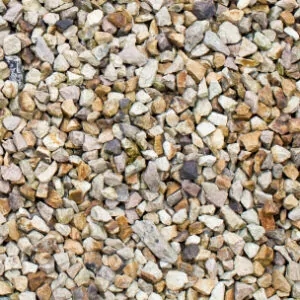
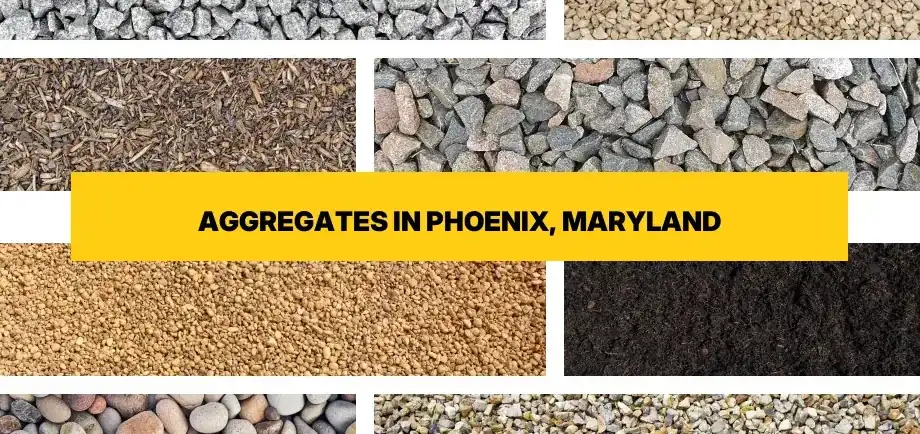
Rock & Driveway Gravel in Phoenix, Maryland
Local Topsoil, Dirt, Sand, Rocks and Gravel near me in Phoenix, Maryland
Shop Aggregates for Delivery in Phoenix
Order online for free delivery to any Phoenix address.
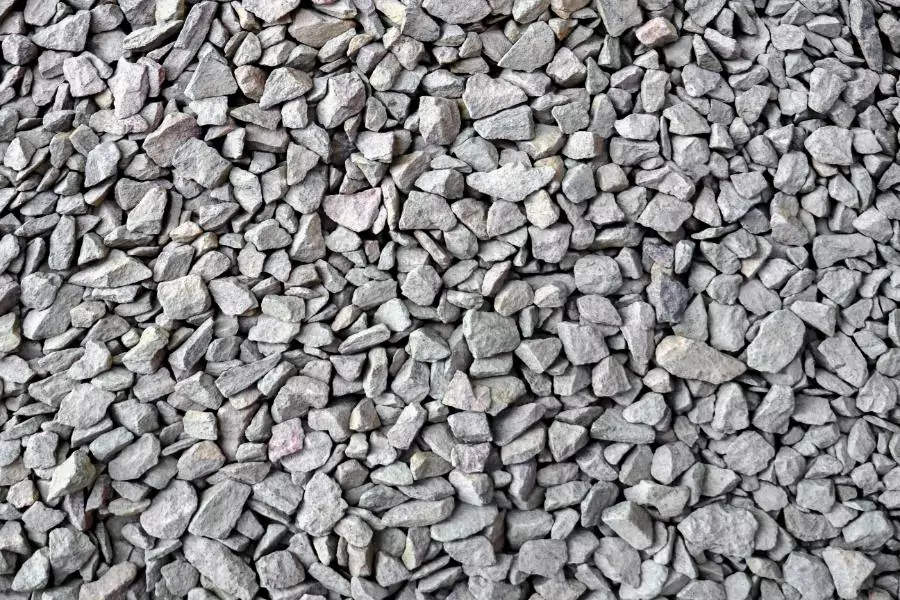
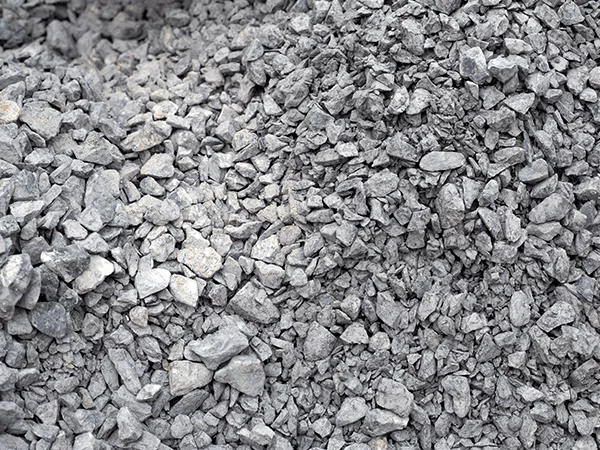


Gravel Monkey brings professional-grade aggregates directly to your Phoenix, Maryland property with completely free delivery. Serving neighborhoods from Cockeysville to Jacksonville and throughout northern Baltimore County, we supply the crushed stone, gravel, and bulk materials essential for residential and commercial projects in this historic mill community. Whether you're upgrading a driveway in the Phoenix Village area or building drainage solutions near Loch Raven Reservoir, our extensive inventory meets the demands of Phoenix's unique Piedmont plateau geology and Maryland's challenging climate conditions.
Complete Aggregate Selection for Phoenix MD Projects
Our comprehensive material selection addresses every construction and landscaping need in the Phoenix area. Understanding Baltimore County's clay-heavy soils and seasonal freeze-thaw cycles, we stock aggregates specifically suited to local conditions:
- Driveway Gravel - Proven durable base for residential and farm driveways throughout Phoenix
- 3/4 inch Crushed Stone - Versatile aggregate for foundations, drainage, and driveway applications
- #57 Stone - Premium drainage stone and concrete base material
- Crusher Run - Superior compactable base for roads and driveways in clay soils
- Road Base - Heavy-duty aggregate for commercial and agricultural road construction
- Pea Gravel - Decorative stone for walkways, patios, and garden beds
- River Rock - Natural aesthetic stone for landscaping and water features
- Walkway Gravel - Comfortable, stable surface for garden paths and trails
- Drain Rock - Essential stone for French drains and foundation drainage
- Crushed Concrete - Eco-friendly recycled aggregate for base layers
- Topsoil - Rich growing medium for gardens and lawn establishment
- Fill Dirt - Bulk earth for grading, leveling, and land reshaping
- Mason Sand - Fine sand for masonry work and paver installation
- Playground Sand - Safe, clean sand for play areas and sandboxes
- Washed Sand - Clean, multipurpose sand for various construction needs
- Decomposed Granite - Natural stabilized surface for pathways and landscaping
Driveway Aggregates Engineered for Phoenix Area Conditions
Phoenix's location on the Piedmont plateau presents specific challenges for driveway construction. The region's clay-rich soils, derived from weathered schist and gneiss bedrock, create poor drainage and significant expansion-contraction cycles. Properties along Phoenix Road, Ashland Road, and throughout the Shawan area require properly engineered aggregate bases to prevent the rutting, washouts, and cracking common in Baltimore County.
Crusher Run: The Gold Standard for Phoenix Driveways
Crusher run stands as the preferred driveway aggregate throughout Phoenix and northern Baltimore County. This blend of crushed stone and stone dust compacts to create a nearly impermeable surface that resists Maryland's freeze-thaw cycles. The material locks together mechanically, preventing the shifting common with inferior aggregates. For properties near Loch Raven Technical Academy or along Wiseburg Road, crusher run provides the stability needed on Phoenix's rolling terrain. A four-inch depth over properly prepared subgrade delivers decades of reliable performance.
Crushed Stone Applications
Three-quarter inch crushed stone serves as an excellent drainage layer beneath crusher run or as a standalone driveway surface for low-traffic farm roads and secondary driveways. Properties in the Jacksonville area and along Falls Road benefit from this material's superior drainage characteristics. The angular stone particles interlock while allowing water to permeate, preventing the pudding issues that plague poorly drained Phoenix driveways during spring thaw periods.
Critical Drainage Solutions for Baltimore County Clay Soils
Phoenix properties face ongoing drainage challenges due to the area's heavy clay soils and average annual rainfall exceeding 43 inches. Neighborhoods near Loch Raven Reservoir and throughout the Cockeysville area experience particularly difficult drainage conditions during spring storms and summer thunderstorms. Proper aggregate selection proves essential for foundation protection and landscape preservation.
French Drain Construction
French drain systems require specific aggregates to function effectively in Phoenix's clay environment. Number 57 stone provides the ideal balance of drainage capacity and structural integrity for residential French drains. The clean, uniform stone size allows rapid water movement while preventing soil infiltration. Properties along Seminary Avenue and throughout historic Phoenix Village rely on properly constructed French drains to manage groundwater and prevent basement flooding during Maryland's wettest months.
Installation depth matters significantly in Phoenix's clay soils. French drains must extend below the frost line—approximately 30 inches in northern Baltimore County—to prevent frost heaving. The surrounding drain rock creates a permeable channel that intercepts groundwater before it reaches foundations. This proves particularly crucial for homes built on the sloping terrain characteristic of the Phoenix area.
Foundation Drainage Systems
Every foundation in Phoenix requires adequate drainage to prevent the hydrostatic pressure that damages basement walls and causes chronic moisture issues. A minimum six-inch layer of drain rock along foundation perimeters provides the primary defense against water infiltration. The aggregate creates a void space where water accumulates before flowing to perimeter drains or daylight drainage points. Properties throughout Sparks and Hunt Valley neighborhoods particularly benefit from comprehensive foundation drainage given the area's clay soils and rolling topography.
| Aggregate Type | Best Phoenix Applications | Typical Depth | Compaction Level |
|---|---|---|---|
| Crusher Run | Driveways, parking areas, road base | 4-6 inches | Excellent (95%+) |
| 3/4" Crushed Stone | Drainage layers, driveway base, shed pads | 4-6 inches | Good (90-95%) |
| #57 Stone | French drains, foundation drainage, septic | 6-12 inches | Moderate |
| Road Base | Heavy equipment access, farm roads | 6-8 inches | Excellent (95%+) |
| Pea Gravel | Walkways, landscaping, decorative areas | 2-3 inches | Minimal |
| River Rock | Decorative landscaping, water features | 2-4 inches | None |
| Decomposed Granite | Natural pathways, stabilized surfaces | 2-3 inches | Good (compacts naturally) |
Landscaping Aggregates for Phoenix Gardens and Outdoor Spaces
Phoenix's temperate climate and distinct four-season weather create specific requirements for landscaping materials. The area experiences hot, humid summers with temperatures reaching the low 90s and cold winters with sustained periods below freezing. Proper aggregate selection enhances both functionality and aesthetics while managing the drainage challenges inherent to Baltimore County properties.
Decorative Stone Options
Pea gravel remains the most popular decorative aggregate throughout Phoenix neighborhoods. The smooth, rounded stones provide comfortable walking surfaces for garden paths while offering excellent drainage—essential given the area's clay subsoils. Properties near NCR Trail and throughout the Seminary Avenue area incorporate pea gravel extensively in xeriscaping designs that reduce water consumption during Maryland's increasingly hot summers.
River rock serves as the premium option for landscape accent areas and water features. Available in various sizes, river rock creates natural-looking borders around gardens, tree rings, and retention ponds common throughout Phoenix properties. The stones' rounded edges and varied colors complement the native stone visible in outcroppings throughout northern Baltimore County. Many Hunt Valley and Sparks homeowners choose river rock for its longevity and minimal maintenance requirements.
Pathway Construction
Garden pathways require materials that drain well while providing stable footing through all seasons. Decomposed granite has gained popularity in Phoenix for its natural appearance and firm surface when properly installed. The material compacts into a stable walking surface while allowing water infiltration—critical for preventing erosion on sloped properties common throughout the area. Installation over landscape fabric prevents mixing with underlying clay soils that would compromise drainage.
Walkway gravel offers another excellent pathway solution, particularly for informal garden trails and natural areas. The material's size and gradation provide good compaction while maintaining permeability. Properties connecting to the NCR Trail and throughout the Loch Raven watershed area benefit from walkway gravel's environmental advantages and low-maintenance characteristics.
Topsoil and Fill Materials for Phoenix Properties
Phoenix's natural soils present significant challenges for gardening and lawn establishment. The dominant Manor and Glenelg soil series feature heavy clay content, poor drainage, and acidic pH levels. Most successful gardens and landscapes in the Phoenix area require substantial soil amendment or replacement to support healthy plant growth.
Premium Topsoil Applications
Quality topsoil transforms Phoenix gardens from struggling to thriving. Our screened topsoil blend provides the organic matter, proper texture, and drainage characteristics that native Phoenix clay soils lack. Garden beds throughout Cockeysville and the Phoenix Mill area benefit from 6-8 inches of quality topsoil that enables vegetables, perennials, and shrubs to establish deep root systems. The improved drainage prevents the waterlogging that destroys plant roots during Maryland's wet spring seasons.
Lawn establishment on new construction sites requires complete soil replacement in many cases. Phoenix's clay subsoils compact severely during construction, creating nearly impermeable surfaces where grass struggles to survive. A minimum of four inches of quality topsoil provides the growing medium necessary for successful lawn establishment. Properties throughout Hunt Valley and Jacksonville experience dramatically improved turf performance when proper topsoil depth is installed over clay subgrade.
Fill Dirt for Grading Projects
Proper site grading prevents the drainage problems common throughout Phoenix and northern Baltimore County. Fill dirt enables contractors and homeowners to reshape terrain, directing water away from structures and preventing the pooling that damages foundations and creates mosquito breeding areas. The rolling topography characteristic of the Piedmont plateau often requires significant grading work to achieve proper drainage patterns.
All fill dirt placement in Phoenix must account for settling rates in clay soils. Over-excavated areas require compaction in lifts no greater than eight inches to prevent future subsidence. Properties along Phoenix Road and throughout the Shawan area particularly benefit from professional grading that addresses both surface water management and long-term stability in the region's challenging soil conditions.
Commercial and Agricultural Aggregate Solutions
Phoenix's rural character and proximity to agricultural areas in northern Baltimore County create demand for heavy-duty aggregates suited to commercial and farm applications. The region's equestrian facilities, agricultural operations, and commercial properties require materials that withstand heavy equipment traffic while managing the drainage challenges inherent to Maryland clay soils.
Farm Road Construction
Agricultural operations throughout the Phoenix area depend on reliable access roads that function year-round. Road base provides the structural strength necessary for farm equipment, livestock trailers, and delivery vehicles. The material's gradation and compaction characteristics create stable surfaces even during spring mud season—the period when poorly constructed farm roads become impassable throughout Baltimore County.
Proper farm road construction begins with adequate base depth. Minimum six-inch compacted road base thickness prevents the rutting and washboarding common on agricultural roads. Properties throughout the Wiseburg and Ashland Road areas achieve decades of reliable performance when road base is installed over geotextile fabric that separates aggregate from underlying clay soils. This prevents the pumping action that destroys poorly constructed farm roads during wet weather.
Equestrian Facility Applications
Phoenix's numerous horse farms and equestrian centers require specialized aggregate solutions. Arena footing, paddock surfacing, and trailer parking areas demand materials that drain effectively while providing safe, stable surfaces for horses and equipment. Crushed concrete has gained favor for paddock areas due to its excellent drainage and cost-effectiveness compared to traditional crushed stone.
Round pen and riding arena construction throughout the Jacksonville and Sparks areas incorporates multiple aggregate layers. A base of larger crushed stone provides drainage, while finer materials create the riding surface. Proper construction prevents the mud that plagues Maryland horse facilities during winter months and early spring. The investment in quality aggregates protects horse health while reducing maintenance requirements throughout the facility.
Serving Phoenix and Surrounding Baltimore County Communities
Gravel Monkey delivers throughout Phoenix and neighboring communities, understanding the specific conditions in each area:
Phoenix Village and Historic District
The original mill village area features older homes on smaller lots with mature landscaping. Properties here often require specialized drainage solutions due to age and proximity to wetland areas. Decorative aggregates enhance gardens while improving water management in this historic neighborhood along Falls Road.
Cockeysville and Hunt Valley
These rapidly developing areas north of Phoenix feature newer residential construction and commercial properties. Driveway and foundation drainage demands remain high due to continued development on previously undisturbed land. Our delivery service reaches throughout these growing communities with materials suited to new construction requirements.
Jacksonville and Sparks Areas
The communities east of Phoenix maintain a rural character with larger properties and agricultural uses. Farm roads, equestrian facilities, and extensive landscaping create diverse aggregate needs. We regularly deliver bulk materials throughout these areas, supporting both residential and agricultural customers.
Seminary Avenue and Shawan Road Corridor
This area encompasses diverse property types from estate homes to small farms. The rolling terrain and clay soils create universal drainage challenges. Quality crushed stone and proper grading materials prove essential for maintaining access and protecting structures throughout this scenic corridor.
Understanding Phoenix's Unique Geological Conditions
Phoenix sits at the southern edge of the Piedmont geological province, where ancient metamorphic rocks have weathered into the clay-rich soils that challenge construction and landscaping throughout the region. The underlying Cockeysville Marble and Wissahickon Schist formations have decomposed over millennia, creating soils with high clay content, poor drainage, and significant expansion-contraction behavior.
These geological characteristics directly impact aggregate selection and installation methods. Clay soils require deeper aggregate bases than sandy or loamy soils to prevent settling and maintain structural integrity. The 30-inch frost depth in northern Baltimore County necessitates careful attention to base preparation for any permanent structures or improvements. Winter freeze-thaw cycles create heaving pressures that destroy inadequately prepared driveways and foundations.
Phoenix's average annual rainfall of 43 inches—concentrated heavily in spring and summer thunderstorm seasons—demands superior drainage solutions. Properties throughout the area experience seasonal water table rises that saturate soils and create hydrostatic pressure against foundations. Proper aggregate selection and installation provides the only reliable protection against these recurring moisture challenges.
Seasonal Considerations for Aggregate Projects
Maryland's four distinct seasons create optimal and challenging periods for aggregate installation. Spring's wet conditions and saturated soils complicate compaction and base preparation. Summer offers ideal conditions for most projects, with warm temperatures and typically drier soils allowing excellent compaction results. Fall provides a second optimal window before winter freeze arrives.
Winter aggregate work remains possible but requires additional considerations. Frozen soils resist compaction, and snow cover complicates site preparation. However, the firm ground conditions during freezing weather sometimes enable equipment access to areas impassable during other seasons. Many Phoenix property owners schedule bulk deliveries during winter months for projects beginning in early spring.
Professional Installation Guidelines for Phoenix Projects
Successful aggregate projects in Phoenix require attention to installation details that account for local soil conditions and climate. Whether installing a new driveway in the Cockeysville area or creating drainage solutions near Loch Raven Reservoir, proper technique ensures long-term performance and prevents the failures common throughout Baltimore County.
Site Preparation Essentials
Every aggregate project begins with thorough site preparation. Remove all organic material, topsoil, and soft subgrade material to reach firm, undisturbed soil. Phoenix's clay soils often require deeper excavation than initially apparent—soft spots and poor bearing capacity extend well below the surface in many areas. Test bearing capacity by walking the excavated area; any areas showing significant deflection require additional excavation or stabilization.
Grade the prepared subgrade to promote drainage away from structures and toward designed drainage paths. A minimum two percent slope—one-quarter inch per foot—ensures water movement across surfaces. Properties throughout Phoenix's rolling terrain must carefully consider drainage patterns during site preparation to prevent water accumulation and the frost heaving that damages aggregate surfaces during winter months.
Geotextile Fabric Applications
Geotextile fabric installation between Phoenix clay soils and aggregate bases prevents the mixing that destroys driveways and drainage systems. The fabric acts as a separation barrier while allowing water to pass, maintaining aggregate integrity and preventing the pumping action that brings clay into stone layers. Every driveway and road base project in the Phoenix area benefits from quality geotextile installation.
Select appropriate fabric strength for the intended use. Lighter fabrics suffice for pedestrian walkways and garden applications, while driveways and commercial roads require heavy-duty non-woven geotextiles rated for vehicular traffic. Overlap adjacent fabric sections by at least 12 inches and secure edges to prevent shifting during aggregate placement.
Proper Compaction Techniques
Compaction determines long-term aggregate performance in Phoenix's challenging soil conditions. Place crusher run and road base materials in lifts no greater than four inches before compaction. Use appropriate equipment—plate compactors for residential driveways and vibratory rollers for larger projects. Make multiple passes over each lift, changing direction to achieve uniform density throughout the base.
Moisture content significantly affects compaction results. Phoenix's clay subsoils retain moisture, often providing adequate dampness for compaction of base materials. However, during dry summer periods, light watering may improve compaction efficiency. Over-saturation prevents proper compaction, so add water judiciously and allow excess moisture to dissipate before final compaction passes.
Frequently Asked Questions About Aggregates in Phoenix MD
Crusher run is the superior choice for Phoenix driveways due to its excellent compaction characteristics in clay soils and resistance to Maryland's freeze-thaw cycles. For drainage layers or lower-traffic applications, three-quarter inch crushed stone provides good performance. The rolling terrain and clay soils throughout Phoenix, Cockeysville, and Jacksonville areas demand properly engineered aggregate bases to prevent the settling and rutting common in Baltimore County.
Residential driveways in Phoenix typically require 4-6 inches of compacted aggregate base over geotextile fabric. Commercial applications and farm roads need 6-8 inches minimum. The area's heavy clay soils and freeze-thaw cycles demand greater base depth than sandy soils to prevent settling and frost heaving. Properties throughout Hunt Valley, Sparks, and the Seminary Avenue corridor particularly benefit from adequate base depth given the challenging soil conditions.
Number 57 stone is the ideal aggregate for French drains throughout Phoenix and northern Baltimore County. The clean, uniform stone size provides excellent drainage while preventing soil infiltration from surrounding clay soils. French drains must extend below the 30-inch frost line common to the area to prevent heaving and maintain proper function through Maryland winters. Properties near Loch Raven Reservoir and throughout the Phoenix watershed area particularly benefit from properly constructed French drains.
Yes! We provide completely free delivery throughout Phoenix, Cockeysville, Jacksonville, Hunt Valley, Sparks, and all surrounding Baltimore County communities. Our service area extends throughout northern Baltimore County, ensuring residents and businesses throughout the region access quality aggregates without delivery charges. Same-day or next-day delivery is available for most orders depending on current demand and weather conditions.
Crushed concrete serves as an excellent eco-friendly alternative for driveways and parking areas throughout Phoenix. The recycled material compacts well and provides good drainage characteristics similar to traditional crushed stone. Many agricultural and commercial properties throughout the Jacksonville and Ashland Road areas choose crushed concrete for its cost-effectiveness and environmental benefits. Proper installation over geotextile fabric ensures long-term performance in Baltimore County clay soils.
Late spring through early fall offers optimal conditions for aggregate installation in Phoenix. May through October typically provides dry weather and warm temperatures that facilitate proper compaction and base preparation. However, winter projects remain feasible when proper techniques account for frozen conditions. Many Phoenix property owners schedule spring projects during winter months to ensure materials arrive as weather permits work to begin. Summer thunderstorms can temporarily delay work but generally dry quickly in Maryland's warm climate.
Delivery to Phoenix and surrounding areas is completely free with Gravel Monkey. You pay only for the materials ordered—no delivery fees, fuel surcharges, or hidden costs. Material pricing varies by type and quantity, with bulk orders offering the best value per cubic yard. Contact us for specific pricing on your project requirements, whether you need a few yards for a garden project or dozens of yards for a driveway or commercial application.
Phoenix sits on the Piedmont plateau where weathered metamorphic rocks have created clay-rich soils with poor drainage and high expansion-contraction behavior. The Manor and Glenelg soil series dominate the area, featuring heavy clay content that retains moisture and resists compaction. These conditions create drainage challenges, frost heaving risks, and settling issues that proper aggregate selection and installation must address. Understanding these local soil characteristics ensures successful long-term project performance throughout northern Baltimore County.
Start Your Phoenix Maryland Aggregate Project Today
Whether you're planning a new driveway near Loch Raven Reservoir, improving drainage along Falls Road, or creating landscaping features in historic Phoenix Village, Gravel Monkey delivers the quality aggregates your project demands. Our extensive inventory, expert guidance, and free delivery throughout northern Baltimore County make us the preferred aggregate supplier for residential, commercial, and agricultural customers.
Phoenix's unique geological conditions and Maryland's challenging climate require materials and installation methods that ensure long-term success. Our team understands Baltimore County soil characteristics, local drainage requirements, and the seasonal considerations that impact aggregate projects throughout the region. We provide not just materials but the expertise needed to select appropriate products for your specific application.
Connect with Gravel Monkey today to discuss your project requirements. Our knowledgeable team can calculate quantities, recommend appropriate materials for your Phoenix area conditions, and schedule convenient delivery that coordinates with your project timeline. Experience the difference that quality aggregates and professional service make for your property improvement projects.

Need help? Reach out for a quote: