
How to Buy Gravel: 10 Things You Need to Know Before You Order
Buying gravel shouldn’t feel complicated but with so many sizes, uses, and delivery factors involved, most homeowners aren’t sure where to start. This guide breaks down everything you need to know to make the right choice the first time, without wasting material, time, or money.
How to Buy Gravel: A Complete, Practical Guide
Most people order gravel only a handful of times in their life, usually for projects like driveways, drainage trenches, patio bases, or landscaping areas. But the difference between the right gravel and the wrong one can be the difference between a surface that lasts 20 years and one that ruts, washes out, or stays muddy forever.
This guide walks you through how to buy gravel, the key decisions to make, the questions to ask a supplier, and the common mistakes to avoid. Whether you’re ordering two tons or a full truckload, you’ll finish with clarity and confidence.
Key Takeaways:
1. Match the gravel to the project.
Driveways need compacting gravel like ¾″ minus, while drainage systems require clean stone like 1″ – 1½″.
2. Size matters more than people think.
3/8″ = decorative and walkways
¾″ = driveways and bases
1 – 1½″ = heavy drainage and load support
2 – 3″ = foundations and erosion control
3. Know the difference between clean and minus.
Clean gravel drains fast; minus gravel compacts firm. Choosing the wrong type is the #1 buyer mistake.
4. Drainage determines long-term success.
If water can’t move through your gravel, your project will rut, settle, or wash out.
5. Bulk buying saves real money.
Large projects should always order gravel in bulk cheaper per ton, consistent quality, and fewer trips.
6. Use a proper quantity formula.
Length × Width × Depth ÷ 27 = cubic yards
Always add 5 – 10% extra for compaction and low spots.
7. Delivery prep matters.
Clear the drop zone, check access for the truck, and decide exactly where the load should go.
8. Crushed gravel is structural; river rock is decorative.
Use crushed stone for anything weight-bearing. Use river rock where aesthetics matter.
9. Ask suppliers the right questions.
Clarify size, clean vs minus, coverage, delivery method, and local stone options before ordering.
10. A well-planned gravel purchase lasts years.
Choosing the right gravel today saves replacement costs, reduces maintenance, and improves performance long-term.
1. Know Your Project Before You Buy Anything
Before you search how to buy gravel, you must be clear about what you’re using it for. Gravel isn’t one single product it’s an entire category of materials designed differently for different uses.
Think about:
Load:
Will it support cars, trucks, tractors, or only foot traffic?
Drainage:
Does water need to move through the gravel quickly?
(Driveways, French drains, swales, and retaining walls all rely on drainage performance.)
Appearance:
Is this a functional space or a visible landscaping feature?
Understanding your project ensures you choose the correct size, texture, and material.
2. Choose the Correct Gravel Size
One of the biggest mistakes people make when researching how to buy gravel is choosing the wrong size.
Here’s a simplified breakdown:
3/8″ Gravel (Pea-size chips)
• Best for: walkways, decorative borders, tight spaces
• Not ideal for: driveways with heavy vehicles (moves too easily)
¾″ Crushed Gravel
• Best for: driveways, parking areas, patio bases, drainage
• A strong all-around size that compacts well
1″ – 1½″ Gravel
• Best for: heavy-duty driveways, retaining wall backfill, drainage
• Provides both structure and water movement
2″ – 3″ Gravel
• Best for: road base, erosion control, large drainage jobs
• Too large for most home driveways but great for foundations
If you’re still unsure how to buy gravel in the right size, most suppliers can guide you once you describe the job.
3. Understand the Difference Between Crushed Gravel & River Rock
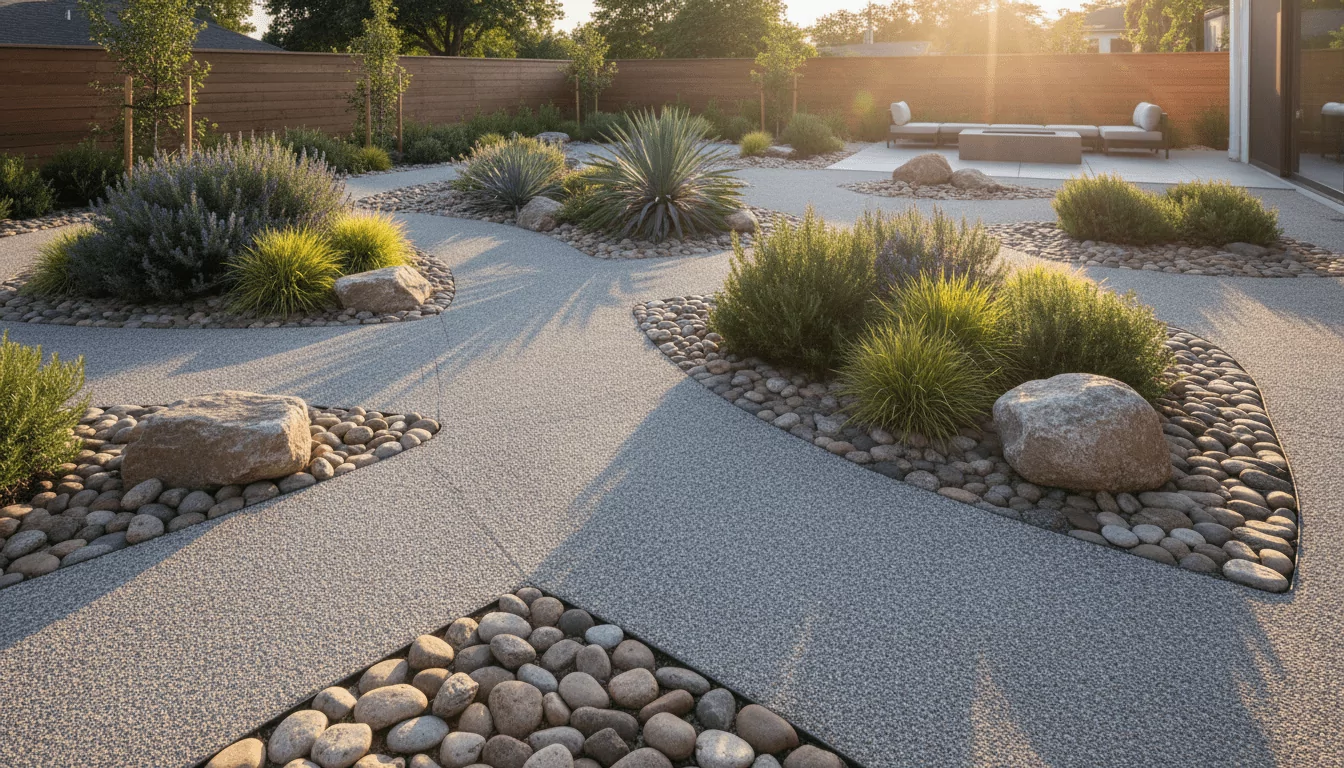
Crushed gravel is broken mechanically, giving it sharp edges that interlock.
River rock is naturally rounded, smoother, and more decorative.
Crushed gravel is ideal for anything structural:
Driveways, bases, drainage, slopes, and pads.
River rock is ideal for landscaping:
Dry creek beds, garden beds, around trees, edging, and water features.
If your project must stay in place and handle weight, choose crushed gravel not river rock.
4. Don’t Ignore Drainage It Determines Everything
Good drainage is the backbone of gravel performance.
When reading advice on how to buy gravel, always look for mention of drainage because it dictates your gravel’s success.
Projects that depend heavily on drainage include:
• French drains
• Trench drains
• Foundation perimeter systems
• Retaining wall backfill
• Driveway bases
• Yard runoff channels
If water can’t move freely through your gravel, it will pool, freeze, erode, or undermine the gravel’s stability. Clean, washed gravel between ¾″ and 1½″ is your best bet.
5. Calculate the Quantity Correctly (Most People Get This Wrong)
The most stressful part of figuring out how to buy gravel is estimating how much you need. Too little means paying a second delivery fee; too much means piles of excess material.
The simplest rule:
1 cubic yard covers about 100 sq ft at 3 inches deep.
1 ton covers roughly 80 – 100 sq ft at 2 inches deep (depending on size).
Formula:
Length × Width × Depth (in feet) ÷ 27 = cubic yards
Depth recommendations:
• Walkways: 2 – 3″
• Driveways: 4 – 6″ base + 2″ top layer
• Drainage trenches: usually 12 – 18″
If you’re planning how buy gravel in bulk, always order 5 – 10% extra to account for compaction and low spots.
6. Buying Gravel in Bulk Saves Money But Requires Planning
Buying gravel in bulk is always more cost-efficient than buying bagged material. A single dump truck delivery usually ranges from 5 to 20 tons, depending on your supplier.
Bulk gravel is perfect for:
• Driveways
• Large drainage projects
• Patio or foundation bases
• Landscaping over 300 sq ft
When ordering in bulk:
- Ensure trucks can access your property
- Clear obstacles like cars, branches, and gates
- Choose a safe dumping area
- Lay a tarp if you don’t want gravel touching soil
Bulk pricing can save you thousands over the life of a project.
7. Know the Delivery Truck Types
Most suppliers use one of three truck types:
Single-axle (small loads)
Carries 3 – 5 tons
Great for tight neighborhoods
Tandem-axle
Carries 10 – 15 tons
Most common
Tri-axle
Carries 15 – 20 tons
Requires more space to maneuver
When learning how to buy gravel, always ask:
What truck type will deliver my load?
This determines whether the truck can dump where you want.
8. Decide on Clean vs. Minus Gravel
Another mistake people make when searching how to buy gravel is confusing these two categories:
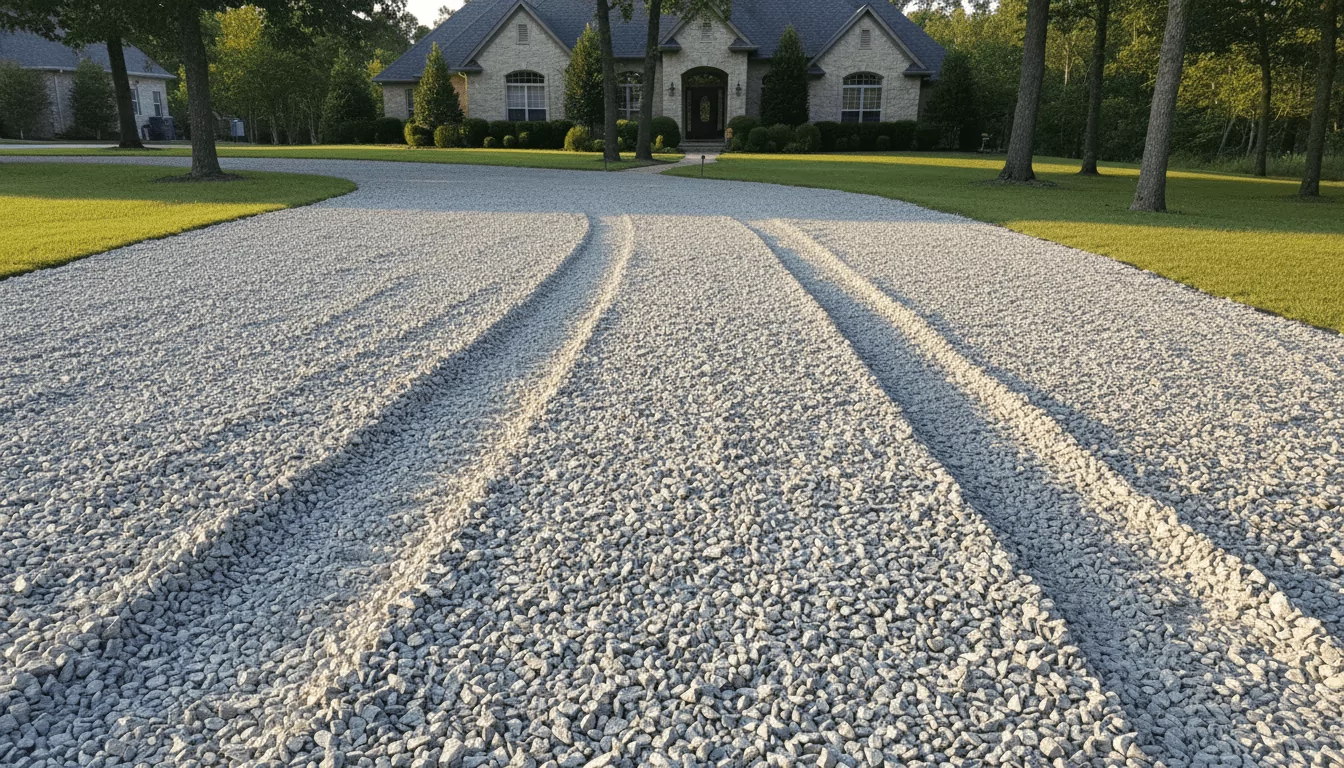
Clean Gravel (no fines)
• Ideal for drainage
• Won’t compact fully
• Stays loose but stable
Includes sizes like ¾″, 1″, and 1½″ washed stone.
Minus Gravel (with fines)
• Compacts into a solid surface
• Great for driveways and bases
• Not ideal for drainage
If you need a driveway that feels firm and smooth, use ¾″ minus.
If you need a drainage trench, use ¾″ clean or 1½″ clean.
9. Prepare the Site Before Delivery
Before your truck arrives:
• Mark where the gravel should be dumped
• Remove obstacles
• Mow grass in the drop zone
• Lay plywood if protecting concrete
• Place tarps if material must stay clean
This small prep work eliminates stress and makes spreading much easier.
10. Ask These Questions Before You Order
A good supplier expects these questions:
- What gravel size is best for my project?
- Is this clean or minus material?
- How many tons do I need for my square footage?
- What truck type will deliver my gravel?
- Do you allow split loads?
- What is the minimum order for delivery?
- Do you have local stone or imported options?
If the supplier can answer clearly, you’re in good hands.
Frequently Asked Questions
What is the best gravel size for a driveway?
¾″ crushed gravel is the most common choice because it compacts well and handles vehicle weight without shifting.
How much gravel do I need for my project?
One cubic yard covers around 100 sq ft at 3″ deep. Calculate length × width × depth, then divide by 27.
Should I buy gravel in bulk?
Yes, if your project is over 300 sq ft, bulk delivery is almost always cheaper and more efficient.
What’s the difference between clean gravel and minus gravel?
Clean gravel has no fines and drains well. Minus gravel contains sand-like fines and compacts into a solid surface.
Can gravel be dumped exactly where I want it?
Yes, but only if the delivery truck has access. Tight spaces, slopes, or soft ground can limit drop zones.
Do I need landscape fabric under gravel?
For drainage: yes, to separate soil and keep trenches open.
For driveways: optional but helpful over soft soil.
What kind of gravel is best for drainage?
Clean, washed stone like ¾″ clean, 1″ clean, or 1½″ clean performs best for French drains or retaining wall backfill.
Final Thoughts
Learning how to buy gravel isn’t complicated once you understand the basics: choose the right size, estimate correctly, plan your delivery, and match the gravel to the job’s drainage needs. Whether you’re building a driveway, strengthening a slope, installing drainage, or refreshing your landscape, the right gravel makes your project last longer and perform better.
Buying gravel in bulk is often the smartest approach for larger projects, offering better pricing, fewer trips, and consistent material quality.
Armed with this guide, you now know exactly how to buy gravel with confidence no guessing, no wasted money, and no frustrating do-overs.