
How to Calculate Aggregate Needs Accurately for Your Project
Calculating aggregate needs for your project isn’t just about guessing quantities. You need to measure dimensions accurately and understand the specific types of aggregates you’ll use.
Adjusting for waste and considering factors like compaction and moisture content can significantly impact your results. It’s essential to follow precise formulas to ensure you’re not underestimating or overestimating your requirements.
Let’s explore the critical steps to ensure your calculations are spot on.
Key Takeaways
- Measure project dimensions accurately to determine the total volume of aggregates needed.
- Adjust the total volume for waste factors, typically around 10%, to avoid shortages.
- Consider the type of aggregate, as different densities affect the volume calculations required.
- Account for moisture content and compaction factors, which can significantly impact volume estimates.
- Utilize software tools and online calculators for streamlined and accurate calculations.
Understanding Different Types of Aggregates

When you’re embarking on a project, understanding the different types of aggregates is crucial, as each type serves specific purposes and impacts overall performance.
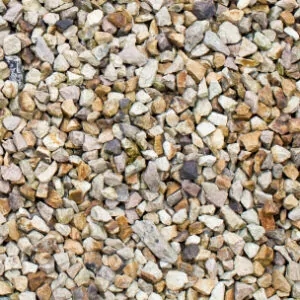
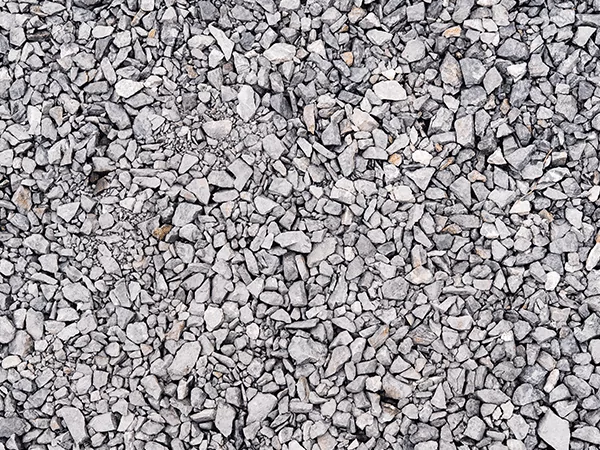
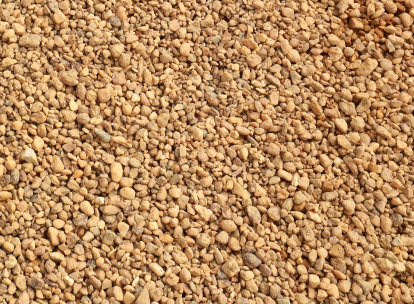
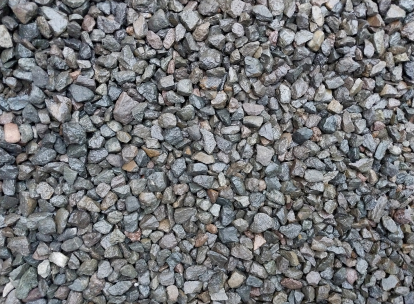
Generally, aggregates fall into two categories: coarse and fine. Coarse aggregates, like gravel or crushed stone, provide strength and stability, while fine aggregates, such as sand, enhance workability and fill voids.
You’ll also encounter recycled aggregates, which offer sustainable options without compromising quality. Each type influences the mixture’s durability, drainage, and load-bearing capacity.
Determining the Volume of Aggregate Needed
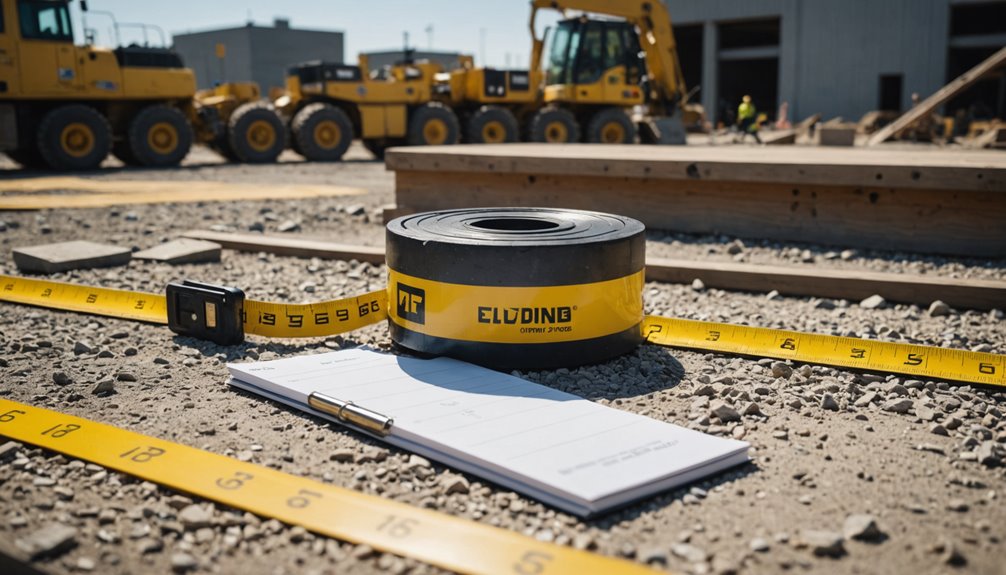
Calculating the volume of aggregate needed for your project is essential to ensure you have the right amount for optimal performance.
Start by considering these key factors:
- Project dimensions: Measure length, width, and depth accurately.
- Type of aggregate: Different materials have varying densities.
- Compaction factors: Account for how much the aggregate will settle.
- Moisture content: Wet aggregates may impact volume estimates.
- Waste allowance: Factor in potential loss during handling.
Using Formulas for Accurate Calculations

To achieve accurate calculations for your aggregate needs, you’ll want to utilize specific formulas that consider your project’s unique parameters.
Begin by determining the total volume required, which can be calculated using the formula: Volume = Length × Width × Height. Adjust for any waste factor, typically around 10%, by multiplying the total volume by 1.1.
Next, if you’re working with different types of aggregates—like ¾ inch crushed gravel commonly used for driveways and drainage—calculate the required amounts for each by applying the proportions based on your mix design.
Don’t forget to convert units as necessary. By carefully applying these formulas, you’ll ensure your calculations align with your project’s specifications, fostering a sense of trust in your planning and execution processes.
Accuracy here sets the foundation for a successful project.
Common Mistakes to Avoid in Aggregate Estimation

While estimating aggregate needs, overlooking critical details can lead to significant project setbacks.
To avoid this, steer clear of these common pitfalls:
- Not factoring in waste and spillage
- Failing to account for site-specific conditions
- Ignoring variation in material density
- Over-relying on past projects without adjustments
- Misestimating required quantities due to poor planning
Tools and Resources for Aggregate Calculation
Accurate aggregate calculation hinges on the right tools and resources at your disposal. Start by utilizing software like Microsoft Excel or specialized construction management tools that can streamline calculations and reduce errors.
Online calculators can offer quick estimates, but ensure they align with your project specifics. Don’t overlook the importance of material databases; they provide vital information on density and volume for various aggregates. For example, decomposed granite has different compaction properties compared to washed stone or pea gravel.
Additionally, consider consulting industry standards, such as those from ASTM or AASHTO, to ensure compliance and accuracy. Engaging with professional forums or local construction groups can also provide invaluable insights and shared experiences.
Frequently Asked Questions
How Do Weather Conditions Affect Aggregate Calculations?
Weather conditions significantly influence aggregate calculations. Rain can saturate materials, affecting weight and volume. Cold temperatures may lead to frozen aggregates, while excessive heat can cause moisture loss, altering your project’s overall accuracy and efficiency.
Can Recycled Materials Be Used in Aggregate Calculations?
Yes, you can use recycled materials in aggregate calculations. They often meet industry standards and can enhance sustainability. However, ensure you verify their properties and compatibility with your project’s requirements for optimal performance and safety.
What Factors Influence the Cost of Aggregates?
The cost of aggregates depends on factors like material type, transportation expenses, local demand, and market fluctuations. You’ll want to analyze these variables to ensure you’re making informed decisions that fit your project’s budget and needs.
How Often Should I Reassess My Aggregate Needs?
You should reassess your aggregate needs at least quarterly; studies show that 70% of projects experience fluctuations in material requirements. Regular evaluations help you stay on budget and ensure you’re meeting project demands effectively.
Are There Industry Standards for Aggregate Quality?
Yes, there are industry standards for aggregate quality, often outlined by organizations like ASTM and AASHTO. Adhering to these standards ensures you meet performance requirements and enhances your project’s durability and safety. Always stay informed about updates.
Conclusion
In summary, accurately calculating aggregate needs is crucial for project success. Think of it like baking: just as a pinch too much salt can ruin a dish, miscalculating your aggregate can lead to costly setbacks.
By measuring dimensions, adjusting for waste, and considering site-specific conditions, you ensure your project runs smoothly. Armed with the right knowledge and tools, you can avoid common pitfalls and achieve optimal results, just like a chef perfecting their recipe for the best flavor.