Order Topsoil, Stone & Gravel in Woodstock, New Hampshire
Local Topsoil, Dirt, Sand, Rocks and Gravel near me in Woodstock, New Hampshire
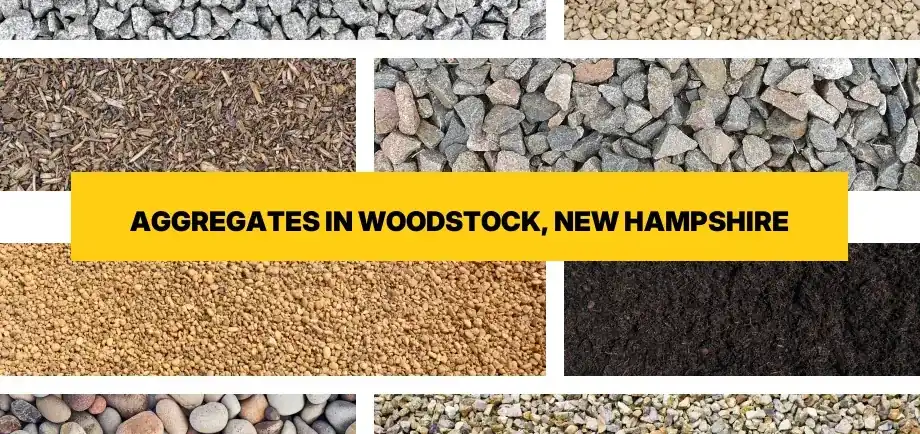
Shop Aggregates for Delivery in Woodstock
Order online for free delivery to any Woodstock address.


Gravel Monkey delivers premium aggregates and construction materials throughout Woodstock, New Hampshire, serving properties from Lost River Valley to North Woodstock and everywhere along the scenic Kancamagus Highway corridor. Nestled in the heart of the White Mountains, Woodstock presents unique challenges for driveways, drainage, and landscaping projects that require materials specifically suited to mountainous terrain, heavy snowfall, and dramatic freeze-thaw cycles. Whether you're building a driveway near Cascade Brook or improving drainage for a mountain property overlooking the Pemigewasset River, we deliver quality aggregates directly to your site with absolutely free delivery throughout the Woodstock area.
Complete Aggregate Selection for Woodstock Mountain Properties
Our comprehensive inventory addresses the specific needs of White Mountain construction and landscaping projects. From foundation work to decorative pathways, we supply materials engineered to withstand New Hampshire's challenging climate conditions.
- Driveway Gravel - Premium base material that handles mountain terrain and heavy snow loads
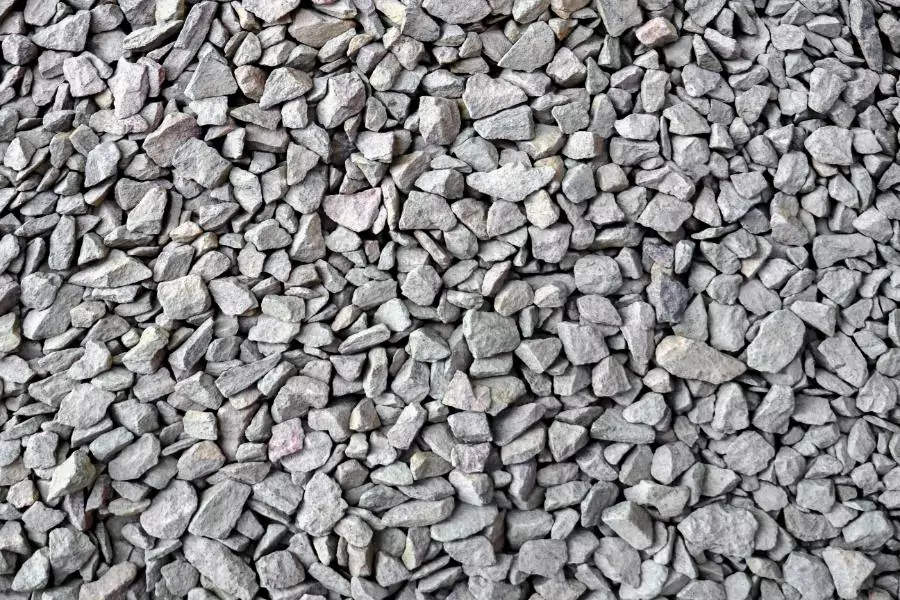
- 3/4 inch Crushed Stone - Versatile angular aggregate for driveways, foundations, and drainage
- #57 Stone - Uniform drainage stone ideal for French drains and foundation systems
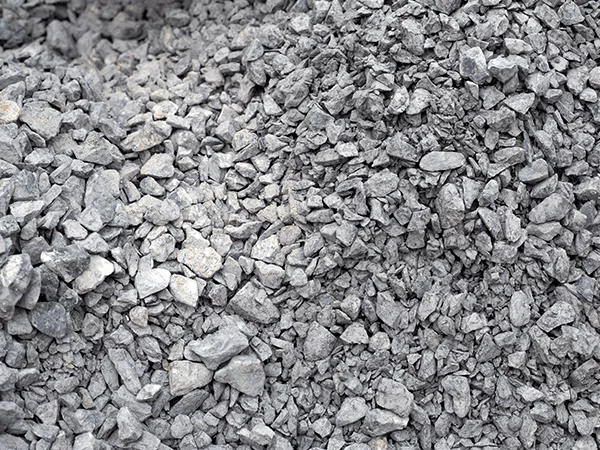
- Crusher Run - Compactable base that creates stable surfaces on steep slopes
- Road Base - Heavy-duty foundation material for mountain access roads
- Drain Rock - Specialty drainage aggregate for managing snowmelt and runoff
- Pea Gravel - Decorative rounded stone for pathways and landscaping features
- River Rock - Natural aesthetic stone in multiple sizes for water features and gardens
- Walkway Gravel - Stable pedestrian surface material that drains efficiently
- Crushed Concrete - Eco-friendly recycled aggregate for cost-effective projects
- Topsoil - Nutrient-rich growing medium for mountain gardens
- Fill Dirt - Grading material for leveling and site preparation
- Mason Sand - Fine sand for concrete, mortar, and paver installation
- Washed Sand - Clean construction sand for multiple applications
- Playground Sand - Safe, clean sand for children's play areas
- Decomposed Granite - Natural pathway material that compacts beautifully
Understanding Woodstock's Unique Geology and Climate Challenges
Woodstock's position in the White Mountains creates distinctive conditions that demand careful material selection. The town sits at elevations ranging from 800 to over 1,200 feet, where annual snowfall averages 80 to 100 inches and winter temperatures regularly drop below zero. The underlying geology consists primarily of Conway granite and Littleton schist formations, overlaid with glacial till that creates naturally rocky, well-draining soils mixed with clay pockets that can retain moisture.
These geological conditions present specific challenges for construction projects throughout areas like Lost River Valley and North Woodstock. The freeze-thaw cycle occurs repeatedly from November through April, with daytime thaws and nighttime refreezing creating heaving forces that can displace poorly constructed driveways and foundations. Spring snowmelt from the surrounding peaks sends substantial water volumes through the watershed, requiring robust drainage solutions for properties along the Pemigewasset River corridor and in hillside locations near Cascade Brook.
The glacially deposited soils contain significant proportions of silt and clay in many locations, particularly in valley bottoms and lower elevations. These fine-grained soils expand when wet and contract during freezing, creating instability for structures built without proper aggregate bases. Understanding these local conditions is essential for selecting appropriate materials that will perform reliably through decades of White Mountain weather extremes.
Serving Woodstock Neighborhoods and Surrounding Communities
Gravel Monkey provides delivery throughout Woodstock's diverse landscape, from valley floor properties to mountainside lots with challenging access. We regularly serve these areas:
The Lost River Valley area contains numerous seasonal and year-round properties requiring drainage solutions for spring runoff and materials that withstand the extended winter season. Properties along Route 112 and the Kancamagus Highway need aggregates that can handle tourist traffic during peak seasons while resisting winter damage. The North Woodstock village area, with its mix of commercial and residential properties, demands versatile materials for both heavy-use applications and decorative landscaping.
Neighborhoods near Cascade Brook and along the eastern approaches to town benefit from our drainage-focused aggregates that manage water flow from the surrounding hillsides. Properties in the Clark's Trading Post area and along Route 3 corridor utilize our road base and driveway materials for stable, long-lasting surfaces. Homes on the slopes above town and in the Lincoln Woods vicinity require specialized approaches for steep-grade driveways and erosion control.
We also deliver to nearby communities including Lincoln, North Lincoln, Thornton, Campton, and Waterville Valley, extending quality aggregate supply throughout the central White Mountains region.
Choosing the Right Aggregates for Mountain Projects
Driveways That Survive White Mountain Winters
Mountain driveways face extraordinary stress from snow removal equipment, freeze-thaw cycles, and steep grades. The key to longevity lies in proper base construction using angular aggregates that lock together and resist displacement. A typical Woodstock driveway requires 6 to 8 inches of compacted base material, significantly deeper than flatland specifications due to frost depth and drainage needs.
For the base layer, crusher run provides optimal performance through its mix of stone sizes that compact into a stable, load-bearing surface. The fines fill voids between larger stones, creating a water-resistant barrier that prevents moisture penetration and subsequent frost heaving. Over this base, a surface layer of driveway gravel or three-quarter inch crushed stone provides excellent traction and drainage while maintaining stability under vehicle loads and plowing forces.
Properties with particularly steep approaches benefit from road base as the foundation layer, offering maximum stability on grades where gravity constantly works to shift materials downhill. The angular nature of crushed aggregates provides mechanical interlock that resists sliding far better than rounded river rock or natural gravel deposits. Proper crown formation—building the center higher than edges—ensures water sheds to the sides rather than traveling down the driveway surface, preventing ruts and erosion.
Foundation Drainage for Snowmelt Management
Woodstock's heavy snowfall creates enormous water volumes during spring melt, with a single major thaw potentially releasing weeks of accumulated precipitation within days. Foundation drainage systems must handle these surge flows while preventing water infiltration that leads to basement moisture, foundation damage, and frost heaving around structures.
Effective drainage begins with number 57 stone surrounding foundation perimeter drains. This uniform-sized aggregate creates consistent void spaces that allow rapid water movement while resisting compaction that could impair drainage performance. For French drain systems managing surface water, drain rock offers optimal flow characteristics combined with longevity that prevents system failure from sediment clogging.
Properties on hillsides above the Pemigewasset River valley or in areas like Lost River Valley with high groundwater tables require particularly robust drainage solutions. Multiple drain systems may be necessary to intercept uphill water flow before it reaches structures, using strategic placement of drainage trenches filled with appropriate aggregates to redirect water safely away from buildings and driveways.
Landscaping Materials for Mountain Aesthetics
While functional aggregates handle the structural demands of mountain construction, decorative materials create beautiful outdoor spaces that complement Woodstock's natural setting. River rock in various sizes provides natural beauty for garden borders, dry creek beds, and feature areas, with colors and textures that echo the surrounding White Mountain landscape.
Pea gravel creates comfortable walking surfaces for pathways winding through mountain gardens, offering superior drainage that prevents muddy conditions during wet periods. Its rounded nature makes it comfortable underfoot while still providing stable footing. For more formal pathways, decomposed granite compacts into smooth, attractive surfaces that maintain a natural appearance while offering better wheelchair and stroller accessibility than loose stone.
Water features and rain gardens utilize river rock combined with proper drainage aggregates to create functional beauty that manages site water while enhancing property aesthetics. These installations serve dual purposes in Woodstock's climate—providing landscape interest while helping manage the substantial water volumes from snowmelt and summer thunderstorms.
Aggregate Comparison for Woodstock Applications
| Material Type | Best Applications | Drainage Rating | Compaction Level | Freeze-Thaw Resistance |
|---|---|---|---|---|
| Crusher Run | Driveway base, steep slopes | Good | Excellent | Excellent |
| 3/4" Crushed Stone | Driveways, general construction | Excellent | Very Good | Excellent |
| #57 Stone | Foundation drains, French drains | Excellent | Moderate | Excellent |
| Road Base | Heavy-use driveways, roads | Good | Excellent | Excellent |
| Drain Rock | Drainage systems, septic | Excellent | Low | Excellent |
| Pea Gravel | Walkways, decorative areas | Very Good | Low | Good |
| River Rock | Landscaping, water features | Very Good | Low | Good |
| Crushed Concrete | Budget base, temporary roads | Good | Very Good | Very Good |
Seasonal Planning for Woodstock Aggregate Projects
The White Mountain climate creates distinct windows for optimal aggregate installation and specific challenges that vary throughout the year. Understanding these seasonal factors helps property owners time projects for best results and budget accordingly for materials that will perform in each season's unique conditions.
Spring (April-May): As snowpack melts and frost leaves the ground, spring presents both opportunities and challenges. This season offers excellent conditions for drainage projects when water issues become most apparent, allowing homeowners to observe problem areas and implement solutions before summer. However, saturated soils and mud season conditions can complicate heavy equipment access in areas like Lost River Valley. Waiting until late May often provides better working conditions while still allowing project completion before summer tourist season impacts material availability.
Summer (June-August): Peak construction season in Woodstock brings ideal working conditions with warm, dry weather and maximum equipment access. All aggregate types compact well in summer heat, and projects cure properly before fall weather arrives. However, increased demand from both residential and commercial projects throughout the White Mountains can affect material availability and scheduling. Properties along the Kancamagus Highway and near tourist destinations should plan projects early to avoid conflicts with peak visitor season.
Fall (September-October): Early autumn provides excellent installation conditions with moderate temperatures, lower humidity, and typically dry weather. This season represents the last opportunity for projects requiring substantial earthwork before ground freezes. Contractors working in North Woodstock and surrounding areas often have more availability as summer rush subsides. However, projects must be completed with adequate time for settling before winter frost arrives—typically targeting completion by mid-October for best results.
Winter (November-March): While most aggregate installations pause during winter, planning and material research during these months prepares property owners for spring action. Winter also reveals drainage and access problems that should guide material selection for upcoming projects. Emergency repairs occasionally require winter material delivery for critical access roads or drainage failures, though cold temperatures limit proper compaction and long-term performance of winter installations.
Professional Installation Practices for Mountain Properties
Proper aggregate installation determines whether materials perform as intended or fail prematurely. Woodstock's demanding conditions require attention to details that might be less critical in gentler climates.
Site Preparation Fundamentals
Begin every project by removing organic material, topsoil, and soft subsoils that would compress under aggregate and structural loads. In areas with clay-rich soils common around Cascade Brook and valley locations, excavation depth should extend to competent bearing material or use geotextile fabric to separate subsoils from aggregate layers. Fabric prevents fine soil particles from migrating into aggregate voids, maintaining drainage capacity and preventing settling.
Grade preparation must account for water management, creating positive drainage away from structures and directing surface water to appropriate discharge points. Properties on hillsides require particular attention to intercepting uphill water flow before it undermines installations. Small changes in grade—as little as two percent slope—make significant differences in water management effectiveness.
Layering and Compaction Techniques
Aggregates perform best when installed in lifts—layers of 4 to 6 inches that receive individual compaction before adding subsequent layers. Each lift should be spread evenly, moistened to optimal moisture content, and compacted using appropriate equipment. Plate compactors work well for most residential projects, while larger areas benefit from roller compaction that achieves higher density and better interlock.
The base layer establishes project success or failure. Using crusher run or road base, this foundation should be compacted to 95 percent or greater of maximum density. Surface layers require similar attention, though topmost layers of decorative aggregates like pea gravel or river rock may be left loose for aesthetic purposes. Angular aggregates in structural applications benefit from vibratory compaction that achieves mechanical interlock between particles.
Edge Restraint and Confinement
Aggregates require edge restraint to prevent lateral spreading under loads. For driveways, this might involve existing terrain, installed curbing, or compacted shoulders that confine the aggregate mass. Pathways benefit from plastic or metal edging that maintains defined borders while allowing water drainage. Properties with steep grades particularly need robust edge confinement to resist downhill creep that occurs over time.
Investment Value of Quality Aggregates
While initial material costs vary, the long-term value proposition of quality aggregates becomes clear when comparing performance over typical 10 to 20 year service lives. Premium materials like properly graded crusher run or three-quarter inch crushed stone cost more per ton than bank run gravel or substandard materials, but this cost difference disappears when factoring in extended service life and reduced maintenance requirements.
A driveway constructed with quality aggregates and proper installation techniques may require only occasional surface grading over decades, while poor materials necessitate regular regrading, pothole filling, and eventual reconstruction. For properties in North Woodstock and surrounding mountain areas where equipment access costs run higher than flatland locations, minimizing maintenance frequency provides substantial long-term savings.
Drainage investments using number 57 stone or drain rock prevent costly water damage that could amount to thousands in foundation repairs, basement moisture remediation, or driveway reconstruction. The relatively modest cost of proper drainage aggregates represents insurance against much larger potential expenses. Properties throughout the Pemigewasset River valley particularly benefit from drainage investments that protect against seasonal water fluctuations.
Environmental Stewardship in Aggregate Selection
Responsible aggregate use balances project needs with environmental protection—particularly important in Woodstock's sensitive White Mountain watershed. Crushed concrete offers an environmentally preferable alternative to virgin aggregate for certain applications, utilizing recycled material that would otherwise occupy landfill space while performing comparably to natural stone in many uses.
Proper drainage design using appropriate aggregates prevents erosion that would degrade mountain streams and the Pemigewasset River system. By containing and managing site water through infiltration or controlled discharge, well-designed aggregate installations protect downstream water quality. Properties near Cascade Brook and other tributaries should prioritize drainage solutions that filter runoff before it enters natural waterways.
Native soil preservation where possible reduces project environmental impact. Strategic aggregate use—applying materials only where structural or drainage performance demands them—minimizes disturbance while achieving project goals. Areas intended for future vegetation benefit from preserving existing topsoil rather than burying it under excess fill or aggregate. When topsoil is limited or degraded, imported topsoil provides the foundation for successful landscaping that stabilizes sites and filters water naturally.
Frequently Asked Questions About Gravel and Aggregates in Woodstock
We deliver driveway gravel, crushed stone in various sizes, number 57 stone, crusher run, pea gravel, river rock, drain rock, road base, recycled concrete, topsoil, fill dirt, multiple sand types, and decomposed granite throughout Woodstock and surrounding White Mountain areas.
Yes! Gravel Monkey offers FREE delivery to Woodstock and the surrounding New Hampshire area for all gravel and aggregate material orders.
The amount depends on your project size. For driveways, calculate length times width times depth in feet, typically 4 to 6 inches deep for New Hampshire conditions. Our team can help you estimate the right amount for your specific Woodstock property and address freeze-thaw concerns.
For mountain properties in Woodstock, crusher run and three-quarter inch crushed stone provide excellent drainage and stability for steep slopes. These materials handle freeze-thaw cycles well and resist frost heaving common in White Mountain elevations.
Delivery schedules depend on current demand and your specific location within Woodstock. Contact us at 646-809-3983 to check availability for your timeline.
Drain rock, number 57 stone, and crusher run are excellent for managing Woodstock's spring snowmelt and heavy rainfall. These aggregates create effective French drains and foundation drainage systems that prevent water damage during thaw seasons.
Yes, we deliver throughout Woodstock including Lost River Valley, Cascade neighborhoods, areas near the Kancamagus Highway, North Woodstock, and properties along Route 3 and 112.
Woodstock driveways typically require 6 to 8 inches of compacted base material due to deep frost penetration and freeze-thaw cycles. Steeper driveways or those with heavy use may need even deeper bases for optimal longevity and performance through mountain winters.
Ready to Start Your Woodstock Project?
Gravel Monkey makes aggregate delivery simple throughout Woodstock and the White Mountains region. Our extensive inventory, free delivery, and local expertise ensure your project gets the right materials delivered when you need them. Whether you're tackling a major driveway installation in Lost River Valley, improving drainage near Cascade Brook, or enhancing landscaping in North Woodstock, we provide the quality aggregates and professional service your project deserves.
Contact us today at 646-809-3983 to discuss your project requirements, request material recommendations for your specific site conditions, or schedule your free delivery. Our team understands Woodstock's unique challenges and can guide you toward aggregate solutions that perform reliably through decades of White Mountain weather extremes.

Need help? Reach out for a quote: