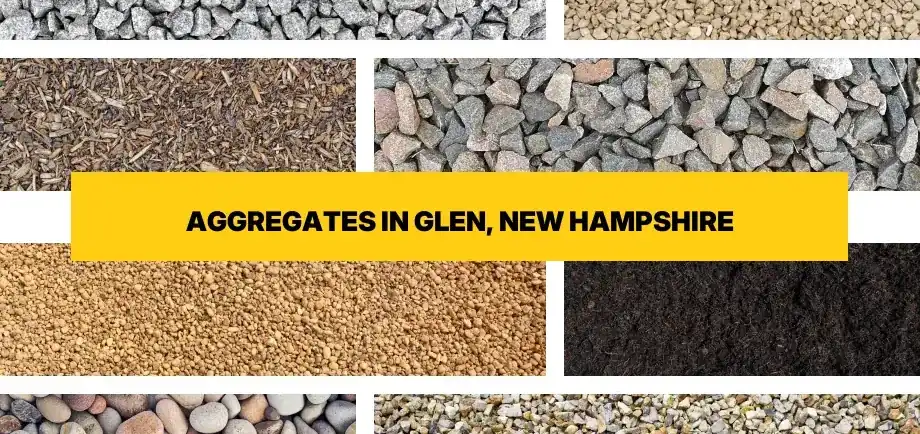
Rock & Driveway Gravel in Glen, New Hampshire
Local Topsoil, Dirt, Sand, Rocks and Gravel near me in Glen, New Hampshire
Shop Aggregates for Delivery in Glen
Order online for free delivery to any Glen address.


Nestled in the heart of the White Mountains, Glen serves as a gateway community where mountain beauty meets practical infrastructure needs. Gravel Monkey delivers premium aggregates, stone, and landscaping materials throughout Glen and the surrounding Presidential Range foothills. Whether you're maintaining a steep driveway near Pinkham Notch, upgrading a vacation property along Route 302, or managing drainage near the Ellis River, we provide free delivery of quality materials directly to your White Mountains location.
Comprehensive Aggregate Selection for Glen Properties
The unique challenges of Glen's mountain terrain demand specialized materials. Our inventory addresses everything from steep access roads to heavy snowmelt drainage:
- Driveway Gravel - Engineered for mountain slopes and seasonal freeze-thaw cycles
- 3/4 inch Crushed Stone - Versatile aggregate for foundations and base layers
- #57 Stone - Clean, angular stone ideal for drainage applications
- Crusher Run - Superior compaction for stable mountain driveways
- Road Base - Heavy-duty foundation for access roads and parking areas
- Drain Rock - Essential for managing White Mountains water flow
- Pea Gravel - Decorative stone for walkways and landscaping
- River Rock - Natural aesthetic for mountain property landscaping
- Walkway Gravel - Smooth surface material for garden paths
- Topsoil - Nutrient-rich soil for mountain gardens
- Fill Dirt - Grade-appropriate material for leveling and grading
- Mason Sand - Fine sand for construction and masonry work
- Playground Sand - Safe, clean sand for family properties
- Washed Sand - Premium sand for specialized applications
- Crushed Concrete - Eco-friendly recycled aggregate option
- Decomposed Granite - Natural-looking compactable surface material
Serving Glen and White Mountains Communities
Our delivery network covers Glen's diverse neighborhoods and surrounding areas throughout the Mount Washington Valley. We know the access requirements for properties near Story Land, the drainage challenges along the Ellis River corridor, and the steep grades common throughout the Pinkham Notch region. Local crews understand the geological composition of White Mountains soil, the impact of heavy snowfall on aggregate materials, and the seasonal considerations for mountain property maintenance.
We regularly deliver to properties along Route 302 from Jackson to North Conway, vacation homes near the Mount Washington Auto Road, and residential properties throughout the Presidential Range foothills. Whether your project is near Glen House or tucked into the eastern slopes of Mount Washington, our team navigates mountain roads year-round to deliver quality aggregates directly to your site.
Mountain Driveway Solutions for Glen Terrain
Glen driveways face unique challenges that flatland properties never encounter. Steep grades, heavy spring runoff from snowmelt, frost heave from extreme temperature swings, and erosion from mountain weather patterns all demand specialized aggregate solutions. The rocky, glacially-deposited soils common throughout the White Mountains provide variable support, requiring careful material selection and proper installation techniques.
Most Glen properties sit on terrain originally shaped by continental glaciation, resulting in mixed soil composition with scattered boulders, gravel deposits, and clay pockets. This geological foundation means drainage becomes critical, especially during spring thaw when snowmelt can move massive water volumes down mountain slopes. Properties near the Ellis River or other waterways face additional seasonal water table fluctuations that impact driveway stability.
Recommended Driveway Aggregates for Steep Grades
For typical Glen driveways with slopes between 8-15%, we recommend a multi-layer approach. Base layers should utilize compactable aggregates that resist erosion while providing solid foundation. The angular nature of crushed stone creates interlocking stability that rounded gravel cannot match on steep terrain.
Properties with grades exceeding 15% benefit from specialized installation techniques combined with properly selected aggregates. The freeze-thaw cycles common to Glen—with temperatures ranging from -20°F in January to 80°F in July—create expansion and contraction that can destabilize poorly chosen materials. Aggregates must accommodate these seasonal movements without losing structural integrity or washing away during intense spring melt.
Consider these factors when selecting driveway aggregates for your Glen property: elevation above 1,000 feet increases frost penetration depth, requiring deeper aggregate base; proximity to tree canopy affects moisture retention and root interference; southern exposure leads to faster snow melt and increased runoff; northern exposure maintains frozen conditions longer, extending spring mud season.
| Aggregate Type | Best Mountain Application | Compaction Level | Drainage Rating | Freeze-Thaw Resistance |
|---|---|---|---|---|
| Crusher Run | Steep driveway base, high-traffic areas | Excellent | Good | Excellent |
| 3/4" Crushed Stone | Driveway surface, general use | Very Good | Excellent | Very Good |
| #57 Stone | Drainage systems, French drains | Moderate | Excellent | Excellent |
| Road Base | Heavy equipment access, parking | Excellent | Good | Very Good |
| Drain Rock | Foundation drainage, erosion control | Low | Excellent | Excellent |
| Pea Gravel | Walkways, decorative areas | Low | Very Good | Good |
| River Rock | Landscaping, dry creek beds | None | Good | Excellent |
| Decomposed Granite | Natural-look paths, gentle slopes | Good | Moderate | Good |
Managing White Mountains Drainage Challenges
Glen properties contend with extraordinary water management challenges. Annual precipitation averages 50-60 inches, with an additional 80-100 inches of snowfall that creates concentrated spring runoff. Mount Washington, visible from many Glen locations, holds the record for highest wind speed ever recorded, driving precipitation patterns that affect the entire valley. This combination means effective drainage isn't optional—it's essential for property protection.
The Ellis River watershed encompasses much of Glen, creating elevated water tables during spring melt and after heavy rainfall. Properties near the river or its tributaries must account for seasonal flooding potential and sustained high groundwater levels. Even properties on higher elevations face challenges as mountain runoff concentrates in natural drainage channels, some of which flow only seasonally but carry significant water volumes when active.
Strategic Aggregate Use for Water Management
Foundation drainage systems should extend at least four feet from building perimeters in Glen's climate. The depth of frost penetration—typically 4-5 feet in the White Mountains—means drainage systems must sit below this level to function year-round. Aggregate selection for these applications prioritizes void space and resistance to compaction over time.
French drains installed with proper aggregate prove essential for many Glen properties. The system's effectiveness depends on angular aggregate that maintains void space even under soil pressure. Rounded stone compacts over time, reducing drainage capacity. Properties dealing with hillside seepage or seasonal springs benefit from interceptor drains positioned upslope to redirect water before it reaches structures or driveways.
Surface drainage for driveways requires attention to both material selection and grading. Water flowing down steep Glen driveways gains erosive force that can quickly damage poorly designed surfaces. Strategic placement of water bars—small berms that redirect water to ditch lines—combined with proper aggregate prevents channeling and preserves driveway integrity through multiple freeze-thaw cycles.
Landscaping Materials for Mountain Properties
Glen's short growing season—typically 90-110 frost-free days—shapes landscaping decisions. Properties between 1,000-1,500 feet elevation face last spring frosts in late May and first fall frosts by mid-September. This compressed timeframe means landscape materials must work harder, and hardscaping becomes particularly valuable for extending outdoor living season.
The rocky, acidic soils common to White Mountains properties challenge traditional landscaping. Native soil pH typically ranges from 4.5-5.5, too acidic for many popular plants. Successful gardens often require significant soil amendment or raised bed construction. Quality topsoil becomes essential, but its effectiveness depends on proper drainage beneath—saturated soil remains cold longer, further shortening the growing season.
Decorative Aggregates for Mountain Aesthetics
Decorative stone applications provide year-round visual interest while reducing maintenance demands. Properties near Story Land or along major tourist routes often incorporate attractive hardscaping that complements mountain surroundings. Natural river rock creates organic flow in landscape beds, while pea gravel provides smooth walking surfaces for garden paths and entertainment areas.
Dry creek beds constructed with river rock address both drainage and aesthetics. These features channel occasional water flow while creating visual interest during dry periods. Strategic placement of larger boulders—often available from land clearing on mountain properties—combined with smaller aggregate creates naturalistic compositions that look native to White Mountains landscape.
Mulch alternatives using decorative aggregate prove particularly effective in Glen's climate. Traditional organic mulch breaks down quickly in mountain conditions, requiring frequent replacement. Stone mulch provides permanent weed suppression, doesn't wash away during heavy rain, and adds no additional acidity to already-acidic native soils. The thermal mass of stone also moderates soil temperature, extending root zone warmth in spring and fall.
Seasonal Project Planning for Glen Climate
Glen's extreme seasonal variations demand strategic project timing. Summer brings optimal construction conditions, with average July highs near 78°F and low humidity. However, summer also brings peak tourist season—Route 302 through Glen serves as primary access to Mount Washington and Pinkham Notch, creating traffic congestion that affects delivery scheduling. Many property owners prefer spring or fall work when mountain roads see less tourist traffic.
Spring project timing requires careful consideration. Mud season—typically late March through early May—makes many mountain properties inaccessible as frost leaves the ground and snowmelt saturates soils. Attempting driveway work during this period proves counterproductive, as heavy equipment and delivery trucks sink into softened ground. Experienced Glen contractors wait for sustained warm temperatures and soil drainage before beginning major aggregate projects.
Winter Access and Maintenance
Winter delivery to Glen properties presents unique challenges. Snow depths commonly exceed three feet, and properties on secondary roads may not see plowing for hours or days after storms. Access roads to remote properties sometimes remain closed until spring. Property owners planning winter projects should coordinate closely with delivery teams regarding access conditions and timing.
Annual driveway maintenance becomes essential in Glen's climate. Spring inspection should identify winter damage—washouts, frost heave displacement, surface aggregate loss. Prompt repairs prevent minor issues from becoming major problems. Most Glen properties benefit from aggregate top-dressing every 2-3 years to replace material lost to plowing, erosion, and general use.
Snow removal practices impact aggregate longevity. Plow blades set too low scrape away surface material, while accumulated snow berms alongside driveways direct spring melt across surfaces rather than to drainage ditches. Contractors experienced with mountain properties understand these dynamics and adjust techniques accordingly.
Aggregate Solutions for Glen Commercial Properties
Glen's tourism economy creates demand for commercial-grade aggregate installations. Properties serving visitors—motels, restaurants, attractions—require parking and access that withstands heavy seasonal use while maintaining attractive appearance. Tourist season concentrates wear into just a few months, creating unique stress patterns that demand quality materials and proper installation.
Commercial parking areas benefit from multi-layer construction using road base foundation topped with surface aggregate selected for both durability and appearance. Properties near Story Land or along main tourist corridors often choose decorative options that enhance curb appeal while providing necessary functionality. The investment in quality aggregates pays dividends through reduced maintenance costs and extended service life.
Infrastructure Considerations
Utility installations in Glen must account for deep frost penetration and rocky soils. Proper bedding and backfill aggregates protect underground infrastructure while facilitating drainage around pipes and cables. Properties on municipal water and sewer—limited in Glen—require careful excavation and backfill to prevent future settlement or frost damage. Most properties rely on wells and septic systems, where leach field construction demands specific aggregate specifications for proper function.
Septic system construction in mountain terrain follows strict guidelines, with leach field aggregate requiring specific sizing and cleanliness standards. The systems must function despite high water tables during spring melt and potential interference from tree roots seeking moisture during summer dry periods. Washed stone meeting New Hampshire septic system specifications ensures proper drainage and long-term system performance.
Cost-Effective Aggregate Strategies for Glen Properties
Mountain property ownership carries inherent costs, but strategic aggregate selection minimizes long-term expenses. Initial investment in quality materials and proper installation prevents premature failure and reduces maintenance frequency. Properties that compromise on base materials or installation depth typically face expensive repairs within 3-5 years as frost heave and erosion take their toll.
Gravel Monkey's free delivery throughout Glen eliminates a significant cost variable. Mountain delivery logistics—navigating steep access roads, coordinating with seasonal traffic, accommodating challenging site conditions—typically add substantial charges. Our commitment to free delivery means predictable project costs without hidden fees or surcharges for remote locations.
Calculating Aggregate Quantities
Accurate quantity estimation prevents both shortages and excess material costs. For driveways, calculate length times width times depth in feet, then divide by 27 to convert cubic feet to cubic yards. Glen driveways typically require 4-6 inch depth for adequate performance, with steeper slopes or heavier use demanding the upper end of this range.
Foundation drainage systems around Glen homes need adequate aggregate depth—typically 12-18 inches of drain rock beneath perforated pipe, extending from foundation base to well below frost line. A typical foundation perimeter on a 1,500 square foot home requires 8-12 cubic yards of drainage aggregate, depending on trench width and depth specifications.
Parking areas and commercial applications require professional engineering for proper thickness and material specifications. Vehicle loads, traffic patterns, and soil bearing capacity all factor into design. However, typical parking areas for lighter vehicles function well with 6-8 inches of compacted road base topped by 2-3 inches of surface aggregate.
Environmental Stewardship in White Mountains Region
Glen sits within the White Mountain National Forest viewshed, where environmental sensitivity matters to residents and visitors alike. Aggregate projects should minimize environmental impact while meeting functional requirements. Proper erosion control during construction prevents sediment from reaching Ellis River tributaries, protecting water quality and aquatic habitat.
Recycled aggregates like crushed concrete offer environmentally responsible alternatives to virgin stone. These materials provide equivalent performance in many applications while reducing quarrying impact and diverting material from landfills. Glen properties committed to environmental stewardship can specify recycled content without sacrificing quality or durability.
Permeable surfaces using properly graded aggregates reduce stormwater runoff, allowing precipitation to infiltrate rather than concentrating flow. This approach benefits individual properties through reduced erosion while contributing to watershed health by maintaining natural hydrology patterns. The White Mountains ecosystem depends on balanced water cycles, and thoughtful aggregate use supports these natural systems.
Frequently Asked Questions About Aggregates in Glen, NH
We deliver a comprehensive selection including driveway gravel, crushed stone in various sizes, #57 stone, crusher run, pea gravel, river rock, drain rock, road base, topsoil, fill dirt, mason sand, playground sand, washed sand, and decomposed granite throughout Glen and the White Mountains region.
Yes! Gravel Monkey offers FREE delivery to Glen and the surrounding White Mountains area for all gravel and aggregate material orders, including properties near Story Land, along Route 302, and throughout the Pinkham Notch area.
For steep Glen driveways, we recommend crusher run or 3/4 inch crushed stone. These materials compact firmly, resist erosion from snowmelt, and provide excellent traction on slopes common in the White Mountains terrain. Angular stone creates interlocking stability essential for grades over 10%.
Measure the length times width times depth in feet, then divide by 27 for cubic yards. For driveways, we recommend 4 to 6 inches depth for mountain properties—deeper for steeper slopes or heavier use. Our Glen team can help calculate exact amounts for your specific White Mountains location and terrain conditions.
Yes, we deliver throughout the Glen area including remote properties near Pinkham Notch, along the Ellis River valley, and throughout the Presidential Range foothills. Contact us to confirm access for your specific mountain location, especially during winter months or mud season.
Glen properties face significant spring snowmelt, with 80-100 inches of annual snowfall creating concentrated runoff. We recommend drain rock or #57 stone for foundation drainage systems, and crusher run with proper grading for driveways to manage the heavy water flow typical in White Mountains locations. French drains positioned upslope intercept water before it reaches structures.
Yes, we provide aggregate delivery throughout the year in Glen. However, winter deliveries to mountain properties may require coordination due to snow conditions, and spring deliveries during mud season (late March through early May) depend on ground conditions and access road status. Contact us to discuss seasonal access for your specific Glen location.
Glen's mountain climate creates unique demands. Frost penetration reaches 4-5 feet deep, freeze-thaw cycles number 80-100 annually, and snowmelt generates extreme water flow. Aggregates must resist frost heave, provide superior drainage, and maintain stability on steep terrain—requirements less critical in flatter, warmer regions. Our materials are selected specifically for White Mountains performance.
Professional Aggregate Delivery Throughout Glen
Gravel Monkey understands the unique requirements of Glen properties, from vacation homes near Story Land to year-round residences in the Mount Washington Valley. Our experience with White Mountains terrain, climate, and geology ensures you receive not just quality materials, but expert guidance on product selection for your specific application. We navigate mountain access roads year-round, coordinate with seasonal conditions, and deliver aggregates that perform in New Hampshire's demanding environment.
Whether you're maintaining a steep driveway, installing foundation drainage, creating a parking area for guests, or enhancing your landscape with decorative stone, our team provides materials matched to mountain conditions. Free delivery throughout Glen and surrounding communities in North Conway, Jackson, Bartlett, and Gorham means predictable costs and reliable service. Contact us to discuss your project—our knowledge of local geology, climate patterns, and installation best practices helps ensure successful outcomes for your White Mountains property.

Need help? Reach out for a quote: