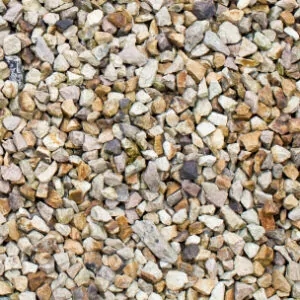
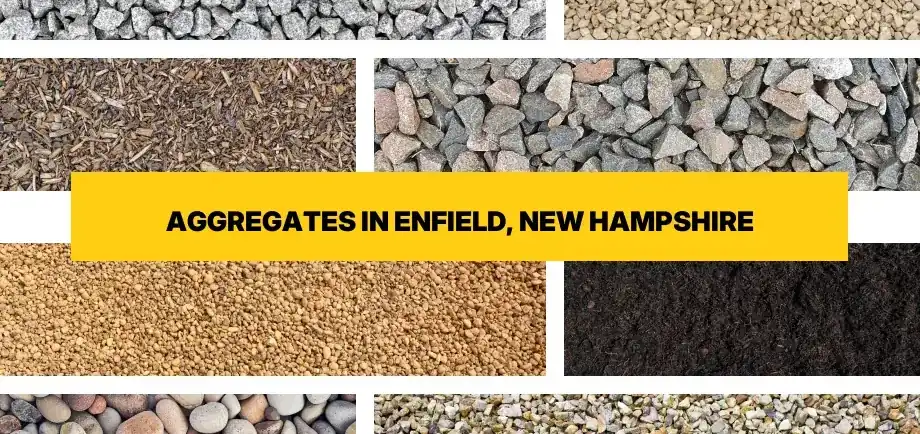
Rock & Driveway Gravel in Enfield, New Hampshire
Local Topsoil, Dirt, Sand, Rocks and Gravel near me in Enfield, New Hampshire
Shop Aggregates for Delivery in Enfield
Order online for free delivery to any Enfield address.
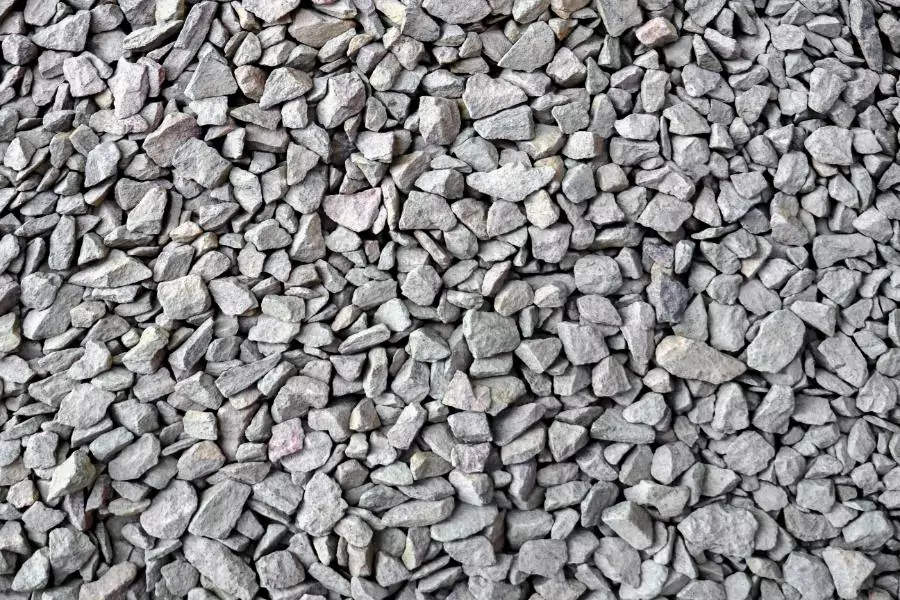
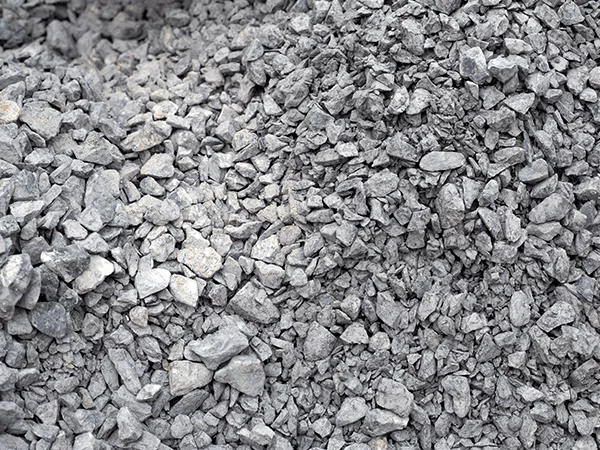


Gravel Monkey brings premium aggregates and landscaping materials directly to your Enfield property with completely free delivery. Whether you're improving a seasonal camp road near Mascoma Lake, establishing proper drainage at your Whaleback Mountain home, or resurfacing a driveway in the historic Shaker Village area, we supply high-quality gravel and stone products that stand up to New Hampshire's demanding climate. Our aggregate delivery service covers all Enfield neighborhoods, from Lockehaven to Route 4 properties along the Connecticut River valley.
Complete Aggregate & Material Selection for Enfield Projects
We understand the unique demands of Upper Valley properties, from managing Mascoma Lake watershed runoff to handling freeze-thaw cycles that challenge every driveway and foundation. Our aggregate inventory addresses these local conditions with materials proven to perform in Enfield's climate.
- Driveway Gravel - Durable aggregate blend engineered for New Hampshire weather extremes
- 3/4 inch Crushed Stone - Versatile aggregate for foundations, driveways, and drainage applications
- #57 Stone - Industry-standard crushed aggregate ideal for French drains and septic systems
- Crusher Run - Premium compactable base aggregate for stable road and driveway construction
- Road Base - Heavy-duty foundation aggregate for driveways and private roads
- Drain Rock - Angular aggregate specifically sized for maximum water flow in drainage systems
- Pea Gravel - Smooth decorative stone for pathways and landscape beds
- River Rock - Natural rounded stone for aesthetic landscaping features
- Walkway Gravel - Specialized aggregate blend for pedestrian paths and garden trails
- Crushed Concrete - Eco-friendly recycled aggregate for base layers and erosion control
- Topsoil - Nutrient-rich soil for gardens, lawns, and planting beds
- Fill Dirt - Clean fill material for grading and elevation adjustments
- Mason Sand - Fine sand for mortar mixing and masonry projects
- Playground Sand - Safe, certified sand for play areas and sandboxes
- Washed Sand - Clean sand for concrete mixing and paver installation
- Decomposed Granite - Natural pathway material that compacts firmly
Understanding Enfield's Geology and How It Affects Your Aggregate Choices
Enfield sits in the Upper Connecticut River Valley where glacial activity shaped the landscape thousands of years ago. The geology here consists primarily of glacial till—a dense mixture of clay, silt, sand, and rocks deposited when ancient ice sheets retreated. This clay-rich soil presents specific challenges for drainage and construction that directly influence which aggregates work best for your property.
The town's elevation ranges from approximately 750 feet along Mascoma Lake to over 2,000 feet near Whaleback Mountain. This topography creates varied drainage patterns, with water naturally flowing toward the lake and Connecticut River. Properties at higher elevations often deal with runoff issues during spring snowmelt, while lakeside homes near Mascoma must manage both surface water and groundwater fluctuations.
Enfield experiences a humid continental climate with cold, snowy winters and warm summers. Average annual precipitation exceeds 40 inches, distributed fairly evenly throughout the year. Winter temperatures regularly drop below freezing from December through March, creating repeated freeze-thaw cycles that cause frost heaving in improperly prepared driveways and foundations. This makes proper aggregate selection and installation critical for long-term durability.
The bedrock beneath Enfield consists primarily of metamorphic rocks including schist and gneiss, which weather slowly. This means the native soil doesn't drain naturally, making imported aggregates essential for most construction projects. Whether you're building near the historic Shaker buildings or developing property in the Lockehaven area, understanding these geological conditions helps ensure your aggregate choices deliver lasting performance.
Driveway Aggregates Engineered for Enfield Conditions
Enfield driveways endure significant stress from winter weather, spring mud season, and the temperature swings common to the Upper Valley region. Choosing the right aggregate makes the difference between a driveway that lasts decades and one that requires constant maintenance.
Base Layer Aggregates for Long-Term Stability
Every quality Enfield driveway starts with a proper base. Our crusher run provides the compaction necessary to create a stable foundation that resists frost heaving and settling. This aggregate contains mixed stone sizes that lock together when compacted, creating a solid platform that distributes weight evenly across the clay soils common throughout Enfield.
For driveways in areas with significant drainage challenges—particularly properties on slopes leading toward Mascoma Lake or along lower-elevation roads near the Connecticut River—a road base layer provides additional stability. This aggregate compacts extremely well and creates a firm foundation that prevents the surface layer from rutting or washing away during heavy rains.
Surface Layer Aggregate Options
The three-quarter inch crushed stone serves as an excellent surface material for most Enfield driveways. Its angular edges interlock to resist displacement, while the size allows for adequate drainage. This aggregate handles plow blade contact well and doesn't migrate easily, making it ideal for properties that see regular winter snow removal equipment.
Our complete driveway gravel blend combines base and surface materials in optimal proportions, simplifying installation while ensuring proper compaction and drainage. This is particularly effective for camp roads in the Whaleback Mountain area or seasonal properties where professional installation may not be feasible.
Drainage Aggregates for Managing Enfield's Water Challenges
With Enfield's clay-rich glacial till soils and substantial annual precipitation, effective drainage systems aren't optional—they're essential for protecting foundations, basements, and landscapes. The right aggregate selection determines whether your drainage solution succeeds or fails.
French Drain and Foundation Drainage Systems
For French drains around foundations in neighborhoods from Shaker Village to properties along Route 4, our #57 stone delivers optimal performance. This angular aggregate creates consistent void spaces that allow water to flow freely while preventing fine soil particles from clogging the system. The uniform stone size ensures reliable drainage capacity even during heavy spring snowmelt periods.
Properties dealing with subsurface water issues—common in lower-elevation areas near Mascoma Lake—benefit from drain rock installations. This larger aggregate provides maximum flow capacity for handling high water volumes during peak runoff seasons. The angular stones don't shift easily, maintaining open channels for water movement even under pressure from saturated clay soils.
Surface Drainage and Erosion Control
Sloped properties, particularly those in the Whaleback Mountain area and along hillsides throughout Enfield, often struggle with surface erosion during rainstorms and snowmelt. Strategic placement of crushed concrete creates permeable surfaces that slow water velocity while allowing infiltration. This recycled aggregate also provides an environmentally responsible solution that reduces the amount of material entering landfills.
For swales and drainage channels, larger crushed stone resists displacement while allowing water to flow through rather than over the surface. This prevents the erosion gullies that commonly form in Enfield's clay soils when surface water concentrates in unprotected channels.
Aggregate Comparison Guide for Enfield Applications
Selecting the right aggregate depends on your specific project requirements and site conditions. This comparison helps match materials to common Enfield applications.
| Aggregate Type | Best Applications | Drainage Rating | Compaction Level | Winter Durability |
|---|---|---|---|---|
| Crusher Run | Driveway base, road foundation | Good | Excellent | Excellent |
| 3/4" Crushed Stone | Driveway surface, pathways | Very Good | Good | Excellent |
| #57 Stone | French drains, septic systems | Excellent | Fair | Very Good |
| Road Base | Heavy-duty driveways, roads | Good | Excellent | Excellent |
| Drain Rock | Drainage systems, wet areas | Excellent | Fair | Very Good |
| Pea Gravel | Walkways, decorative areas | Very Good | Poor | Good |
| Crushed Concrete | Base layers, erosion control | Good | Very Good | Very Good |
| Decomposed Granite | Pathways, patios | Good | Very Good | Good |
Aggregate Delivery Throughout Enfield Neighborhoods
Gravel Monkey provides free delivery to every corner of Enfield, understanding the unique characteristics of each area and how they influence material needs.
Mascoma Lake Properties
Lakeside homes require special attention to drainage and erosion control. Properties here often need multiple aggregate types: drain rock for foundation systems handling fluctuating groundwater, walkway gravel for pathways leading to docks and waterfront areas, and crushed stone for driveways that handle seasonal use patterns. The proximity to the lake means managing runoff properly to protect water quality.
Shaker Village Historic District
This area near the preserved Shaker buildings combines historical significance with residential development. Property owners here often prioritize natural-looking materials that blend with the historic character. River rock suits landscaping around period homes, while crushed stone provides practical driveway surfaces that don't detract from architectural aesthetics. The relatively flat terrain simplifies installation but still requires proper base preparation in the clay soils.
Whaleback Mountain Area
Properties at higher elevations face increased drainage challenges from slope and runoff. Steeper driveways require crusher run bases for stability, while surface materials need sufficient angular character to resist gravity-driven displacement. Foundation drainage systems are critical here, making #57 stone an essential material for preventing water infiltration into basements and crawl spaces.
Lockehaven and Route 4 Corridor
This developed area along the main thoroughfare includes both residential and commercial properties. Road base and crusher run support heavier traffic volumes common on properties with business use, while standard crushed stone adequately serves residential driveways. Easy access from Route 4 facilitates efficient delivery of bulk aggregates for larger projects.
Crystal Lake Road Area
This neighborhood features a mix of year-round homes and seasonal properties. Camp roads often benefit from our driveway gravel blend that provides adequate performance for periodic use without requiring the investment of full commercial-grade installation. Seasonal camps may also need smaller quantities of mason sand for masonry repairs or playground sand for beach areas.
George Hill Road and Vicinity
These hillside properties deal with significant slope and drainage management requirements. Proper aggregate selection prevents erosion while maintaining stable access roads. Decomposed granite creates attractive pathways that handle foot traffic well, while crushed concrete provides economical base material for less visible applications like equipment pads and utility areas.
Seasonal Aggregate Planning for Upper Valley Properties
Enfield's distinct seasons create specific windows for aggregate projects and influence material performance throughout the year.
Spring: Mud Season and Drainage Projects
March through early May brings snowmelt and spring rains that reveal drainage deficiencies. This is the ideal time to address drainage issues before summer landscaping projects begin. Installing French drains with proper drain rock prevents foundation water problems during future spring seasons. However, avoid heavy equipment on saturated clay soils to prevent compaction damage that affects long-term drainage.
Summer: Optimal Construction Season
June through September provides the best conditions for driveway installation and major grading projects. Dry weather allows proper compaction of crusher run and road base, while warm temperatures promote optimal settling. This is also the ideal time for decorative aggregate projects using pea gravel or river rock in landscape beds around Enfield properties.
Fall: Preparation for Winter
September through November is crucial for winter preparation. Address driveway surface deterioration with fresh crushed stone before snowplow season begins. Ensure drainage systems are cleared of debris so spring snowmelt can flow freely. Fall's cooler temperatures actually improve compaction for some aggregate types, making it an underutilized installation season.
Winter: Limited but Possible Projects
While major installations pause during Enfield's cold months, emergency repairs remain feasible. Temporary driveway fixes with crushed stone can restore access until spring permits permanent repairs. Stockpiling aggregates before winter ensures materials are available for early spring projects when demand peaks and delivery schedules fill quickly.
Landscaping and Decorative Aggregates for Enfield Properties
Beyond functional applications, aggregates provide aesthetic solutions that enhance Enfield properties while requiring minimal maintenance compared to traditional landscaping.
Pathway and Walkway Materials
Our walkway gravel creates attractive paths that remain navigable in wet conditions without becoming muddy. This material drains quickly—essential in Enfield's clay soils where standing water is common. For a more refined appearance, decomposed granite compacts firmly while maintaining a natural earth tone that complements the Upper Valley landscape. Both options work well for connecting homes to outbuildings, creating garden paths, or establishing trail systems on larger properties.
Decorative Stone Applications
Pea gravel provides a classic look for landscape beds and around plantings. Its smooth surface is gentle on bare feet, making it suitable for areas around pools or patios. River rock offers larger, more dramatic stones that create visual interest while suppressing weeds and retaining soil moisture. These decorative aggregates reduce maintenance compared to mulch, which requires regular replacement as it decomposes.
Xeriscaping and Water-Wise Landscaping
While Enfield receives adequate precipitation, incorporating aggregates into landscape design reduces water requirements and maintenance needs. Stone beds don't require irrigation and resist erosion better than loose topsoil. This approach suits properties near Mascoma Lake where homeowners want to minimize chemical runoff while maintaining attractive grounds.
Construction and Foundation Aggregates for Building Projects
New construction and renovation projects throughout Enfield require specific aggregates that meet building code requirements while addressing local soil conditions.
Foundation Backfill and Drainage
Building codes require proper drainage around foundations, especially critical in Enfield's clay soils that retain water. Our #57 stone meets specifications for foundation drainage systems, providing the void space necessary for water to flow to perimeter drains rather than applying pressure against basement walls. Combined with proper waterproofing, this aggregate prevents the damp basement issues common in older Enfield homes built before modern drainage standards.
Concrete and Masonry Projects
Mason sand provides the fine aggregate necessary for mortar mixing in both new construction and restoration work. For concrete projects, washed sand combines with crushed stone to create mixes that achieve required strength while maintaining workability. These materials support everything from new home foundations to patio installations and stone wall repairs throughout Enfield properties.
Site Grading and Preparation
Before construction begins, sites often require grading to establish proper drainage slopes and create level building pads. Fill dirt provides economical material for raising elevations and filling low spots, while topsoil preserves areas designated for future landscaping. Proper grading prevents water from ponding near structures—essential in Enfield's high-precipitation environment.
Calculating Aggregate Quantities for Your Enfield Project
Ordering the correct amount of aggregate saves money while ensuring you have sufficient material to complete your project properly.
Driveway Coverage Calculations
For a typical Enfield driveway, measure length and width in feet, then multiply by the desired depth in feet (typically 0.25 to 0.33 feet for a 3 to 4 inch depth). Divide this result by 27 to convert cubic feet to cubic yards. For example, a 12-foot by 60-foot driveway with 4 inches of aggregate requires: 12 × 60 × 0.33 = 237.6 cubic feet ÷ 27 = 8.8 cubic yards. Round up to account for compaction and irregularities in the existing surface.
Drainage System Material Estimates
French drains typically require a trench 12 to 18 inches wide and 12 to 24 inches deep. Calculate the cubic yards needed by measuring trench length and using the formula: length (ft) × width (ft) × depth (ft) ÷ 27. Remember that the perforated pipe occupies some volume, slightly reducing aggregate requirements. For a 50-foot French drain that's 12 inches wide and 18 inches deep: 50 × 1 × 1.5 = 75 cubic feet ÷ 27 = 2.8 cubic yards of drain rock.
Landscape and Pathway Coverage
For decorative applications like pea gravel pathways or river rock beds, 2 to 3 inches of depth usually suffices. Calculate area in square feet, multiply by depth in feet, then divide by 27 for cubic yards. A 4-foot wide, 40-foot long pathway at 3 inches deep requires: 160 square feet × 0.25 feet = 40 cubic feet ÷ 27 = 1.5 cubic yards of walkway gravel.
Aggregate Delivery Extending Beyond Enfield
Gravel Monkey serves properties throughout the Upper Valley region, delivering the same quality aggregates and service to communities surrounding Enfield.
Neighboring Lebanon, just west along Route 4, shares similar soil conditions and aggregate requirements. Canaan to the north faces comparable drainage challenges with clay-rich glacial soils. Hanover properties, particularly those near Dartmouth College, often require specialized aggregates for historic building renovations and campus landscape projects. Grafton properties to the southeast deal with similar topography and climate patterns.
Our delivery range also covers properties in Plainfield, where hillside homes face increased drainage management needs, and Dorchester, where seasonal camps require reliable but economical aggregate solutions. We understand the geological variations across this region and recommend materials that perform optimally for each location's specific conditions.
Quality Aggregates from Reliable Local Sources
The performance and longevity of any aggregate project depends fundamentally on material quality. We source aggregates from regional quarries that meet strict specifications for gradation, cleanliness, and physical characteristics.
Our crushed stone products come from hard rock sources that resist degradation under freeze-thaw cycling—critical for Enfield's winter conditions. The angular particle shape provides superior compaction and interlock compared to rounded materials. Drain rock and #57 stone are washed to remove fines that could impede water flow in drainage applications.
For sand products, we ensure proper grain size distribution and cleanliness. Mason sand contains minimal clay and organic matter that could compromise mortar strength. Playground sand meets safety standards for children's play areas, with rounded grains that prevent splinters and adequate drainage to avoid standing water issues.
We test topsoil for pH balance and nutrient content appropriate for New Hampshire gardens. Fill dirt is screened to remove debris, rocks, and organic material that could decompose and cause settling. This attention to quality ensures your investment in aggregates delivers lasting value.
Frequently Asked Questions About Gravel Delivery in Enfield
We deliver a complete range of aggregates including driveway gravel, crushed stone, #57 stone, pea gravel, river rock, crusher run, road base, drain rock, recycled concrete, topsoil, fill dirt, mason sand, playground sand, washed sand, and decomposed granite throughout Enfield and surrounding Upper Valley areas.
Yes! Gravel Monkey offers FREE delivery to Enfield and the surrounding New Hampshire area for all gravel and aggregate material orders. We serve Shaker Village, Lockehaven, Whaleback Mountain areas, and properties along Mascoma Lake.
For a typical Enfield driveway, calculate length times width times depth in feet, then divide by 27 to get cubic yards. Most driveways need 3 to 4 inches of gravel depth. Our team can help estimate the right amount based on your property dimensions and New Hampshire climate considerations.
For Enfield winters with freeze-thaw cycles, crusher run and three-quarter inch crushed stone provide excellent compaction and drainage. These aggregates resist frost heaving and handle snow removal equipment well, making them ideal for Upper Valley properties.
Absolutely! We deliver aggregates throughout Enfield including lakeside properties on Mascoma Lake, homes near Whaleback Mountain, the Shaker Village area, and along Route 4. Our delivery service covers all Enfield neighborhoods.
For Enfield drainage projects dealing with clay-rich glacial till soils, drain rock and #57 stone work exceptionally well. These aggregates create void spaces that allow water to flow freely while preventing soil migration into your drainage system.
Summer and early fall provide optimal conditions for driveway installation in Enfield. Dry weather allows proper compaction of base materials, while avoiding spring mud season and winter frost prevents installation complications. However, emergency repairs can be completed year-round.
Yes! We deliver quality topsoil for gardens and lawns, plus clean fill dirt for grading projects throughout Enfield. Our topsoil is tested for appropriate nutrient content and pH levels for New Hampshire plantings, while fill dirt is screened to remove debris and organic material.

Need help? Reach out for a quote: