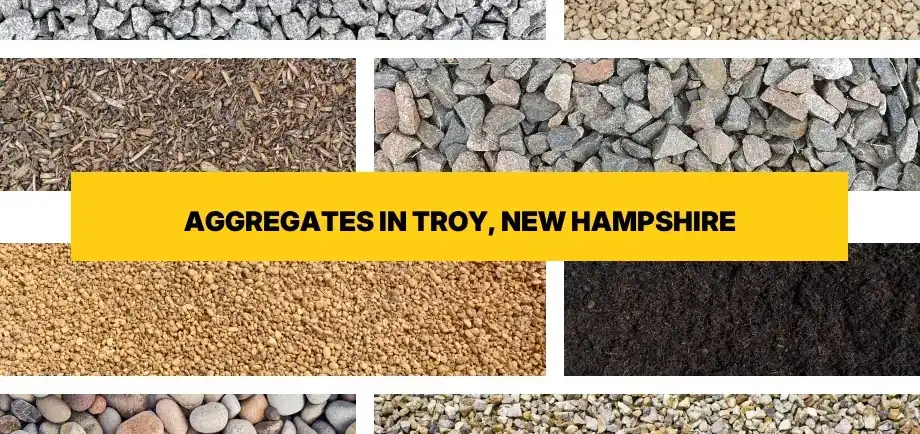
Shop Sand, Stone & Gravel in Troy, New Hampshire
Local Topsoil, Dirt, Sand, Rocks and Gravel near me in Troy, New Hampshire
Shop Aggregates for Delivery in Troy
Order online for free delivery to any Troy address.
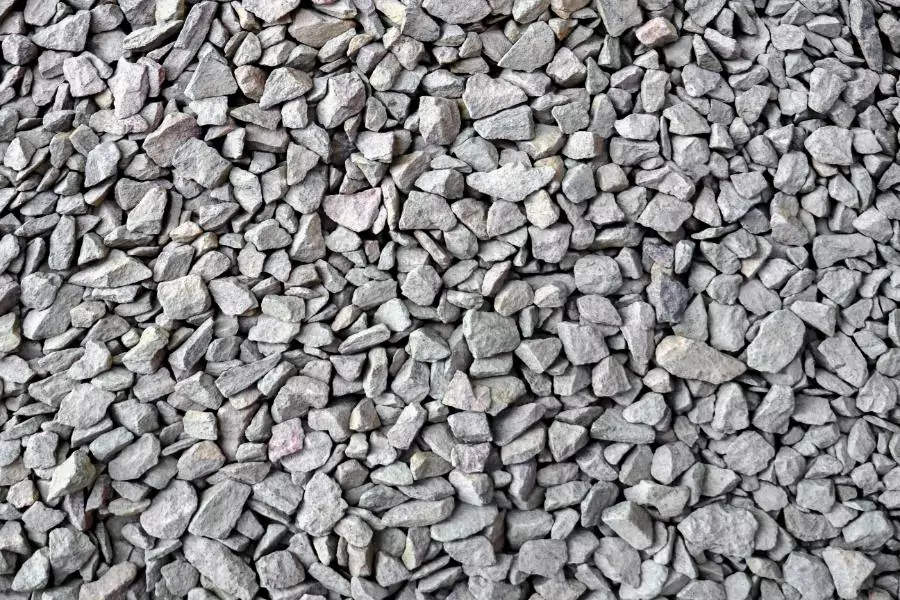
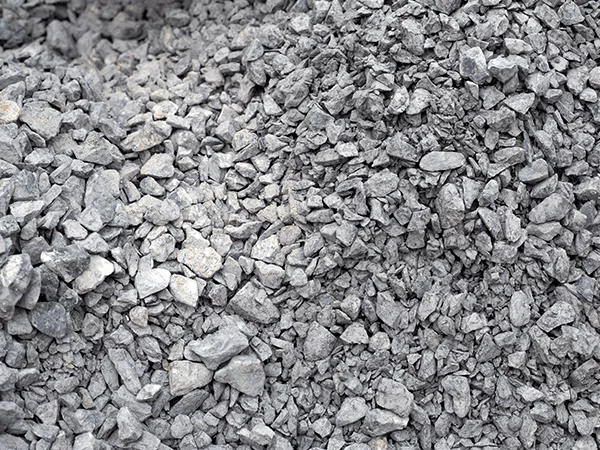


Gravel Monkey delivers premium aggregates and landscaping materials throughout Troy, New Hampshire. From rural properties along Mill Hollow Road to homes near Troy Village, we provide free delivery of high-quality gravel, crushed stone, topsoil, and sand directly to your project site. Whether you're building a driveway on Quarry Road or creating drainage solutions for properties in the Monadnock Region, our aggregates are ideal for New Hampshire's challenging climate and glacial soil conditions.
Complete Aggregate Selection for Troy Projects
Our comprehensive inventory serves residential and commercial customers across Troy with materials engineered for New Hampshire's freeze-thaw cycles and demanding weather patterns. We understand that properties in the Monadnock Region require aggregates that can withstand temperature extremes ranging from below zero winters to humid summers.
- Driveway Gravel - Durable aggregate base designed for long-lasting residential driveways
- 3/4 inch Crushed Stone - Versatile crushed aggregate for foundations, drainage, and pathways
- #57 Stone - Popular drainage aggregate and concrete mix component
- Crusher Run - Superior compactable base for driveways and building pads
- Pea Gravel - Decorative rounded aggregate for walkways and landscaping
- River Rock - Natural stone for aesthetic landscaping and water features
- Drain Rock - Angular aggregate engineered for excellent water drainage
- Road Base - Professional-grade stabilized aggregate for durable surfaces
- Crushed Concrete - Eco-friendly recycled aggregate for cost-effective projects
- Topsoil - Nutrient-rich soil for gardens and lawn establishment
- Fill Dirt - Clean fill for grading and elevation projects
- Mason Sand - Fine sand for masonry work and paver installation
- Playground Sand - Safe, clean sand for play areas
- Washed Sand - Clean aggregate for concrete and construction
- Decomposed Granite - Natural compactable material for paths and patios
- Walkway Gravel - Attractive aggregate perfect for garden paths
Serving All Troy Neighborhoods and Rural Properties
Gravel Monkey delivers throughout Troy's residential areas and countryside. From Troy Village center near the historic Troy Mills to rural homes along Route 12 heading toward Fitzwilliam, we know the local terrain and access requirements.
Our delivery routes regularly service properties in these areas:
- Troy Village - Historic downtown area with established homes requiring driveway maintenance and landscaping aggregates
- Mill Hollow Road Area - Rural residential properties with larger lots needing bulk aggregate delivery
- Quarry Road District - Country homes where proper drainage and sturdy driveway base materials are essential
- Route 12 Corridor - Properties along the main highway benefiting from professional aggregate installation
- Route 202 Section - Eastern Troy homes and farms requiring various aggregates and soil materials
- Carriage Road Vicinity - Residential areas with gravel driveway renovation needs
- Jaffrey Road Properties - Homes near the Jaffrey town line requiring quality aggregate delivery
- Winchester Road Areas - Southern Troy properties accessing materials for land improvement projects
We also serve nearby communities including Fitzwilliam, Marlborough, Swanzey, Jaffrey, and Richmond, ensuring that the entire Monadnock Region has access to premium aggregates with free delivery.
Troy's Unique Geology and Climate Considerations
Understanding Troy's geographical characteristics is crucial when selecting aggregates for your project. Located in southwestern New Hampshire's Monadnock Region, Troy sits at approximately 1,000 feet elevation with gently rolling terrain carved by glacial activity thousands of years ago.
Glacial Till and Soil Composition
Troy's soil profile consists primarily of glacial till deposits left by retreating ice sheets during the last ice age. This creates a challenging foundation environment with several key characteristics:
- Rocky subsurface conditions - Boulders and ledge are commonly encountered during excavation
- Variable drainage patterns - Some areas have excellent natural drainage while others hold moisture
- Shallow bedrock zones - Granite and schist ledge can be close to the surface in many locations
- Frost-susceptible soils - Fine-grained materials in the glacial till are prone to frost heaving
New Hampshire Climate Challenges
Troy experiences a humid continental climate with significant seasonal variation. Annual precipitation averages approximately 44 inches, distributed fairly evenly throughout the year with slightly higher totals during summer thunderstorms. Winter brings 60 to 80 inches of snowfall, and temperatures routinely drop below zero during January and February.
The freeze-thaw cycle presents particular challenges for driveways and foundations. Ground frost can penetrate 4 to 5 feet deep during severe winters, causing soil expansion and contraction. This is why proper aggregate base selection and installation depth are critical for Troy properties.
Spring thaw periods often create muddy conditions as the ground releases trapped moisture. Properties with inadequate drainage or thin aggregate layers experience significant degradation during this seasonal transition. Our aggregates are specifically chosen to address these local conditions.
Aggregate Applications for Troy Properties
Driveway Construction and Repair
Troy's rural character means many properties rely on gravel driveways rather than paved surfaces. Properly constructed gravel driveways require a strategic layering approach using different aggregate types. For properties along Mill Hollow Road or Quarry Road, we recommend starting with a solid base layer using compactable materials that resist the heaving common in New Hampshire winters.
The crusher run base provides excellent stability by combining various stone sizes that lock together when compacted. This aggregate contains both larger stones for structural strength and fine materials that fill voids, creating a dense, stable foundation. For the surface layer, angular driveway stone provides traction and durability while allowing water to drain through rather than pooling on the surface.
Foundation Drainage Systems
Given Troy's glacial till soils and high water table areas, foundation drainage is essential for basement waterproofing and structural integrity. Properties in the Route 202 area and near seasonal streams particularly benefit from professionally installed drainage aggregates.
Drain rock placed around foundation perimeters and connected to perforated drain pipes efficiently channels water away from structures. The angular shape and uniform sizing prevent clogging while providing maximum void space for water flow. For properties experiencing basement moisture issues, a properly designed aggregate drainage system often resolves the problem without expensive interior waterproofing.
Landscaping and Aesthetic Applications
Troy homeowners increasingly use decorative aggregates to create low-maintenance landscapes that withstand New Hampshire's climate. Pea gravel pathways around gardens near Troy Village provide attractive walkways that drain quickly after rain and remain stable through freeze-thaw cycles.
River rock in various sizes creates natural-looking borders, dry creek beds, and accent areas that complement the rural character of Monadnock Region properties. These rounded stones don't compact as tightly as angular aggregates, making them ideal for areas where you want some flexibility and movement.
Comparing Aggregates for Troy Applications
Selecting the right aggregate depends on your specific project requirements, budget, and the particular conditions of your Troy property. This comparison helps you understand which materials work best for common applications.
| Aggregate Type | Best Applications | Compaction | Drainage | Troy Climate Suitability |
|---|---|---|---|---|
| Crusher Run | Driveway base, building pads | Excellent | Good | Ideal - resists frost heaving |
| 3/4 inch Crushed Stone | Driveways, pathways, drainage | Very Good | Excellent | Excellent for all seasons |
| #57 Stone | Drainage, concrete aggregate | Moderate | Excellent | Perfect for wet conditions |
| Road Base | Driveways, parking areas | Excellent | Good | Engineered for heavy use |
| Pea Gravel | Walkways, decorative areas | Poor | Excellent | Good for paths and gardens |
| Drain Rock | Foundation drainage, French drains | Moderate | Superior | Essential for wet Troy soils |
| Crushed Concrete | Base layers, rural roads | Very Good | Good | Cost-effective and durable |
| River Rock | Landscaping, water features | Poor | Excellent | Aesthetic, low maintenance |
Professional Installation Guidelines for Troy Properties
Proper installation maximizes the lifespan and performance of your aggregate investment. Troy's climate and soil conditions require attention to specific installation practices that may differ from recommendations in other regions.
Depth Requirements
For driveways serving regular vehicle traffic, we recommend a minimum total aggregate depth of 8 to 10 inches in Troy. This accounts for the deep frost penetration and provides sufficient material to distribute vehicle loads across the unstable glacial till beneath. Properties on Carriage Road or Winchester Road with heavier vehicle traffic should consider 12 inches of aggregate depth.
The layered approach works best: install 6 inches of compactable base aggregate first, then add 2 to 4 inches of surface material. This two-layer system provides structural stability below while maintaining an attractive, functional surface above.
Drainage Considerations
Every Troy property needs thoughtful drainage planning. Even areas that appear well-drained during summer can collect water during spring thaw or heavy rainfall events. Grade your driveway or pathway to encourage water flow away from structures and prevent pooling.
For properties with naturally poor drainage, consider installing subsurface drainage before placing aggregate. A layer of geotextile fabric, followed by drain rock and perforated pipe, creates an effective system that extends aggregate lifespan significantly.
Compaction Best Practices
Mechanical compaction is essential for any aggregate that will bear vehicle weight. Hand tamping works for small walkway projects, but driveways require plate compactors or vibratory rollers. Compact in lifts of no more than 4 inches, adding light moisture to aid compaction if the aggregate is very dry.
The angular crusher run and road base materials we supply compact exceptionally well when proper techniques are used. Properties in the Mill Hollow Road area with longer driveways particularly benefit from professional compaction equipment to ensure uniform density throughout.
Seasonal Maintenance for Troy Aggregates
New Hampshire's four distinct seasons each present unique challenges and opportunities for aggregate maintenance. Properties throughout Troy benefit from season-appropriate care that extends material lifespan and maintains functionality year-round.
Spring Maintenance
Spring thaw brings the most challenging conditions for Troy driveways. As frost leaves the ground and snowmelt saturates soils, aggregate surfaces can become soft and develop ruts. Early spring is the ideal time to add fresh surface material to areas that have developed thin spots or rutting over winter.
Grade driveways to restore proper drainage patterns disrupted by frost heaving. Fill any depressions where water pools to prevent accelerated deterioration. Properties near seasonal streams should check for erosion damage and repair washed-out sections promptly.
Summer Care
Summer offers the best opportunity for major aggregate projects. Dry conditions allow thorough compaction and curing of new installations. This is also the time to address any drainage issues observed during spring rains before autumn arrives.
For established driveways, summer maintenance involves regrading to maintain crown and drainage. Use a landscape rake or grading box to pull aggregate from the edges back toward the center, restoring the proper profile that sheds water effectively.
Fall Preparation
Autumn in the Monadnock Region is brief but important for aggregate preparation. Complete any planned aggregate projects before ground freezing makes installation difficult. Check drainage systems and clear any accumulated debris from ditches and culverts.
Consider adding a fresh layer of surface aggregate in fall if your driveway has experienced significant summer wear. This new material will compact naturally under winter traffic and freeze-thaw action, creating a denser surface by spring.
Winter Considerations
While major aggregate work isn't practical during Troy winters, thoughtful snow removal practices protect your investment. Plow carefully to avoid digging into the aggregate surface. Set plow shoes to maintain slight clearance above the driveway rather than scraping bare.
Limit sand and salt use where possible, as these materials mix with aggregate and eventually require removal. If traction enhancement is necessary, use coarse sand rather than fine sand that creates a slippery mud layer during thaw periods.
Selecting Materials for Specific Troy Project Types
Residential Driveway Projects
Troy homeowners installing or renovating driveways should begin with a thorough assessment of current conditions. Properties along Route 12 with existing gravel driveways often need only surface refreshing with new angular stone, while those starting from scratch require complete base installation.
For new construction, excavate 10 to 12 inches below the desired final grade. Install geotextile fabric over the prepared subgrade to prevent aggregate migration into the underlying soil. Place 6 inches of crusher run or road base, compact thoroughly, then add 3 to 4 inches of surface driveway stone.
Pathway and Patio Applications
Garden pathways and outdoor living spaces benefit from decorative aggregates that complement Troy's natural landscape. Walkway gravel provides an attractive surface that maintains stability while offering the flexibility to accommodate ground movement common in New Hampshire.
Pea gravel creates comfortable walking surfaces that drain effectively and don't retain heat during summer. River rock in sizes from 1 to 3 inches makes striking borders and accent areas that require minimal maintenance. For patios, decomposed granite compacts into a firm surface that resembles natural stone but costs considerably less.
Foundation and Drainage Work
Properties experiencing basement moisture or foundation settlement issues often trace the problem to inadequate drainage. Troy's heavy clay components in the glacial till don't drain naturally, making mechanical drainage systems essential for many locations.
Install drain rock around foundation perimeters, maintaining at least 12 inches width and extending from the footing to approximately 6 inches below finished grade. Connect to perforated drain pipe that routes water well away from the structure. This aggregate system prevents hydrostatic pressure against foundation walls and eliminates moisture infiltration.
Landscaping and Erosion Control
Sloped properties in Troy's hilly terrain face erosion challenges during heavy rainfall and snowmelt. Strategic aggregate placement controls erosion while creating attractive landscape features. River rock laid over landscape fabric in drainage swales creates functional dry creek beds that handle stormwater runoff safely.
For steep slopes, consider building terraces retained by larger stone, then surfacing with smaller decorative aggregates. This approach stabilizes the grade while creating usable landscape areas. Properties along Quarry Road with challenging topography have successfully used this technique to transform erosion problems into landscape assets.
Understanding Aggregate Value for Troy Homeowners
Aggregate investment in Troy properties provides substantial long-term value when materials are properly selected and installed. While initial costs vary depending on project scope and material choice, the durability and low maintenance requirements of quality aggregates deliver excellent return on investment.
Cost Factors
Several factors influence total project costs for Troy aggregate installations. Material type represents the most obvious variable, with decorative river rock and specialized aggregates commanding higher prices than standard crushed stone. However, even premium materials often cost less than alternative hardscape solutions like pavers or concrete.
Delivery represents another cost component, but our free delivery throughout Troy eliminates this expense for all orders. Site preparation requirements affect overall investment, with properties needing extensive excavation or drainage installation costing more than simple surface refreshing projects.
Long-Term Value
Properly installed aggregate driveways in Troy typically last 10 to 15 years before requiring major renovation. Regular minor maintenance extends this lifespan considerably. Compare this to asphalt driveways that may need resurfacing every 7 to 10 years at substantial cost, or concrete that cracks under New Hampshire's freeze-thaw cycles.
Aggregate systems allow easy repair of damaged sections without replacing the entire surface. A property on Jaffrey Road can address winter frost heaving damage in spring by adding material only where needed, rather than repaving the entire driveway. This repair flexibility saves significant money over time.
Property Value Enhancement
Well-maintained gravel driveways and professional landscaping aggregates enhance curb appeal and property values throughout Troy. Rural properties particularly benefit from the natural aesthetic of quality aggregates that complement the Monadnock Region's character better than urban-style paving.
Environmental Advantages of Aggregate Materials
Troy homeowners increasingly consider environmental impact when selecting landscape materials. Aggregates offer several ecological advantages over alternative hardscaping options, making them an environmentally responsible choice for New Hampshire properties.
Stormwater Management
Permeable aggregate surfaces allow rainfall to infiltrate naturally rather than creating runoff that stresses municipal drainage systems and local watersheds. This permeability is particularly valuable in Troy, where many properties include wetlands, streams, or other sensitive water features.
Properly designed aggregate driveways and pathways function as stormwater management systems, reducing erosion and filtering pollutants before water reaches natural waterways. Properties along Route 202 near seasonal streams benefit from this natural filtration that protects water quality.
Recycled Content Options
Crushed concrete aggregate represents an environmentally preferable option for base layers and rural road surfaces. This recycled material diverts concrete waste from landfills while providing performance comparable to virgin aggregates. Troy properties using recycled concrete contribute to circular economy principles while saving money.
Heat Island Reduction
Unlike asphalt that absorbs and retains heat, aggregate surfaces remain cooler and don't contribute to urban heat island effects. This characteristic provides comfort benefits for Troy properties during summer months while reducing energy costs for climate control.
Minimal Processing Requirements
Aggregate production requires less energy than manufacturing concrete or asphalt. The quarrying and crushing processes create minimal environmental impact compared to cement production's substantial carbon footprint. Choosing aggregates represents a lower-impact option for environmentally conscious Troy homeowners.
Frequently Asked Questions About Gravel in Troy
For standard residential driveways in Troy, we recommend a minimum of 8 to 10 inches total depth. This should include 6 inches of compactable base material like crusher run, topped with 2 to 4 inches of surface aggregate. Properties with heavy vehicle traffic or poor soil conditions may benefit from 12 inches total depth. The deep frost penetration in New Hampshire makes adequate depth critical for preventing frost heaving and maintaining a stable driving surface through all seasons.
Proper grading is essential for preventing washout during Troy's spring thaw period. Your driveway should have a crown that slopes from the center toward both edges, allowing water to drain laterally. Install drainage ditches or swales along the driveway edges to capture and channel this water safely away. For properties on slopes, consider installing speed bumps or waterbars to slow water flow across the surface. Adding fresh angular aggregate annually helps maintain proper grade and drainage patterns that spring thaw disrupts.
Crusher run contains a mix of stone sizes ranging from dust to larger rocks, typically up to 1.5 inches. This variety of sizes allows the material to compact very tightly as smaller particles fill voids between larger stones. Regular crushed stone consists of uniformly sized pieces, such as 3/4 inch stone where most pieces fall within a narrow size range. Crusher run works better for base layers requiring maximum compaction and stability, while uniform crushed stone excels for drainage applications and decorative surfaces where you want water to flow freely through the material.
Small projects like garden pathways or decorative borders are definitely DIY-friendly for most Troy homeowners. However, driveways and other projects requiring proper excavation, grading, and mechanical compaction typically benefit from professional installation. Contractors have the equipment necessary for thorough compaction and proper grading that hand tools cannot achieve. If you choose DIY installation for a driveway, rent appropriate compaction equipment rather than relying on vehicle traffic to compact the aggregate naturally. We can provide installation guidance and material recommendations to help ensure successful results.
Most Troy driveways benefit from adding fresh surface material every 2 to 4 years, depending on usage and initial installation quality. Properties with heavy traffic or long driveways may need more frequent attention. Watch for signs like exposed base material, significant rutting, or thinning at the driveway entrance. Spring is typically the best time to add material, as you can address any damage from winter frost action and begin the season with a refreshed surface. A pickup truck load of material often suffices for maintaining a standard residential driveway between major renovations.
Potholes develop when water infiltrates the aggregate layers, softening the base material and allowing vehicle traffic to displace it. Troy's freeze-thaw cycles accelerate this process as ice expansion pushes material aside. Fix potholes by first addressing any drainage issues causing water accumulation in that spot. Remove loose material from the pothole, fill with fresh crusher run or driveway base, compact thoroughly, then top with surface aggregate. For persistent potholes, you may need to excavate deeper to expose and repair damaged base layers or install subsurface drainage to prevent water accumulation.
Crushed concrete performs excellently as a base layer material for Troy driveways. It compacts well and provides good stability at a lower cost than virgin aggregate. The recycled material contains cement residue that helps bind particles together over time, especially when moisture is present. However, for the surface layer where appearance matters, many homeowners prefer the cleaner look of natural stone. A cost-effective approach uses crushed concrete for the base layer and regular crushed stone for the visible surface, combining economy with aesthetics.
For properties experiencing drainage challenges, use drain rock or number 57 stone in areas where water management is critical. These uniform-sized aggregates create maximum void space that allows rapid water movement. Install drain rock around building foundations, in French drains, and along property swales where water naturally flows. For the actual driveway surface in wet areas, use angular crushed stone rather than rounded pea gravel, as the angular shape provides better traction when wet and compacts more firmly. Always ensure proper grading directs water away from structures and into designated drainage areas.
Professional Aggregate Delivery Throughout Troy
Gravel Monkey serves Troy homeowners and contractors with reliable delivery of premium aggregates and landscaping materials. We understand New Hampshire's unique climate challenges and soil conditions, helping you select the right materials for long-lasting results.
Our free delivery service reaches all Troy neighborhoods and rural properties, from Troy Village to remote locations along country roads. Whether you're maintaining an existing driveway, installing new pathways, or addressing drainage challenges, we supply the quality aggregates your project demands.
Every aggregate delivery includes professional service and local expertise. We help calculate quantities, recommend appropriate materials for your specific conditions, and schedule delivery when it's convenient for your project timeline. Our materials are sourced from quality suppliers and delivered fresh to ensure optimal performance in New Hampshire's demanding environment.
Contact us today to discuss your Troy aggregate project. Our team provides personalized recommendations based on your property's specific conditions, project goals, and budget. With free delivery and competitive pricing on all materials, we make professional aggregate supply accessible and affordable for every Troy property owner.

Need help? Reach out for a quote: