Order Topsoil, Stone & Gravel in Waterville Valley, New Hampshire
Local Topsoil, Dirt, Sand, Rocks and Gravel near me in Waterville Valley, New Hampshire
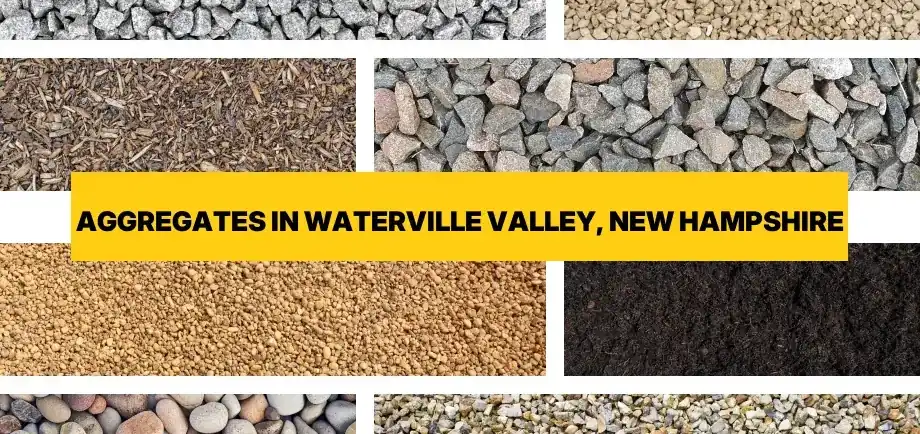
Shop Aggregates for Delivery in Waterville Valley
Order online for free delivery to any Waterville Valley address.


Nestled in the heart of the White Mountains, Waterville Valley presents unique challenges for property owners and contractors alike. Gravel Monkey delivers premium aggregates and landscaping materials throughout this mountain resort community, providing the durable solutions needed to withstand New Hampshire's demanding climate. From the slopes near Snows Mountain Village to properties along Boulder Path and Valley Road, we bring quality materials directly to your site with absolutely free delivery throughout Waterville Valley and surrounding areas.
Complete Aggregate Selection for White Mountain Properties
Our comprehensive inventory serves both residential and commercial projects across Waterville Valley's distinctive terrain. Whether you're upgrading a property in the Town Square area or developing new construction near Tecumseh Road, we provide materials specifically suited to mountain conditions.
- Driveway Gravel - Engineered for steep slopes and heavy snowplow traffic
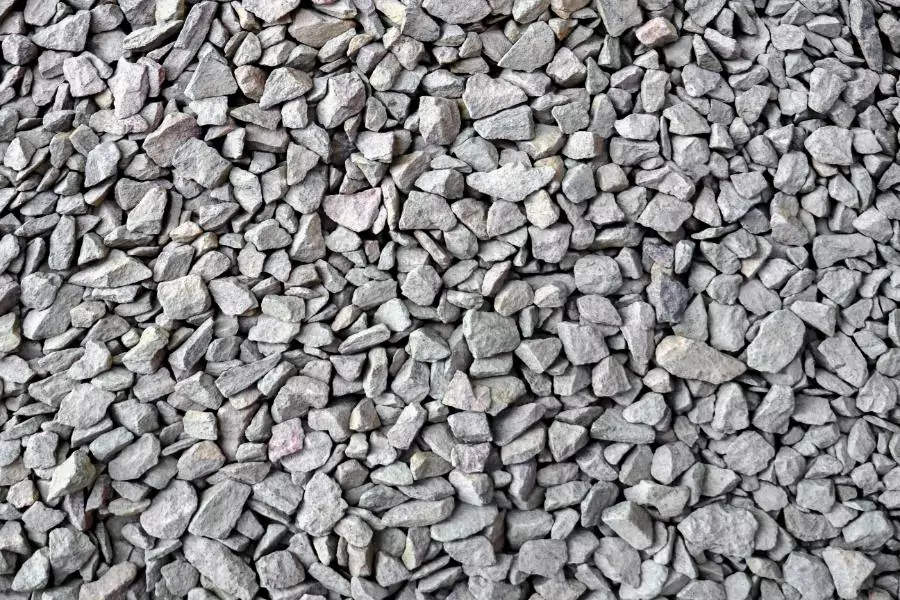
- 3/4 inch Crushed Stone - Versatile angular aggregate for foundations and drainage
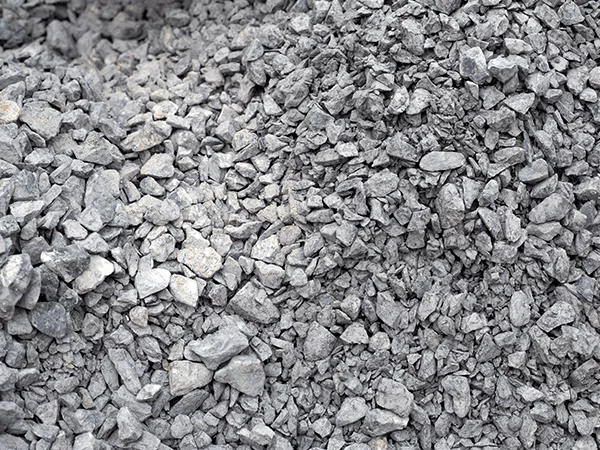
- Crusher Run - Superior compaction for mountain driveway bases
- Road Base - Heavy-duty aggregate for private roads and parking areas
- Drain Rock - Essential for managing snowmelt and heavy precipitation
- Pea Gravel - Decorative rounded stones for pathways and landscaping
- River Rock - Natural aesthetic for water features and garden beds
- Topsoil - Nutrient-rich soil for mountain gardens and revegetation
- Fill Dirt - Quality material for grading and elevation adjustments
- Mason Sand - Fine aggregate for construction and paver bases
- Washed Sand - Clean material for various applications
- Decomposed Granite - Stable surface for mountain trails and walkways
Understanding Waterville Valley's Unique Geological Conditions
Waterville Valley sits at approximately 1,800 feet elevation in the Pemigewasset Wilderness, surrounded by peaks reaching over 4,000 feet. The underlying geology consists primarily of metamorphic bedrock—schists and gneisses formed during ancient mountain-building events. This hard bedrock means limited natural soil development, with most properties featuring thin soil layers over glacial till deposited when ice sheets retreated roughly 12,000 years ago.
The valley experiences extreme weather patterns that dramatically affect aggregate performance. Annual precipitation exceeds 100 inches when including snowfall, which typically averages 180-220 inches per season. Winter temperatures regularly plunge below zero Fahrenheit, while summer highs reach the upper 70s and low 80s. This 100-degree-plus temperature swing creates intense freeze-thaw cycles—sometimes 50 to 70 cycles per winter—that can destroy improperly selected aggregates.
Properties throughout the Osceola Vista neighborhood and along West Branch Road face additional challenges from rapid snowmelt in spring. The Mad River and various tributaries swell considerably during April and May, raising groundwater tables and creating hydrostatic pressure against foundations. Proper aggregate selection and drainage design become absolutely critical in these conditions.
Soil Characteristics Affecting Aggregate Applications
The native soils in Waterville Valley consist mainly of Becket and Marlow series—well-drained loamy materials derived from glacial till. However, these soils are often rocky, acidic (pH 4.5-5.5), and low in organic matter. Frost penetration regularly reaches 48-60 inches depth during winter, necessitating deep aggregate bases for any permanent structures or driveways. Properties near the White Mountain Athletic Club and Cascade Brook areas frequently encounter high water tables during spring, requiring enhanced drainage solutions using angular aggregates that maintain void spaces even under saturated conditions.
Selecting the Right Aggregates for Mountain Applications
Driveway and Access Road Solutions
Steep mountain driveways present unique engineering challenges. Properties along Winterbrook Road and in the Snows Brook area often feature grades exceeding 12-15 percent. For these applications, #57 Stone provides excellent stability when used as a sub-base layer. Its uniform three-quarter-inch size creates a strong foundation that resists displacement from heavy vehicles and snowplow traffic.
The compactable nature of crusher run makes it ideal for driveway surfaces throughout the Valley Road corridor. This blend of stone sizes—from dust particles to three-quarter-inch rocks—locks together under compaction, creating a dense, stable surface that sheds water effectively. When properly graded and compacted, crusher run driveways can withstand the punishment of studded snow tires and repeated freeze-thaw cycles without developing the washboarding or potholing common with lesser materials.
For properties requiring heavy-duty access roads or shared driveways in the Tecumseh Woods development, road base aggregate provides maximum load-bearing capacity. This larger aggregate, typically one-and-a-half to two inches in size, creates substantial void spaces for drainage while offering the structural strength needed for delivery trucks, construction equipment, and emergency vehicles year-round.
Foundation and Drainage Applications
The combination of heavy precipitation and expansive soils makes proper foundation drainage absolutely essential throughout Waterville Valley. Drain rock installed around foundation perimeters creates highly permeable zones that intercept water before it can penetrate basement walls. The angular nature of drain rock—unlike rounded pea gravel—maintains its void structure even under the weight of backfill, ensuring long-term drainage performance.
Properties built into hillsides around the Golf Course area require sophisticated drainage systems to manage both surface runoff and subsurface seepage. Three-quarter-inch crushed stone works exceptionally well in French drain applications, providing the perfect balance of permeability and structural stability. When wrapped in non-woven geotextile fabric and connected to proper discharge points, these systems effectively protect foundations from hydrostatic pressure even during peak snowmelt periods.
Construction projects near the Corcoran's Pond shoreline must account for seasonal water table fluctuations. Using crushed concrete as a sub-base material provides both drainage capacity and structural support at a more economical price point than virgin stone. This recycled aggregate performs admirably in applications where appearance doesn't matter, such as under-slab preparations and utility trenches.
Landscaping and Decorative Applications
The natural beauty of Waterville Valley deserves landscaping materials that complement rather than clash with the surrounding wilderness. Walkway gravel provides an attractive, stable surface for garden paths connecting properties to nearby trails. Its smaller size and varied colors blend seamlessly with the forest floor aesthetic that defines mountain landscaping.
River rock serves multiple purposes in mountain properties. Around the Waterville Valley Resort base lodge area and throughout residential neighborhoods, river rock creates attractive dry creek beds that manage stormwater runoff while adding visual interest. Sizes ranging from two to six inches allow designers to create natural-looking features that could have been carved by glaciers millennia ago. The rounded, polished appearance of river rock also makes it ideal for garden borders and as a mulch alternative in ornamental plantings.
Pea gravel remains popular for playground surfaces around the elementary school and daycare facilities. Its rounded profile minimizes injury risk during falls while providing excellent drainage—critical in a climate where afternoon thunderstorms frequently drench the valley during summer months. The natural tan and gray colors blend well with the mountain environment while staying cooler underfoot than darker aggregates.
| Aggregate Type | Best Mountain Applications | Typical Size Range | Drainage Rating | Freeze-Thaw Resistance |
|---|---|---|---|---|
| Crusher Run | Driveway surfaces, compacted bases | Dust to 3/4 inch | Moderate | Excellent |
| 3/4 inch Crushed Stone | French drains, foundations, sub-bases | 3/4 inch nominal | Excellent | Excellent |
| Road Base | Heavy-duty access roads, parking areas | 1.5 to 2 inches | Very Good | Excellent |
| Drain Rock | Foundation drainage, septic systems | 3/4 to 1.5 inches | Exceptional | Excellent |
| Pea Gravel | Decorative landscaping, pathways | 3/8 inch | Good | Good |
| River Rock | Decorative features, erosion control | 1 to 6 inches | Very Good | Excellent |
| Decomposed Granite | Trails, natural-looking paths | 1/4 inch minus | Moderate | Good |
| Crushed Concrete | Sub-base, utility bedding | Varies | Good | Very Good |
Serving All Waterville Valley Neighborhoods and Surrounding Communities
Gravel Monkey delivers throughout Waterville Valley's diverse residential and commercial areas, each with distinct characteristics and aggregate needs. Understanding these local conditions helps us recommend the right materials for your specific project.
Town Square and Base Area Properties
The commercial core near the Waterville Valley Resort requires aggregates that withstand heavy pedestrian traffic and frequent maintenance vehicle access. Parking areas and service roads benefit from properly compacted road base topped with crusher run. These commercial-grade aggregates maintain their integrity under the constant loading and unloading associated with resort operations while providing adequate drainage during rain events and snowmelt periods.
Snows Mountain Village and Winterbrook
Condominiums and townhomes in these popular resort areas typically feature shared driveways with significant grades. The steep access roads leading to parking areas require robust aggregate bases to prevent erosion during spring runoff. Properties here also frequently need playground sand for children's play areas and beach volleyball courts that many associations maintain.
Valley Road Corridor Properties
Single-family homes along Valley Road and its tributaries sit on relatively level terrain compared to hillside properties, but face different challenges. Higher water tables during spring snowmelt require exceptional drainage around foundations. These properties typically use combinations of drain rock around perimeter footings and crushed stone in French drain systems that daylight into nearby wetlands or the Mad River watershed.
Tecumseh Road and West Branch Developments
Newer construction in these areas often requires substantial quantities of fill dirt and topsoil for final grading. Building lots carved from forested hillsides need careful regrading to manage stormwater and prevent erosion. After mass grading with fill dirt establishes proper drainage patterns, topsoil applications allow establishment of lawns and ornamental plantings that stabilize disturbed soils and blend new construction into the surrounding forest environment.
Osceola Vista and Upper Elevations
Properties at higher elevations face the most extreme weather conditions. Extended winter seasons, deeper snow accumulations, and more dramatic freeze-thaw cycles demand premium aggregates. Decomposed granite creates excellent walking surfaces that remain stable even on moderate slopes, while allowing rainwater and snowmelt to percolate rather than running off and causing erosion.
Serving Adjacent Communities
Our delivery area extends beyond Waterville Valley proper to serve Campton, Thornton, and other nearby White Mountain communities. Whether you're developing property in Campton Hollow or maintaining trails in the Thornton area, Gravel Monkey provides the same premium aggregates and free delivery that make us Waterville Valley's trusted material supplier.
Seasonal Planning for Aggregate Projects in Mountain Environments
Spring: Peak Demand and Optimal Construction Windows
Late May through June represents prime construction season in Waterville Valley. Snowmelt has subsided, ground temperatures allow proper compaction, and the relatively dry period before summer thunderstorms begins provides ideal conditions for aggregate installation. Spring projects around the Golf Course and athletic fields take advantage of this window to establish proper grades and drainage before summer use begins. Properties damaged by frost heave or spring flooding can be repaired before peak tourist season arrives.
Summer: Maintenance and Enhancement Projects
July and August bring warm temperatures and—surprisingly—the wettest period of the year to the White Mountains. Afternoon thunderstorms frequently dump heavy precipitation, sometimes exceeding an inch per hour. These conditions make summer ideal for installing or upgrading drainage systems using drain rock and crushed stone. The saturated ground clearly reveals drainage deficiencies, allowing contractors to design effective solutions. Decorative projects using river rock and pea gravel also proceed well during summer, as stable weather patterns allow workers to focus on aesthetic details without battling temperature extremes.
Fall: Final Preparations Before Winter
September and October provide a second excellent construction window before winter arrives. Contractors rush to complete projects, creating high demand for all aggregate types. Driveway improvements using crusher run must be completed and allowed to settle before the first significant snowfall, typically arriving in November. Properties in the Boulder Path area and near Corcoran's Pond often use fall to stockpile topsoil and decorative aggregates for spring projects, as material costs sometimes increase during the following spring's peak demand period.
Winter: Limited but Critical Applications
While most aggregate projects pause during Waterville Valley's harsh winters, emergency repairs cannot wait for spring. Driveway failures from frost heave require immediate attention to maintain property access. During brief warm spells—increasingly common in recent years—contractors can make repairs using properly thawed aggregates. Properties maintaining private roads must also budget for winter surface maintenance, often requiring additional crusher run to fill potholes and ruts created by snowplow operations.
Professional Installation Recommendations for Mountain Properties
Site Preparation and Grading
Successful aggregate installations begin with proper site preparation. On steep slopes common around Snows Mountain Village, excavation must reach undisturbed native soil or glacial till—soft, organic topsoil provides inadequate support for aggregate bases. Proper grading establishes positive drainage away from structures, typically requiring minimum slopes of two percent for driveway surfaces and five percent for areas relying on surface drainage alone.
Geotextile fabric installation below aggregate layers provides critical separation between native soils and imported materials. This barrier prevents fine soil particles from migrating upward into aggregate layers—a process called "pumping" that occurs during freeze-thaw cycles and under vehicle loading. Properties throughout the Valley Road corridor benefit significantly from geotextile installation, especially in areas with high water tables or poorly drained native soils.
Proper Compaction Techniques
Aggregate compaction requirements vary by application and material type. Driveway bases using crusher run require mechanical compaction in lifts no thicker than six inches. Vibratory plate compactors work well for residential driveways, while larger commercial projects around Town Square may require heavy rollers. Each lift receives multiple passes until the aggregate no longer shows visible settlement under the compactor's weight.
Drainage aggregates like drain rock specifically should not be compacted—maintaining void spaces ensures long-term drainage performance. Installing these materials requires careful placement to avoid segregation, where smaller particles settle to the bottom and larger stones migrate upward. Proper installation techniques preserve the uniform void structure essential for water movement through the aggregate mass.
Depth Requirements for Mountain Climates
Frost penetration depth dictates minimum aggregate thicknesses for permanent installations. With frost regularly reaching 48-60 inches deep in Waterville Valley, driveways and parking areas require substantial aggregate bases. Residential driveways typically need 12-18 inches of compacted aggregate—more on poorly drained sites or areas supporting heavy vehicles. Commercial applications around the resort base area may require 24 inches or more of carefully engineered aggregate layers.
These substantial depths serve multiple purposes beyond frost protection. Thick aggregate bases distribute vehicle loads over wider areas, reducing stress on underlying soils. They also create effective drainage blankets that intercept groundwater and divert it away from the surface. Finally, substantial aggregate thickness provides a buffer zone that accommodates the volume expansion that occurs when water freezes within the pavement structure.
Frequently Asked Questions About Aggregates in Waterville Valley
For steep driveways common throughout Waterville Valley, crusher run provides the best combination of stability and traction. Its mixture of stone sizes from dust to three-quarter inch compacts tightly to resist erosion while maintaining enough surface texture for vehicles to grip even during winter conditions. Road base works well for particularly steep grades or heavy-use access roads, while #57 stone creates an excellent sub-base layer that won't shift under the surface material.
A typical single-car driveway measuring 12 feet wide by 50 feet long requires approximately 8-12 cubic yards of aggregate for a proper 12-inch-deep base. However, mountain properties often need more due to steeper grades, longer lengths, and deeper frost protection requirements. Properties in Snows Mountain Village or upper Tecumseh Road areas with particularly steep grades may need 15-20 cubic yards. Our team provides free estimates based on your specific site conditions and intended use.
While winter delivery is possible during clear weather periods, installation quality suffers in frozen conditions. Aggregates must be thawed and underlying soils unfrozen to achieve proper compaction. Emergency repairs can be made during winter, but optimal results require installation when ground temperatures exceed 40 degrees Fahrenheit. We typically recommend scheduling major projects between May and October, with spring and fall providing ideal installation conditions before and after the busy summer season.
These common problems usually stem from inadequate base depth, poor compaction, or using rounded aggregates that don't lock together properly. The angular particles in crusher run and crushed stone interlock when compacted, creating stable surfaces that resist displacement. Rounded materials like poorly processed gravel tend to roll and shift under vehicle loads, especially on slopes. Proper crown or cross-slope also prevents water from standing on the surface and weakening the base—critical in an area receiving over 100 inches of annual precipitation.
Drain rock installed in properly designed French drain systems provides the most reliable solution for managing snowmelt and groundwater. These systems intercept water before it reaches foundations or creates surface flooding. The angular nature of drain rock maintains void spaces even under backfill pressure, ensuring long-term drainage capacity. For properties with severe drainage challenges around Town Square or Valley Road, combining surface swales with subsurface drain rock systems provides comprehensive water management that protects structures and prevents erosion during spring runoff periods.
Crushed concrete performs admirably in applications where appearance doesn't matter and structural requirements match its capabilities. For sub-base layers under driveways, parking areas, and utility trenches, crushed concrete provides comparable performance to virgin stone at reduced cost. Its angular particles compact well and maintain stability through freeze-thaw cycles. However, for visible applications or areas requiring maximum drainage capacity, virgin crushed stone offers superior performance and aesthetics.
Properly sized river rock creates effective erosion control on moderate slopes throughout Waterville Valley properties. Stones ranging from 3 to 6 inches diameter resist displacement during heavy rain and snowmelt while allowing water to percolate through rather than running off and causing erosion. For steeper slopes or areas with concentrated water flow, combining larger rock with geotextile fabric underneath prevents soil loss while maintaining drainage. Properties around Osceola Vista and other upper elevation areas benefit significantly from strategic erosion control using appropriately sized aggregates.
Mason sand contains a specific gradation of fine particles ideal for masonry work, creating workable mortar that bonds well with stone or brick. Washed sand has had most fine particles removed, making it excellent for applications requiring drainage, such as under pavers or in septic systems. For Waterville Valley properties, washed sand works better for most outdoor applications because it drains freely and doesn't compact into an impermeable layer. Mason sand serves better for construction projects requiring mortar or concrete mixing, common during the resort's busy construction seasons.
Environmental Stewardship in Aggregate Selection and Use
Waterville Valley's pristine mountain environment deserves careful consideration during material selection and installation. The Mad River, numerous tributary streams, and surrounding White Mountain National Forest require responsible practices that protect water quality and natural habitats. Using crushed concrete and other recycled aggregates reduces demand for quarried virgin stone, lessening the environmental impact of construction projects throughout the valley.
Proper erosion control during aggregate installation prevents sediment from reaching streams and wetlands. Installing silt fences downslope of work areas, stabilizing disturbed soils promptly, and timing projects to avoid peak runoff periods all contribute to environmental protection. Properties near Corcoran's Pond and other sensitive water bodies require particular attention to these best practices.
Native revegetation after aggregate projects helps restore natural water infiltration patterns and wildlife habitat. While aggregates provide the structural stability and drainage properties essential for development, surrounding areas should be restored with native plant species adapted to Waterville Valley's challenging mountain conditions. This balanced approach allows necessary development while preserving the natural character that makes the area special.
Professional Aggregate Delivery Throughout Waterville Valley and the White Mountains
Whether you're maintaining a mountain property near Gravel Monkey, developing new construction in the Tecumseh area, upgrading resort facilities around Town Square, or improving access roads through the Snows Mountain Village, professional aggregate delivery makes your project easier and more successful. Our comprehensive inventory includes everything from heavy-duty road base for commercial access roads to decorative river rock for residential landscaping.
Free delivery throughout Waterville Valley, Campton, Thornton, and surrounding White Mountain communities eliminates the hassle and expense of material transportation. Our experienced team understands the unique challenges of mountain construction, from managing steep access routes to timing deliveries around weather conditions. We work with homeowners, contractors, and commercial developers to ensure materials arrive when needed and in optimal condition for installation.
Understanding aggregate selection and proper installation techniques makes the difference between projects that last decades and those requiring constant maintenance. The extreme climate conditions, challenging topography, and unique geology of Waterville Valley demand materials and methods proven to perform in mountain environments. From the first planning conversation through final installation, professional aggregate supply and expert guidance ensure your project succeeds in meeting both immediate needs and long-term performance requirements.

Need help? Reach out for a quote: