Buy Bulk Aggregates & Gravel in Effingham, New Hampshire
Local Topsoil, Dirt, Sand, Rocks and Gravel near me in Effingham, New Hampshire
Shop Aggregates for Delivery in Effingham
Order online for free delivery to any Effingham address.


Gravel Monkey delivers premium aggregates and landscaping materials directly to properties throughout Effingham, New Hampshire. Whether you're improving a seasonal camp road near Province Lake, building a permanent driveway in Drake Corner, or creating drainage solutions around Green Mountain, we provide the high-quality bulk materials your project demands with completely free delivery to all Carroll County locations.
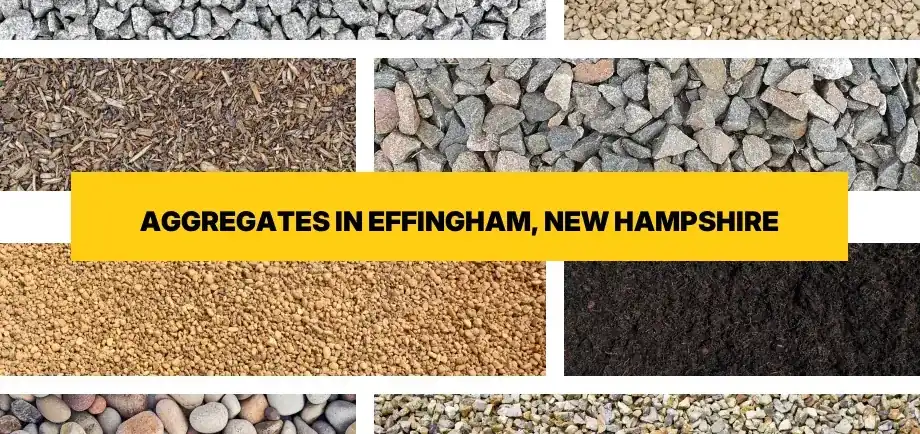
Complete Selection of Aggregates for Effingham Properties
Effingham's rural character, glacial soils, and seasonal weather patterns create unique demands for construction and landscaping materials. We supply professional-grade aggregates suitable for everything from camp access roads to residential driveways:
- Driveway Gravel - Compactable base material engineered for New Hampshire freeze-thaw cycles
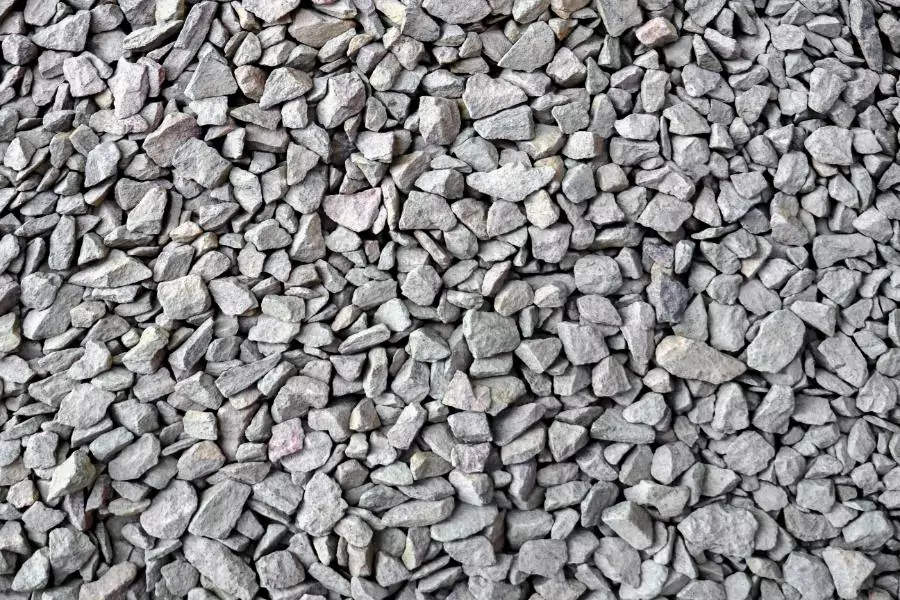
- 3/4 inch Crushed Stone - Angular aggregate perfect for stable foundations and roadways
- #57 Stone - Drainage aggregate ideal for French drains and septic system installations
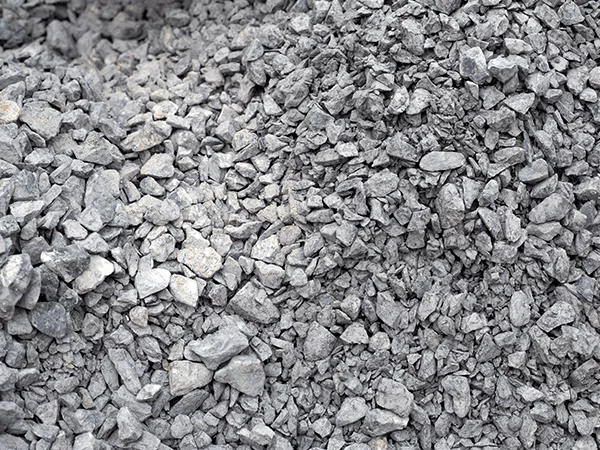
- Crusher Run - Superior compaction for driveways that handle heavy New Hampshire winters
- Road Base - Professional-grade foundation for private roads and camp access routes
- Pea Gravel - Rounded stone for pathways, decorative landscaping, and lakefront areas
- River Rock - Natural aesthetic for gardens and erosion control near waterfront properties
- Drain Rock - Essential for managing seasonal groundwater around foundations
- Topsoil - Nutrient-rich soil for gardens and lawn establishment
- Fill Dirt - Clean fill for grading and building site preparation
- Crushed Concrete - Eco-friendly recycled aggregate for sub-base applications
- Mason Sand - Fine sand for masonry projects and paver installation
- Washed Sand - Clean sand for concrete mixing and construction use
- Playground Sand - Safe, soft sand for residential play areas
- Walkway Gravel - Decorative stone for garden paths and landscape borders
- Decomposed Granite - Natural-looking surface for rustic paths and patios
Understanding Effingham's Glacial Landscape and Soil Conditions
Effingham sits in the Lakes Region of New Hampshire, shaped by retreating glaciers that left behind deposits of glacial till, sand, gravel, and large boulders. The town's soil is primarily Berkshire-Marlow complex, featuring well-drained sandy loam mixed with rocky glacial materials. This geological legacy means properties often have variable drainage patterns, with some areas experiencing seasonal high water tables while others feature excellent natural drainage.
The glacial origin of local soils presents both opportunities and challenges. Rocky subsoils provide good bearing capacity for structures but can complicate excavation and grading projects. The combination of clay lenses within predominantly sandy material means drainage solutions must be carefully designed, particularly around Province Lake and other low-lying areas where seasonal groundwater levels fluctuate significantly.
When selecting aggregates for Effingham properties, understanding these soil characteristics is crucial. Angular crushed materials interlock better with native rocky soils than rounded aggregates, providing superior stability for driveways and foundations. Proper drainage becomes essential during spring thaw when frost leaves the ground and groundwater levels peak, making well-draining base materials critical for long-term infrastructure performance.
Selecting Aggregates for Effingham's Four-Season Climate
Effingham experiences classic northern New England weather, with cold, snowy winters and warm, humid summers. Average January temperatures hover around 18°F, while July averages reach 68°F. The town receives approximately 48 inches of precipitation annually, with 75 inches of snowfall that typically remains on the ground from December through March.
The freeze-thaw cycle presents the most significant challenge for driveways, roads, and foundations in Effingham. When temperatures oscillate around freezing, moisture in poorly draining materials expands and contracts, causing frost heaves, surface cracking, and aggregate displacement. This is why proper base preparation and material selection matter tremendously for any ground-level construction.
Winter conditions near Province Lake and throughout the Green Mountain area create additional considerations. Properties require driveways that can withstand repeated snow plowing without degrading, maintain adequate traction when snow-covered, and drain quickly during thaw periods. Materials that compact tightly while maintaining drainage channels perform best in these demanding conditions, making crusher run and angular stone varieties the preferred choices for most applications.
Summer humidity and occasional heavy rainfall events require attention to erosion control, especially on sloped properties common around Lord Hill and Drake Corner. Well-graded aggregates prevent washout during summer storms while maintaining surface integrity. Properties with seasonal camps benefit from materials that require minimal maintenance during winter closure periods and remain stable when spring access is needed.
Aggregate Delivery Throughout Effingham Communities
Gravel Monkey serves every corner of Effingham with free delivery to all neighborhoods and communities throughout this scenic Carroll County town:
Province Lake Area
The Province Lake community hosts numerous seasonal camps and year-round homes along New Hampshire's only interstate lake, which spans into Maine. Properties here often require specialized erosion control aggregates for shoreline stabilization and access roads that handle seasonal usage patterns. Drainage management becomes critical given the proximity to water tables and the need to protect water quality in this pristine lake environment.
Green Mountain Region
Properties around Green Mountain feature varied terrain with significant elevation changes. These hillside locations demand aggregates that prevent erosion on sloped driveways while providing reliable traction year-round. The wooded character of this area means many properties have long private drives requiring durable base materials that minimize ongoing maintenance.
Lord Hill
The Lord Hill area represents classic rural Effingham, with larger properties, working farms, and forest land. Projects here often involve extensive driveway construction, farm road maintenance, and drainage improvements around agricultural buildings. Bulk aggregate deliveries serve both residential improvements and agricultural infrastructure needs throughout this peaceful community.
Drake Corner
Drake Corner sits in the southwestern portion of town, featuring a mix of historic homes and newer construction. The area's rolling terrain creates interesting drainage patterns that require thoughtful aggregate selection for foundations, septic systems, and driveway construction. Many properties here feature stone walls and traditional New England landscaping where decorative aggregates complement historic aesthetics.
Routes 25 and 153 Corridors
Properties along these main transportation routes enjoy better year-round access but still require quality aggregate materials for driveway aprons, roadside drainage, and property improvements. Commercial activities in these areas often need larger quantities of base materials, parking lot aggregates, and professional-grade construction supplies.
Aggregate Applications for Common Effingham Projects
Residential Driveways and Camp Access Roads
Driveway construction represents the most common aggregate application in Effingham. Whether building a new access road for a Province Lake camp or replacing an aging driveway in Drake Corner, proper base construction determines long-term performance. Start with a 6 to 8 inch layer of compacted road base to establish a stable foundation that resists frost heaving. This deep base layer proves especially important in areas with clay content in native soils.
The surface layer should be 3 to 4 inches of well-compacted crushed stone or crusher run. These angular materials interlock to create a solid driving surface that maintains stability during freeze-thaw cycles while allowing water to drain through to the base layer. For seasonal camp roads that don't see winter plowing, slightly deeper stone installations help prevent rut formation during spring thaw when the base may soften temporarily.
French Drains and Foundation Drainage
Given Effingham's glacial soils and seasonal water table variations, proper foundation drainage prevents basement moisture problems and protects structural integrity. French drain installations around foundations should use clean drain rock that won't clog with fine particles. The aggregate creates void space for water to flow freely toward daylight drainage or sump systems.
Wrap the drain rock in filter fabric to prevent fine soil particles from migrating into the aggregate over time. This protection becomes particularly important in areas with clay lenses or fine sandy soils common in glacial deposits. Proper drainage installation during construction saves significant remediation costs later and protects basement investments in this region of seasonal groundwater fluctuations.
Septic System Installation
New Hampshire's regulations for septic systems require specific aggregate materials for leach field construction. Washed stone in the 3/4 inch to 1-1/2 inch range provides the necessary void space for septic system function while remaining stable under soil cover. The irregular terrain and variable soils throughout Effingham mean septic system designs must be customized to each site's conditions.
Beyond the leach field itself, proper aggregate base preparation for septic tanks prevents settling that could damage inlet and outlet pipes. A 6 inch compacted stone base under tanks provides stable support that won't shift during spring thaw or under the weight of filled tanks. Using clean, crushed materials without fine particles ensures long-term system performance and compliance with local health regulations.
Landscaping and Decorative Applications
Effingham's natural beauty inspires homeowners to create attractive landscaping that complements the wooded, lakeside character of the region. Pea gravel works beautifully for pathways through wooded properties, creating a natural appearance while providing all-weather access. River rock suits erosion control along shorelines and in drainage swales, adding visual interest while serving functional purposes.
Garden bed borders using decorative stone help define planting areas while suppressing weed growth. The contrast between crushed granite or river rock and dark forest soils creates visual appeal that suits traditional New England aesthetics. For properties with stone walls, matching aggregate colors to existing stone maintains the historic character that defines many Effingham properties.
Comparing Aggregate Options for Effingham Applications
| Material Type | Best Applications | Drainage Rating | Winter Performance | Compaction |
|---|---|---|---|---|
| Crusher Run | Driveways, roads, bases | Excellent | Superior frost resistance | Excellent |
| 3/4" Crushed Stone | Driveway surfaces, foundations | Very Good | Excellent stability | Very Good |
| #57 Stone | Drainage, French drains, septic | Excellent | Good with fabric | Moderate |
| Road Base | Heavy-duty access roads | Good | Excellent load bearing | Excellent |
| Pea Gravel | Pathways, landscaping, beaches | Good | Moderate, shifts when plowed | Poor |
| Drain Rock | Foundation drains, retaining walls | Excellent | Excellent | Poor |
| Crushed Concrete | Sub-base, temporary roads | Very Good | Good stability | Good |
| Mason Sand | Paver base, masonry, concrete | Poor | Requires protection | Good when moist |
Installation Best Practices for Effingham Conditions
Base Preparation and Excavation
Successful aggregate installations begin with proper base preparation. Remove all organic material, topsoil, and soft spots before placing any stone. In areas with clay or poorly draining soils, excavate an additional 2-4 inches deeper than your planned stone depth and install geotextile fabric to prevent aggregate mixing with native soils. This fabric barrier becomes especially important in Effingham's glacial soils where clay lenses can create soft spots that compromise driveway stability.
Grade the excavated area to promote drainage away from buildings and toward appropriate drainage features. Even a 2% slope makes a significant difference in how water sheds from surfaces during spring thaw and summer storms. Properties near Province Lake or in low-lying areas benefit from enhanced drainage planning that directs water toward approved discharge points while protecting water quality.
Compaction Techniques
Proper compaction transforms loose aggregate into a stable, load-bearing surface. Compact base layers in 3-4 inch lifts using a vibrating plate compactor for residential projects or a roller for larger installations. Each lift should be compacted before adding the next layer, ensuring uniform density throughout the base depth. This layered approach proves especially important given Effingham's freeze-thaw conditions where poorly compacted materials shift and heave during winter.
Moisture content affects compaction efficiency significantly. Aggregate compacts best when slightly damp but not saturated. During dry summer conditions, lightly mist the stone before compaction to achieve optimal density. Avoid compacting during or immediately after heavy rain when excess moisture prevents proper particle interlocking.
Edge Restraint and Containment
Unrestrained aggregate gradually migrates beyond intended boundaries, creating maintenance issues and material loss. Install edge restraints along driveways using pressure-treated timbers, concrete curbing, or compacted shoulder material. For paths and decorative applications, commercial plastic edging or natural stone borders maintain defined edges while complementing landscape aesthetics.
The weight of snow pushed by plows during Effingham winters places significant lateral force on driveway edges. Reinforce edges in snow storage areas with larger stone or additional compaction to prevent winter damage. This attention to edge detail extends driveway life and reduces the need for regular maintenance stone additions.
Seasonal Timing for Aggregate Projects in Effingham
While aggregate delivery occurs year-round, project timing influences installation success and long-term performance. Spring presents challenges due to soft ground conditions during frost departure and high groundwater levels. Base soils may not support heavy equipment adequately until seasonal water tables recede, typically by late May in most Effingham areas.
Summer and early fall provide ideal conditions for aggregate projects. Dry, warm weather allows proper compaction, and completed installations have time to settle before winter arrives. Late summer timing proves particularly beneficial for driveway projects, as the stone experiences several months of traffic and weather before facing its first winter of freeze-thaw cycles and snow plowing.
Late fall installations require careful attention to weather forecasts. While aggregate can be placed in cool conditions, avoid installations when ground freezing is imminent. Frozen ground cannot be properly graded, and stone placed over frozen soil will settle unevenly during spring thaw. If late-season work becomes necessary, plan for spring maintenance to address any settling or surface irregularities.
Winter projects remain possible for emergency repairs or time-sensitive applications, though conditions are not optimal. Frozen ground prevents proper compaction, and snow cover complicates site access and material placement. Reserve winter aggregate work for essential situations where spring completion isn't feasible, understanding that spring touch-up may be required.
Maintaining Aggregate Installations Through New Hampshire Seasons
Regular maintenance extends the life of aggregate driveways and surfaces while preserving their appearance and function. Spring inspections should address any winter damage, including ruts from snow removal, edge erosion, and areas where frost heaving created uneven surfaces. Add fresh stone to worn areas and re-grade sections where drainage patterns have changed.
Summer maintenance focuses on weed control and surface grooming. Pull weeds before they establish deep roots, and consider applying landscape fabric during initial installation to minimize weed growth. Rake or drag gravel surfaces periodically to redistribute stone and fill minor depressions. This simple maintenance prevents small issues from becoming major repairs.
Fall preparation involves cleaning drainage features and ensuring water can flow freely away from surfaces before winter. Remove leaves and debris from French drains and roadside ditches. Address any low spots where water might pond and freeze, creating ice hazards and accelerating surface damage during freeze-thaw cycles.
Winter brings the challenge of snow removal on gravel surfaces. Set plow blades slightly higher than summer height to avoid catching and displacing stone. Consider marking driveway edges with seasonal stakes to guide plowing when snow obscures boundaries. Accept that some stone loss occurs with plowing, and budget for modest annual stone additions to maintain proper surface depth.
Sustainable Aggregate Choices for Effingham Properties
Environmental stewardship matters in Effingham's pristine lakes region where water quality protection remains paramount. Aggregate selection and installation practices influence erosion control, stormwater management, and long-term environmental impacts. Choose materials that balance functional requirements with ecological responsibility.
Crushed concrete represents an eco-friendly alternative to virgin stone for many applications. This recycled material performs admirably as sub-base and in lower-traffic areas while diverting construction waste from landfills. Properties not immediately adjacent to sensitive water bodies can confidently use crushed concrete for cost-effective, environmentally conscious projects.
Proper erosion control during and after aggregate installation protects Province Lake and other water resources from sediment pollution. Install silt fencing during construction and ensure disturbed areas receive immediate stabilization. Well-designed drainage that disperses runoff through vegetated areas naturally filters stormwater before it reaches streams and lakes.
Consider permeable aggregate installations where appropriate to support groundwater recharge and reduce stormwater runoff volumes. Properly designed permeable surfaces using open-graded stone allow rainfall to infiltrate naturally while providing functional surfaces. This approach suits parking areas, overflow parking for lake properties, and locations where reducing runoff benefits overall site hydrology.
Budgeting and Planning Aggregate Projects
Accurate quantity estimation ensures adequate material ordering without waste. Measure project areas carefully, accounting for required depth based on application. Driveways typically need 6-8 inches of total aggregate depth (base plus surface layers), while pathways may require only 3-4 inches. Multiply length times width times depth in feet, then divide by 27 to calculate cubic yards needed.
Factor in extra material for compaction losses and edge work. Aggregate compacts approximately 20-30% during installation, meaning 10 cubic yards of loose stone yields roughly 7-8 yards of compacted surface. Order slightly more than calculated needs to ensure complete coverage and allow for site irregularities discovered during excavation.
Equipment costs represent significant portions of project budgets. Renting a plate compactor for a weekend might cost $75-150, while excavation equipment rentals vary based on size and duration. Many Effingham property owners find hiring local contractors for excavation and grading while handling their own aggregate placement and finishing offers the best balance of cost and quality control.
Long-term value considerations extend beyond initial installation costs. Quality materials properly installed last decades with minimal maintenance, while cheap alternatives require frequent repairs and replacement. The harsh New Hampshire climate rewards investment in proper base preparation and appropriate aggregate selection with extended service life and reduced maintenance expenses.
Professional Aggregate Delivery Serving Effingham and Beyond
Gravel Monkey provides free aggregate delivery throughout Effingham and surrounding Carroll County communities including Freedom, Ossipee, Wakefield, and Tamworth. Our service extends throughout the Lakes Region, ensuring reliable material supply regardless of property location or project size.
We understand the unique requirements of rural New Hampshire properties, from seasonal camp access challenges to year-round residential standards. Our material selection includes everything needed for typical Effingham projects, delivered directly to your site at no additional transportation charge. Bulk quantities arrive ready for immediate use, properly sized for efficient handling and placement.
Consultation services help match materials to specific applications and site conditions. Whether planning a major driveway reconstruction or simple pathway installation, our experience with local soils, climate, and construction practices ensures appropriate material recommendations. We supply both residential property owners and commercial contractors throughout the region with consistent, quality aggregates.
Frequently Asked Questions About Aggregates in Effingham
For seasonal camp access roads near Province Lake, crusher run provides the best combination of stability and drainage. The material compacts firmly enough to resist rutting during spring use while allowing water to drain, preventing the soft, muddy conditions common in lake areas. A 6 to 8 inch base depth accommodates seasonal frost and ensures reliable access during opening and closing periods.
Effingham driveways should have a minimum 6 inch total depth of aggregate, with 8 inches preferred for heavy vehicle traffic or areas with poor native soil drainage. This depth provides adequate frost protection and distributes loads effectively. The base layer should be road base or crusher run, topped with 3-4 inches of crushed stone for the driving surface.
While possible, winter installation is not recommended unless unavoidable. Frozen ground prevents proper compaction and grading, leading to spring settling and unevenness. If emergency repairs are necessary during winter months, plan for significant spring maintenance to address settling and re-establish proper drainage slopes once the ground thaws.
Washout on sloped driveways around Green Mountain typically results from inadequate drainage design, insufficient compaction, or using rounded materials that don't interlock properly. Install cross-slope drainage features like water bars on steep grades, use angular crushed stone rather than rounded gravel, and ensure edges are properly contained. Crown the surface slightly to shed water toward edges where it can be channeled away safely.
Material costs vary by aggregate type and market conditions, but expect crusher run and road base to be among the most economical options for bulk driveway construction. Decorative materials like pea gravel and river rock command premium pricing. With Gravel Monkey's free delivery throughout Effingham, transportation costs don't add to your project budget, making rural properties as economical to supply as those closer to material sources.
Driveway permits are generally not required for work on existing driveways away from town roads. However, new driveway approaches connecting to town-maintained roads require a driveway permit from the Effingham Road Agent to ensure proper culvert sizing, sight distance, and drainage. Work near wetlands or within shoreland protection zones may require additional permits from the New Hampshire Department of Environmental Services.
Both materials serve similar purposes with subtle differences. Crusher run contains a broader range of particle sizes from dust to 3/4 inch stones, creating a very dense, tightly compacting material. Road base typically has a more uniform gradation and may contain slightly larger maximum particle size. Either works excellently for Effingham driveways, with crusher run offering slightly better compaction and road base providing somewhat better drainage in very wet conditions.
Frost heave prevention requires adequate depth of aggregate over properly draining base soils. Install at least 6-8 inches of well-compacted stone to place the driving surface above the frost line's influence. Ensure excellent drainage so water doesn't accumulate in the base where it can freeze and expand. In areas with clay soils or poor drainage, excavate deeper and install geotextile fabric to separate native soil from aggregate base, preventing moisture migration that contributes to heaving.

Need help? Reach out for a quote: