Rock & Driveway Gravel in Mount Washington, New Hampshire
Local Topsoil, Dirt, Sand, Rocks and Gravel near me in Mount Washington, New Hampshire
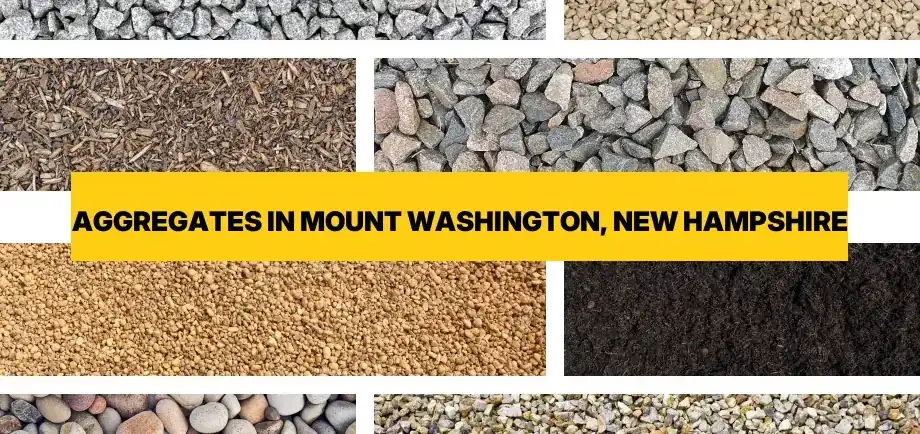
Shop Aggregates for Delivery in Mount Washington
Order online for free delivery to any Mount Washington address.
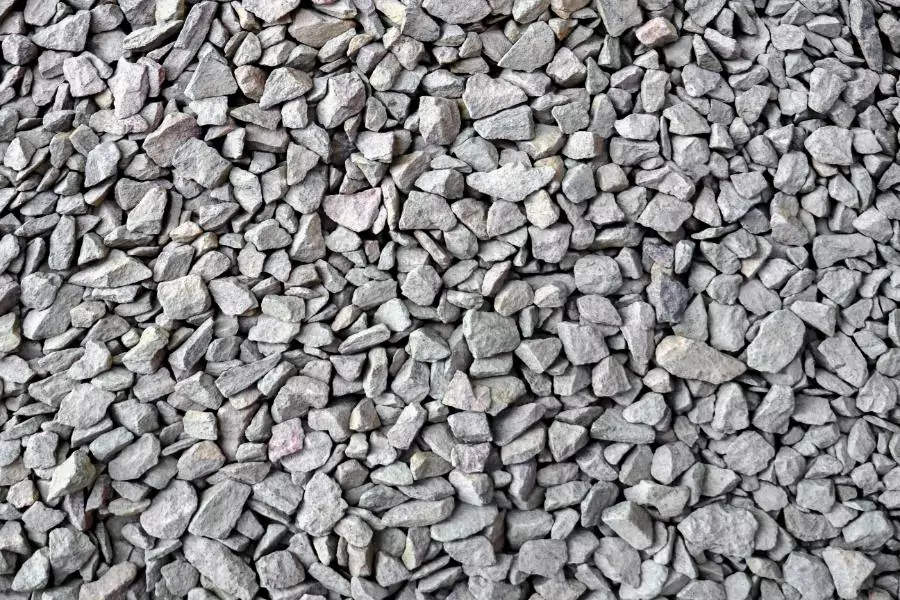
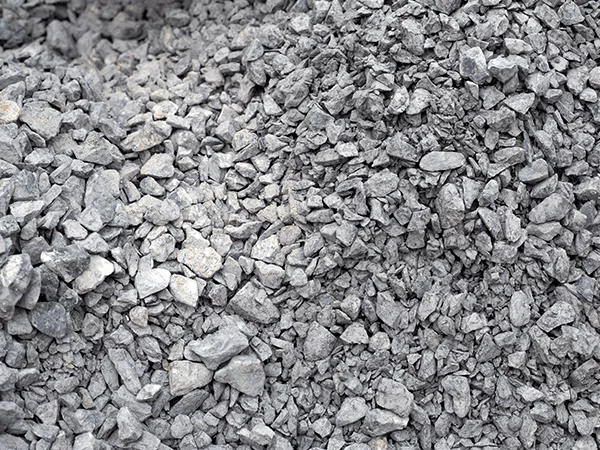


Gravel Monkey delivers premium aggregates and landscaping materials to Mount Washington and the surrounding White Mountains region of New Hampshire. Whether you're maintaining a mountain access road near Pinkham Notch, upgrading a driveway in the Mount Washington Valley, or creating drainage solutions for properties along the Cog Railway Base Station area, we provide high-quality stone and gravel products with free delivery throughout the region.
Aggregates and Materials for Mount Washington Properties
The extreme climate and terrain of the Mount Washington region demand durable, weather-resistant materials. Our complete selection of aggregates serves residential properties, commercial developments, and mountain infrastructure projects across the White Mountains:
- Driveway Gravel - Heavy-duty base material engineered for steep mountain grades and harsh conditions
- 3/4 inch Crushed Stone - Versatile angular aggregate for foundations and driveways
- #57 Stone - Superior drainage stone critical for wet White Mountain soil conditions
- Crusher Run - Compactable base that locks together for stable mountain roads
- Road Base - Professional-grade foundation for access roads and steep driveways
- Drain Rock - Essential aggregate for managing snowmelt and heavy precipitation
- Pea Gravel - Smooth decorative stone for pathways and landscaping
- River Rock - Natural rounded stones perfect for mountain water features
- Walkway Gravel - Comfortable foot-friendly material for garden paths
- Topsoil - Nutrient-rich soil blend for high-altitude gardens
- Fill Dirt - Quality fill material for grading and leveling challenging terrain
- Crushed Concrete - Eco-friendly recycled aggregate for sub-base applications
- Mason Sand - Fine sand for masonry and paver projects
- Washed Sand - Clean sand for concrete mixing and construction
- Playground Sand - Safe, soft sand for recreational areas
- Decomposed Granite - Permeable natural material for rustic mountain pathways
Understanding Mount Washington's Extreme Climate and Geology
Mount Washington holds the record for the highest wind speed ever recorded at 231 mph and experiences some of the most severe weather in North America. Properties throughout the Presidential Range face unique challenges that demand specialized aggregate solutions. The region receives over 280 inches of annual snowfall at higher elevations, with temperature swings from -40°F in winter to 70°F in summer creating intense freeze-thaw cycles.
The underlying geology consists primarily of mica schist, granite, and glacial till left behind by ancient ice sheets. This rocky, well-drained soil contains numerous boulders and cobbles, making excavation challenging but providing excellent natural drainage. However, seasonal frost heaving remains a constant concern. Properties near the Saco River Valley and Ellis River corridor experience deeper soils with more clay content, requiring extra attention to drainage and frost protection.
Selecting Aggregates for Mountain Conditions
The combination of extreme cold, heavy precipitation, and rapid temperature changes means your aggregate choices directly impact long-term performance. Angular crushed stone compacts more effectively than rounded gravel, creating stable bases that resist frost heaving. Proper drainage becomes absolutely critical - standing water around foundations leads to ice formation and structural damage during the prolonged winter months from November through April.
Mountain Driveway and Access Road Materials
Steep mountain driveways throughout the Pinkham Notch area, Great Glen Trails region, and properties along Route 16 require specialized aggregate solutions. Traditional pea gravel washes away on slopes - you need angular, interlocking materials that compact firmly and resist displacement from snowplows and heavy runoff.
Our crusher run aggregate combines various stone sizes from dust to 1-inch rocks, creating a dense, stable matrix that locks together under compaction. This material excels on grades up to 15% and provides excellent traction during winter months. For steeper access roads near the Glen House site or properties ascending toward Tuckerman Ravine, road base offers even greater stability with larger aggregate sizes and superior load-bearing capacity.
Proper Installation for Mountain Driveways
Mount Washington region driveways need deeper aggregate bases than lowland areas - typically 6 to 8 inches minimum, with 10 to 12 inches preferred for steep grades or heavy vehicle traffic. The base should extend beyond the actual driving surface to prevent edge erosion. Proper crown (center peak) ensures water sheds to the sides rather than creating channels down the slope. Consider installing drainage bars or water diverters every 50 to 100 feet on longer steep sections to direct runoff safely off the roadway.
Critical Drainage Systems for White Mountain Properties
Managing water remains the single most important factor for property longevity in the Mount Washington area. Spring snowmelt combined with frequent rain events throughout summer creates massive water volumes that must be directed away from structures. Poor drainage leads to foundation settlement, basement flooding, and premature failure of driveways and parking areas.
Drain rock serves as the cornerstone of effective water management systems. This clean, angular stone (typically 3/4 to 1.5 inches) contains minimal fines, allowing water to flow freely through the voids between rocks. Install drain rock around foundation perimeter drains, behind retaining walls, and under driveways in wet areas. Properties near the Peabody River or in the Mount Washington Valley lowlands particularly benefit from comprehensive drainage systems using quality drain rock.
French Drains and Foundation Protection
French drains - gravel-filled trenches containing perforated pipe - effectively intercept and redirect groundwater before it reaches foundations. Dig trenches to below frost depth (48 inches in NH), line with geotextile fabric, add 6 inches of drain rock, place perforated pipe, cover with more drain rock to within 6 inches of surface, fold fabric over, and cap with topsoil. Slope pipes at minimum 1% grade toward daylight or dry wells. This system protects basements and crawl spaces from seasonal water infiltration common throughout the Presidential Range.
Aggregate Comparison for Mount Washington Applications
Choosing the right material depends on your specific project requirements and location conditions. This comparison helps match aggregates to common White Mountain property needs:
| Material Type | Best Applications | Drainage Rating | Compaction | Winter Performance |
|---|---|---|---|---|
| Crusher Run | Driveways, parking areas, road base | Good | Excellent | Superior stability, plow-resistant |
| 3/4 inch Crushed Stone | Driveway top layer, foundations, general fill | Very Good | Very Good | Handles freeze-thaw well |
| #57 Stone | Drainage systems, septic fields, under slabs | Excellent | Fair | Prevents ice buildup, excellent flow |
| Road Base | Heavy-duty access roads, steep grades | Good | Excellent | Maximum strength, handles heavy loads |
| Drain Rock | French drains, foundation drains, retaining walls | Excellent | Poor | Critical for preventing ice damage |
| Pea Gravel | Decorative paths, landscaping, ground cover | Good | Poor | Not suitable for vehicle traffic |
| Crushed Concrete | Sub-base, temporary roads, eco-projects | Good | Very Good | Cost-effective, compacts well |
Landscaping Materials for High-Altitude Gardens
Creating beautiful landscapes at elevation requires understanding the shortened growing season and harsh conditions of the White Mountains. Properties around the Glen House area and throughout the Mount Washington Valley work with approximately 90 to 110 frost-free days, demanding careful plant selection and soil preparation.
Our topsoil provides the nutrient foundation for successful mountain gardens. Blend topsoil with native material at a 50/50 ratio for raised beds and established garden areas. The additional organic matter improves water retention during dry summer periods while enhancing drainage during wet spring months. Mountain soils naturally contain less organic matter than lowland areas, making quality topsoil additions particularly valuable.
Decorative Stone Applications
River rock creates stunning visual contrast in mountain landscapes. Use 2 to 4 inch river rock around specimen trees, in dry creek beds that manage runoff, or as mulch in high-visibility areas near the Mount Washington Hotel vicinity or Great Glen Trails entrance. The smooth, rounded stones resist displacement better than mulch during heavy rain while adding year-round color and texture.
Walkway gravel establishes comfortable paths through gardens and around properties. This material compacts moderately while remaining comfortable for foot traffic, creating stable routes that shed water effectively. Consider installing landscape fabric beneath walkway gravel to prevent weed growth and maintain a clean appearance throughout the growing season.
Common Mount Washington Area Projects
Seasonal Road Maintenance
Private mountain roads require annual maintenance to repair washouts and plow damage. Spring assessment identifies areas needing fresh aggregate. Add crusher run to low spots and rutted sections, grade to restore proper crown, and compact thoroughly. Properties along the Mount Washington Auto Road corridor and access routes to ski touring centers particularly benefit from proactive spring restoration.
Foundation and Basement Work
New construction in the Presidential Range demands careful attention to foundation drainage. Excavate 12 inches beyond foundation walls, install perimeter drain tile, backfill with drain rock to within 12 inches of grade, then cap with fill dirt sloped away from the structure. This system prevents the hydrostatic pressure that causes foundation cracks and basement seepage during heavy snowmelt periods.
Parking Area Expansion
Mountain properties often need additional parking for guests, equipment, or recreational vehicles. Excavate to firm subgrade (typically 12 to 18 inches deep), compact native soil, add geotextile fabric to prevent mixing, install 8 to 10 inches of road base, compact in 3-inch lifts, top with 2 inches of 3/4 inch crushed stone, and final compact. This layered approach creates parking areas that resist rutting and remain stable year-round.
Retaining Wall Backfill
Timber or stone retaining walls throughout the Gorham area and Jackson village stabilize slopes and create usable space. Proper backfill prevents wall failure from hydrostatic pressure. Place drain rock against the wall back for the lower half of wall height, install perforated drain pipe at the wall base leading to daylight, continue drain rock to within 12 inches of top, cap with angular fill material, and slope final grade away from wall. This drainage design extends wall life significantly.
Serving the Mount Washington Region
Gravel Monkey delivers throughout the greater Mount Washington area including these communities and landmarks:
- Pinkham Notch - Gateway to Tuckerman Ravine and eastern Presidential Range trails
- Great Glen Trails - Popular Nordic skiing and mountain biking area at mountain's base
- Glen House Site - Historic location and access point for Mount Washington Auto Road
- Cog Railway Base Station - Western approach and staging area for mountain access
- Mount Washington Valley - Lower elevation residential and commercial areas along Route 16
- Gorham - Northern gateway town with established residential neighborhoods
- Jackson - Southern valley community known for covered bridges and skiing
- Bretton Woods - Western valley area near Mount Washington Hotel and ski resort
We also serve properties throughout the White Mountain National Forest accessible areas, along the Presidential Range, and in surrounding communities including Twin Mountain, Jefferson, Randolph, Berlin, and Conway.
Calculating Your Aggregate Requirements
Accurate material estimation prevents shortages and excess costs. Use these guidelines for common Mount Washington area projects:
Basic Volume Formula
Length (feet) × Width (feet) × Depth (inches ÷ 12) ÷ 27 = Cubic Yards needed
Example: A 60-foot driveway, 12 feet wide, needing 6 inches of aggregate:
60 × 12 × 0.5 ÷ 27 = 13.3 cubic yards
Coverage Rates per Cubic Yard
- At 2 inches depth: covers 160 square feet
- At 3 inches depth: covers 108 square feet
- At 4 inches depth: covers 81 square feet
- At 6 inches depth: covers 54 square feet
Mountain conditions typically require deeper installations than these minimums. Add 10% to your calculated amount for waste, compaction, and irregular depths. Properties with steep grades may need 15 to 20% additional material to account for uneven terrain and edge buildout.
Professional Installation Tips for Mountain Properties
Site Preparation
Remove all organic material including topsoil, roots, and vegetation before installing aggregate. Organic matter decomposes creating voids and settling. Excavate to stable subgrade - if you encounter soft spots or springs, dig deeper and fill with larger stone before proceeding with your base installation.
Compaction Techniques
Proper compaction determines long-term performance. Rent a plate compactor (minimum 5,000 pound force) for areas under 1,000 square feet, or a vibratory roller for larger projects. Install aggregate in 3-inch lifts, compact each layer thoroughly before adding the next. Make multiple passes in different directions to ensure complete compaction. Never attempt to compact material deeper than 4 inches in a single lift - it won't compact properly and will settle later.
Edge Restraint
Prevent aggregate migration at driveway and path edges by installing edge restraint. Options include pressure-treated timbers, large boulders from the property, or commercial paver edging. Secure edges extend 6 inches below final grade and help maintain proper aggregate thickness at boundaries where stress concentrates.
Seasonal Timing
Schedule major aggregate projects during the dry season from June through September. Ground frost lingers into May at higher elevations, and October brings the risk of early snow. Spring installation allows time for the base to settle naturally before winter stress. Avoid aggregate work during wet periods - compaction becomes impossible and equipment rutting damages the subgrade.
Winter Maintenance and Snow Management
The extended winter season from November through April impacts all aggregate surfaces. Snowplow damage represents the primary cause of annual driveway degradation. Plow operators should set blades 1 to 2 inches above the surface to avoid gouging aggregate and creating ruts that worsen throughout winter.
Avoid using excessive sand on aggregate driveways - it creates mud in spring and requires removal. Instead, rely on the natural traction of angular stone. If additional traction becomes necessary during icy conditions, use small amounts of sand or approved ice melt sparingly.
Spring Restoration
Every spring, grade aggregate surfaces to redistribute material pushed to edges by plowing. Add fresh material to areas showing wear, particularly at entrances, steep sections, and turning areas. Re-compact disturbed areas before the ground fully thaws. This annual maintenance extends surface life significantly and prevents minor issues from becoming major repairs.
Frequently Asked Questions About Aggregates in Mount Washington
Crusher run and road base excel in mountain conditions due to their angular shape and mixed sizes that compact densely and resist frost heaving. For drainage applications critical to managing snowmelt, drain rock and number 57 stone provide superior water flow. Avoid rounded gravels that don't compact well and wash away on slopes.
Mount Washington area driveways need 6 to 8 inches minimum, with 10 to 12 inches preferred for steep grades or areas with heavy vehicle traffic. The extreme freeze-thaw cycling and frost heaving common to the region demands deeper bases than lowland areas. Shallow installations fail prematurely from frost damage.
June through September provides optimal conditions for aggregate installation. Ground frost persists into May at higher elevations, and October brings risk of early winter weather. Summer installation allows proper compaction and settling before winter stress. Avoid working during wet periods when compaction becomes impossible.
Yes, the heavy precipitation and rapid snowmelt throughout the Presidential Range makes comprehensive drainage essential. Install perimeter drains around foundations using drain rock and perforated pipe. Use french drains to intercept groundwater before it reaches structures. Poor drainage leads to foundation damage, basement flooding, and premature driveway failure.
Use angular crusher run that compacts firmly rather than rounded gravel. Install proper crown so water sheds to sides. Add drainage bars or water diverters every 50 to 100 feet on steep sections to direct runoff off the roadway. Ensure adequate depth (8 to 12 inches) and thorough compaction. Annual spring maintenance redistributes material and repairs minor damage before it worsens.
We deliver throughout accessible areas of the Mount Washington region including Pinkham Notch, Great Glen Trails, Bretton Woods, and surrounding communities. Contact us to confirm delivery access for your specific location. Some remote or seasonal roads may have restrictions during spring mud season or winter months.
Our delivery trucks accommodate various load sizes from 5 cubic yards to full 20-yard loads. Smaller loads work well for pathway projects and garden areas, while full loads efficiently serve driveway installations and major site work. We help you determine the right quantity for your project to avoid material shortages or excess.
The rocky glacial till and granite-based soils provide excellent natural drainage but contain numerous boulders that complicate excavation. The well-drained conditions help prevent frost heaving compared to clay-heavy soils. Areas near river valleys may have deeper soils with more clay requiring extra drainage attention. The shallow bedrock common throughout the region means you may encounter ledge during excavation.
Professional Aggregate Delivery to Mount Washington
Gravel Monkey serves residential and commercial properties throughout the Mount Washington Valley and Presidential Range with premium aggregates and landscaping materials. Our free delivery includes properties from Pinkham Notch to Bretton Woods, and from Gorham to Jackson. We understand the unique challenges of mountain properties and help you select the right materials for extreme White Mountain conditions.
Every delivery includes expert advice on material selection, quantity calculations, and installation best practices specific to high-altitude applications. Whether you're maintaining a seasonal access road, installing a new driveway, or improving drainage around your foundation, our team provides the knowledge and quality materials essential for success in the harsh Mount Washington climate.

Need help? Reach out for a quote: