Topsoil vs Fill Dirt: Which One Does Your Project Need?
Topsoil vs fill dirt: fill dirt builds up and levels out, topsoil grows things. Order the wrong one and you either pay for organic material that gets buried under a patio, or you plant grass seed in dead subsoil that won’t hold a root. Getting this right before you order saves you a second delivery and a redo.
Here’s how to tell which one your project actually needs, and what happens when the two get swapped.
Key Takeaways
- Fill dirt is for building up, leveling, and filling holes. Topsoil is for growing grass, gardens, and beds.
- Fill dirt skips screening and organic content, which is why it costs less per yard.
- Topsoil belongs on top, as the final 4 to 8 inch layer where roots actually live.
- Fill dirt goes underneath topsoil, never the other way around.
- Most yard-raising jobs need both: fill dirt for bulk, topsoil as the cap.
- Gravel Monkey can help you work out exact tonnage for each layer before you order.
What Is Fill Dirt?
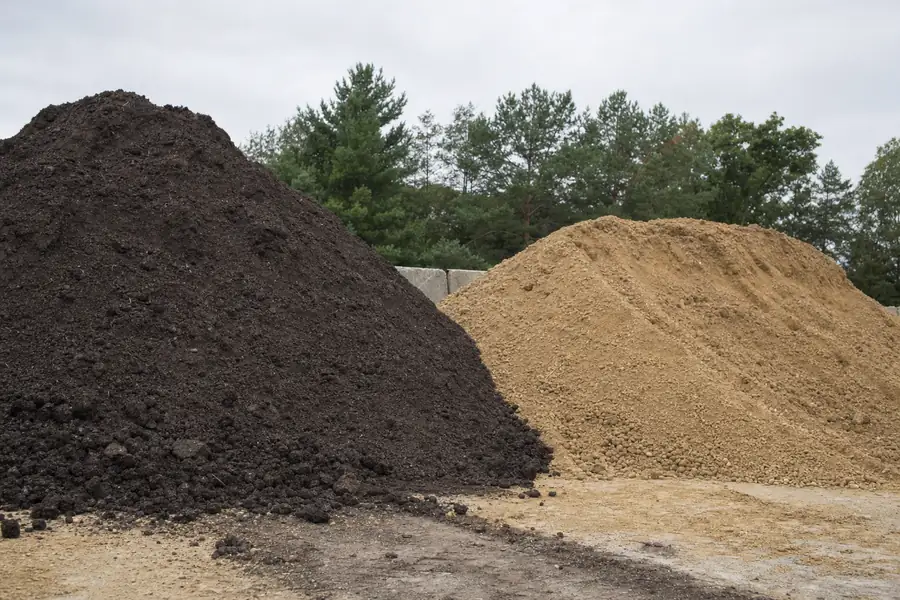
Fill dirt is subsoil: a mix of clay, sand, and small rock with the topsoil layer stripped out. There’s no organic matter in it, which sounds like a downside until you realize that’s exactly what makes it useful. Organic material decomposes over time and leaves voids behind, which is the last thing you want under a slab or driveway.
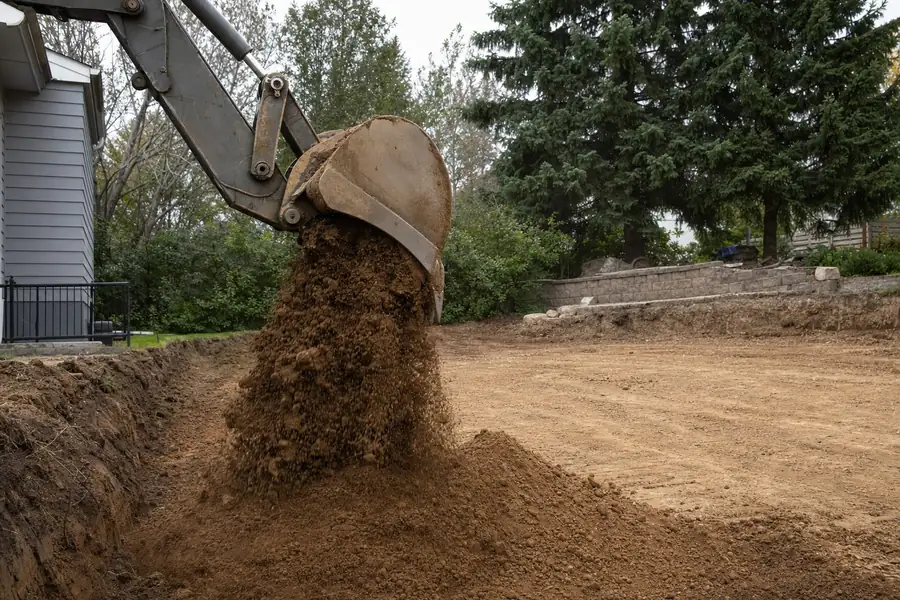
Fill dirt compacts predictably in lifts, which is why it’s the standard choice for raising a low yard, filling in an old pool or foundation hole, building up a building pad, or backfilling around a new foundation wall. It’s also generally the cheaper of the two, since it doesn’t need screening or nutrient content.
What Is Topsoil?
Topsoil is the dark, biologically active layer that naturally sits on top of the ground, usually the first 2 to 8 inches. It’s full of organic matter, microbes, and nutrients that plant roots need. Screened topsoil has the rocks, roots, and debris sifted out, so it’s ready to spread and plant into right away.
Topsoil is what you want for new lawns, garden beds, raised planters, and the finish layer over any regraded area. It’s not a structural material. Pile it under a patio and it will settle and rot unevenly over a few seasons. For help sizing a load, the guide on how much topsoil you need walks through the math by square footage and depth.
Topsoil vs Fill Dirt: Key Differences
| Factor | Fill Dirt | Topsoil |
|---|---|---|
| Composition | Clay, sand, small rock | Organic matter, silt, minerals |
| Organic content | None to minimal | High |
| Compaction | Compacts well in lifts | Not meant to be compacted |
| Plant growth | Poor | Strong |
| Typical cost | Lower per yard | Higher per yard |
| Placement | Below grade, structural fill | Top 4 to 8 inches |
Topsoil vs Fill Dirt: Which One Does Your Project Need?
If you’re raising the grade of a soggy yard, filling an old septic tank hole, building up a shed pad, or backfilling a foundation, that’s fill dirt. It’s the same logic behind a solid base for a gravel driveway: the structure underneath does the work, so it needs to be dense and stable, not rich in nutrients.
If you’re starting a new lawn, filling a raised garden bed, or topping off soil that’s gone thin and compacted, that’s topsoil. Roots need loose, organic material to spread through, and fill dirt simply won’t support them.
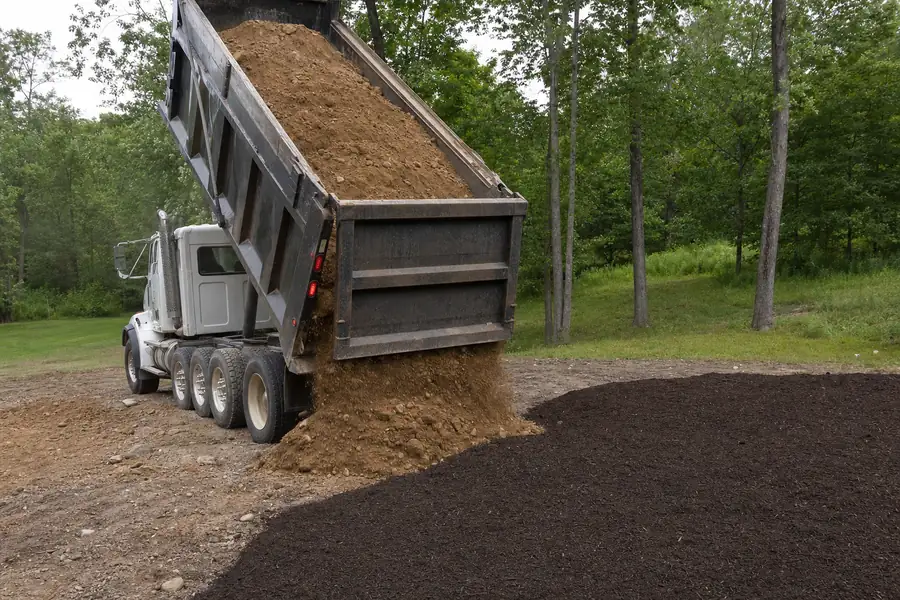
Most regrading jobs actually need both. Fill dirt does the heavy lifting to bring the level up, then a 4 to 6 inch cap of topsoil goes on last so grass and plants have something to grow in. Skip the fill dirt and put topsoil down 12 inches deep to fix a low spot, and you’ve paid a premium price for material that will settle unevenly as the organic content breaks down.
Local soil matters here too. Clay-heavy ground around Rio Rancho, New Mexico often needs extra fill dirt just to correct drainage before topsoil goes anywhere near it. In colder climates like North Platte, Nebraska, freeze-thaw cycles can heave a fill layer that wasn’t compacted properly, so getting the base right matters even more before the topsoil cap goes down.
Cost and Coverage Comparison
Fill dirt typically runs cheaper than topsoil, often by a noticeable margin, because it skips screening and doesn’t need to meet the same quality standard. As a rough guide, fill dirt tends to price lower per yard than screened topsoil, though both vary by region and how far the material has to travel.
| Material | Typical use depth | Coverage per yard |
|---|---|---|
| Fill dirt | 6 to 24 inches (compacted in lifts) | Roughly 100 sq ft at 3 inches |
| Topsoil | 4 to 8 inches | Roughly 100 sq ft at 3 inches |
Coverage runs about the same per yard for both materials at a given depth, so the cost difference mostly comes down to how much of each layer your project actually needs. The fill dirt calculator is the fastest way to get a real number before you place an order, rather than guessing and ending up short mid-job.
Common Mistakes with Topsoil and Fill Dirt
- Using fill dirt as the final layer under a new lawn, then wondering why grass won’t take.
- Filling deep holes with topsoil instead of fill dirt, which costs more and settles unevenly.
- Dumping either material in one thick layer instead of compacting fill dirt in lifts.
- Buying screened, weed-free topsoil for a job that’s really just structural backfill.
- Not checking drainage before capping fill dirt with topsoil, which can trap water at the layer boundary.
Gravel Monkey keeps both fill dirt and screened topsoil in stock and can help you figure out exactly how many yards of each layer your project calls for before delivery day.
FAQs
Can I use fill dirt instead of topsoil for my lawn?
No. Fill dirt has no organic matter and won’t support grass or garden roots. Use it below grade and cap it with topsoil for anything you plan to plant.
How much topsoil goes on top of fill dirt?
Most lawns and beds need 4 to 6 inches of topsoil over compacted fill dirt. Deeper garden beds can use up to 8 inches.
Is fill dirt cheaper than topsoil?
Generally yes, since it skips screening and has no nutrient content. Prices vary by region, so it’s worth getting a current quote for your area.
Can you mix topsoil and fill dirt together?
It’s better not to. Keep them as separate layers: fill dirt for structure below, topsoil for growth on top. Mixing them dilutes the topsoil’s organic value.
How do I know how many yards I need?
Measure the area and target depth, then run the numbers through the fill dirt calculator or the topsoil coverage guide before you order.