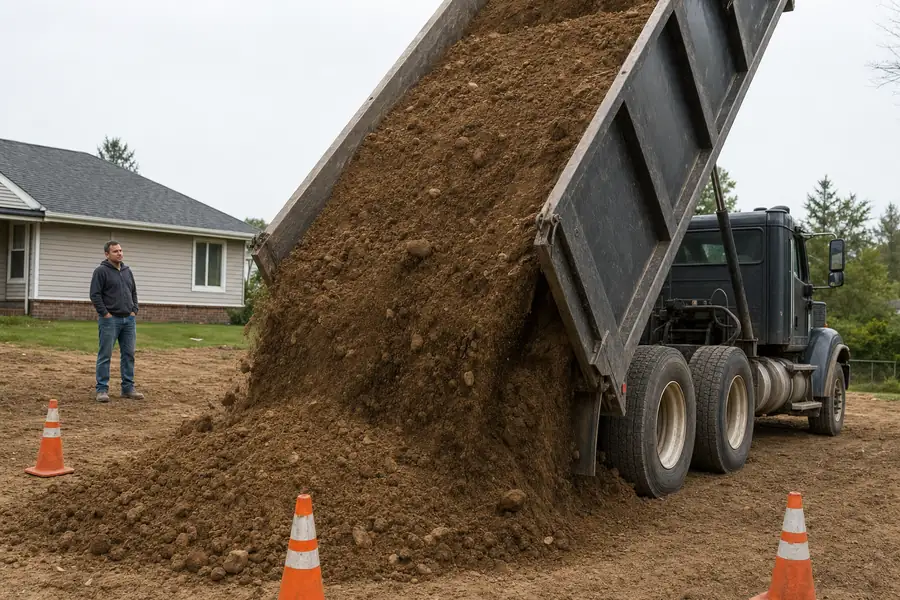
Fill Dirt Cost: Price per Yard & Load
Quick answer: Fill dirt typically costs $5 to $15 per cubic yard picked up at the pit, or $15 to $25 per yard delivered. A 10-yard load delivered usually runs $150 to $300, and an 18-yard dump truck load falls somewhere between $250 and $500.
The dirt itself is close to worthless by weight. What you’re paying for is the truck, the driver, and the miles between the pit and your property.
Fill Dirt Price at a Glance
Fill dirt cost breaks down mostly by load size and delivery distance, not by the material itself.
| Option | Typical price |
|---|---|
| Picked up (self-haul) | $5 to $15 per yard |
| Delivered, per yard | $15 to $25 per yard |
| 10-yard load, delivered | $150 to $300 |
| 18-yard truckload, delivered | $250 to $500 |
| Per ton equivalent | $5 to $10 per ton |
Gravel Monkey sells fill dirt by the cubic yard, with the delivery fee scaled to your distance from the yard rather than the dirt itself.
What Is Fill Dirt, Exactly?
Fill dirt is subsoil dug from below the topsoil layer, usually clay, sand, or a blend of the two, with no organic matter mixed in. Once screened, it carries no roots, no rotting vegetation, and no rock debris, which lets it compact into a stable base that doesn’t shift or settle unevenly. Contractors use it to raise low spots, backfill around foundations, and build up grade before a slab or paver patio goes in. It isn’t meant to grow anything.
That’s the real difference from topsoil, which keeps organic content and nutrients for planting and generally costs more per yard because of the extra screening and processing it needs.
What Changes the Price
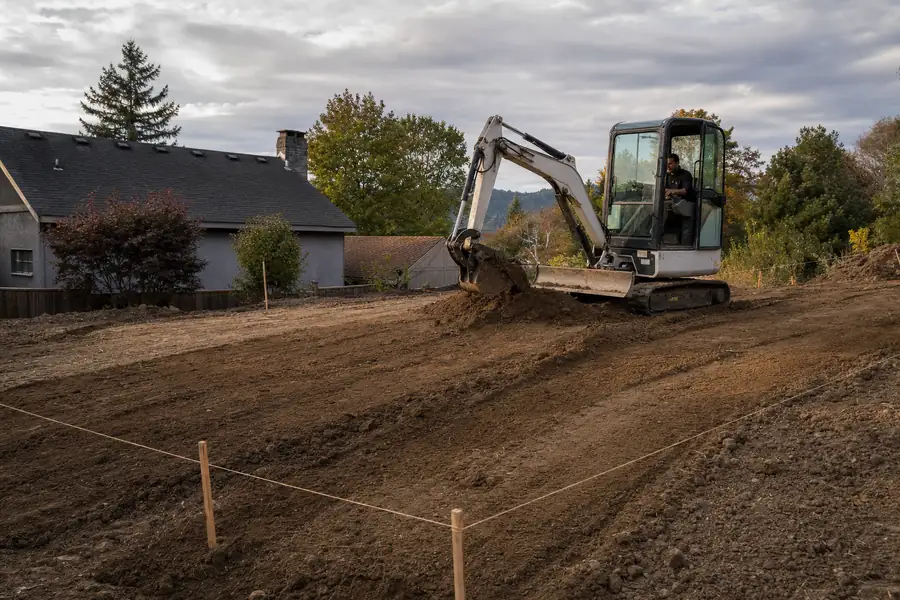
Delivery distance moves fill dirt cost more than any other factor, because raw dirt carries almost no value on its own.
- Screened vs unscreened: screened fill costs more but strips out rocks, roots, and clay clumps
- Clean-fill certification: documented clean fill commands a premium, especially near wetlands or waterways
- Delivery distance: every added mile adds fuel and driver time to the price
- Load size: smaller loads cost more per yard because the truck’s fixed cost gets spread over less material
- Wet vs dry weight: wet fill weighs more per yard, which raises cost when pricing runs by weight
- Region: local geology and how far the nearest pit sits from your job site both shift the baseline price
According to the USGS National Minerals Information Center, aggregate materials like fill dirt carry a low unit value, so hauling typically makes up the largest share of what you pay at the curb.
How Much Fill Dirt Do You Need?
Figure cubic yards by multiplying length by width by depth, all in feet, then dividing by 27.
| Raise 1,000 sq ft by | Yards needed | Typical delivered cost |
|---|---|---|
| 3 inches | ~9.3 yards | $140 to $235 |
| 6 inches | ~18.5 yards | $280 to $465 |
| 12 inches | ~37 yards | $555 to $925 |
Use the fill dirt calculator to plug in your exact dimensions instead of estimating from a general table.
Say you’re filling a 15 by 20 foot low spot in the backyard, 6 inches deep. That’s 300 square feet at half a foot, or 150 cubic feet, which works out to about 5.6 cubic yards. Round up to 6 yards and expect to pay somewhere in the $90 to $150 range for the material, plus whatever delivery minimum your yard charges. If you’re finishing the graded area with a planting layer on top, check our guide on how much topsoil you need for that final few inches.
Free Fill Dirt: Worth It?
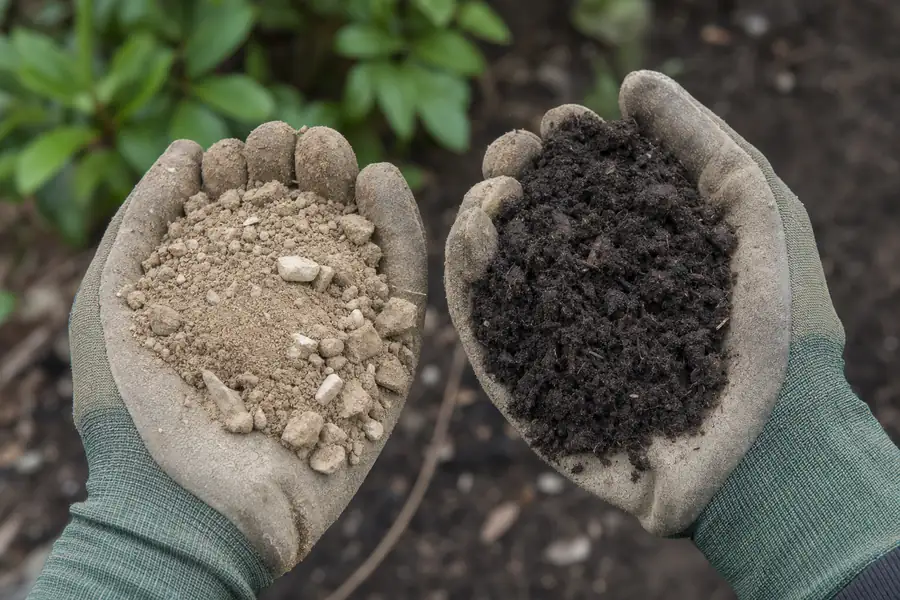
Free fill dirt can work for rough grading, but it comes with risk that’s worth weighing before you accept a full load.
- Debris: construction-site fill often carries broken concrete, brick, and scrap that has to be picked out by hand
- Clay content: heavy clay resists compaction and holds water, which can cause settling under anything built on top
- Contamination: fill from unknown sources can carry chemical residue, particularly from old industrial or gas-station sites
- No screening: nobody has sorted it, so quality varies load to load and even within the same pile
Free fill is fine for rough backfill in a field or filling a hole far from the house. Buy screened fill dirt instead for anything near a foundation, under a patio or driveway, or any spot where settling later would cause real damage.
Fill Dirt vs Topsoil vs Sand on Price
Fill dirt is the cheapest bulk material of the three, typically running $5 to $25 per yard depending on delivery. Topsoil usually costs $15 to $45 per yard because of the organic content and screening it requires, and sand tends to land highest at $25 to $60 per yard depending on grade. The ranking holds fairly steady across regions: fill dirt for structural grading and backfill, topsoil for anything you plan to plant, and sand for drainage layers, paver base, or play areas.
How to Order Bulk Fill Dirt
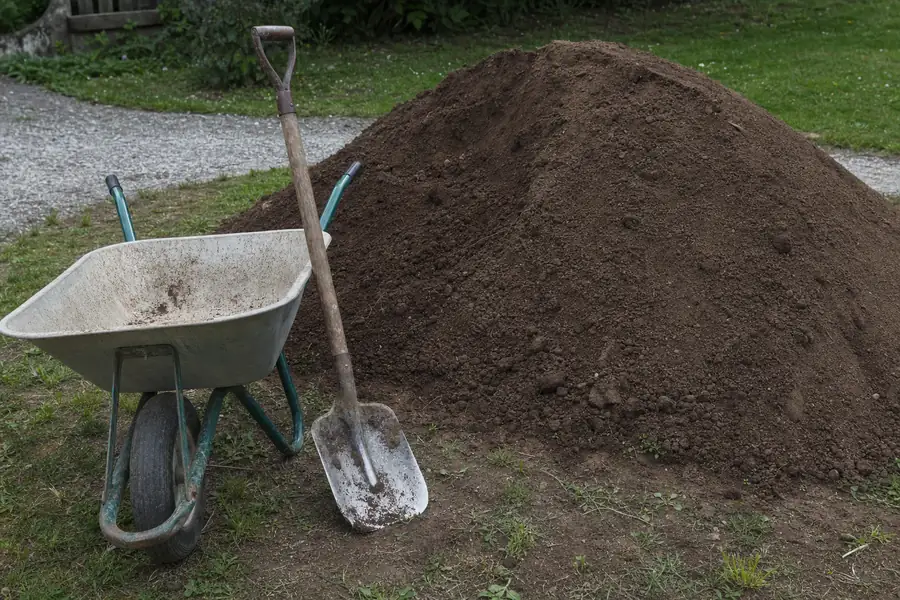
- Measure the area and depth you need to fill, in feet.
- Decide whether you need screened fill dirt or can use unscreened for rough grading.
- Confirm delivery access: driveway width, truck clearance, and any weight restrictions.
- Clear the drop site and mark exactly where you want the pile placed.
FAQs
How much is a truckload of fill dirt?
A truckload of fill dirt typically costs $150 to $500 delivered, depending on load size. A smaller 10-yard load usually runs $150 to $300, while a full 18-yard tri-axle load falls between $250 and $500.
How many yards of fill dirt are in a dump truck?
Most standard dump trucks haul 10 to 14 cubic yards per load, while larger tri-axle trucks can carry up to 18 yards. The exact capacity depends on the truck’s size and local weight limits on the roads it travels.
Is fill dirt cheaper than topsoil?
Yes, fill dirt is almost always cheaper than topsoil. Fill dirt typically runs $5 to $25 per yard, while topsoil usually costs $15 to $45 per yard because it needs more screening and retains organic material for planting.
Can I use fill dirt to level my yard?
Fill dirt works well for leveling low spots and raising grade, as long as you compact it in layers rather than dumping it all at once. Compacting every few inches keeps the fill from settling unevenly later, which is the main cause of new low spots reappearing after a season or two.
What is clean fill dirt?
Clean fill dirt is subsoil that’s been verified free of construction debris, contamination, and hazardous material, often with documentation to prove it. It costs more than generic or unscreened fill, but it’s the safer choice near wetlands, waterways, or any site where a regulator might ask where the material came from.