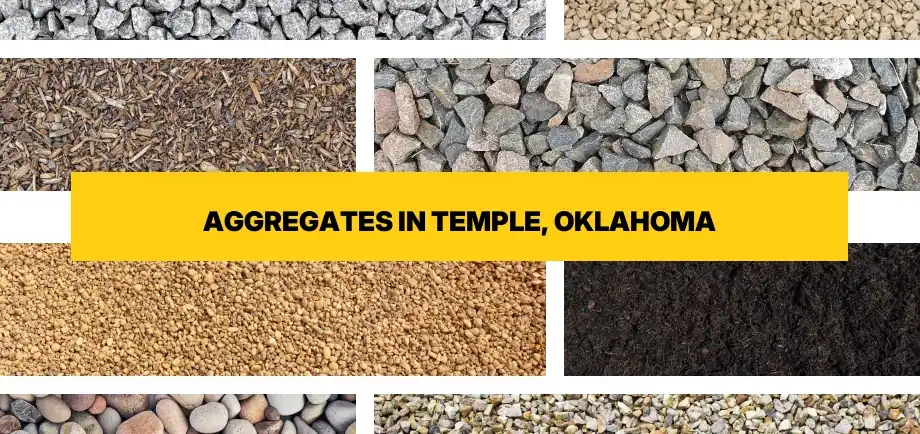
Sand, Aggregates & Gravel for Temple, Oklahoma
Local Topsoil, Dirt, Sand, Rocks and Gravel near me in Temple, Oklahoma
Shop Aggregates for Delivery in Temple
Order online for free delivery to any Temple address.


Gravel Monkey is your premier source for premium aggregates and construction materials in Temple, Oklahoma. Serving Cotton County and the surrounding Red River Valley region, we deliver high-quality gravel, crushed stone, sand, and landscaping materials directly to your property with free delivery. Whether you're building a driveway along Highway 65, improving drainage on rural land near Walters, or creating a beautiful landscape in downtown Temple, we have the aggregates and materials you need for lasting results.
Complete Aggregate and Material Selection for Temple Projects
Temple's unique position in southwestern Oklahoma, with its distinctive red clay soils and variable weather patterns, demands quality aggregates that can withstand both summer heat and occasional freeze-thaw cycles. Gravel Monkey supplies a comprehensive range of materials perfectly suited for Cotton County construction and landscaping needs:
- Driveway Gravel - Heavy-duty aggregate for residential and ranch driveways throughout Temple
- 3/4 inch Crushed Stone - Versatile angular stone for foundations and drainage applications
- #57 Stone - Clean, uniform aggregate ideal for French drains and concrete work
- Crusher Run - Compactable base material perfect for Temple's clay soil conditions
- Road Base - Professional-grade aggregate for driveways and access roads
- Pea Gravel - Smooth decorative stone for walkways and landscaping
- River Rock - Natural aesthetic aggregates from the Red River region
- Walkway Gravel - Specially sized aggregate for paths and garden borders
- Decomposed Granite - Natural compacting material for patios and trails
- Crushed Concrete - Eco-friendly recycled aggregate for base applications
- Drain Rock - Essential aggregate for managing Temple's clay soil drainage
- Topsoil - Nutrient-rich soil for gardens and lawn establishment
- Fill Dirt - Quality material for grading and leveling projects
- Mason Sand - Fine sand for mortar and construction applications
- Playground Sand - Safety-tested sand for play areas and sandboxes
- Washed Sand - Clean sand for concrete mixing and landscaping
Understanding Temple's Soil and Climate Conditions
Temple sits in the rolling plains of southwestern Oklahoma, where the climate and geology present specific challenges for construction and landscaping projects. The area experiences hot summers with temperatures regularly exceeding 95°F, mild winters with occasional freezing, and an average annual rainfall of approximately 32 inches. This weather pattern, combined with the region's predominant clay soils, creates unique conditions that require proper aggregate selection and installation techniques.
The red clay soils characteristic of Cotton County are part of the Port-Tillman association, known for their expansive properties. These heavy clay soils shrink during dry periods and swell when wet, which can cause significant foundation movement and drainage problems. Properties near the Red River floodplain also deal with periodic flooding concerns. Additionally, Temple's position at roughly 1,100 feet elevation means adequate drainage systems are essential to prevent water pooling around structures and driveways.
When working with Temple's challenging soil conditions, proper aggregate base materials become critical. The clay content requires substantial excavation and replacement with compactable aggregates that provide stable foundations resistant to shifting. Areas throughout Cotton County, from rural properties near Randlett to developments closer to Walters and Devol, benefit from quality crushed stone bases that maintain integrity through seasonal temperature swings and moisture changes.
Driveway Aggregates for Temple Properties
Driveways in Temple face unique stress from both the environment and usage patterns. Rural properties often require longer access roads that must support farm equipment and livestock trailers, while residential driveways need attractive, durable surfaces that complement the home. The combination of clay subsoil, temperature extremes, and regular vehicle traffic demands quality aggregate materials installed with proper drainage considerations.
Selecting the Right Driveway Material
For properties throughout Temple and Cotton County, choosing the appropriate driveway aggregate depends on several factors including traffic volume, budget, and aesthetic preferences. Heavy equipment access roads benefit from larger, angular aggregates that lock together under pressure. Residential driveways can utilize finer crushed materials that provide smooth surfaces while maintaining excellent compaction and drainage characteristics.
The clay soils common in the Temple area require excavation to adequate depth—typically 8 to 12 inches for residential applications and deeper for commercial or heavy-use driveways. This excavated area should be filled with layers of compactable aggregate, with each layer properly compacted before adding the next. The base layer provides structural support, while the top layer creates the driving surface. Properties near Highway 7 or Highway 65 often see heavier traffic and may require additional base depth for long-term durability.
| Aggregate Type | Best Application | Compaction | Drainage |
|---|---|---|---|
| Crusher Run | Base layer, all driveways | Excellent | Good |
| Road Base | Heavy equipment access | Excellent | Good |
| 3/4 inch Crushed Stone | Top layer, residential | Very Good | Excellent |
| #57 Stone | Drainage layer | Good | Excellent |
| Crushed Concrete | Budget-friendly base | Very Good | Very Good |
| Decomposed Granite | Decorative driveways | Good | Good |
Drainage Solutions for Temple's Clay Soils
Effective drainage represents one of the most critical considerations for any Temple property. The expansive clay soils hold moisture and drain poorly, leading to standing water, foundation problems, and landscape damage. Properties throughout Cotton County require properly designed drainage systems using appropriate aggregates to channel water away from structures and prevent soil saturation issues.
French Drains and Aggregate Selection
French drains provide effective solutions for managing groundwater and surface runoff in Temple's challenging soil conditions. These drainage systems consist of perforated pipes surrounded by clean aggregate that allows water to flow freely while preventing soil infiltration. The success of a French drain depends largely on using the correct aggregate size and type. Clean, angular stone without fines ensures water moves quickly through the system rather than becoming trapped in the clay soil.
Properties near lower elevations in Temple, particularly those toward the Red River, often experience more significant drainage challenges. These areas may require more extensive French drain systems with larger pipes and greater volumes of drainage aggregate. Rural properties with ponds or stock tanks also benefit from proper drainage systems that prevent erosion and maintain water quality during Oklahoma's intense thunderstorms and occasional flooding events.
Landscaping Aggregates and Decorative Materials
Temple residents take pride in their properties, from well-maintained yards around downtown to expansive ranch landscaping throughout Cotton County. Quality landscaping aggregates serve both functional and aesthetic purposes, providing weed suppression, moisture retention, and attractive ground cover that complements southwestern Oklahoma's natural beauty.
Decorative Rock Applications
Decorative aggregates transform ordinary landscapes into attractive outdoor spaces while reducing maintenance requirements. Pea gravel creates smooth, comfortable surfaces for walkways and seating areas. River rock adds natural character to garden beds and water features. Decomposed granite provides rustic, natural-looking pathways that complement the region's aesthetic while compacting well for stable walking surfaces.
The intense summer heat in Temple makes proper mulching and ground cover essential for plant health and water conservation. Aggregate materials reflect less heat than bare soil, help retain soil moisture during dry periods, and prevent weed growth that competes with desirable plants for water and nutrients. Properties throughout the area benefit from strategic aggregate placement around foundations, trees, and garden beds.
Serving All Temple Area Neighborhoods and Communities
Gravel Monkey proudly delivers aggregates and materials throughout Temple and surrounding Cotton County communities. Our service area includes residential neighborhoods, commercial properties, ranches, and farms across the region:
Temple and Nearby Communities
We provide free delivery to properties throughout downtown Temple, where historic buildings and established homes benefit from quality aggregates for renovations and landscaping projects. The residential areas along Main Street and surrounding blocks receive regular deliveries for driveway improvements and yard beautification.
Rural properties throughout Cotton County rely on our aggregate delivery services for ranch roads, equipment pads, and livestock areas. The agricultural community near Walters to the west and Randlett to the east frequently orders bulk materials for farm improvements and maintenance projects. Properties near Devol benefit from our comprehensive material selection for both residential and agricultural applications.
We serve the corridor along Highway 65, which runs through Temple connecting to Walters and beyond. Properties along Highway 7 toward Duncan also receive reliable delivery service. The rural areas extending toward the Red River to the south present unique challenges that our materials are specifically suited to address.
Temple's position between larger communities like Duncan to the northeast and Waurika to the southeast makes it an ideal hub for aggregate distribution throughout southwestern Oklahoma. We deliver to properties from the Cotton County line extending into adjacent areas, ensuring quality materials are accessible throughout the region.
Construction and Commercial Aggregate Applications
Temple's growing economy includes agricultural operations, small businesses, and residential development that all require quality construction aggregates. From foundation work to parking lot base materials, commercial projects demand consistent material quality and reliable delivery scheduling.
Foundation and Concrete Work
Proper foundation construction in Temple's clay soils begins with adequate site preparation using quality aggregates. Foundation drainage systems require clean stone that allows water to flow away from footings and basement walls. Concrete mixing demands specific sand types and aggregate sizes that meet structural requirements and building codes.
Commercial developments throughout Cotton County benefit from our ability to deliver large quantities of aggregate materials on schedule. Construction projects require coordinated material delivery to keep work progressing efficiently. Our free delivery service removes the logistical challenges of multiple material pickups while ensuring consistent quality across the entire project.
Ranch and Agricultural Aggregate Solutions
Cotton County's agricultural heritage continues strong, with cattle ranches and farming operations throughout the Temple area. These properties have unique aggregate needs for livestock facilities, equipment storage, and access roads that must handle heavy machinery and animal traffic while providing proper drainage and dust control.
Livestock Area Applications
Cattle pens, loafing sheds, and feeding areas require aggregate bases that drain well and remain firm even during wet weather. Clean crushed stone provides excellent drainage while preventing the muddy conditions that can lead to hoof problems and reduced animal health. Equipment pads for tractors and hay storage need stable, level surfaces that support heavy loads without settling or rutting.
Ranch roads throughout the Temple area often extend considerable distances from main highways to interior pastures and facilities. These roads require durable aggregate materials that withstand repeated heavy equipment traffic while minimizing dust during dry periods. Proper road base installation with quality aggregates reduces maintenance requirements and extends the service life of access roads.
Seasonal Considerations for Temple Aggregate Projects
Timing your aggregate project appropriately for Oklahoma's seasonal weather patterns can significantly impact results and longevity. Temple's climate presents specific windows when certain types of work are most successful, and understanding these patterns helps property owners plan effectively.
Spring and Summer Projects
Spring brings increased rainfall to Temple, with thunderstorms delivering significant moisture that can complicate earthwork and aggregate installation. However, this season is ideal for identifying drainage problems as they become apparent during wet weather. Summer's heat and typically drier conditions provide excellent opportunities for driveway installation and major grading projects, though extreme temperatures require proper hydration considerations for compaction work.
Fall and Winter Work
Fall offers ideal conditions for most aggregate projects in Temple, with moderate temperatures and typically stable weather patterns. The cooler temperatures make outdoor work more comfortable while soil conditions remain workable. Winter in southwestern Oklahoma rarely prevents aggregate work entirely, though occasional freezing temperatures and ice events may create brief delays. The off-season often provides better contractor availability and competitive pricing for non-urgent projects.
Calculating Aggregate Quantities for Your Project
Accurately estimating material quantities prevents project delays and controls costs. Understanding how to calculate aggregate needs helps property owners budget appropriately and order the right amount of materials for their Temple project.
Basic Calculation Methods
For rectangular areas like driveways or patios, multiply length times width times depth (all in feet) to get cubic feet, then divide by 27 to convert to cubic yards. For example, a driveway 50 feet long by 12 feet wide with 4 inches (0.33 feet) of aggregate requires: 50 × 12 × 0.33 = 198 cubic feet ÷ 27 = 7.3 cubic yards.
Circular areas like around trees use the formula: 3.14 × radius² × depth (in feet) ÷ 27 = cubic yards needed. Always add 10-15% extra to account for compaction, irregular areas, and future repairs. Our team at Gravel Monkey can help verify calculations and recommend appropriate quantities based on your specific Temple property conditions and project requirements.
Professional Installation Tips for Temple Properties
Proper aggregate installation techniques make the difference between projects that last for decades and those requiring frequent repairs. While professional installation is recommended for major projects, understanding best practices helps property owners maintain and repair aggregate surfaces effectively.
Site Preparation Essentials
Successful aggregate projects begin with thorough site preparation. Remove all vegetation, roots, and organic material from the project area. Excavate to proper depth, accounting for both base and surface layers. Grade the excavated area to promote drainage away from structures—a minimum slope of 2% (quarter inch per foot) is recommended for most applications.
Install landscape fabric or geotextile beneath aggregates in areas with particularly problematic clay soils. This barrier prevents clay from migrating up into the aggregate layer while allowing water to drain through. Compact each aggregate layer thoroughly using appropriate equipment—hand tampers for small areas, plate compactors for medium projects, and vibratory rollers for large driveways or roads.
Ongoing Maintenance
Aggregate surfaces require periodic maintenance to maintain optimal performance. Add material to areas that develop low spots or thin coverage. Rake and redistribute aggregate occasionally to maintain even surfaces and proper drainage. For driveways, consider applying fresh surface material every few years to compensate for gradual compaction and material loss.
Frequently Asked Questions About Gravel and Aggregates in Temple
Temple's expansive clay soils require angular crushed aggregates that lock together and resist movement. Crusher run and road base provide excellent foundations, while larger crushed stone works well for surface layers. The angular nature of crushed materials creates mechanical interlock that maintains stability even when clay soils expand and contract with moisture changes. Avoid rounded materials like pea gravel for structural applications in clay soils.
Most residential driveways in Temple require 8 to 12 inches of total aggregate depth to adequately address clay soil conditions. Heavy equipment access or commercial applications may need 12 to 18 inches. Install base layers of crusher run or road base, compacting thoroughly between layers, then finish with 3 to 4 inches of surface aggregate. Properties with particularly problematic drainage may require additional depth or supplementary drainage systems.
Crushed concrete performs excellently for many Temple applications and offers environmental and economic benefits. The recycled material compacts well, provides good drainage, and costs less than natural stone. It works especially well for driveway bases, equipment pads, and utility areas. For decorative applications where appearance matters more, natural stone or river rock may be preferred, but crushed concrete handles structural requirements effectively.
For French drains and foundation drainage in Temple, use clean crushed stone in the three-quarter inch to one and one-half inch range. Number 57 stone works particularly well for drainage applications. The clean, angular stone allows water to flow freely while the size prevents migration into perforated drain pipes. Avoid materials with fine particles or dust that can clog drainage systems and reduce effectiveness in Temple's clay soils.
Preventing ruts requires proper installation depth, adequate base materials, and regular maintenance. Ensure base layers are thoroughly compacted before adding surface materials. Use angular aggregates that lock together rather than rounded materials. Install crown or slope to promote water drainage off the driveway surface. Periodically add fresh surface material and re-grade to maintain proper shape and prevent low spots where water can accumulate and soften the base.
Mason sand provides the best results for paver installation in Temple. This fine, clean sand compacts well to create a smooth, level setting bed for pavers. The uniform particle size ensures even support across the paver surface, preventing tilting or settling. For joints between pavers, use polymeric sand which hardens when wet and resists washout during Oklahoma's heavy thunderstorms. Washed sand can also work for setting beds when mason sand is unavailable.
Absolutely! We deliver throughout Cotton County including all rural properties around Temple, Walters, Randlett, and Devol. Our free delivery service extends to ranches, farms, and residential properties regardless of location within our service area. We regularly deliver to remote properties and understand the access requirements for rural Oklahoma roads and driveways.
Gravel Monkey provides FREE delivery throughout Temple and surrounding Cotton County areas. You pay only for the materials you order, with no additional delivery fees, fuel surcharges, or hidden costs. This free delivery policy applies to all aggregate types and order sizes, making it easy to budget for your project. Contact us for a quote on materials and confirm your delivery address is within our service area.
Get Started with Your Temple Aggregate Project Today
Whether you're planning a driveway renovation, improving drainage on your property, creating beautiful landscaping, or tackling a construction project, Gravel Monkey has the aggregates and materials you need. Our comprehensive selection, expert guidance, and free delivery throughout Temple and Cotton County make us the preferred aggregate supplier for southwestern Oklahoma.
Our team understands the unique challenges of Temple's clay soils and climate conditions. We can help you select the right materials for your specific application and estimate quantities accurately. From small residential projects to large commercial developments and agricultural operations, we have the capacity and expertise to supply your aggregate needs.
Contact us today to discuss your project requirements and schedule your free delivery. Experience the difference that quality aggregates and professional service make for your Temple property. We look forward to helping you create lasting improvements that enhance your property's value and functionality for years to come.

Need help? Reach out for a quote: