Shop Bulk Materials & Gravel in Dustin, Oklahoma
Local Topsoil, Dirt, Sand, Rocks and Gravel near me in Dustin, Oklahoma
Shop Aggregates for Delivery in Dustin
Order online for free delivery to any Dustin address.


Gravel Monkey delivers premium aggregates and bulk materials throughout Dustin, Oklahoma and the surrounding Hughes County region. Whether you're building a new driveway along Highway 75, improving drainage near Lake Eufaula, or starting a construction project in this rural community, we provide high-quality aggregates with completely free delivery. Our comprehensive selection of crushed stone, gravel, sand, and soil products serves residential properties, agricultural operations, and commercial projects across eastern Oklahoma.
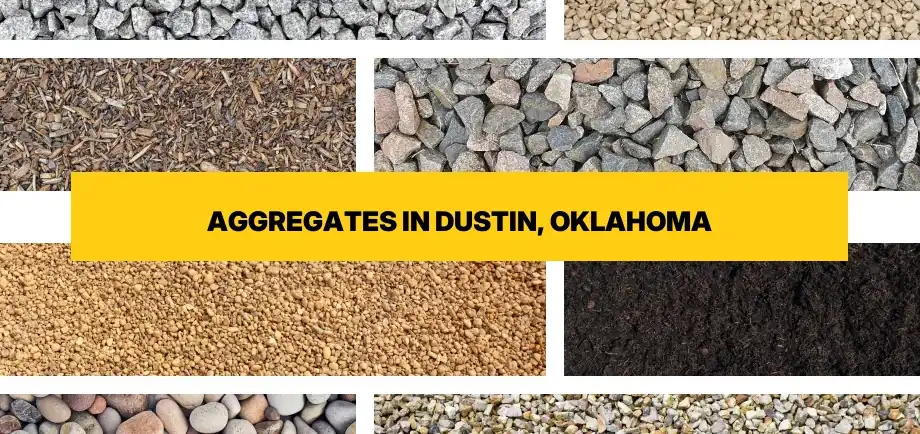
Complete Aggregate & Material Selection for Dustin Properties
Gravel Monkey stocks a full range of aggregates specifically suited for the unique soil conditions and climate challenges found in Dustin and Hughes County. From the expansive clay soils that dominate the region to seasonal rainfall that averages 42 inches annually, we understand what materials perform best in eastern Oklahoma.
- Driveway Gravel - Compactable aggregate designed for long-lasting rural driveways
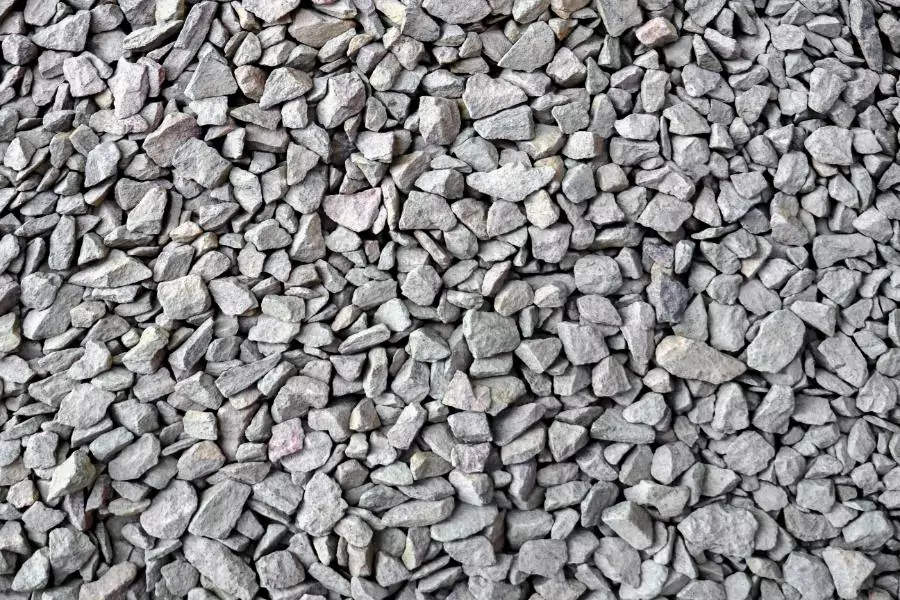
- 3/4 inch Crushed Stone - Versatile angular stone for foundations and base layers
- #57 Stone - Premium drainage aggregate for French drains and retaining walls
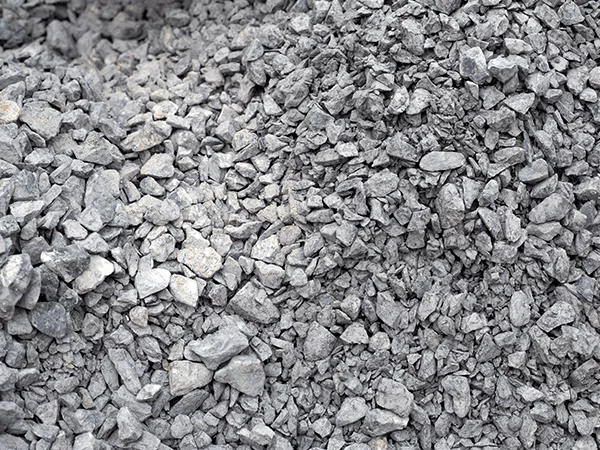
- Crusher Run - Superior compaction material for stable roadways and parking areas
- Road Base - Heavy-duty foundation for driveways and access roads
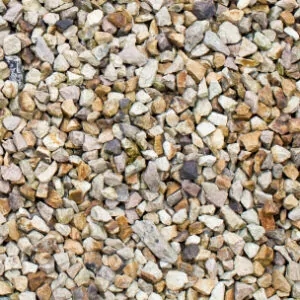
- Pea Gravel - Smooth decorative stone for pathways and garden beds
- River Rock - Natural rounded stone for aesthetic landscaping
- Walkway Gravel - Comfortable walking surface for garden paths
- Drain Rock - Large angular aggregate for superior water management
- Crushed Concrete - Eco-friendly recycled aggregate for base applications
- Topsoil - Nutrient-rich soil for gardens, lawns, and raised beds
- Fill Dirt - Essential material for grading and elevation adjustments
- Mason Sand - Fine sand for mortar mixing and paver installation
- Playground Sand - Safe, clean sand for play areas and sandboxes
- Washed Sand - Clean multipurpose sand for various applications
- Decomposed Granite - Natural pathway material that compacts beautifully
Serving Dustin and Surrounding Hughes County Communities
Our delivery territory covers the entire Dustin area and extends throughout eastern Oklahoma. We regularly serve properties near Lake Eufaula's northern shoreline, agricultural operations along the Canadian River bottomlands, and residential developments throughout this peaceful rural community.
Dustin sits in Hughes County where the terrain transitions from rolling prairie to wooded bottomlands. The geology here consists primarily of Pennsylvanian-age sandstone and shale formations overlaid with deep deposits of alluvial clay soils. These clay-rich soils present specific challenges for construction projects, making proper aggregate selection critical for long-term stability.
We also deliver to nearby communities including Hanna, Calvin, Stuart, Lamar, and McAlester, ensuring farmers, homeowners, and contractors throughout the region have access to quality aggregates. Whether your property borders the wooded areas near Brushy Creek or sits on the higher ground near Highway 75, we understand local soil conditions and can recommend the right materials for your specific location.
Understanding Dustin's Soil and Climate Conditions
Success with any aggregate project in Dustin requires understanding the local environment. The region experiences hot, humid summers with temperatures regularly exceeding 95°F and cold winters that can drop below freezing. Annual precipitation averages 42 inches, with peak rainfall occurring during spring and early summer months.
The dominant soil type throughout Dustin and Hughes County is Port-Eufaula clay, an expansive soil that swells when wet and shrinks during dry periods. This cyclical movement creates significant challenges for driveways, foundations, and hardscaping projects. The clay content can exceed 40%, making proper drainage and stable base materials absolutely essential.
Underlying these clay soils are sandstone and shale formations from the Pennsylvanian period. While these provide relatively stable bedrock, the deep weathered layers above create soft, compressible conditions that require substantial aggregate depth for stable construction. Properties in the Canadian River floodplain face additional challenges with seasonal high water tables and flood risk.
Aggregate Solutions for Common Dustin Projects
Driveway Construction on Clay Soils
Building a durable driveway in Dustin requires addressing the expansive clay soils that dominate the area. The proper approach involves excavating existing clay to a depth of 8-12 inches, then building up with layers of compactable aggregates. Start with a base layer of road base or crusher run, compacting it thoroughly to create a stable foundation that resists the movement of underlying clay.
For the surface layer, driveway gravel provides an attractive finish that handles both light residential traffic and heavier agricultural equipment common on rural properties. The angular particles interlock during compaction, creating a firm surface that resists rutting even during Oklahoma's wet spring seasons. Properties with steep grades or heavy equipment use may benefit from additional depth and more frequent compaction.
Drainage Systems for Wet Season Management
With 42 inches of annual rainfall concentrated in spring and early summer, effective drainage becomes critical for Dustin properties. Clay soils naturally drain poorly, allowing water to pond and creating muddy conditions that persist for days after rain events. The solution involves strategic placement of drainage aggregates that channel water away from structures and problem areas.
French drains using #57 stone work exceptionally well in these conditions. The uniform angular aggregate creates consistent void spaces that allow water to flow freely while preventing soil infiltration. Install drain rock around foundations to protect against water penetration and basement flooding during heavy rainfall periods. For agricultural properties, well-designed drainage using these aggregates can extend the working season by weeks each spring.
Foundation and Construction Base Preparation
Any structure built on Dustin's clay soils requires extensive base preparation. The 3/4 inch crushed stone provides an excellent foundation layer that distributes building loads while creating a capillary break that prevents moisture wicking from clay soils below. This angular aggregate compacts to a dense, stable surface that resists the differential settlement common when building on expansive clays.
For larger construction projects, consider using crusher run as a sub-base material. Its gradation from fine particles to larger stones allows it to compact into an extremely dense layer that approaches the stability of concrete. This makes it ideal for shop buildings, barns, equipment storage facilities, and other agricultural structures common throughout rural Hughes County.
Choosing the Right Aggregate for Your Dustin Project
Different projects require different aggregate characteristics. This comparison helps you select materials based on your specific needs and the unique conditions found in eastern Oklahoma.
| Aggregate Type | Best Applications | Compaction | Drainage | Clay Soil Performance |
|---|---|---|---|---|
| Crusher Run | Driveways, road base, parking areas | Excellent | Moderate | Superior stability on clay |
| Road Base | Heavy traffic areas, equipment pads | Excellent | Good | Resists clay movement well |
| 3/4 inch Crushed Stone | Foundations, general purpose | Very Good | Excellent | Good with proper depth |
| #57 Stone | Drainage, French drains, pipes | Poor | Excellent | Prevents clay infiltration |
| Driveway Gravel | Residential driveways, paths | Good | Good | Adequate with base layer |
| Pea Gravel | Decorative landscaping, walkways | Poor | Very Good | Decorative use only |
| Drain Rock | Foundation drains, erosion control | Poor | Excellent | Excellent water management |
| Decomposed Granite | Pathways, patios, natural look | Good | Good | Works with fabric barrier |
Aggregate Solutions for Hughes County Agriculture
Agriculture forms the backbone of Dustin's economy, with cattle ranching, hay production, and row crop farming dominating the landscape. These operations require reliable aggregates for numerous applications, from equipment access roads to livestock facilities.
Farm and ranch access roads must withstand heavy equipment traffic while maintaining functionality during wet weather. Crushed concrete provides a cost-effective solution that performs well under heavy loads. This recycled aggregate compacts firmly and resists rutting, making it ideal for roads accessing hay barns, cattle pens, and equipment storage areas. The angular particles interlock effectively, creating a stable surface even when moist.
Livestock facilities benefit significantly from proper aggregate use. Cattle pens and working facilities require excellent drainage to prevent muddy conditions that compromise animal health. A base layer of large drain rock covered with smaller driveway gravel creates a surface that drains rapidly while remaining comfortable for livestock. Equipment yards and turn-around areas need the heavy-duty support that road base provides, especially when supporting loaded hay trucks and tractors during harvest season.
Pond construction represents another common agricultural application in the Dustin area. Dam construction requires specific materials that compact well and resist seepage through the clay core. Fill dirt works well for building up pond levees, while crushed stone along spillways prevents erosion during overflow events. The combination of local clay soils with properly selected aggregates creates ponds that hold water reliably even during Oklahoma's summer drought periods.
Residential Property Improvements in Dustin
Homeowners in Dustin face unique challenges maintaining their properties on expansive clay soils. From driveway maintenance to landscaping projects, choosing appropriate materials makes the difference between lasting improvements and recurring problems.
Driveway repair and replacement represents the most common residential aggregate application. The constant expansion and contraction of clay soils creates cracks, potholes, and washouts in poorly constructed driveways. Proper repair involves removing failed material down to stable subgrade, installing a thick base of crusher run, and finishing with an attractive surface layer. This approach, while more expensive initially, eliminates the frustration of annual repairs and provides decades of reliable service.
Landscaping projects benefit from incorporating decorative aggregates. River rock creates attractive borders around flower beds and foundation plantings while providing excellent drainage that prevents water accumulation against house foundations. Pea gravel works beautifully for pathways through gardens, offering a comfortable walking surface that complements both traditional and contemporary landscape designs. The lighter colors of washed sand work well in children's play areas, staying cooler than darker aggregates during hot Oklahoma summers.
Yard grading and drainage correction often require substantial amounts of fill dirt to direct water away from foundations and eliminate low spots where water collects. The clay-rich native soil can then be amended with topsoil for establishing lawns and gardens. This two-material approach addresses both structural and horticultural needs, creating yards that both drain properly and support healthy plant growth.
Commercial and Municipal Aggregate Applications
Commercial contractors and municipal projects throughout Hughes County rely on quality aggregates for infrastructure development and maintenance. Road construction, utility installation, and site development all require specific material types and consistent quality.
Rural road maintenance consumes significant aggregate volumes in this agricultural county. Road base provides the structural strength needed for county roads that support heavy agricultural equipment, school buses, and emergency vehicles. Proper aggregate selection and installation extend pavement life and reduce maintenance costs. Winter weather maintenance becomes simpler when roads have adequate aggregate base that resists frost heaving and moisture damage.
Utility trench backfill represents another major aggregate use. Water line installations, electrical service upgrades, and fiber optic cable projects all require clean backfill materials. Washed sand and small crushed stone provide excellent bedding and backfill that compacts uniformly without damaging utility lines. These materials also facilitate future excavation when repairs become necessary.
Site development for new commercial construction requires multiple aggregate types. Foundation perimeter drainage using drain rock protects buildings from water intrusion. Parking areas need substantial road base installations to prevent failure under vehicle loads. Loading docks and truck access areas require even heavier aggregate sections to support fully loaded semi-trucks. Professional contractors throughout the Dustin area trust our aggregates for these critical applications.
Aggregate Installation Best Practices for Eastern Oklahoma
Successful aggregate projects require more than quality materials. Proper installation techniques adapted to local soil conditions ensure lasting performance and maximize your investment.
Site Preparation on Clay Soils
Begin every project by addressing the clay subgrade. Remove organic matter, topsoil, and unstable clay to reach firm bearing material. In some locations, this may require excavating 12-18 inches below final grade. The removed clay should be stockpiled away from the work area, as it will expand significantly if it becomes wet during construction.
Grade the subgrade to promote drainage, maintaining at least 2% slope to direct water away from structures and toward drainage areas. Compact the clay subgrade before placing aggregates, using a vibratory plate compactor for small areas or a roller for larger projects. This provides a stable platform that minimizes future settlement.
Aggregate Layer Installation
Install base aggregates in lifts no thicker than 4-6 inches. Thicker lifts prevent proper compaction, leaving soft spots that will fail under load. Use a vibratory compactor on each lift before adding the next layer. The goal is achieving 95% compaction throughout the entire aggregate section.
For driveways and parking areas on clay soils, plan for a minimum 8-inch aggregate depth, with 12 inches preferred for heavy use areas. This substantial depth distributes loads over a wider area and provides adequate separation from the expansive clay below. In areas with especially poor soils or high water tables, consider using geotextile fabric between the clay subgrade and base aggregate. This prevents clay intrusion into the aggregate while allowing water drainage.
Surface Layer and Finishing
The final surface aggregate should provide both functionality and appearance. For driveways, a 2-inch layer of well-graded driveway gravel over the compacted base creates an attractive, durable surface. Compact this top layer thoroughly, then apply light water during dry weather to help it set. Allow traffic only after the surface has fully compacted.
Maintain aggregate surfaces by adding fresh material every few years to replace fines that wash away. Edge the driveway or pathway to prevent lateral spreading. Spring and fall represent ideal times for maintenance, allowing repairs before weather extremes stress the surface.
Seasonal Considerations for Aggregate Projects in Dustin
Oklahoma's distinct seasons affect aggregate installation timing and methods. Understanding these patterns helps you plan projects for optimal results.
Spring brings abundant rainfall to eastern Oklahoma, with March through May typically receiving the heaviest precipitation. While this moisture supports plant growth, it complicates aggregate projects. Clay soils become saturated and unstable, making excavation difficult and compaction nearly impossible. However, spring remains an excellent time for planning and material ordering, positioning you for summer installation.
Summer offers the most favorable conditions for aggregate work. Hot temperatures and lower rainfall allow clay soils to dry, becoming firm enough for proper compaction. June through September provides the longest window for successful installation. The heat does require adequate hydration for workers and may necessitate watering aggregates to control dust during installation.
Fall represents the second-best installation season, with September and October offering mild temperatures and typically dry conditions. Completing projects before winter ensures proper settling before freeze-thaw cycles begin. Fall installation also allows spring rain to further compact and settle aggregates, resulting in excellent long-term performance.
Winter installation should be avoided when possible. Freezing temperatures prevent proper compaction, and frozen ground makes excavation extremely difficult. However, emergency repairs sometimes become necessary. In these cases, focus on temporary solutions using well-draining aggregates like #57 stone that don't require heavy compaction. Plan for permanent repairs once weather improves in spring.
Frequently Asked Questions About Gravel Delivery in Dustin, Oklahoma
We accommodate projects of all sizes in the Dustin area. While larger orders provide better value per ton, we understand that residential projects often require smaller quantities. Contact us to discuss your specific needs, and we will work to find the most cost-effective delivery solution for your project size.
Ensure the delivery truck can access your property safely, with adequate clearance for large vehicles. Mark the desired delivery location clearly, preferably on firm, level ground. If delivering to a driveway or construction site, verify that the ground is dry and stable enough to support a loaded truck. Our drivers will work with you to place material in the most convenient location accessible by our trucks.
We can deliver during light rain, but heavy rainfall or saturated ground conditions may require rescheduling to prevent property damage from heavy trucks. Clay soils in the Dustin area become extremely soft when wet, creating ruts and compaction issues. We will work with you to schedule delivery during the best possible conditions for your property.
While not always necessary, being present for delivery ensures material is placed exactly where you want it. If you cannot be present, provide clear instructions regarding placement location and any access considerations. Photograph or mark the desired spot clearly, and ensure our driver can safely access the area without guidance.
For the expansive clay soils common in Dustin and Hughes County, plan for a minimum 8-inch aggregate depth, with 12 inches recommended for heavier vehicles or problem soils. This should consist of a compacted base layer of crusher run or road base, topped with 2-3 inches of driveway gravel for the surface. Proper depth prevents the clay movement below from affecting your driveway surface.
Measure the length and width of your project area in feet, then multiply by the desired depth in feet to get cubic feet. Divide by 27 to convert to cubic yards. For example, a 50-foot by 12-foot driveway with 8-inch depth equals 50 x 12 x 0.67 = 402 cubic feet, divided by 27 = 14.9 cubic yards. Our team can verify your calculations and recommend the right amount for your specific project and soil conditions.
Geotextile fabric provides significant benefits when installing aggregates over clay soils like those in the Dustin area. The fabric prevents clay from working up into the aggregate during wet weather while allowing water to drain. For driveways and other high-use areas on clay soils, fabric installation extends aggregate life substantially and is highly recommended, though not absolutely required for all applications.
Both materials work well as base aggregates, and the terms are sometimes used interchangeably. Crusher run typically contains a wider gradation from fines to larger stones, making it compact exceptionally well. Road base may have more controlled gradation specifications required for highway work. For most Dustin residential and agricultural applications, either material provides excellent performance when properly installed and compacted.
Environmental Stewardship and Sustainable Aggregate Use
Responsible aggregate sourcing and use benefits both your project and the broader Hughes County environment. We prioritize materials and practices that minimize environmental impact while delivering superior performance.
Recycled aggregates like crushed concrete reduce demand for newly quarried materials while providing excellent performance for many applications. This recycled material diverts concrete from landfills and reduces the energy consumption associated with producing new aggregates. For base applications, driveways, and farm roads, crushed concrete performs identically to virgin aggregates at a lower environmental cost.
Proper drainage design using aggregates protects water quality in local streams and Lake Eufaula. Well-designed systems capture and filter runoff before it enters waterways, removing sediment and pollutants. French drains and detention basins using drain rock and #57 stone help manage stormwater while recharging groundwater supplies that support both agricultural and municipal water needs.
Erosion control represents another environmental benefit of proper aggregate use. Vegetated waterways stabilized with river rock prevent soil loss during heavy rains while maintaining natural drainage patterns. Properly constructed aggregate roads and parking areas reduce erosion compared to bare soil or poorly maintained surfaces. These practices protect both your investment and the natural environment that makes rural Oklahoma attractive.
Your Trusted Aggregate Supplier in Dustin
Gravel Monkey provides professional aggregate delivery throughout Dustin, Hughes County, and eastern Oklahoma. Our comprehensive material selection, free delivery, and expert guidance help ensure project success regardless of scale or complexity. From small residential landscaping projects to major agricultural and commercial developments, we supply the aggregates you need with the service you deserve.
Our understanding of local soil conditions, climate challenges, and construction practices comes from years of serving eastern Oklahoma communities. We know how expansive clays behave during wet seasons, what aggregate depths work best for different applications, and how to help customers avoid the common pitfalls that plague projects on challenging soils.
Contact Gravel Monkey today to discuss your aggregate needs. Whether you are planning a new driveway, improving drainage, constructing agricultural facilities, or tackling any project requiring quality bulk materials, our team is ready to help. We will help you select the right materials, calculate accurate quantities, and schedule prompt delivery to your Dustin property. Experience the difference that quality aggregates and professional service make for your next project.

Need help? Reach out for a quote: