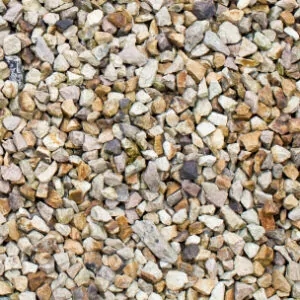

Shop Sand, Stone & Gravel in Duke, Oklahoma
Local Topsoil, Dirt, Sand, Rocks and Gravel near me in Duke, Oklahoma
Shop Aggregates for Delivery in Duke
Order online for free delivery to any Duke address.
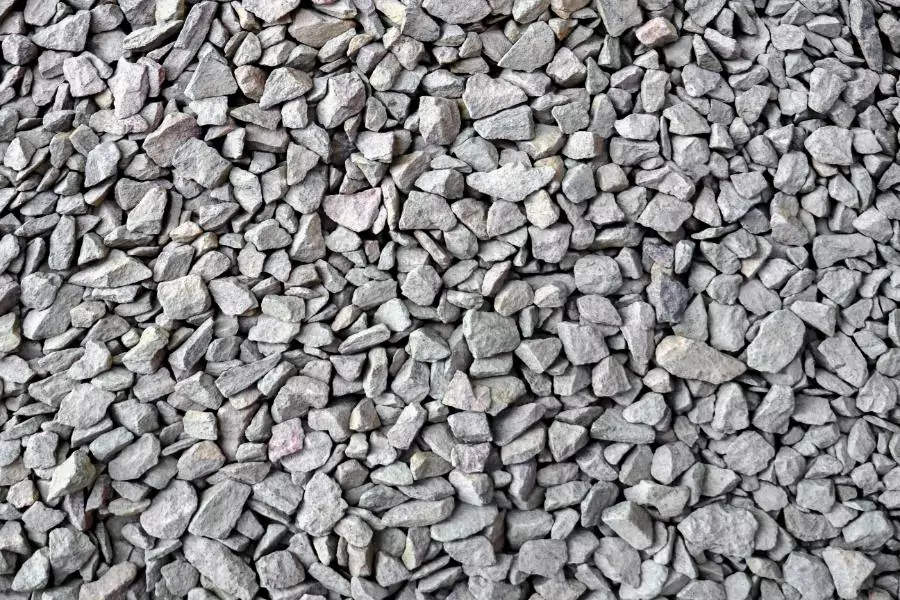
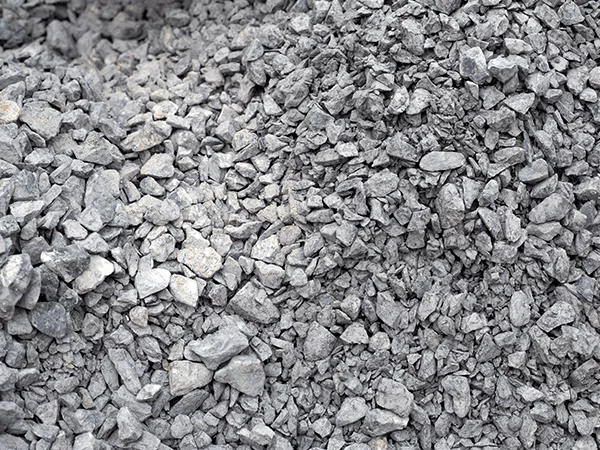


Gravel Monkey delivers premium aggregates and landscaping materials directly to properties throughout Duke, Oklahoma, and the surrounding Jackson County area. Whether you're building a new driveway on the west side of town, improving drainage near the Duke school campus, or creating outdoor spaces on your rural property, we provide the quality materials you need with free delivery. Our comprehensive selection of gravel, stone, sand, and soil products helps Duke homeowners and contractors tackle any project in this agricultural community located in the heart of southwestern Oklahoma.
Complete Aggregate Selection for Duke Properties
Duke's location in the red bed plains of Oklahoma requires specific materials that perform well in local soil conditions. Our aggregate inventory addresses the unique challenges of southwestern Oklahoma's clay-heavy soil, temperature extremes, and seasonal weather patterns. From foundation materials to decorative landscaping stone, we supply everything needed for residential and agricultural projects across the Duke area.
- Driveway Gravel - Engineered for long-lasting rural and residential driveways
- 3/4 inch Crushed Stone - Versatile aggregate for multiple construction applications
- #57 Stone - Premium angular stone for drainage and concrete work
- Crusher Run - Superior compaction for stable base layers
- Road Base - Professional-grade material for driveways and access roads
- Drain Rock - Essential for managing water flow in clay soil
- Pea Gravel - Smooth stone perfect for walkways and gardens
- River Rock - Natural decorative stone in multiple sizes
- Walkway Gravel - Specially sized for comfortable pedestrian paths
- Crushed Concrete - Eco-friendly recycled aggregate option
- Decomposed Granite - Natural pathway and landscaping material
- Topsoil - Nutrient-rich soil for gardens and lawns
- Fill Dirt - Essential for grading and leveling projects
- Mason Sand - Fine sand for construction and masonry
- Playground Sand - Clean, safe sand for play areas
- Washed Sand - Clean sand for various applications
Understanding Duke's Unique Soil and Climate Conditions
Duke sits in the Central Great Plains region where Permian red bed deposits create the characteristic reddish clay soil found throughout southwestern Oklahoma. This clay-heavy soil, rich in iron oxide, presents specific challenges for construction and landscaping projects. The soil's high clay content means it retains moisture during Duke's wet spring months, typically from April through June when the area receives the majority of its 28 inches of average annual rainfall. During summer heat waves that can push temperatures above 100 degrees Fahrenheit, this same clay soil shrinks and cracks, creating ground movement that affects foundations and driveways.
The geology of Jackson County consists primarily of Permian-age sedimentary rocks overlain by Quaternary alluvium. This substrate contributes to moderately alkaline soil conditions with pH levels typically ranging from 7.5 to 8.0. When planning landscaping or construction projects around Duke, these soil characteristics require proper aggregate selection for drainage, foundation stability, and long-term performance. Properties throughout the Duke area benefit from materials that address both water management during wet periods and structural support during dry soil contraction phases.
Seasonal Weather Impacts on Aggregate Selection
Duke experiences a humid subtropical climate with distinct seasonal variations. Summer temperatures average in the mid-90s, creating thermal expansion concerns for hardscape materials. Winter lows occasionally dip into the teens, though the area sees minimal snowfall averaging just 4 inches annually. The real challenge comes from severe weather patterns common to southwestern Oklahoma, including intense thunderstorms that can drop several inches of rain in hours, creating rapid runoff and drainage issues on properties with inadequate aggregate systems.
Spring tornadoes and severe thunderstorms are part of life in Jackson County, making durable, well-installed aggregate bases essential for outdoor structures and access roads that may need quick post-storm repairs. The combination of heavy spring rains, hot summers with occasional drought conditions, and temperature swings means Duke property owners need aggregates that remain stable across diverse weather conditions throughout the year.
Serving Duke and Surrounding Jackson County Communities
While Duke maintains a compact town center, we proudly serve properties throughout the broader area, including rural properties, farms, and ranches that make up the agricultural landscape of southwestern Oklahoma. Our delivery service extends throughout Jackson County to neighboring communities and rural routes surrounding Duke.
Duke Service Areas Include:
- Central Duke - Historic downtown area and established residential neighborhoods near the school campus
- West Duke - Newer residential development and agricultural properties extending toward the county line
- East Duke Properties - Rural homes and farmsteads along Highway 62
- North Duke Agricultural Areas - Working farms and ranches north of the town center
- South Duke Rural Routes - Properties and homesteads in southern Jackson County areas
We also deliver throughout surrounding communities including Altus, Olustee, Eldorado, Martha, Headrick, and Friendship, ensuring that all Jackson County residents have access to quality aggregates delivered directly to their property.
Agricultural and Residential Applications for Duke Aggregates
Duke's economy centers on agriculture, with cattle ranching and farming dominating the local landscape. This agricultural focus creates specific aggregate needs different from urban areas. Ranch roads need durable materials that withstand heavy equipment traffic during harvest seasons. Barn foundations require proper drainage to prevent moisture accumulation. Residential properties often feature long rural driveways that demand cost-effective yet long-lasting aggregate solutions.
Farm and Ranch Applications
Agricultural properties around Duke use aggregates for multiple critical applications. Equipment yards need compacted bases that support the weight of tractors and combines without rutting during wet weather. Livestock areas benefit from well-drained surfaces that reduce mud and improve animal health. Feed storage areas require stable, clean foundations. Our range of aggregates addresses each of these needs with materials proven effective in southwestern Oklahoma's agricultural environment.
Road base and crusher run provide excellent options for farm roads that must handle heavy equipment loads year-round. These materials compact firmly in Duke's clay soil and maintain structural integrity even during spring rains. For areas around barns and outbuildings where drainage is critical, drain rock creates effective solutions that channel water away from structures while providing stable footing for animals and equipment.
Residential Driveway Solutions
Residential driveways in Duke face unique challenges from the combination of clay soil and weather extremes. A proper driveway installation starts with adequate excavation to remove unstable clay, followed by base layers of compacted aggregate, and topped with surface materials sized for vehicle traffic. Many Duke homeowners find that a combination approach works best - road base or crusher run as the foundation layer, topped with smaller crushed stone that provides both traction and drainage.
Long rural driveways common in Jackson County require careful planning to manage drainage and prevent washboarding or rutting. Strategic placement of drain rock in culverts and low spots prevents water accumulation that deteriorates driveway surfaces. Regular maintenance with fresh aggregate every few years keeps rural driveways functional and prevents costly complete rebuilds.
Choosing the Right Aggregate for Your Duke Project
Selecting appropriate materials depends on your specific application, site conditions, and budget. This comparison helps Duke property owners understand which aggregates work best for common projects in southwestern Oklahoma.
| Material Type | Best Applications | Drainage Rating | Compaction | Duke Climate Suitability |
|---|---|---|---|---|
| Crusher Run | Driveway base, foundation prep | Good | Excellent | Ideal for clay soil |
| Road Base | Farm roads, long driveways | Good | Excellent | Handles heavy loads |
| 3/4 inch Crushed Stone | Driveway surface, pathways | Excellent | Good | All-weather performance |
| #57 Stone | Drainage systems, concrete | Excellent | Moderate | Superior drainage |
| Drain Rock | French drains, foundation | Superior | Low | Manages heavy rain |
| Pea Gravel | Walkways, landscaping | Very Good | Low | Decorative, functional |
| River Rock | Landscaping, erosion control | Good | None | Heat resistant |
| Decomposed Granite | Paths, patios, mulch | Moderate | Good | Natural appearance |
| Crushed Concrete | Base layer, fill | Good | Very Good | Cost-effective, eco-friendly |
Critical Drainage Solutions for Duke's Clay Soil
Effective water management is essential for Duke properties due to the predominant clay soil that characterizes Jackson County. Clay's low permeability means water doesn't naturally drain through the soil profile. Instead, it moves across the surface or accumulates in low spots, creating problems ranging from muddy yards to foundation damage. Proper aggregate-based drainage systems are not optional extras but necessary infrastructure for Duke properties.
French Drain Systems
French drains effectively manage subsurface water around Duke foundations, along property lines, and in areas where water naturally accumulates. These systems use perforated pipe surrounded by drain rock, typically with a fabric barrier to prevent soil intrusion. The angular structure of drain rock creates void spaces that allow water to flow freely toward the drain pipe, where it's carried away from problem areas. For Duke's clay soil, French drains installed 18-24 inches deep capture water before it can create surface issues or threaten foundation stability.
Surface Drainage Strategies
Surface water management uses gravel channels, swales, and properly graded aggregate surfaces to direct runoff away from structures and toward appropriate discharge points. During Duke's spring thunderstorms, which can produce 2-3 inches of rain in an hour, these surface drainage systems become critical for protecting property. Crushed stone in drainage swales creates defined channels that move water efficiently while preventing soil erosion that would occur with bare earth channels.
Culvert installations under driveways require proper aggregate bedding and backfill to maintain structural integrity and maximize flow capacity. Using clean angular stone around culvert pipes prevents settling while allowing water to enter and exit efficiently. This approach proves especially important for the long rural driveways common around Duke, where multiple culvert crossings may be necessary to manage water flowing across roadways during heavy rains.
Aggregate Installation Best Practices for Duke Projects
Successful aggregate installations in Duke require understanding local soil conditions and following proven techniques that account for southwestern Oklahoma's unique challenges. Whether you're installing a new driveway, creating drainage systems, or building farm roads, proper installation methods ensure long-term performance and minimize maintenance needs.
Site Preparation Fundamentals
All aggregate projects begin with thorough site preparation. Remove vegetation and organic topsoil, which compresses over time and creates settling problems. For driveways and heavy-use areas, excavate 6-12 inches deep through the clay layer to reach more stable subsoil. This depth varies depending on soil conditions and intended use. Properties with particularly problematic expansive clay may benefit from deeper excavation and thicker aggregate layers.
Grade the prepared area to establish proper drainage away from buildings and toward designated discharge points. Even slight slopes of 1-2% provide sufficient fall for water movement, preventing accumulation that deteriorates aggregate surfaces. In flat areas common around Duke, creating positive drainage may require building up surfaces rather than excavating down.
Layer Installation Methods
Professional installations use multiple aggregate layers, each serving specific functions. Base layers of larger material like road base or crusher run provide structural support and create a working platform. These base materials should be spread in 4-6 inch lifts and compacted thoroughly using a vibrating plate compactor or roller. Proper compaction is essential - loose aggregate lacks the load-bearing capacity needed for driveways or parking areas.
Surface layers use smaller, cleaner stone sized appropriately for the intended traffic. For driveways, 3/4 inch crushed stone provides excellent vehicle traction and drainage. Walkways benefit from smaller pea gravel or decomposed granite that's comfortable underfoot. Each layer must be compacted before adding the next to prevent future settling and surface irregularities.
Moisture Management During Installation
Installing aggregates in Duke's clay soil requires attention to moisture conditions. Overly wet clay becomes unstable and won't support equipment or compact properly. Overly dry conditions create dust and make compaction difficult. Ideally, schedule aggregate work during dry periods when soil moisture is moderate. If working during or after rain, allow time for surface water to drain before beginning excavation or aggregate placement.
Some contractors lightly mist aggregate during compaction to help particles lock together, but excessive water should be avoided as it creates mud in the underlying clay. The goal is achieving optimal moisture content where aggregates compact firmly without excess water that would soften the subgrade.
Maintaining Aggregate Surfaces in Southwestern Oklahoma
Proper maintenance extends the life of aggregate installations and prevents minor issues from becoming major problems. Duke's weather patterns and soil conditions create specific maintenance needs that property owners should understand and address regularly.
Essential Maintenance Practices:
- Regular grading - Blade or rake gravel driveways annually to redistribute material and restore crown for drainage
- Addition of fresh aggregate - Add new material every 2-3 years to replace what's been lost to displacement or embedding in clay soil
- Weed control - Remove vegetation promptly to prevent root systems from destabilizing aggregate layers
- Pothole repair - Fill depressions immediately to prevent expansion during rain events
- Edge maintenance - Keep aggregate contained with edging or borders to prevent lateral spreading
- Drainage cleaning - Clear culverts and drainage channels of debris before storm seasons
Seasonal Maintenance Considerations
Spring maintenance focuses on repairing winter damage and preparing drainage systems for heavy rain season. Inspect all gravel surfaces for low spots or areas where aggregate has washed away, adding material before spring storms arrive. Clean drainage swales and culverts to ensure maximum flow capacity during April and May when rainfall peaks.
Summer maintenance addresses issues from thermal expansion and drought conditions. Heat causes clay soil to shrink, potentially creating voids under aggregate surfaces. Fill any settled areas promptly. During dry spells, light watering before grading helps control dust and improves compaction of fresh aggregate additions.
Fall preparation involves final grading to establish proper drainage patterns before winter and adding aggregate to high-traffic areas that will see increased use during hunting season and holiday gatherings common on Duke area properties. Winter requires minimal maintenance but does demand monitoring of drainage during any significant rain or snowmelt events to prevent ice formation or erosion issues.
Sustainable Aggregate Practices for Duke Properties
Environmental stewardship matters to Duke's agricultural community, where land productivity directly impacts livelihoods. Sustainable aggregate selection and installation practices protect water quality, preserve topsoil, and minimize environmental impact while meeting functional needs.
Erosion Control and Water Quality
Properly installed aggregate systems actually improve water quality by reducing erosion and sediment transport. Gravel roads and driveways prevent the soil loss common with bare earth surfaces during heavy rains. Stone-lined drainage channels move water efficiently without the scouring that creates gullies in unprotected areas. For properties near ponds, creeks, or seasonal waterways, aggregate approaches help maintain water clarity by preventing soil from washing into water bodies.
Choosing appropriate aggregates for specific applications maximizes environmental benefits. Angular crushed stone used in drainage applications creates more void space than rounded gravel, allowing better water infiltration and reducing runoff velocity. This slower water movement gives more time for infiltration and reduces downstream flooding impacts during storm events.
Recycled Aggregate Options
Crushed concrete represents an environmentally responsible aggregate choice for many Duke applications. This recycled material performs comparably to virgin stone in base applications while diverting concrete waste from landfills. The material compacts well, provides good drainage, and costs less than quarried stone - a practical option for budget-conscious Duke property owners who also value sustainability.
Using recycled aggregates demonstrates environmental responsibility without sacrificing performance. For farm roads, equipment yards, and driveway base layers, crushed concrete delivers the structural properties needed while reducing the environmental footprint of your project. The material's slight alkalinity even helps neutralize acidic conditions that can develop in certain soil profiles.
Frequently Asked Questions About Gravel in Duke, Oklahoma
We deliver a complete range of aggregates including driveway gravel, crushed stone, #57 stone, crusher run, road base, pea gravel, river rock, drain rock, decomposed granite, crushed concrete, plus topsoil, fill dirt, and multiple sand varieties throughout Duke and surrounding Jackson County areas.
Yes! Gravel Monkey provides FREE delivery to Duke and the surrounding southwestern Oklahoma area for all gravel, aggregates, and landscaping material orders.
Calculate length times width times depth in feet, then divide by 27 for cubic yards. For driveways, we recommend 3 to 4 inches of depth. Our team can help estimate the right amount for your specific Duke project based on local soil conditions.
Crusher run and three-quarter inch crushed stone are excellent choices for Duke driveways. They compact well in our red clay soil, provide good drainage during heavy rains, and handle temperature fluctuations from hot summers to occasional winter freezes.
We strive to accommodate same-day delivery requests in Duke when possible. Contact us early in the day to check availability for your specific aggregate needs.
We offer mason sand for construction projects, playground sand for safe play areas, and washed sand for various applications. All sand products are delivered free to Duke properties.
Yes, Duke sits in an area with predominantly red clay soil that can hold water and expand when wet. Using proper drainage aggregates like drain rock, along with quality topsoil for planting areas, helps manage these soil conditions effectively.
River rock and larger crushed stone work well for erosion control in Duke, especially along drainage areas. These materials allow water to flow while preventing soil washout during the heavy spring and summer storms common to southwestern Oklahoma.
Professional Aggregate Delivery Throughout Duke and Jackson County
Gravel Monkey understands the specific challenges Duke property owners face with southwestern Oklahoma's clay soil, weather extremes, and agricultural demands. Our comprehensive aggregate selection provides solutions for every project, from residential driveways to farm roads, from drainage systems to decorative landscaping. With free delivery throughout Duke and surrounding Jackson County communities, quality materials are just a phone call away.
Our knowledge of local conditions helps Duke customers select the right aggregates for their specific needs and site conditions. Whether you're improving a historic property near downtown Duke, building new infrastructure on your ranch, or maintaining farm roads that support your agricultural operation, we deliver the materials you need when you need them. Contact us today to discuss your project and discover why Duke area property owners trust Gravel Monkey for all their aggregate needs.

Need help? Reach out for a quote: