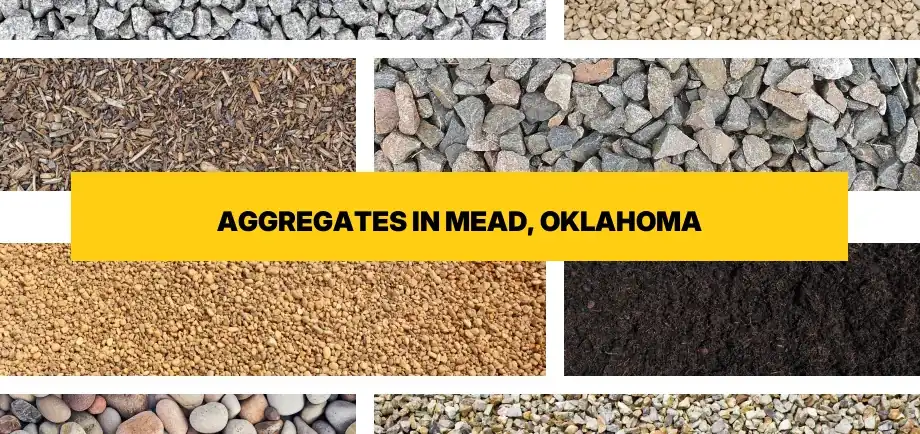
Bulk Aggregate & Gravel Products in Mead, Oklahoma
Local Topsoil, Dirt, Sand, Rocks and Gravel near me in Mead, Oklahoma
Shop Aggregates for Delivery in Mead
Order online for free delivery to any Mead address.
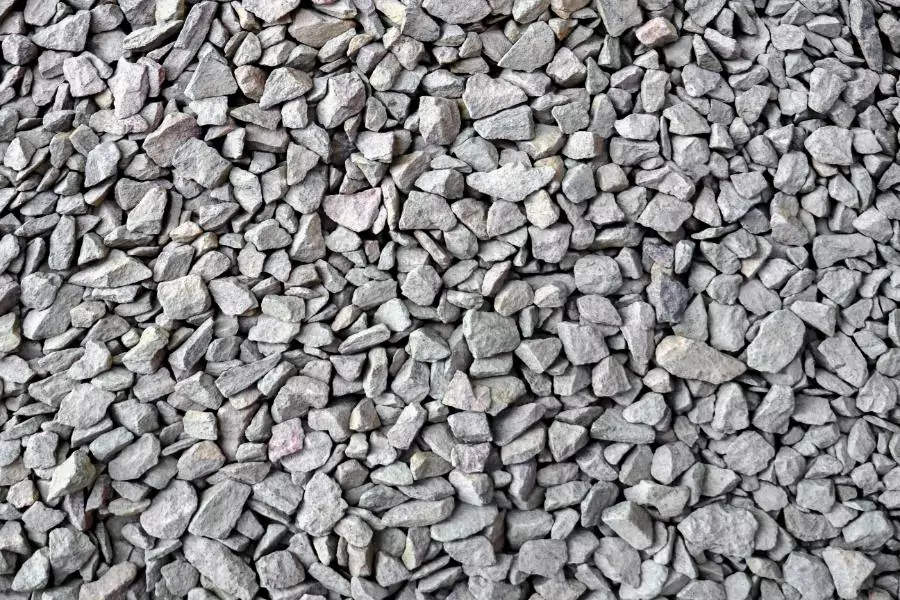
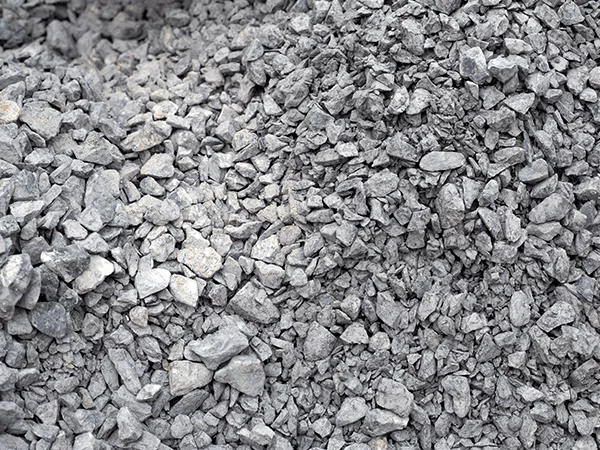


Gravel Monkey delivers premium aggregates and construction materials directly to properties throughout Mead, Oklahoma. Located in the heart of Bryan County near the Texas border and Lake Texoma, Mead sits in an area known for its red clay soils and agricultural heritage. Whether you are improving a rural driveway, installing drainage systems to manage Oklahoma's heavy spring rains, or starting a construction project, we provide free delivery of high-quality aggregates including crushed stone, gravel, sand, and fill materials to every corner of this tight-knit community.
Complete Aggregate Selection for Mead Properties
Our comprehensive inventory serves the unique needs of Mead homeowners, farmers, and contractors. From residential driveways to agricultural applications, we stock materials designed to perform in southern Oklahoma's challenging climate and soil conditions:
- Driveway Gravel - Premium base material for long-lasting rural driveways
- 3/4 inch Crushed Stone - Versatile angular aggregate for drainage and foundations
- #57 Stone - Standard construction aggregate for concrete and drainage projects
- Crusher Run - Compactable blend perfect for driveway bases and parking areas
- Road Base - Heavy-duty foundation material for roads and commercial driveways
- Pea Gravel - Smooth decorative stone for walkways and landscaping features
- River Rock - Natural rounded stone for aesthetic landscaping applications
- Drain Rock - Angular stone engineered for optimal water flow and drainage systems
- Crushed Concrete - Eco-friendly recycled aggregate for sustainable projects
- Decomposed Granite - Natural pathway material that compacts firmly
- Topsoil - Rich growing medium for gardens and lawn establishment
- Fill Dirt - Clean fill material for grading and leveling projects
- Mason Sand - Fine sand for masonry work and concrete mixing
- Playground Sand - Clean, safe sand for play areas and sandboxes
- Washed Sand - Clean sand for construction and landscaping applications
Understanding Mead's Soil and Climate Challenges
Mead sits in the Coastal Plain geological region where red clay soils dominate the landscape. These Port-Ashwood clay soils are highly expansive, meaning they swell when wet and shrink when dry. This characteristic creates significant challenges for driveways, foundations, and construction projects throughout southern Oklahoma. The area receives approximately 42 inches of annual rainfall, with the heaviest precipitation occurring during spring months from April through June.
Summer temperatures routinely exceed 95 degrees Fahrenheit, causing clay soils to crack and shift. Winter freezes, while less severe than northern Oklahoma, still create freeze-thaw cycles that impact aggregate performance. The proximity to Lake Texoma moderates temperatures slightly but increases humidity, affecting how materials compact and cure. These conditions make proper aggregate selection and drainage planning essential for any outdoor project in Mead.
The local geology also means many properties have limited natural drainage. Low-lying areas near Shawnee Creek and small tributaries feeding Lake Texoma can experience seasonal flooding. Properties throughout the rural community need properly designed drainage systems using angular aggregates that prevent water accumulation while resisting the erosive forces of Oklahoma thunderstorms. Understanding these local challenges helps property owners select the right materials for lasting results.
Driveway Aggregates Built for Bryan County Conditions
Rural Mead driveways face unique demands. Long access roads connecting to Highway 70 or local farm roads need materials that withstand heavy equipment, prevent rutting during wet periods, and resist washout during intense spring storms. The red clay base common throughout the area compounds these challenges by becoming slick when wet and hard as concrete when dry.
For optimal driveway performance in Mead, we recommend starting with a proper base layer. Road base provides exceptional stability for driveways serving agricultural equipment or multiple vehicles. This engineered material compacts to create a solid foundation that resists the expansion and contraction of underlying clay soils. For residential driveways with lighter traffic, crusher run offers excellent compaction at a more economical price point.
The top surface layer requires angular aggregates that lock together and shed water effectively. Properties near the Lake Texoma area or along Shawnee Creek often choose our 3/4 inch crushed stone for its superior drainage characteristics. The angular edges interlock to create a stable driving surface that resists displacement even under heavy loads. This material works particularly well for the longer driveways common in rural Bryan County, where grading and maintenance access can be challenging.
Drainage Solutions for Oklahoma's Heavy Rainfall
Managing water flow is critical throughout Mead, where spring thunderstorms can drop several inches of rain in hours. Properties without proper drainage systems experience erosion, foundation settling, and persistent mud problems. The clay-heavy soils naturally retain water, creating standing water issues that damage driveways, kill vegetation, and attract mosquitoes.
French drains and foundation drainage systems require specific aggregates for optimal performance. Our drain rock features clean, angular stones sized to allow maximum water flow while preventing fine soil particles from clogging the system. This material surrounds perforated drainage pipes, creating channels that quickly move water away from structures and problem areas. The angular shape prevents compaction over time, maintaining drainage capacity for years.
For projects near Lake Texoma or in low-lying areas prone to seasonal flooding, proper aggregate selection becomes even more critical. Many Mead properties use #57 stone around foundations and beneath structures to create drainage layers that protect against water damage. This uniform aggregate allows water to flow freely while supporting significant weight, making it ideal for foundation drains, crawl space drainage, and retaining wall backfill.
Choosing the Right Aggregate for Your Mead Project
Different projects require different materials. Understanding aggregate characteristics helps ensure successful outcomes:
| Aggregate Type | Best Applications | Compaction | Drainage Rating |
|---|---|---|---|
| Crusher Run | Driveway base, parking areas | Excellent | Good |
| Road Base | Heavy-duty roads, commercial drives | Superior | Good |
| 3/4" Crushed Stone | Drainage, driveway surface | Very Good | Excellent |
| #57 Stone | Concrete aggregate, drainage | Moderate | Excellent |
| Drain Rock | French drains, foundation drainage | Low | Superior |
| Pea Gravel | Decorative landscaping, pathways | Low | Very Good |
| Decomposed Granite | Walkways, natural pathways | Good | Moderate |
| Crushed Concrete | Base material, eco-friendly projects | Very Good | Good |
Decorative Aggregates for Southern Oklahoma Landscapes
While Mead is primarily an agricultural community, property owners increasingly invest in attractive outdoor spaces that complement the natural beauty of southern Oklahoma. Decorative aggregates provide low-maintenance alternatives to traditional grass lawns, especially in areas where clay soils and summer heat make lawn establishment difficult.
For walkway gravel applications, materials need to be comfortable underfoot while resisting displacement. Properties near the lake use decorative stone to create pathways connecting docks to main buildings or linking outdoor entertainment areas. The consistent size and smooth edges make walking comfortable while the natural colors complement Oklahoma's landscape palette of reds, browns, and earth tones.
Water features and dry creek beds gain natural appearance with river rock, though our river rock actually works better in Mead's climate than materials harvested from actual riverbeds. The tumbled stone maintains its appearance through freeze-thaw cycles and doesn't fade under intense summer sun. Garden borders, tree rings, and planter beds benefit from the contrast between smooth river rock and the angular crushed materials used for driveways and pathways.
Desert-style landscaping has gained popularity throughout southern Oklahoma due to drought concerns and water conservation initiatives. Our decomposed granite creates firm, natural-looking pathways that require minimal maintenance. This material compacts well, resists erosion, and develops a hardpan surface over time that remains permeable to water. Properties throughout rural Bryan County use decomposed granite for extensive pathway systems that connect buildings, gardens, and outdoor work areas.
Construction and Agricultural Aggregates
Mead's agricultural heritage means many properties need aggregates for working structures rather than purely aesthetic purposes. Barn pads, equipment storage areas, and livestock facilities require materials that provide stable footing while managing the manure, mud, and moisture associated with farming operations. These applications demand different characteristics than residential landscaping projects.
Equipment pads and machinery storage areas need extremely stable bases that won't shift under concentrated loads from tractors, combines, or other heavy farm equipment. Many Mead farmers choose crushed concrete for these applications. The recycled material provides exceptional load-bearing capacity at lower cost than virgin aggregates. The material compacts firmly, creating a surface that resists rutting even under heavy equipment while managing rainfall effectively.
Livestock areas present unique challenges. Gates, feed stations, and high-traffic zones around barns become mud pits during wet weather without proper aggregate coverage. The clay soils hold moisture and get churned by animal traffic into deep, sticky mud that's difficult to manage. Coarse aggregates like crushed stone provide drainage while creating firm footing. The material needs sufficient size to resist migration into underlying clay but remain comfortable for livestock. Many operations around Mead use three-quarter inch material in these applications for the optimal balance of drainage, stability, and animal comfort.
For concrete work throughout Bryan County, proper aggregate selection affects strength, workability, and longevity. Our sand products serve different purposes in construction. Mason sand provides the fine particles needed for mortar and concrete mixing, creating smooth workable mixes that cure to full strength. Washed sand offers clean material free from clay and organic matter that could compromise concrete integrity. These materials meet specifications for construction projects ranging from small residential repairs to larger agricultural building projects.
Serving Properties Throughout the Mead Area
Our delivery service covers all areas around Mead and surrounding Bryan County communities. Whether your property sits along Highway 70 providing easy access, on rural roads near Shawnee Creek, or in lake communities approaching Lake Texoma, we deliver aggregates where you need them. The small-town nature of Mead means most residents know their neighbors and often coordinate material deliveries for efficiency.
Properties in the northern section approaching Kingston and the lake area often need materials for recreational structures, boat storage, and seasonal home improvements. The proximity to Lake Texoma makes these properties popular for weekend retreats and vacation homes. Aggregate needs often include decorative materials for landscaping, driveway gravel for seasonal access roads, and drainage solutions for properties in lower elevations near the water.
The central agricultural area around the town center focuses on farming operations and livestock management. Properties here typically need larger quantities of functional aggregates for barn pads, feed lots, and farm road maintenance. The red clay soil requires regular attention to keep driveways passable during wet seasons. Many farmers in this area order materials in bulk during fall months before winter weather makes delivery and installation more challenging.
Southern Mead properties closer to the Texas border and Colbert area often feature larger parcels with extensive driveways and multiple structures. These properties may have equipment sheds, workshops, guest houses, and other buildings requiring aggregate around foundations, for drainage systems, and for access roads. The distance from paved roads means proper driveway construction becomes essential for year-round property access.
We also serve nearby communities including Durant to the west, Kingston to the north, and Colbert to the south. Properties throughout southern Oklahoma benefit from our free delivery service and local knowledge of soil conditions, drainage challenges, and material performance in this unique climate zone.
Proper Aggregate Installation for Long-Term Performance
Delivering quality materials is only the first step. Proper installation techniques ensure aggregates perform as intended through Oklahoma's challenging seasons. Many Mead property owners handle installation themselves, while others hire local contractors familiar with southern Oklahoma conditions. Understanding proper techniques helps achieve professional results regardless of who performs the work.
Site preparation determines long-term success. Removing organic topsoil prevents decomposition that causes settling. In Mead's clay-heavy soils, excavation typically needs to reach stable subgrade, often 6 to 8 inches below the finished surface for driveways. The excavated area needs proper grading to direct water away from structures and toward designated drainage areas. Without adequate slope, even the best aggregates will fail as water ponds and undermines the base.
Base layers require different aggregates than surface layers. Starting with road base or crusher run creates a stable foundation that resists the expansion and contraction of underlying clay. These materials include fines that fill voids when compacted, creating a near-solid base. Mechanical compaction using a vibrating plate compactor or roller ensures proper density. In southern Oklahoma's summer heat, light water application during compaction helps achieve maximum density without creating a soupy mess.
Surface layers need angular aggregates that interlock and shed water. Installing these materials in multiple lifts with compaction between layers creates stronger results than dumping the entire quantity and attempting to compact all at once. For driveways, a final surface layer of 2 to 3 inches of crushed stone provides the wearing surface that handles traffic while allowing water to drain into the base layer below.
Drainage features need careful attention to grade and material placement. French drains around foundations require proper slope (minimum one-quarter inch per foot), clean drain rock surrounding perforated pipe, and filter fabric to separate aggregates from surrounding clay soil. Properties throughout Bryan County have learned through experience that cutting corners on drainage work leads to foundation problems, basement flooding, and costly repairs years later.
Seasonal Considerations for Aggregate Projects in Mead
Oklahoma's distinct seasons affect when and how aggregate projects should proceed. Understanding seasonal impacts helps property owners plan projects for optimal results and avoid weather-related complications that delay progress or compromise quality.
Spring in southern Oklahoma brings unpredictable weather. Heavy thunderstorms can drop several inches of rain in hours, turning job sites into mud pits. However, spring offers moderate temperatures ideal for physical work and allows new installations to settle and compact through natural rainfall before summer heat arrives. Many Mead residents schedule aggregate projects for late April or May after the threat of hard freezes passes but before summer temperatures make outdoor work uncomfortable.
Summer heat in Bryan County regularly exceeds 95 degrees, making afternoon work difficult. However, the typically dry conditions allow excellent compaction and settlement. Materials installed during summer have time to stabilize before fall rains test drainage systems. The hot, dry weather does create challenges with dust during installation, and extreme heat can make some aggregates uncomfortable to work with bare-handed. Early morning installation avoids the worst heat while taking advantage of dry conditions.
Fall provides ideal conditions for aggregate work throughout Mead. Moderate temperatures, lower humidity, and typically stable weather allow efficient project completion. Fall installation gives materials time to settle through winter freeze-thaw cycles before spring rains arrive. Many contractors working in southern Oklahoma prefer fall for major projects because conditions remain stable and predictable. Agricultural operations often schedule farm improvements during fall after harvest when field work slows and equipment becomes available for site work.
Winter in Mead rarely brings extended freezes, but occasional ice storms and cold snaps can interrupt outdoor work. The ground typically doesn't freeze deeply enough to prevent excavation, but wet conditions and occasional freezing create mud and limit compaction effectiveness. Most property owners avoid major aggregate projects during January and February, focusing instead on planning and preparation for spring installation.
Sustainable Aggregate Choices for Eco-Conscious Projects
Environmental awareness influences material selection throughout Oklahoma. Property owners increasingly consider the ecological impact of construction choices, seeking materials that minimize environmental harm while meeting project requirements. Several aggregate options support sustainable building practices without compromising performance.
Crushed concrete represents the most common recycled aggregate choice. Rather than mining virgin stone, this material repurposes concrete from demolished structures, reducing landfill waste while creating a functional building material. The recycled product performs nearly identically to virgin crushed stone for base layers, driveways, and drainage applications. Many Mead property owners choose crushed concrete for cost savings and environmental benefits, particularly for projects where appearance matters less than functionality.
Permeable surfaces using angular aggregates allow rainwater infiltration rather than directing runoff to storm sewers or drainage ditches. This approach recharges groundwater supplies and reduces erosion in downstream areas. Properties near Lake Texoma particularly benefit from permeable surfaces that filter runoff before it reaches the lake, protecting water quality. Using materials like three-quarter inch crushed stone for driveways and parking areas creates functional surfaces that allow water infiltration while supporting vehicle traffic.
Local sourcing reduces transportation emissions and supports regional economies. Gravel Monkey works with regional suppliers to minimize delivery distances. Shorter hauls reduce fuel consumption and transportation costs while ensuring materials arrive fresh and ready for installation. This approach particularly benefits Mead's location in southern Oklahoma, where regional quarries provide materials without long-distance trucking.
Maintaining Aggregate Surfaces in Southern Oklahoma
Proper maintenance extends the life of aggregate installations and preserves appearance. While gravel and stone surfaces require less maintenance than asphalt or concrete, periodic attention prevents minor issues from becoming major problems. Understanding maintenance needs helps budget time and resources for keeping aggregate surfaces functional and attractive.
Grading represents the most common maintenance task for gravel driveways and roads. Traffic gradually displaces material, creating ruts, potholes, and uneven surfaces. A box blade or grading rake redistributes material, filling low spots and smoothing high areas. Properties throughout Mead typically grade driveways two to four times annually, depending on traffic levels and weather patterns. Spring grading after winter frost heaving addresses freeze-thaw damage, while fall grading prepares surfaces for winter weather.
Adding fresh material periodically compensates for gradual loss through displacement and embedding into subgrade clay. Most Mead driveways need aggregate replenishment every two to three years to maintain proper depth and coverage. The amount needed varies based on traffic, grade, and original installation quality. Properties with proper base installation and good drainage require less frequent additions than installations placed directly on clay without adequate preparation.
Edge maintenance prevents material migration into surrounding areas. Installing edging along driveway and pathway borders contains aggregates and creates clean lines. Some property owners use plastic or metal edging products, while others prefer natural stone borders. Regular trimming of vegetation along edges prevents grass and weeds from encroaching into aggregate areas. This maintenance preserves appearance while ensuring material stays where intended.
Weed control challenges many aggregate installations, particularly decorative applications using pea gravel or river rock. Landscape fabric beneath aggregates helps but doesn't eliminate weed growth entirely. Periodic application of pre-emergent herbicides or manual removal keeps installations looking maintained. Some property owners around Mead prefer accepting some natural plant growth as part of the rural aesthetic rather than maintaining completely weed-free surfaces.
Frequently Asked Questions About Aggregates in Mead
Crusher run and three-quarter inch crushed stone perform exceptionally well over clay soils. These materials provide good drainage while compacting firmly enough to resist the expansion and contraction characteristic of Bryan County clay. The angular edges lock together, creating a stable surface that resists displacement even during wet periods when clay becomes slippery.
Rural driveways in Mead typically need 4 to 6 inches of total aggregate depth over properly prepared subgrade. This usually means 3 to 4 inches of compacted base material like crusher run or road base, topped with 2 to 3 inches of surface stone. Properties with heavy equipment or poor drainage may require deeper installation. The clay soil conditions in southern Oklahoma make adequate depth especially important for long-term performance.
Many Mead property owners successfully install aggregates themselves, particularly for smaller projects like pathways or garden borders. Larger projects such as driveways benefit from contractor experience, especially regarding proper grading, compaction, and drainage. The challenging clay soils in southern Oklahoma require careful site preparation that significantly affects long-term results. Consider contractor assistance for projects requiring excavation equipment or extensive drainage work.
Washed aggregates have been cleaned to remove clay, silt, and organic matter, creating uniform material suitable for concrete mixing and decorative applications. Unwashed aggregates retain these fines, which help with compaction and are preferred for base layers. For Mead properties, unwashed crusher run works well for bases, while washed materials suit applications where cleanliness or appearance matters.
Proper grading creates the foundation for erosion resistance. Surfaces should slope enough to shed water but not so steeply that runoff gains erosive velocity. Installing larger angular stones rather than smooth rounded materials helps, as angular edges lock together and resist displacement. Strategic placement of drainage features directs water along controlled paths rather than allowing sheet flow across aggregate surfaces. Properties throughout southern Oklahoma also benefit from establishing grass or other vegetation along aggregate edges to slow runoff velocity.
Drain rock or number 57 stone works ideally for French drains throughout the Mead area. These materials feature clean angular stones sized to allow rapid water flow while preventing fine soil particles from clogging the system. The size allows water to move freely around perforated drainage pipe while supporting the weight of overlying soil. Avoid using pea gravel or rounded materials in French drains, as these don't provide adequate void space for water movement.
Our playground sand meets safety standards for children's play areas and remains cooler than many hard surfaces during Oklahoma summers. However, any material exposed to direct sun will heat up. Installing shade structures over play areas, watering sand during extreme heat, or choosing shaded locations makes playground sand comfortable even during southern Oklahoma's hottest months. The material provides excellent cushioning for falls while draining quickly after rain.
Gravel Monkey provides FREE delivery throughout Mead and surrounding Bryan County areas. You pay only for the aggregates themselves, with no additional delivery charges regardless of your property location. This free delivery service makes material costs predictable and eliminates surprise fees. Contact us for current pricing on specific materials and quantities for your project.
Ready to Start Your Mead Aggregate Project?
Whether you're improving a rural driveway, installing drainage systems, or starting construction on a new barn, Gravel Monkey delivers the aggregates you need throughout Mead, Oklahoma. Our free delivery service brings materials directly to your property, and our knowledge of southern Oklahoma conditions helps ensure you select the right products for lasting results. Contact us today to discuss your project needs, get material recommendations specific to your property, and schedule delivery anywhere in Bryan County. From small landscaping projects to major construction work, we provide the quality aggregates that perform in Oklahoma's challenging climate.

Need help? Reach out for a quote: