Buy Bulk Aggregates & Gravel in Locust Grove, Oklahoma
Local Topsoil, Dirt, Sand, Rocks and Gravel near me in Locust Grove, Oklahoma
Shop Aggregates for Delivery in Locust Grove
Order online for free delivery to any Locust Grove address.


Gravel Monkey is your trusted source for premium gravel and aggregate delivery in Locust Grove, Oklahoma. Located in the heart of Mayes County near the scenic Grand River and Lake Hudson, our community understands the importance of quality materials for driveways, roads, and property improvements. Whether you're upgrading a rural driveway off Highway 82, building a new shop foundation near Peggs, or creating better drainage around Rose, we deliver high-quality aggregates directly to your Locust Grove property with absolutely free delivery.
Complete Selection of Gravel & Aggregates in Locust Grove
Locust Grove's unique position in northeastern Oklahoma brings specific challenges for property owners. Our expansive clay soils, regular spring rainfall averaging over 45 inches annually, and temperature swings from summer highs near 95 degrees to winter lows around 25 degrees demand materials that perform reliably year-round. We offer a comprehensive range of aggregates designed to handle these local conditions:
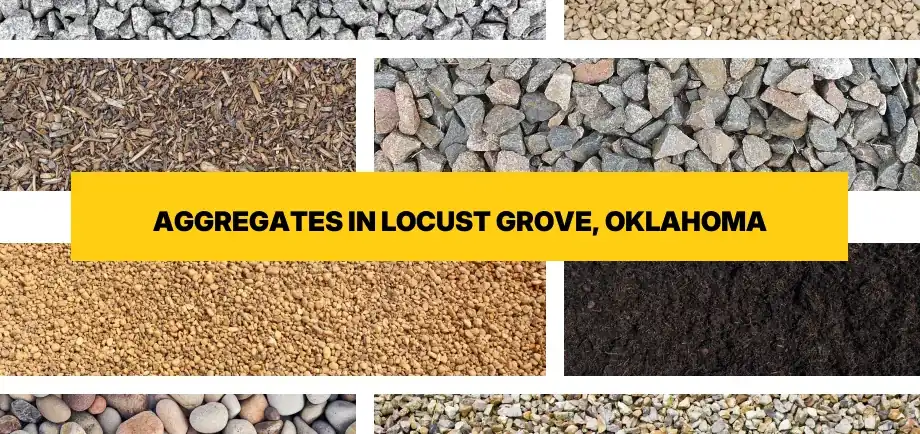
- Driveway Gravel - Durable aggregate blend perfect for residential and ranch driveways
- 3/4 inch Crushed Stone - Versatile angular stone for driveways, foundations, and drainage
- #57 Stone - Premium drainage aggregate for French drains and foundation perimeters
- Crusher Run - Excellent compacting base material for driveways and parking areas
- Road Base - Heavy-duty foundation material for rural roads and ranch access routes
- Drain Rock - Large aggregate for septic systems and drainage solutions
- Pea Gravel - Smooth decorative stone for pathways and landscaping beds
- River Rock - Natural rounded stone reflecting our Grand River heritage
- Walkway Gravel - Attractive gravel perfect for garden paths and outdoor spaces
- Decomposed Granite - Natural pathway material with superior compaction
- Crushed Concrete - Eco-friendly recycled aggregate for budget-conscious projects
- Topsoil - Rich soil for gardens, raised beds, and lawn establishment
- Fill Dirt - Essential for grading, leveling, and site preparation
- Mason Sand - Fine sand for mortar, masonry, and construction applications
- Playground Sand - Safe, clean sand for play areas and sandboxes
- Washed Sand - Clean multipurpose sand for various projects
Serving All Locust Grove Communities
Gravel Monkey proudly serves every corner of Locust Grove and the surrounding Mayes County area. Our free delivery reaches properties throughout the region, ensuring quality aggregates arrive where you need them most.
We regularly deliver aggregates to these Locust Grove areas:
- Downtown Locust Grove - Historic main street area and surrounding residential neighborhoods
- Highway 82 Corridor - Commercial properties and developments along the main thoroughfare
- Rose Community - Rural properties and farms in the southeastern area
- Peggs Area - Agricultural lands and ranch properties to the north
- Grand River Properties - Riverside homes and recreational properties near the waterway
- Lake Hudson Vicinity - Lakeside properties and vacation homes near the reservoir
- Rural Mayes County - Outlying farms, ranches, and rural homesteads throughout the county
- Cherokee Nation Lands - Properties within tribal jurisdictions around Locust Grove
From established neighborhoods in downtown Locust Grove to expansive ranch properties near Rose and Peggs, we understand the local terrain and deliver aggregates that perform in northeastern Oklahoma conditions. Properties near the Grand River often face unique drainage challenges due to clay soils and proximity to the waterway, making proper aggregate selection critical for long-term success.
Aggregates for Oklahoma Property Challenges
Locust Grove sits in a region characterized by expansive clay soils, locally known as Port-Dennis and Parsons soil series. These heavy clay soils expand when wet and contract during dry periods, creating significant challenges for driveways, foundations, and roads. Understanding how to work with these soil conditions separates successful projects from costly failures.
Driveway Solutions for Clay Soils
Creating a lasting driveway in Locust Grove requires addressing our clay-rich soil composition. The key is establishing proper drainage and using aggregates that resist Oklahoma's freeze-thaw cycles. Many homeowners near Highway 82 and in rural areas experience driveway deterioration because water cannot drain through the clay base layer.
For optimal driveway performance, we recommend starting with a geotextile fabric layer to prevent aggregate mixing with clay. Top this with four to six inches of compacted base material, then add two to three inches of surface aggregate. This three-layer system provides the stability needed for clay soils while ensuring proper drainage during spring thunderstorms.
Agricultural and Ranch Applications
Locust Grove's agricultural heritage means many properties need aggregate solutions for farm roads, equipment pads, and livestock areas. Ranch driveways extending back from Highway 82 or rural routes near Rose require materials that handle heavy equipment loads while resisting rutting during wet seasons.
Equipment staging areas benefit from six to eight inches of compacted base covered with angular drainage stone. This combination supports heavy machinery while allowing water to percolate away from work surfaces. Livestock areas require similar attention to drainage, as compacted clay holds water and creates muddy conditions that impact animal health and pasture quality.
Drainage System Fundamentals
Proper drainage is essential in Locust Grove, where average annual rainfall exceeds 45 inches. Properties near the Grand River or in low-lying areas face additional challenges from seasonal flooding and high water tables. French drains, perimeter drains around foundations, and surface drainage swales all require appropriate aggregates to function correctly.
Foundation perimeter drains should use clean angular stone that won't clog with sediment. Wrap drainage pipes in geotextile fabric before surrounding them with aggregate to maintain long-term performance. Surface swales benefit from larger stone that resists washout during heavy rainfall events common in spring months.
Comparing Aggregates for Locust Grove Projects
Selecting the right aggregate depends on your specific application, budget, and local soil conditions. This comparison helps Locust Grove property owners make informed decisions based on material characteristics and performance in northeastern Oklahoma:
| Aggregate Type | Best Applications | Drainage Rating | Compaction Quality |
|---|---|---|---|
| Crusher Run | Driveway base, parking areas | Good | Excellent |
| 3/4" Crushed Stone | Driveways, foundations, general use | Excellent | Very Good |
| #57 Stone | French drains, foundation drainage | Excellent | Moderate |
| Road Base | Heavy-duty roads, ranch access | Good | Excellent |
| Drain Rock | Septic fields, drainage systems | Excellent | Poor |
| Crushed Concrete | Budget driveways, base layers | Very Good | Very Good |
| Pea Gravel | Decorative landscaping, pathways | Excellent | Poor |
| Decomposed Granite | Natural pathways, patios | Moderate | Excellent |
Properties throughout Locust Grove benefit from materials that address local clay soil conditions. Angular aggregates compact better and interlock more effectively than rounded materials, making them superior choices for base layers and high-traffic applications. Drainage aggregates should be clean and free of fines that might clog spaces between particles.
Oklahoma Weather and Aggregate Performance
Locust Grove experiences distinct seasonal patterns that impact aggregate performance. Understanding these cycles helps property owners maintain driveways, roads, and drainage systems year-round.
Spring Season Challenges
Spring brings Locust Grove's heaviest rainfall, with March through May averaging over 5 inches per month. This moisture saturates our clay soils, causing expansion and creating soft conditions. Aggregates must drain efficiently during this period to prevent rutting and displacement.
Properties near the Grand River face additional spring challenges when river levels rise. Proper elevation and drainage become critical for maintaining access roads and protecting structures. Installing adequate base thickness before spring rains arrive prevents seasonal maintenance headaches.
Summer Heat Effects
Summer temperatures regularly exceed 90 degrees, causing clay soils to contract and crack. This shrinkage creates gaps beneath aggregate surfaces, potentially leading to settlement and unevenness. Maintaining adequate aggregate depth helps bridge these seasonal gaps and ensures smooth surfaces throughout summer months.
Winter Freeze-Thaw Cycles
While Locust Grove winters are generally mild, occasional freezes occur with temperatures dropping into the low 20s. Water trapped in poorly draining aggregates can freeze and expand, causing heaving and displacement. Proper base preparation and drainage aggregate selection prevents winter damage.
Aggregate Installation Best Practices for Locust Grove
Successful aggregate projects in Locust Grove require attention to local soil conditions and proper installation techniques. Following these guidelines ensures long-lasting performance in northeastern Oklahoma conditions.
Site Preparation Essentials
Begin by removing all organic material, topsoil, and existing clay to a depth of at least 8 to 12 inches for driveways. Clay soils must be properly graded for drainage before adding any aggregate. Create a minimum 2% slope to direct water away from structures and toward drainage areas.
Compact the subgrade clay thoroughly using a mechanical compactor. This step is critical in Locust Grove because uncompacted clay will settle under load, causing aggregate layers to sink and become uneven. Many property owners skip this step and experience problems within the first year.
Geotextile Fabric Application
Installing geotextile fabric between clay subgrade and aggregate layers prevents material mixing during wet seasons. This fabric barrier is especially important in Locust Grove due to our expansive clay soils. Without fabric, aggregate gradually migrates into clay, reducing drainage capacity and requiring more frequent material additions.
Overlap fabric seams by at least 12 inches and secure edges before adding aggregate. This creates a continuous barrier that maintains separation between soil layers while allowing water to drain through to lower levels.
Layering and Compaction
Add base aggregates in lifts no thicker than 4 inches, compacting each layer before adding the next. This systematic approach ensures uniform density throughout the aggregate depth. For driveways near Rose or Peggs that support heavy farm equipment, compact each lift thoroughly to prevent future settlement.
Final surface aggregates should be spread evenly and lightly compacted to lock particles together while maintaining surface drainage. Over-compacting surface layers can reduce permeability and direct water across surfaces rather than through them.
Understanding Locust Grove Geology
Locust Grove sits within the Ozark Plateau geological region, characterized by underlying limestone and sandstone formations covered by thick deposits of clay-rich alluvial soils. This geological composition directly impacts how aggregates perform on local properties.
The Port-Dennis clay soil series dominates much of Locust Grove and Mayes County. These soils contain high percentages of montmorillonite clay minerals that exhibit significant expansion when wet and shrinkage when dry. This characteristic explains why concrete slabs crack and driveways develop ruts during wet seasons.
Properties along the Grand River corridor may encounter sandy loam soils mixed with river deposits, which drain better than upland clay soils but still require proper aggregate base preparation. Areas near Lake Hudson have varied soil conditions depending on elevation and proximity to the reservoir.
Understanding these geological factors helps explain why aggregate selection and installation methods differ from regions with sandier or rockier soils. Working with local conditions rather than against them produces better long-term results for Locust Grove property improvements.
Calculating Your Aggregate Needs
Determining the correct amount of aggregate prevents project delays and ensures you have adequate material for proper installation. Use these guidelines to estimate quantities for common Locust Grove applications.
Basic Volume Calculation
Calculate aggregate volume in cubic yards using this formula: Length (feet) × Width (feet) × Depth (feet) ÷ 27 = Cubic Yards. For a standard driveway measuring 12 feet wide by 100 feet long with 4 inches of depth: 12 × 100 × 0.33 ÷ 27 = 14.7 cubic yards.
Always order 10-15% additional material to account for compaction, uneven subgrade, and edge requirements. Clay soil areas may require extra material as some aggregate settles into the clay during initial compaction and early use.
Application-Specific Guidelines
Residential driveways typically need 4 to 6 inches of total aggregate depth over compacted subgrade. Heavy-use driveways supporting farm equipment or commercial vehicles benefit from 6 to 8 inches of base material plus 2 to 3 inches of surface aggregate.
Parking areas require similar depths to driveways, while walkways and garden paths need only 2 to 3 inches of decorative aggregate over a compacted base. French drain trenches should be filled with clean drainage aggregate to within 2 inches of finished grade, then topped with topsoil and grass or landscape fabric and mulch.
Maintaining Aggregates in Locust Grove Conditions
Proper maintenance extends aggregate lifespan and prevents costly repairs. Locust Grove's climate and soil conditions require periodic attention to keep driveways, roads, and drainage systems functioning optimally.
Regular Surface Maintenance
Grade aggregate surfaces annually using a landscape rake or box blade to redistribute material and maintain proper drainage slopes. This simple maintenance prevents ruts from becoming permanent and redirects water away from problem areas. Spring is ideal for grading after winter weather has passed but before summer heat arrives.
Add fresh surface aggregate every 2 to 3 years to maintain adequate depth as material gradually compacts and migrates. Properties with heavy traffic or steep slopes may need more frequent additions. A one to two inch refresh layer restores appearance and drainage capacity.
Drainage System Upkeep
Inspect drainage swales and ditches twice yearly, clearing vegetation and debris that might obstruct water flow. Locust Grove's spring rains reveal drainage problems quickly, so address issues before summer growth obscures problem areas. Clean culverts and drainage pipes to prevent backups during heavy rainfall events.
French drains require minimal maintenance if properly installed, but monitor outflow areas to ensure water drains away from foundations and structures. If outflow slows or stops, the drain may need cleaning or the aggregate may have become clogged with sediment infiltration from surrounding soils.
Weed Control Strategies
Weeds naturally colonize aggregate surfaces over time, especially in decorative applications like garden paths and landscaping beds. Apply pre-emergent herbicide in early spring to prevent weed germination, following product labels carefully for application rates and timing.
For existing weeds, hand-pull when soil is moist or use targeted post-emergent herbicides. Avoid disturbing aggregate during weed removal to maintain surface stability. A thicker aggregate layer (3 to 4 inches minimum) naturally suppresses weed growth by limiting light penetration to underlying soil.
Frequently Asked Questions About Gravel in Locust Grove
We deliver a complete range of materials including driveway gravel, crushed stone, #57 stone, pea gravel, river rock, crusher run, road base, drain rock, decomposed granite, topsoil, fill dirt, and various sand types throughout Locust Grove and Mayes County.
Yes! Gravel Monkey offers FREE delivery to Locust Grove and the surrounding Oklahoma area for all gravel and aggregate orders. We serve the entire Locust Grove community including areas near the Grand River and Lake Hudson.
For driveways in Locust Grove, we recommend crusher run or three-quarter inch crushed stone. These aggregates compact well in our clay-based soils and provide excellent drainage during Oklahoma's heavy spring rains and seasonal weather changes.
Calculate your needs by measuring length times width times depth in feet, then divide by 27 for cubic yards. For driveways, we recommend 3 to 4 inches of depth. Our team can help estimate the right amount for your specific Locust Grove project.
Absolutely! We deliver free to all areas of Locust Grove including rural properties, ranches, and farms throughout Mayes County. Whether you're near Highway 82, close to Peggs, or out by Rose, we provide reliable aggregate delivery service.
We offer mason sand for construction and mortar work, playground sand for safe play areas, and washed sand for various applications. All sand products are delivered free to Locust Grove properties.
Yes! Crushed concrete is an excellent eco-friendly and budget-conscious choice for driveways in Locust Grove. It compacts well, provides good drainage, and performs reliably in Oklahoma weather conditions.
Road base is specifically designed for creating stable road foundations. It compacts tightly and provides a solid foundation that handles Oklahoma weather and heavy use. We deliver road base free throughout Locust Grove.
Premium Aggregates Delivered Free in Locust Grove
Gravel Monkey serves Locust Grove property owners with quality aggregates and reliable free delivery throughout Mayes County. Whether you're improving a residential driveway near downtown, building farm roads near Rose, or addressing drainage challenges along the Grand River, we provide materials that perform in northeastern Oklahoma conditions.
Our comprehensive inventory includes everything from base materials like crusher run and road base to decorative options like pea gravel and river rock. Every order receives professional delivery to your exact location, ensuring materials arrive ready for installation without additional hauling costs or logistics headaches.
Locust Grove's unique combination of clay soils, seasonal rainfall, and temperature variations requires aggregates selected specifically for local conditions. Our team understands these challenges and helps property owners choose materials that provide lasting performance and value. From small residential projects to large agricultural and commercial applications, we supply the aggregates that make your Locust Grove property improvement successful.

Need help? Reach out for a quote: