Sand, Aggregates & Gravel for Wishek, North Dakota
Local Topsoil, Dirt, Sand, Rocks and Gravel near me in Wishek, North Dakota
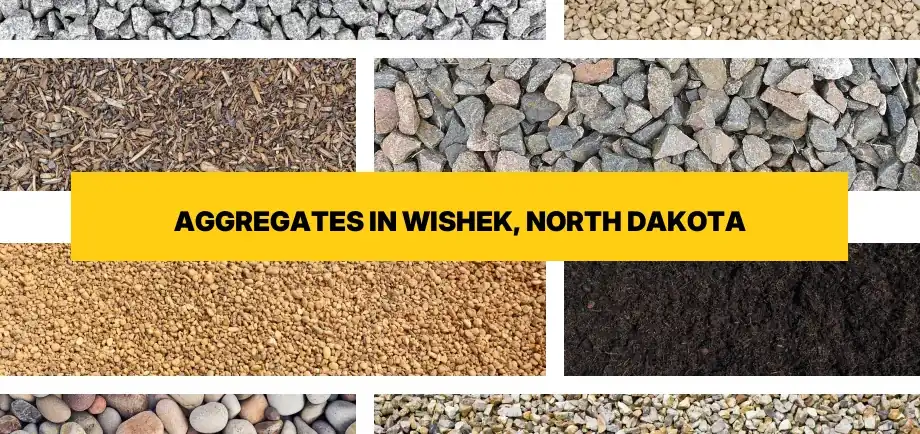
Shop Aggregates for Delivery in Wishek
Order online for free delivery to any Wishek address.
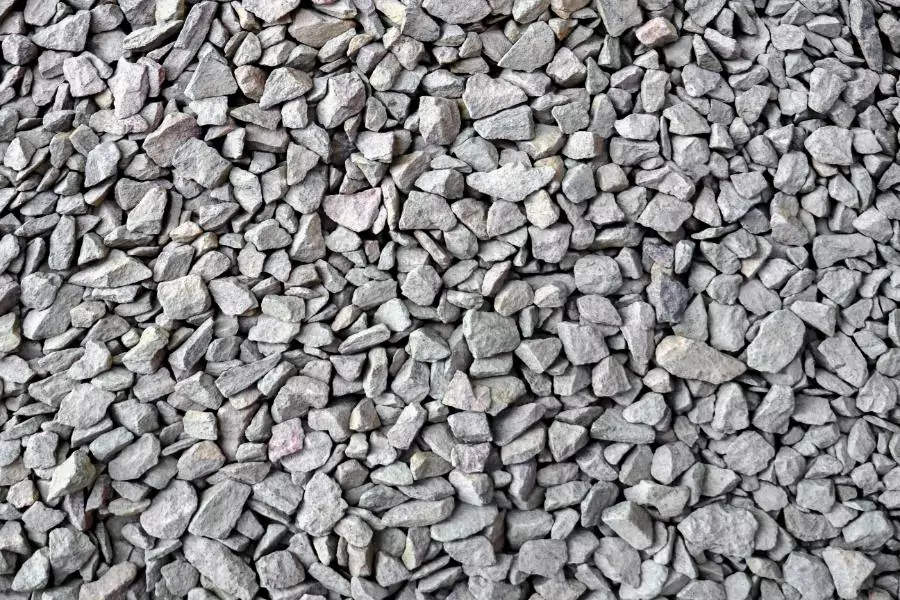
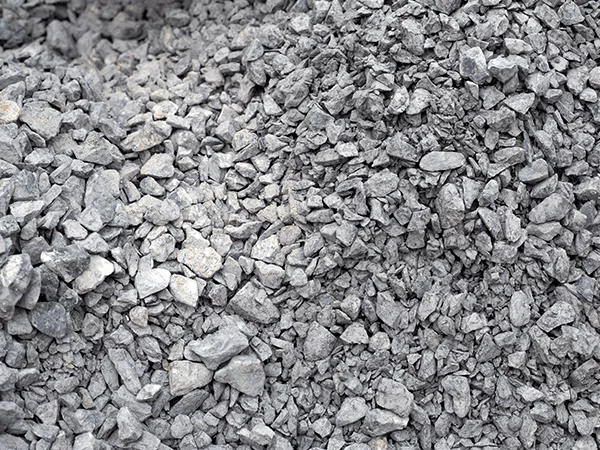


Gravel Monkey provides reliable delivery of premium aggregates and bulk materials throughout Wishek, North Dakota, and surrounding McIntosh County communities. Whether you're building a new driveway on Main Street, improving drainage on rural farmland near the Beaver Creek area, or upgrading a commercial property downtown, we deliver high-quality aggregates directly to your location with absolutely free delivery. Our comprehensive selection meets the demanding requirements of North Dakota's extreme climate, from harsh winter freeze-thaw cycles to spring moisture challenges that characterize the northern prairie landscape.
Complete Aggregate & Material Selection for Wishek Projects
We understand the unique geological and climate challenges that Wishek property owners face. The region's glacial till soils, heavy clay content, and extreme temperature variations demand materials specifically suited to these conditions. Our inventory includes everything residential, agricultural, and commercial projects require:
- Driveway Gravel - Durable compactable stone that withstands North Dakota winters
- 3/4 inch Crushed Stone - Versatile angular aggregate for multiple applications
- #57 Stone - Industry-standard crushed stone for drainage and construction
- Crusher Run - Superior compacting base material for stable foundations
- Road Base - Heavy-duty aggregate blend for driveways and access roads
- Drain Rock - Essential angular stone for foundation and yard drainage systems
- Pea Gravel - Smooth decorative stone for landscaping and pathways
- River Rock - Natural aesthetics for water features and garden beds
- Walkway Gravel - Comfortable stable surface for pedestrian paths
- Crushed Concrete - Economical recycled aggregate for base layers
- Topsoil - Nutrient-rich soil for gardens, lawns, and agricultural use
- Fill Dirt - Essential material for grading and site preparation
- Mason Sand - Fine sand for masonry and construction projects
- Playground Sand - Safe clean sand for play areas and sandboxes
- Washed Sand - Clean aggregate-free sand for concrete and landscaping
- Decomposed Granite - Natural compacting material for pathways and patios
Aggregates Engineered for North Dakota's Climate Extremes
Wishek experiences some of the most dramatic temperature swings in the continental United States, with winter lows reaching negative twenty degrees Fahrenheit and summer highs exceeding ninety degrees. This hundred-degree annual range creates intense freeze-thaw cycles that challenge inferior aggregates. The region receives approximately sixteen inches of precipitation annually, with significant spring snowmelt causing temporary saturation of the clay-heavy glacial till soils that dominate McIntosh County.
These conditions demand aggregates with specific characteristics. Angular crushed materials like our three-quarter inch crushed stone interlock tightly, resisting the heaving forces that frost penetration creates. The compaction achieved with crusher run provides a stable foundation that won't shift during spring thaw periods when soil bearing capacity temporarily decreases. Properties near the Beaver Creek drainage area particularly benefit from proper aggregate selection, as these locations experience higher seasonal moisture levels.
Understanding Local Soil Composition
The Wishek area sits atop deep glacial deposits left by retreating ice sheets thousands of years ago. This glacial till contains significant clay fractions that expand when wet and contract when dry, creating challenging foundation conditions. The characteristic black prairie soils, while agriculturally productive, have poor drainage characteristics that make proper aggregate base layers essential for any construction project.
Agricultural properties throughout the township and surrounding rural areas deal with these expansive clay soils daily. Proper drainage systems using angular drain rock prevent water accumulation that causes frost heaving and premature pavement failure. Many farm equipment access routes and agricultural buildings in the area require stable aggregate bases that won't deteriorate under heavy loads during wet spring conditions.
Application Guide: Choosing the Right Aggregates
Different projects throughout Wishek and McIntosh County require specific aggregate types. Understanding which materials work best for your application ensures project success and longevity.
Driveway and Road Construction
Residential driveways in Wishek's established neighborhoods like the areas around St. Luke's Church or properties along 6th Avenue require properly layered aggregate systems. Start with a six-inch base layer of road base or crusher run, which provides excellent compaction and load distribution. This compacted foundation layer prevents the driveway from settling into the clay subsoil. Top this base with two to three inches of driveway gravel for a durable wearing surface that maintains traction during winter months.
Rural access roads serving agricultural operations need even more robust construction. Farm equipment weighing tens of thousands of pounds demands eight to twelve inches of compacted road base. Properties accessing state highways or county roads should construct their private driveways to similar standards, preventing rutting and maintenance issues that develop when inadequate aggregate depths are used.
Foundation and Drainage Applications
Proper foundation drainage protects buildings from the moisture problems that plague structures built on clay soils. Install drain rock around foundation perimeters, creating a four to six inch drainage layer that extends from the footing to grade level. This angular aggregate allows water to flow freely to drainage tile systems, preventing hydrostatic pressure buildup against foundation walls. Properties in lower-lying areas near Beaver Creek or seasonal drainage paths particularly benefit from comprehensive drainage systems.
French drains and curtain drains that intercept surface water before it reaches structures require similar aggregates. Number 57 stone provides the angular void space necessary for water movement while remaining stable enough to support the drain pipe. Wrap these systems in geotextile fabric to prevent fine soil particles from migrating into the aggregate and reducing drainage capacity over time.
Landscaping and Decorative Applications
While functional aggregates handle structural needs, decorative materials enhance property aesthetics. Pea gravel creates attractive low-maintenance groundcover for planting beds around homes throughout Wishek's residential areas. This smooth rounded aggregate provides excellent weed suppression while allowing water and air to reach plant roots. River rock adds visual interest to gardens and water features, with various sizes available to suit different design preferences.
Walkway gravel provides stable comfortable surfaces for pedestrian paths connecting buildings to parking areas or linking different sections of residential properties. This material compacts moderately while remaining permeable, preventing the water pooling that makes solid surfaces slippery during spring thaw periods. Decomposed granite offers similar functionality with a more refined appearance, popular for paths through landscaped areas or connecting to building entrances.
Serving All Wishek Communities and Surrounding Areas
Gravel Monkey proudly delivers throughout Wishek proper and extends service to surrounding rural communities and unincorporated areas across McIntosh County. Our delivery trucks regularly serve:
Downtown Wishek - The historic business district and surrounding blocks where commercial properties and established residential homes require aggregate deliveries for maintenance and improvement projects. Properties along Main Street accessing alley entrances particularly benefit from our precise placement capabilities.
Northern Residential Area - Neighborhoods extending north from downtown toward the school complex where family homes on larger lots often undertake driveway extensions, patio projects, and drainage improvements using our aggregate materials.
Eastern Agricultural Transition Zone - Properties where residential areas give way to agricultural land, including hobby farms and acreages that require both landscaping aggregates and functional materials for equipment storage buildings and access routes.
Southern Development Area - Newer residential construction and commercial development near Highway 13 where builders and homeowners need foundation aggregates, driveway materials, and landscaping stone for new construction projects.
Rural McIntosh County - Farm and ranch properties throughout the township system surrounding Wishek, where agricultural operations require bulk aggregates for equipment yards, grain bin foundations, feedlot improvements, and long private driveways accessing county roads.
We also regularly deliver to nearby communities including Lehr to the north, Zeeland to the west, and Ashley to the south, serving the agricultural and residential needs of this broader region. Properties near Beaver Creek and other seasonal waterways in the area receive particular attention regarding drainage aggregate recommendations.
Aggregate Comparison: Selecting the Right Material
Understanding the characteristics of different aggregates helps property owners make informed decisions. This comparison highlights key differences between our most popular materials:
| Material Type | Best Applications | Compaction | Drainage Rating | Winter Performance |
|---|---|---|---|---|
| Crusher Run | Driveway base, parking areas | Excellent | Moderate | Superior stability |
| Road Base | Heavy traffic areas, farm access | Excellent | Good | Handles heavy loads |
| 3/4" Crushed Stone | General purpose, foundations | Very Good | Excellent | Frost resistant |
| #57 Stone | Drainage systems, concrete mix | Good | Excellent | Non-heaving |
| Drain Rock | Foundation drains, French drains | Fair | Outstanding | Prevents ice buildup |
| Driveway Gravel | Surface layer, final grade | Good | Good | Traction in ice |
| Pea Gravel | Landscaping, decorative areas | Fair | Good | Shifts under snow |
| Crushed Concrete | Base layers, temporary roads | Very Good | Good | Economical option |
Technical Considerations for Wishek Projects
Successful aggregate installations require attention to several technical factors specific to North Dakota conditions. Understanding these considerations prevents common problems and ensures lasting results.
Proper Depth Requirements
Frost penetration in the Wishek area typically reaches forty-eight to sixty inches below grade during severe winters. While aggregate bases don't need to extend to these depths, they must provide adequate load distribution to prevent differential settlement when soil beneath partially thaws. Residential driveways performing well long-term typically include six to eight inches of compacted base material. Commercial applications and heavy equipment areas require ten to twelve inches minimum.
These depths assume proper subgrade preparation. Remove all organic topsoil before placing aggregates, as decomposing organic matter causes settlement. Grade the subgrade to ensure positive drainage away from structures. In areas with particularly poor soil conditions, consider installing geotextile fabric between native soil and aggregate to prevent mixing and maintain aggregate integrity.
Compaction Standards
Achieving proper compaction determines whether aggregate installations succeed or fail. Crusher run and road base require mechanical compaction using a vibratory plate compactor for small areas or a roller for larger projects. Compact material in lifts no more than four inches thick, as attempting to compact deeper layers results in adequate surface density but loose material beneath.
Moisture content significantly affects compaction. Materials too dry won't achieve maximum density, while overly wet aggregates become unstable. Optimal moisture for most aggregates approximates the consistency of damp sand - it should hold shape briefly when squeezed but not drip water. Weather conditions during installation matter greatly; avoid placing and compacting aggregates during rain or immediately after heavy precipitation.
Seasonal Installation Considerations
North Dakota's short construction season concentrates aggregate projects into the May through October window. Spring installations face challenges from saturated subgrades following snowmelt. Allow soils adequate drying time before beginning work, or expect compaction equipment to create ruts rather than achieve proper density. Early spring projects sometimes require additional excavation to remove frost-damaged soil before placing new aggregates.
Fall installations must finish before ground freezing begins, typically by late October in the Wishek area. Aggregates placed on frozen ground won't compact properly and will settle dramatically when thaw occurs. However, fall installations on properly prepared subgrades often prove ideal, as soil moisture content tends toward optimal levels and material availability remains good as construction season winds down.
Agricultural Applications Throughout McIntosh County
Farming operations dominating the landscape around Wishek have unique aggregate requirements that differ from residential applications. Understanding these needs helps agricultural producers select appropriate materials for various on-farm projects.
Equipment Yards and Storage Areas
Modern agricultural equipment represents massive investments requiring proper storage facilities. Equipment yards need stable surfaces that support heavy loads without rutting, even during spring mud season. Eight to ten inches of compacted road base creates a foundation capable of handling combines, tractors, and grain carts weighing over fifty thousand pounds. Top this base with two inches of three-quarter inch crushed stone to create a durable surface that sheds water and resists damage from equipment maneuvering.
Many producers prefer crushed concrete for farm applications, as its economical pricing makes it practical for large areas. This recycled aggregate compacts well and performs comparably to virgin stone for base applications. Equipment yards often cover thousands of square feet, making material cost a significant consideration. The cost savings achieved with crushed concrete allow producers to apply proper depths without budget constraints compromising project quality.
Grain Handling Facilities
Grain bins, auger systems, and truck loading areas require level stable surfaces. Settlement or rutting in these high-traffic areas creates operational inefficiencies and safety hazards. Foundation areas around grain bins need particular attention, as these structures exert concentrated loads. Install twelve inches of compacted crusher run beneath bin foundations, extending this base four feet beyond the bin perimeter to distribute loads adequately.
Truck approaches to grain bins experience heavy traffic during harvest season. These areas benefit from similar aggregate depths as the bin foundations themselves, preventing vehicles from creating ruts that complicate loading operations. Proper drainage around grain handling facilities protects aggregates and prevents water accumulation that could compromise structural integrity during freeze-thaw cycles.
Livestock Facility Improvements
Cattle operations require well-drained surfaces around feeding and watering areas. Livestock traffic combined with North Dakota's climate creates muddy conditions that stress animals and complicate daily operations. Six inches of drain rock in high-traffic areas provides excellent drainage while creating a stable surface that doesn't become soupy during wet periods. Cover drain rock with two inches of smaller aggregate to prevent animals from turning ankles on large stones while maintaining drainage capacity.
Feeding areas particularly benefit from proper aggregate installation. Locate feeders and waterers on raised pads constructed with compacted aggregates, creating dry spots where animals congregate. Slope these areas away from feeders to prevent water accumulation, and extend aggregate surfaces far enough that muddy transitions don't develop immediately beyond improved areas.
Why Wishek Customers Choose Gravel Monkey
We've built our reputation on reliable service, quality materials, and understanding the specific challenges that North Dakota conditions present. When you choose Gravel Monkey for your aggregate needs, you benefit from:
- Free Delivery Throughout the Area - We deliver to residential, commercial, and agricultural properties throughout Wishek and McIntosh County at no additional charge. Our delivery service includes placement assistance to ensure materials arrive exactly where you need them.
- Climate-Appropriate Material Selection - All aggregates we supply suit North Dakota's extreme conditions. We don't offer materials that fail under freeze-thaw stress or prove inadequate for the region's clay soils.
- Agricultural Expertise - We understand farming and ranching operations' unique requirements. Our team helps producers select appropriate aggregates for equipment yards, grain facilities, livestock areas, and field access routes.
- Knowledgeable Guidance - Uncertain which aggregate your project needs? Our staff provides expert recommendations based on your specific application, soil conditions, and budget considerations.
- Quality Assurance - All materials meet or exceed industry specifications. We source aggregates from reputable suppliers and verify quality before delivery to your property.
- Flexible Ordering Options - Whether you need a few tons for a small landscaping project or hundreds of tons for major construction, we accommodate orders of all sizes.
- Responsive Customer Service - Questions before ordering? Need delivery schedule adjustments? Our team responds promptly to ensure your project stays on schedule.
Installation Best Practices for Long-Term Performance
Proper installation techniques determine whether aggregate projects deliver decades of service or require premature replacement. Follow these guidelines for optimal results:
Site Preparation Steps
Begin every project with thorough site preparation. Remove all vegetation, roots, and organic topsoil from the project area. These materials decompose over time, creating voids that cause settling. Grade the exposed subgrade to promote positive drainage - surfaces should slope at least two percent to prevent water accumulation. In areas with poor drainage, consider installing drainage tile before placing aggregates.
Mark utility locations before excavation begins. North Dakota law requires contacting utility location services before digging. Damaging buried utilities creates dangerous situations and expensive repairs. Underground sprinkler systems, electrical lines to outbuildings, and invisible fence wires need identification and protection during construction.
Installation Sequence
Install aggregates in the correct sequence for optimal performance. Base layers go in first - road base, crusher run, or crushed concrete depending on application requirements. Spread these materials evenly in lifts no more than four inches thick before compaction. Compact each lift thoroughly before adding the next layer. This systematic approach ensures density throughout the entire base depth rather than achieving surface compaction only.
After completing base layers, add surface materials if your project design includes them. Driveway gravel, three-quarter inch crushed stone, or decorative aggregates like pea gravel or decomposed granite serve as final surfaces. These materials require minimal compaction - light rolling or natural traffic usually provides adequate consolidation. Avoid over-compacting decorative aggregates, as excessive force crushes rounded materials and diminishes their aesthetic appeal.
Edging and Containment
Aggregates need proper edging to prevent lateral spreading. Driveways benefit from landscape timber edging, concrete curbing, or steel edge restraints along their perimeters. These borders contain aggregates and create clean transitions between improved areas and adjacent landscaping. Without containment, aggregates gradually spread outward, thinning the driveway surface and creating maintenance headaches.
Walkways and decorative landscape areas using pea gravel or river rock particularly need edging. These rounded materials migrate readily without containment. Plastic landscape edging proves adequate for garden applications, while metal edging provides superior durability for high-traffic walkways. Set edging slightly above final aggregate height to prevent materials from spilling over barriers.
Maintaining Aggregate Surfaces in North Dakota Conditions
Properly installed aggregate projects require minimal maintenance, but some periodic attention extends their service life and maintains optimal performance. Understanding seasonal maintenance needs helps property owners protect their investments.
Spring Maintenance Activities
Spring thaw reveals winter damage requiring prompt attention. Walk driveways and parking areas looking for depressions, ruts, or areas where aggregates have thinned. Add material to low spots before they worsen, and rake surface aggregates smooth to restore proper grade. Drainage ditches and swales need cleaning to remove accumulated sediment and vegetation, ensuring they function properly during spring runoff periods.
Inspect drainage systems around foundations and in low areas. Verify that drain rock remains exposed and hasn't become buried by sediment or migrating soil. Clean area drains and check that discharge points drain freely. Spring runoff stresses drainage systems more than any other time, making this preventive maintenance essential.
Summer Upkeep
Dry summer conditions create dust in high-traffic aggregate areas. If dust becomes problematic, light misting with water provides temporary relief. For permanent dust control on driveways, consider applying calcium chloride or magnesium chloride products designed for this purpose. These materials absorb atmospheric moisture, keeping surface aggregates slightly damp and preventing dust generation. Apply dust control products carefully following manufacturer recommendations - excessive application causes slippery conditions.
Weeds occasionally appear through aggregate surfaces, particularly in areas where materials have thinned allowing sunlight to reach underlying soil. Remove weeds promptly before they establish extensive root systems. Pre-emergent herbicides applied in early spring prevent weed seed germination, though use these products carefully near desirable plantings. Maintaining adequate aggregate depth - generally three to four inches minimum for surface layers - provides sufficient light barrier that prevents most weed growth.
Fall Preparation
Prepare aggregate surfaces for winter before cold weather arrives. Fill ruts and depressions, as these areas collect water that freezes and accelerates deterioration. Verify that drainage systems function properly - frozen drains can't evacuate water, leading to ice accumulation and frost heaving. Clean culverts and drainage ditches one final time before freezing conditions prevent this maintenance.
Consider adding material to high-traffic areas before winter. Driveways receiving regular use throughout winter gradually lose surface aggregates pushed aside by snow removal equipment. Starting winter with slightly more material than minimum recommended depths provides reserve capacity that lasts through the snow season. This proactive approach prevents thin spots from developing that require more extensive spring repairs.
Winter Care
Snow removal practices significantly affect aggregate driveway longevity. Set plow blades slightly higher than surface level to avoid catching on aggregates and dragging material away. Rubber blade edges cause less damage than steel blades. When using snowblowers, adjust skid shoes to maintain clearance above the driveway surface. Accept leaving a thin snow layer rather than aggressively removing every trace and damaging the aggregate surface.
Ice melt products affect aggregates differently. Calcium chloride and magnesium chloride prove less damaging than sodium chloride (rock salt) to both aggregates and adjacent vegetation. However, all deicing chemicals eventually reach surrounding soil, so use them judiciously. Sand provides traction without chemical concerns, though it creates spring cleanup work when accumulated sand needs removal.
Frequently Asked Questions About Gravel in Wishek
We deliver a complete range of aggregates including driveway gravel, crushed stone, crusher run, road base, drain rock, pea gravel, river rock, topsoil, fill dirt, sand varieties, crushed concrete, and decomposed granite throughout Wishek and McIntosh County.
Yes! Gravel Monkey offers FREE delivery to Wishek and the surrounding North Dakota area for all gravel and aggregate material orders.
For driveways, calculate length times width times depth in feet. Most driveways need 4 to 6 inches of base material. Our team can help estimate the correct amount for your specific Wishek project needs.
Crushed stone and crusher run work exceptionally well in cold climates. These angular aggregates interlock tightly, resist freeze-thaw damage, and provide excellent traction during winter months in Wishek.
Absolutely. We deliver to rural properties throughout McIntosh County including areas near Lehr, Zeeland, Ashley, and surrounding farmlands. Our trucks navigate country roads regularly.
For clay-heavy soils common in the Wishek area, we recommend drain rock or crushed stone for foundations, with road base or crusher run for driveways. These materials provide essential drainage that clay soil cannot.
Delivery timeframes vary by season and order volume. During peak construction months from May through October, we typically deliver within 3 to 7 business days. Contact us for current scheduling availability.
Yes, we deliver mason sand for construction projects, playground sand for safe play areas, and washed sand for concrete mixing and various landscaping applications throughout the Wishek area.
Get Started With Your Wishek Aggregate Project
Whether you're planning a residential driveway upgrade, commercial parking lot construction, agricultural facility improvement, or decorative landscaping project, Gravel Monkey provides the quality aggregates and reliable delivery service your project demands. Our team understands the unique challenges that North Dakota conditions present and helps customers throughout Wishek select appropriate materials that deliver lasting performance.
We serve residential homeowners, commercial contractors, agricultural producers, and municipalities throughout McIntosh County with the same commitment to quality and service excellence. Our free delivery eliminates the logistics challenges and equipment requirements of transporting bulk aggregates yourself, making professional-quality materials accessible for projects of any size.
Contact Gravel Monkey today to discuss your aggregate needs. Our knowledgeable staff provides expert recommendations based on your specific application, property conditions, and budget considerations. We're here to ensure your project succeeds from planning through completion, delivering the materials you need when you need them. Experience the difference that quality aggregates and professional service make for your Wishek property.

Need help? Reach out for a quote: