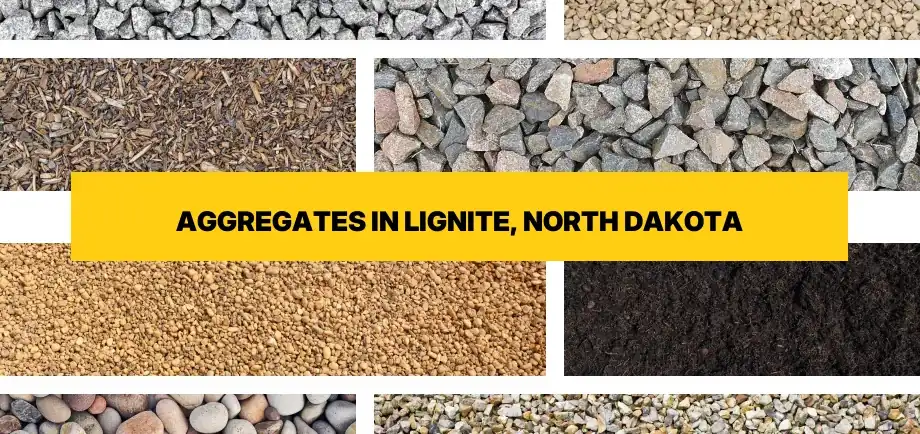
Rock & Driveway Gravel in Lignite, North Dakota
Local Topsoil, Dirt, Sand, Rocks and Gravel near me in Lignite, North Dakota
Shop Aggregates for Delivery in Lignite
Order online for free delivery to any Lignite address.
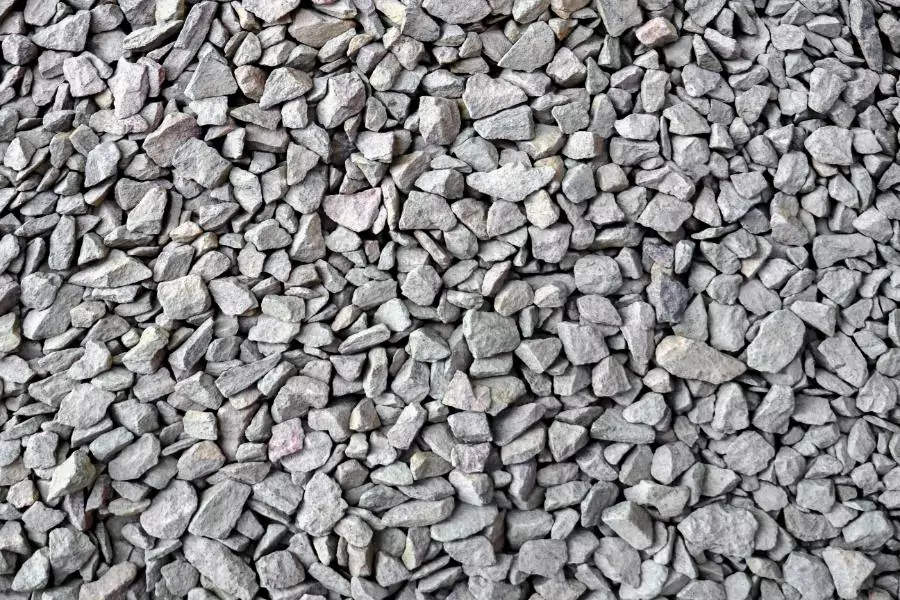
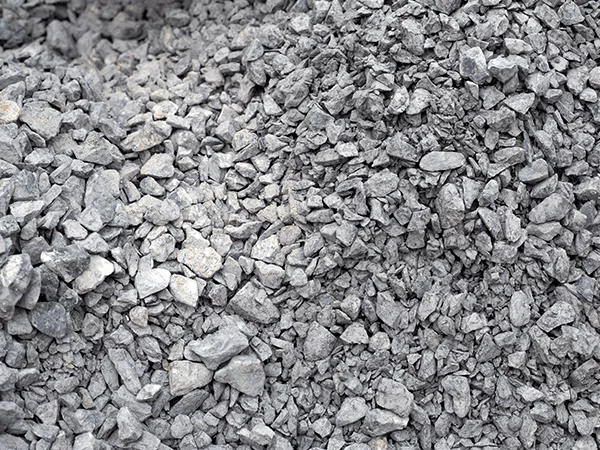


Gravel Monkey provides premium aggregate and construction material delivery to Lignite, North Dakota and the surrounding Burke County region. Whether you're maintaining a rural driveway near Portal, building a new access road for agricultural operations, or tackling drainage challenges common to northwestern North Dakota's clay-rich soils, we deliver the quality materials you need directly to your property with free delivery. Our extensive selection of aggregates, stone, sand, and base materials meets the demanding requirements of North Dakota's extreme climate and heavy-duty applications.
Complete Aggregate Selection for Lignite Properties
Gravel Monkey offers an extensive inventory of aggregates and materials specifically suited to the challenging conditions found throughout Burke County. From energy sector projects to agricultural operations and residential properties, we supply materials that perform reliably in North Dakota's extreme temperature swings and demanding applications:
- Driveway Gravel - Durable aggregate for long-lasting rural and residential driveways
- 3/4 Inch Crushed Stone - Versatile aggregate for drainage, foundations, and roadwork
- #57 Stone - Popular clean stone for concrete and drainage applications
- Crusher Run - Superior compactable base for roads, driveways, and pads
- Road Base - Heavy-duty aggregate for farm roads and access routes
- Drain Rock - Angular stone for foundation drainage and water management
- Pea Gravel - Decorative rounded stone for pathways and landscaping
- River Rock - Natural aesthetic stone in multiple sizes
- Walkway Gravel - Perfect for creating durable pedestrian paths
- Crushed Concrete - Eco-friendly recycled aggregate for base applications
- Topsoil - Quality soil for gardens and lawn establishment
- Fill Dirt - Essential material for grading and site work
- Mason Sand - Fine sand for concrete and masonry work
- Playground Sand - Safe, clean sand for recreational areas
- Washed Sand - Clean sand for various construction applications
- Decomposed Granite - Natural pathway material that compacts beautifully
Serving Lignite and Burke County Communities
Our delivery service extends throughout the Lignite area and surrounding Burke County communities. We regularly deliver aggregates and construction materials to properties near Portal along the Canadian border, Columbus to the east, Bowbells to the south, and rural locations throughout northwestern North Dakota. Whether your project is in town or on a remote ranch or farmstead, Gravel Monkey ensures timely delivery of quality materials.
The Lignite region, situated in the heart of Burke County, presents unique challenges for construction and property maintenance. The expansive clay soils derived from ancient glacial deposits expand significantly when wet and contract during freezing, creating stress on roads, foundations, and driveways. Average winter temperatures frequently plunge below zero Fahrenheit for extended periods, with the area experiencing minus twenty to minus thirty degree cold snaps. Spring brings rapid snowmelt and occasional flooding from the nearby Souris River watershed. These conditions demand premium quality aggregates engineered to withstand extreme freeze-thaw cycles and provide reliable drainage.
Aggregates for Northwestern North Dakota's Demanding Climate
Understanding Lignite's unique environmental conditions is essential for selecting appropriate construction materials. The region experiences a continental climate with temperature extremes ranging from summer highs occasionally exceeding ninety degrees Fahrenheit to winter lows that regularly drop below minus twenty degrees. This temperature variation of over one hundred degrees creates intense freeze-thaw cycling that tests the durability of any aggregate or base material.
The underlying geology consists primarily of glacial till containing high percentages of clay and silt. When moisture penetrates these soils, they expand considerably, creating frost heaves that can displace driveways, damage foundations, and destroy poorly constructed roads. During spring thaw, the same soils become saturated and lose bearing capacity, turning into soft, muddy conditions that immobilize vehicles and equipment. Proper aggregate selection and installation becomes critical for creating stable, long-lasting surfaces.
Annual precipitation in the Lignite area averages around fourteen inches, with peak moisture arriving during spring and early summer. While not exceptionally high, this moisture combines with poor drainage in clay soils to create challenging conditions. Late winter and spring present the most difficult period, as melting snow saturates the ground while temperatures still drop below freezing at night, perpetuating the freeze-thaw cycle. Quality drainage aggregates become essential for managing this seasonal water infiltration.
Essential Aggregate Applications in Lignite
Driveways and Access Roads for Rural Properties
Rural driveways and farm access roads around Lignite face extraordinary demands. These surfaces must support heavy agricultural equipment, oil field service vehicles, grain trucks, and livestock haulers while enduring North Dakota's brutal winters and wet spring conditions. The expansive clay soils beneath require substantial aggregate depth and excellent drainage to prevent frost heaving and seasonal rutting.
For these demanding applications, we recommend starting with a solid foundation using road base or crusher run. These materials contain a mix of stone sizes and fine particles that compact into a dense, stable layer resisting both vertical compression and lateral movement. A typical rural driveway installation should include four to six inches of compacted road base, providing sufficient depth to distribute heavy loads and resist frost penetration. This base layer creates the structural foundation that prevents the driveway from sinking into soft clay during spring thaw.
The wearing surface typically consists of angular crushed stone that interlocks effectively. Clean, angular aggregates shed water efficiently while maintaining traction during icy conditions. Many property owners in Burke County prefer a two-layer approach: crusher run for the base topped with clean crushed stone for the surface. This combination provides both structural integrity and functional performance throughout the year.
Foundation and Building Site Drainage
Proper foundation drainage proves absolutely critical in Lignite's expansive clay soils. Without adequate drainage, water accumulates around foundations, creating hydrostatic pressure that forces moisture through basement walls. During winter, this accumulated moisture freezes and expands, exerting tremendous force that can crack foundations and heave basement floors. Spring thaw brings additional challenges as saturated soils lose bearing capacity, potentially causing settlement.
Foundation drainage systems typically incorporate drain rock placed in trenches along foundation perimeters. This angular aggregate creates void spaces that allow water to flow freely toward drainage tiles or away from the building. The stone must be clean and uniformly graded to maintain its drainage capacity over decades. Many contractors in the Lignite area also use drain rock for backfilling around foundations, creating a drainage layer that prevents water accumulation while supporting the structure.
Equipment Pads and Work Areas
Oil field operations, agricultural facilities, and construction staging areas require stable work surfaces capable of supporting extremely heavy equipment. Drilling rigs, grain handling equipment, and large implements demand pads that won't rutting under repeated loading. The pad construction process begins with proper site preparation, removing organic topsoil and soft clay to reach stable subgrade. Geotextile fabric often gets installed as a separator preventing aggregate from punching into soft soils.
The pad itself typically consists of road base compacted in lifts of four to six inches. Each lift receives thorough compaction before the next layer goes down, creating a monolithic structure that distributes loads effectively. Final pad thickness might range from eight inches for lighter equipment to eighteen inches or more for drilling rigs and heavy machinery. The surface should slope gently to promote drainage, preventing water accumulation that could undermine stability during freeze-thaw cycles.
Choosing the Right Aggregates for Your Project
| Material Type | Best Applications | Key Benefits | Compaction |
|---|---|---|---|
| Crusher Run | Driveways, roads, base layer | Excellent compaction, stable base | Very High |
| Road Base | Heavy-duty roads, equipment pads | Maximum load support, frost resistant | Very High |
| 3/4" Crushed Stone | Drainage, driveways, general use | Versatile, good drainage | High |
| #57 Stone | Concrete aggregate, drainage | Clean, uniform sizing | Medium |
| Drain Rock | Foundation drainage, French drains | Superior water flow, long-lasting | Low |
| Crushed Concrete | Budget-conscious base work | Cost-effective, eco-friendly | High |
| Pea Gravel | Pathways, decorative areas | Attractive, comfortable underfoot | Low |
Climate-Specific Material Recommendations
North Dakota's extreme climate narrows the field of suitable aggregates significantly. Materials must resist breaking down under freeze-thaw cycling while maintaining drainage capacity throughout the year. Angular aggregates generally outperform rounded materials in load-bearing applications because their irregular surfaces interlock mechanically, creating structural stability that resists displacement under load.
Gradation—the distribution of particle sizes—dramatically affects performance. Well-graded aggregates containing a range from large stones down to fine particles compact more densely than uniformly-sized materials. This density provides greater load capacity and frost resistance. However, excessive fines can reduce drainage capacity, trapping water that expands during freezing. The ideal balance depends on the specific application and local soil conditions.
For most structural applications around Lignite—driveways, roads, equipment pads—we recommend aggregates with angular particles, good gradation, and proven durability. Crusher run and road base meet these criteria excellently, providing the combination of strength, stability, and drainage required for long-term performance. For drainage-specific applications, clean angular stone without fines ensures water flows freely while providing structural support.
Aggregate Solutions for Agricultural Operations
Agriculture forms the economic backbone of Burke County, and farm operations present unique aggregate requirements. Livestock facilities need well-drained surfaces around barns, feeding areas, and equipment storage buildings. Saturated ground becomes impassable for tractors and livestock, while standing water creates muddy conditions that track into buildings and deteriorate equipment.
Grain handling facilities require stable, level surfaces for trucks, augers, and storage buildings. These areas experience heavy traffic during harvest season when time pressures prevent waiting for ground to dry. A properly constructed aggregate surface using road base provides year-round accessibility regardless of weather conditions. Many farmers around Lignite find that investing in quality base materials pays dividends by eliminating delays during critical harvest periods.
Field access roads connect remote fields to main farm operations. These roads see periodic heavy use during planting and harvest but may sit unused for months between peak seasons. The challenge involves creating surfaces durable enough for loaded grain trucks yet economical enough for temporary or seasonal use. Crushed concrete offers an excellent solution, providing adequate strength at lower cost than virgin aggregates. The recycled material compacts well and creates a functional surface that handles typical agricultural traffic reliably.
Livestock operations face additional considerations. Cattle feeding areas and livestock pens benefit from well-drained surfaces that prevent mud accumulation and promote animal health. A layer of crushed stone creates drainage while providing firm footing. The stone should be sized appropriately for livestock—material that's too small becomes embedded in mud, while oversized stone creates uncomfortable footing. Many ranchers in the Lignite area use clean crushed stone in the one to two inch range for feeding areas and pens, finding it provides the right balance of drainage and comfort.
Residential Aggregate Applications in Lignite
Homeowners throughout Lignite and Burke County face ongoing maintenance challenges related to the region's difficult soils and climate. Yard drainage issues plague many properties, particularly older homes built before modern site drainage practices became standard. Water accumulating around foundations creates basement moisture problems, ice dams during winter, and soft, muddy areas that remain unusable much of the year.
French drains and curtain drains provide effective solutions when properly installed using appropriate aggregates. These systems intercept surface and subsurface water, channeling it away from problem areas toward suitable discharge points. The drain trench gets lined with geotextile fabric to prevent soil infiltration, then filled with clean drain rock. This angular aggregate creates void spaces allowing rapid water movement while providing structural support for the drain pipe. Proper installation using quality materials ensures these systems function effectively for decades.
Residential driveways require different considerations than their rural counterparts. While they don't face the same heavy equipment loads as farm driveways, they must still withstand freeze-thaw cycles and provide adequate drainage. A four-inch base of crusher run topped with two inches of clean crushed stone creates an attractive, functional driveway suitable for typical residential vehicles. The base layer provides structural support while the surface layer offers good traction and pleasing appearance.
Pathways and patios benefit from decorative aggregates that combine aesthetics with functionality. Pea gravel creates comfortable walking surfaces that drain well and maintain good appearance with minimal maintenance. The rounded stones are gentle on bare feet around pools and patios while providing natural permeability that eliminates water accumulation. Decomposed granite offers another attractive option, compacting into a firm surface with natural coloring that complements landscape designs.
Aggregate Installation Best Practices for North Dakota Conditions
Proper installation proves as important as material selection for achieving long-term performance. North Dakota's challenging conditions punish shortcuts and inadequate preparation. The process begins with thorough site assessment, identifying existing drainage patterns, soil conditions, and potential problem areas. Soft spots, organic materials, and unsuitable soils must be removed and replaced before aggregate installation begins.
Subgrade preparation creates the foundation for everything above. The exposed soil surface should be graded to promote drainage away from structures and toward suitable discharge areas. In areas with particularly poor soils, geotextile fabric provides separation between subgrade and aggregate, preventing pumping and mixing that undermines stability. This fabric acts as a barrier while allowing water to pass through, maintaining drainage capacity.
Aggregate placement should occur in manageable lifts, typically four to six inches of loose material compacting to three to four inches. Each lift receives thorough compaction using appropriate equipment before the next layer goes down. Proper compaction eliminates voids, increases density, and creates the structural integrity necessary for load support. Inadequate compaction leaves aggregates loose and unstable, prone to rutting and premature failure.
Surface grading deserves careful attention. All aggregate surfaces should slope gently to promote drainage—typically two percent grade or about one-quarter inch per foot. Standing water accelerates deterioration through freeze-thaw action and undermines stability by saturating underlying materials. Proper surface grading combined with adequate aggregate depth creates surfaces that shed water quickly and maintain stability year-round.
Timing matters significantly in North Dakota. Installation during dry, warm conditions allows for proper compaction and gives materials time to settle before winter arrives. Fall installation risks inadequate settling time before freeze-up, while spring installation contends with wet conditions that complicate compaction. Summer typically provides the most favorable window for aggregate projects in the Lignite area, though experienced contractors can work successfully during extended dry periods throughout the construction season.
Calculating Aggregate Quantities for Your Project
Accurate quantity estimation prevents both material shortages that delay projects and excess material that wastes money. The calculation process involves determining the volume of space to fill, then converting that volume to the standard measurement unit of cubic yards. Start by measuring the length and width of the area in feet, then multiply by the desired depth in feet. Divide this result by twenty-seven (the number of cubic feet in one cubic yard) to get the quantity needed.
For example, a driveway measuring fifty feet long by twelve feet wide with a six-inch (0.5 feet) depth requires: 50 × 12 × 0.5 = 300 cubic feet ÷ 27 = 11.1 cubic yards. Adding ten to fifteen percent extra accounts for compaction, irregular surfaces, and material losses during installation. This buffer ensures adequate material arrives to complete the project properly.
Different aggregates compact differently, affecting final depth. Crusher run and road base compact significantly due to their range of particle sizes, potentially reducing thickness by twenty to thirty percent. Clean stone compacts less but still settles somewhat. These variations make the buffer quantity important—better to have slightly too much than run short during installation when achieving proper compaction and coverage.
Our team at Gravel Monkey assists with quantity calculations, ensuring you order appropriate amounts for your specific project. We consider factors like material type, installation method, and site conditions to provide accurate estimates. This service eliminates guesswork and helps budget projects accurately from the start.
Frequently Asked Questions About Aggregates in Lignite
We deliver a comprehensive range including driveway gravel, crushed stone, road base, crusher run, drain rock, river rock, pea gravel, topsoil, fill dirt, various sand types, and decomposed granite throughout Lignite and Burke County.
Yes! Gravel Monkey offers FREE delivery to Lignite and the surrounding North Dakota area for all aggregate and material orders.
For Lignite's extreme freeze-thaw cycles, we recommend crusher run, road base, and three-quarter inch crushed stone. These materials provide excellent drainage and resist frost heaving common in northwestern North Dakota.
Calculate length times width times depth in feet, then divide by 27 for cubic yards. For driveways in Lignite, we recommend 4 to 6 inches depth to handle heavy equipment and winter conditions. Our team can help with specific calculations.
Absolutely! We deliver throughout Burke County including areas near Columbus, Portal, Bowbells, and other rural locations. Free delivery applies to the entire Lignite service area.
Road base and crusher run are ideal for farm and ranch roads in the Lignite area. They compact firmly, provide excellent drainage, and create a stable surface that handles heavy agricultural equipment and spring runoff.
Yes, we provide year-round delivery service to Lignite. While extreme weather may occasionally cause delays, we work to maintain reliable service throughout all seasons including the challenging North Dakota winter months.
The expansive clay soils around Lignite require extra attention to drainage and adequate aggregate depth. Clay expands when wet and shrinks when dry, creating movement that stresses overlying surfaces. Proper base preparation and sufficient aggregate thickness help prevent frost heaving and seasonal shifting.
Understanding Northwestern North Dakota's Unique Requirements
The Lignite area presents challenges distinct from other regions of North Dakota. The combination of expansive glacial clay soils, extreme temperature swings, and periodic moisture creates an environment that tests even quality construction materials. Properties along Highway 85 connecting to Portal experience heavy truck traffic from cross-border commerce, requiring robust road surfaces. Rural properties scattered throughout the Burke County countryside need access routes that remain passable during spring thaw and winter storms.
Energy development in the region adds another dimension to aggregate demand. Service roads, well pads, and support facilities require materials meeting oil field standards for load capacity and longevity. These projects often involve remote locations with limited existing infrastructure, making reliable delivery service essential. Gravel Monkey understands these specialized requirements and maintains inventory suitable for both traditional agricultural applications and modern energy sector needs.
The proximity to the Canadian border influences local construction practices and material availability. Weather systems sweeping south from Canada bring extreme cold and occasional heavy snowfall. Wind patterns across the open prairie create drifting that can bury roads and obstruct access. These factors require aggregate installations to withstand not just static loads but dynamic forces from wind, water, and ice. Quality materials properly installed provide resilience against these multiple stressors.
Sustainable Aggregate Practices for Rural North Dakota
Environmental stewardship matters increasingly to property owners throughout Burke County. Recycled aggregates like crushed concrete offer sustainable alternatives to virgin materials while delivering comparable performance for many applications. These materials divert waste from landfills, reduce quarrying impacts, and often cost less than conventional aggregates. For farm roads, equipment pads, and temporary surfaces, crushed concrete provides excellent value alongside environmental benefits.
Proper aggregate installation actually benefits the environment compared to bare soil or poorly maintained surfaces. Stabilized surfaces prevent erosion, reduce dust, and minimize soil displacement that can impact nearby waterways. During spring runoff, well-designed aggregate surfaces with proper drainage prevent sediment-laden runoff from reaching streams and wetlands. The initial investment in quality materials and installation protects both property value and environmental quality.
Water management considerations extend beyond individual properties. The Souris River watershed encompasses much of Burke County, making wise water management practices essential. Properly installed aggregates facilitate natural drainage patterns while controlling erosion and sediment movement. Permeable surfaces using clean stone allow precipitation to infiltrate naturally rather than creating concentrated runoff that contributes to downstream flooding and erosion.
Why Lignite Chooses Gravel Monkey
Selecting an aggregate supplier involves more than comparing prices. Reliable delivery, consistent material quality, and knowledgeable service separate exceptional suppliers from mediocre ones. Gravel Monkey has built its reputation on these fundamentals, earning trust throughout northwestern North Dakota's agricultural and energy communities.
Our delivery service extends reliably throughout Burke County regardless of property location. Rural farmsteads, remote ranch locations, and in-town properties all receive the same professional service and on-time delivery. We understand that timing matters—harvest waits for no one, construction schedules drive project timelines, and weather windows close quickly in North Dakota. Our logistics ensure materials arrive when needed, avoiding costly delays.
Material quality remains consistent across all products and deliveries. We source aggregates from reputable quarries meeting specifications for gradation, durability, and cleanliness. Each load delivers the performance you expect, eliminating surprises that compromise project quality. This reliability matters especially for critical applications like foundation drainage and structural bases where material performance directly affects long-term results.
Our team brings expertise about local conditions and appropriate material selection. We've worked extensively throughout northwestern North Dakota and understand the specific challenges Burke County properties face. This knowledge informs our recommendations, helping customers select materials optimized for their particular application and site conditions. Free delivery throughout the Lignite service area adds value by eliminating a major expense component from project budgets.
Getting Started with Your Lignite Aggregate Project
Planning an aggregate project begins with clear goals and realistic expectations about timelines and requirements. Define the project scope—what area needs coverage, what loads it must support, and what performance standards matter most. Consider the site's existing conditions including drainage patterns, soil type, and accessibility for delivery trucks. These factors influence material selection and installation approach.
Contact Gravel Monkey to discuss your specific needs. Our team asks questions to understand your application fully, then recommends appropriate materials and quantities. We provide transparent pricing with no hidden fees—what we quote is what you pay, including free delivery throughout the Lignite area. For larger projects or those with unique requirements, we can arrange site visits to assess conditions directly and refine recommendations.
Timing coordination ensures smooth project execution. We work with your schedule to arrange delivery when you're ready for installation. For contractors juggling multiple projects, we accommodate specific delivery windows to keep work flowing efficiently. Owner-builders working at their own pace appreciate our flexibility in scheduling deliveries around weather and personal availability.
Material delivery occurs with professional drivers familiar with rural North Dakota conditions. They navigate gravel roads, accommodate tight access, and place materials where needed whenever site conditions permit. Clear communication about delivery location and any access considerations helps ensure smooth delivery and proper material placement for efficient installation.

Need help? Reach out for a quote: