Shop Sand, Stone & Gravel in Mooreton, North Dakota
Local Topsoil, Dirt, Sand, Rocks and Gravel near me in Mooreton, North Dakota
Shop Aggregates for Delivery in Mooreton
Order online for free delivery to any Mooreton address.
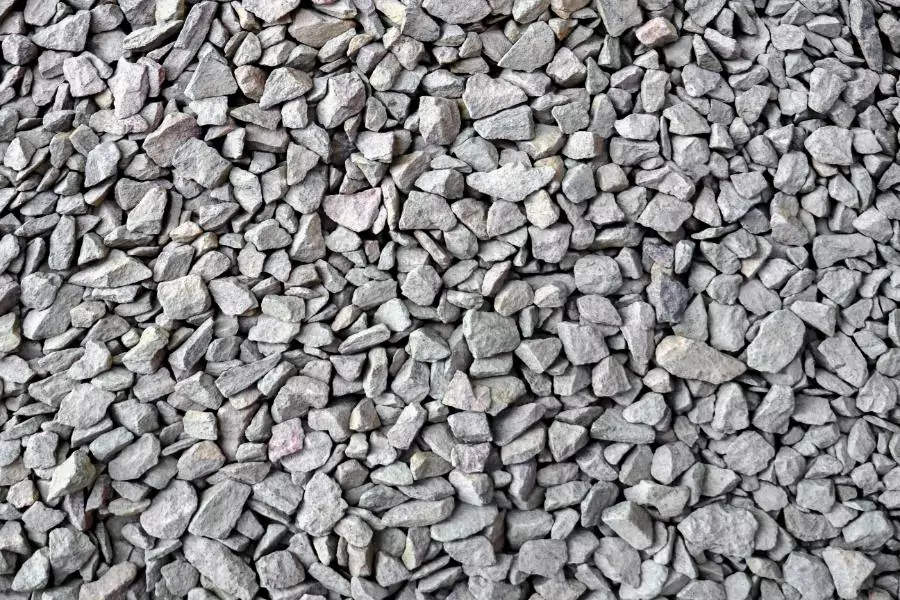
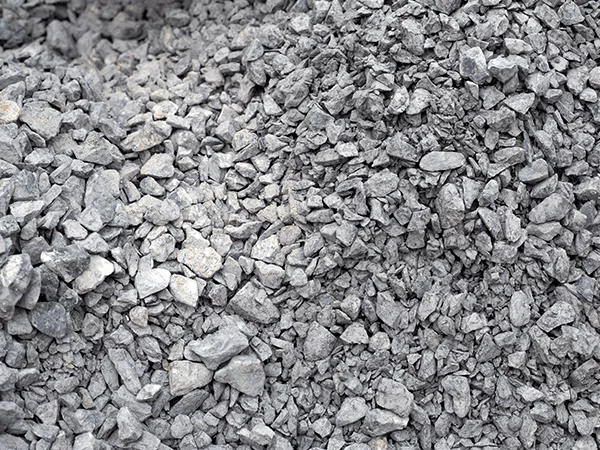


Gravel Monkey is your trusted supplier of premium aggregates and construction materials in Mooreton, North Dakota. Serving the Richland County agricultural community and Red River Valley residents, we deliver high-quality crushed stone, gravel, sand, and soil products directly to your property with free delivery throughout the Mooreton area. Whether you're building a new farm road, upgrading a residential driveway, or working on drainage solutions for the challenging clay soils common to southeastern North Dakota, our comprehensive selection of aggregates meets every project requirement.
Complete Aggregate & Material Selection for Mooreton Projects
Our inventory includes specialized aggregates designed to perform in North Dakota's demanding climate conditions, from subzero winters with freeze-thaw cycles to spring flooding concerns along the Red River basin. We stock materials suitable for agricultural, residential, commercial, and municipal applications throughout Mooreton and neighboring communities including Galchutt, Dwight, and Mantador.
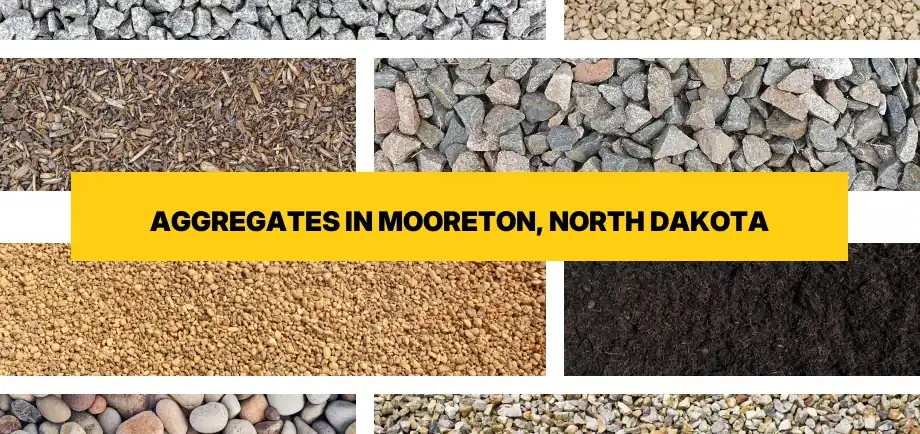
- 3/4 Inch Crushed Stone - Angular aggregate ideal for compactable bases resisting frost heave
- #57 Stone - Clean stone for drainage applications and decorative landscaping
- Road Base - Heavy-duty compactable material for farm lanes and access roads
- Crusher Run - Stone and fines blend creating maximum compaction and stability
- Driveway Gravel - Durable aggregate specifically sized for residential driveways
- Drain Rock - Clean stone for French drains and foundation drainage systems
- Crushed Concrete - Recycled material perfect for economical farm roads and sub-bases
- Pea Gravel - Smooth decorative stone for pathways and garden beds
- River Rock - Natural rounded stone for aesthetic landscaping features
- Walkway Gravel - Sized specifically for comfortable pedestrian paths
- Decomposed Granite - Natural paving material that compacts into firm surfaces
- Topsoil - Nutrient-rich soil for gardens and lawn establishment
- Fill Dirt - Grading material for leveling and elevation adjustments
- Mason Sand - Fine sand for mortar mixing and masonry work
- Playground Sand - Safe, clean sand for residential play areas
- Washed Sand - Clean construction sand for concrete and paver applications
Understanding Mooreton's Unique Soil Conditions
The Mooreton area sits within the glacial Lake Agassiz plain, characterized by heavy clay soils with high plasticity and poor natural drainage. This clay-rich till soil, deposited during the last ice age, presents specific challenges for construction and agricultural projects. The expansive clay soils can swell when wet and shrink during dry periods, creating movement that damages structures built without proper aggregate base preparation.
Mooreton experiences average annual precipitation of approximately 22 inches, with most falling during spring and early summer months. Combined with snowmelt from winters averaging 40 inches of snowfall, managing water drainage becomes critical for any construction project. The region's extreme temperature swings—from summer highs near 85°F to winter lows reaching -20°F or colder—create severe freeze-thaw cycling that tests aggregate durability.
These geological and climate factors make proper aggregate selection essential for long-lasting infrastructure. Angular crushed stone compacts tightly and resists frost heaving far better than rounded materials. Adequate base depth—typically 6 to 8 inches for residential driveways and 12 inches or more for agricultural roads bearing heavy equipment—ensures structures remain stable through seasonal changes.
Agricultural Applications for Richland County Farms
Mooreton's agricultural heritage demands materials that withstand heavy equipment loads and constant use during critical farming seasons. Local farmers rely on dependable access roads connecting fields to Highway 13 and County Road 16. Our aggregates support vital agricultural infrastructure throughout the rural community.
Farm roads constructed with proper aggregate bases remain passable during spring thaw when clay soils turn muddy and impassable. Crushed angular stone creates a firm foundation that prevents vehicles from becoming stuck, ensuring equipment can reach fields when timing matters most for planting and harvesting operations. The stone's drainage properties also help water percolate through rather than pooling on road surfaces.
Grain bin pads and equipment storage areas require level, well-draining surfaces that support heavy concentrated loads. Properly compacted aggregate bases distribute weight effectively, preventing settling that can damage structures over time. Many Mooreton area farmers also use aggregates for cattle feeding areas and barnyard hardstanding, where drainage and cleanliness matter for livestock health.
Aggregate Comparison Guide for North Dakota Climate
Different aggregates serve distinct purposes, especially in Mooreton's challenging climate. This comparison helps you select the right material for your specific project requirements:
| Aggregate Type | Best Applications | Compaction | Drainage | Freeze-Thaw Performance |
|---|---|---|---|---|
| 3/4" Crushed Stone | Driveways, foundations, bases | Excellent | Very Good | Superior |
| Road Base | Heavy traffic areas, farm roads | Outstanding | Good | Excellent |
| Crusher Run | Structural bases, parking areas | Maximum | Moderate | Excellent |
| Crushed Concrete | Farm lanes, sub-bases, grading | Very Good | Good | Good |
| #57 Stone | Drainage systems, septic fields | Minimal | Excellent | Superior |
| Pea Gravel | Landscaping, pathways, decorative | Poor | Very Good | Good |
| Decomposed Granite | Walkways, patios, natural paths | Good | Good | Fair |
Residential Aggregate Solutions for Mooreton Homeowners
Homeowners in Mooreton face unique challenges maintaining properties on the heavy clay soils typical of Richland County. Proper drainage becomes essential for protecting foundations from water damage, especially during spring when snowmelt combines with seasonal rains. Many residential properties require French drain systems or surface drainage improvements to direct water away from structures.
Residential driveways in the Mooreton area need substantial aggregate bases to remain stable through winter freeze-thaw cycles. A typical installation includes 6 to 8 inches of compacted angular stone, providing both structural support and drainage. This prevents the driveway from developing ruts and potholes as frost leaves the ground each spring. The investment in proper aggregate base saves money long-term by eliminating constant repair needs.
Drainage Solutions for Clay Soil Challenges
Clay soils around Mooreton shed water rather than absorbing it, creating standing water problems that damage lawns, gardens, and foundations. Strategic use of drainage aggregates solves these issues effectively. French drains installed with clean stone along foundation perimeters intercept water before it reaches basements, while surface swales lined with aggregate direct runoff away from buildings.
Many Mooreton residents install aggregate-based dry wells or infiltration basins to manage roof drainage and prevent erosion. These systems use layers of progressively finer aggregates wrapped in geotextile fabric, allowing water to percolate into surrounding soil gradually rather than creating surface floods during heavy rainfall events common to North Dakota summers.
Seasonal Planning for Aggregate Projects in Mooreton
Timing aggregate projects appropriately ensures optimal results in North Dakota's continental climate. The construction season typically runs from late April through October, with summer months offering the most reliable conditions. Spring projects must account for ground thaw and potential muddy conditions, while fall work races against freezing temperatures that can arrive by late October.
Early summer presents ideal conditions for aggregate base installation. The ground has dried from spring moisture, equipment can access sites easily, and warm temperatures allow proper compaction. Many Mooreton area contractors schedule major projects for June through August when weather remains most predictable and daylight hours extend work time.
Fall projects require close attention to weather forecasts. While temperatures remain workable through September and early October, sudden cold snaps can freeze ground and make compaction difficult. However, fall often brings drier conditions than spring, making it excellent for projects where mud would pose problems. Planning deliveries and work around harvest season also ensures availability when agricultural demands peak.
Winter Considerations and Spring Preparation
While major aggregate projects pause during Mooreton's harsh winters, planning for spring work should begin in late winter. Early orders ensure material availability when weather breaks and ground thaws. Many contractors schedule spring projects during winter months, taking advantage of reduced competition for materials and services.
Spring thaw presents challenges unique to clay soil regions. The ground becomes saturated as frost leaves, creating muddy conditions that make access difficult and compaction nearly impossible. Wise contractors wait until sites firm up before beginning aggregate work, typically by late April or early May depending on the specific spring's weather patterns. Patience during this transition period pays dividends in project quality and longevity.
Serving All Mooreton Area Communities
Gravel Monkey proudly serves Mooreton and surrounding Richland County communities with free delivery of quality aggregates. Our service area extends throughout southeastern North Dakota, supporting both agricultural and residential customers across the region. We understand the local geology, climate challenges, and specific project requirements unique to Red River Valley communities.
Beyond Mooreton proper, we regularly deliver to neighboring areas including Galchutt, where many residents share similar soil and drainage challenges. The rural routes connecting these communities require proper aggregate maintenance to remain passable year-round. We also serve customers in Dwight, Mantador, and along County Road corridors throughout southern Richland County, where agricultural operations depend on reliable access roads and properly constructed equipment pads.
Properties near the Wild Rice River and Antelope Creek particularly benefit from our drainage aggregates, as these low-lying areas face seasonal flooding risks. Understanding local topography helps us recommend appropriate materials for each site's specific conditions. Whether you're located on the higher ground near Highway 13 or managing lower elevation property toward the Red River Valley floor, we provide expert guidance matching aggregates to your situation.
Expert Aggregate Selection Guidance
Choosing the correct aggregate for your Mooreton project ensures optimal performance and longevity. Our team understands how different materials behave in North Dakota's climate and can recommend the best options for your specific application. Factors we consider include intended use, load requirements, drainage needs, aesthetic preferences, and budget constraints.
Base Material Selection
For structural bases requiring maximum stability and load-bearing capacity, angular crushed stone outperforms rounded materials significantly. The irregular edges interlock when compacted, creating a solid matrix that resists movement. This proves especially important in Mooreton's freeze-thaw environment, where stable bases prevent costly frost damage.
Projects needing maximum compaction benefit from materials containing both stone and fines. These graded aggregates compact tighter than single-sized stone, as smaller particles fill voids between larger pieces. The result is a dense, stable base that sheds water while providing structural strength. However, applications requiring rapid drainage, such as septic drain fields or French drains, need clean stone without fines to maintain water flow.
Surface Material Considerations
Surface materials balance functionality with appearance. Agricultural applications prioritize durability and traction over aesthetics, making crushed stone and recycled concrete excellent economical choices. Residential projects often incorporate decorative aggregates like river rock or pea gravel where appearance matters, while still using structural stone underneath for support.
Walkway and pathway materials should provide comfortable walking surfaces. Smaller aggregates like pea gravel or decomposed granite work well for pedestrian areas, though they require edging to prevent spreading. Some homeowners prefer crushed stone with fines for paths, as it compacts into a firmer surface while maintaining a natural appearance that complements rural Mooreton landscapes.
Sustainable Aggregate Practices
Recycled materials like crushed concrete offer environmentally responsible alternatives to virgin stone while providing excellent performance at lower cost. Using recycled aggregates reduces landfill waste and decreases demand for new quarrying, making it an eco-friendly choice for budget-conscious Mooreton area projects. Crushed concrete performs particularly well for farm roads and base applications where appearance matters less than function.
Proper aggregate installation also benefits the environment by improving drainage and reducing erosion. Well-designed aggregate bases prevent soil runoff during heavy rains, protecting water quality in nearby streams and rivers. In agricultural areas, this helps prevent sediment from entering waterways while keeping nutrients and topsoil on fields where they belong.
Permeable aggregate surfaces allow rainwater to infiltrate naturally rather than creating runoff that overwhelms drainage systems. This approach to stormwater management reduces flooding risks while recharging groundwater supplies. Many Mooreton residents are discovering that properly installed aggregate surfaces can help manage the clay soil drainage challenges inherent to the region while supporting environmental stewardship.
Professional Installation Best Practices
Successful aggregate projects begin with proper site preparation. Removing unsuitable topsoil and organic material prevents settling that undermines aggregate bases. In Mooreton's clay soil conditions, excavating to stable subgrade often means removing more material than in sandy soil regions. The investment in proper excavation pays off through stable, long-lasting results.
Compaction quality determines aggregate performance more than any other factor. Multiple lifts of 4-inch layers, each compacted thoroughly with appropriate equipment, create far superior bases compared to dumping entire depths at once. Moisture content during compaction matters too—material should be slightly damp but not wet for optimal densification. The clay soils around Mooreton make drainage during construction important, as excavations can fill with water during wet periods.
Geotextile Fabric Applications
Placing geotextile fabric between native clay soil and aggregate bases prevents mixing that weakens the aggregate layer. The fabric acts as a separation barrier while still allowing water to drain through. This proves especially valuable in Mooreton where aggressive clay soils can migrate upward into aggregate layers over time, contaminating the stone and reducing its structural capacity.
Fabric also distributes loads more evenly across soft subgrades, reducing rutting and settlement. For agricultural roads and driveways on particularly problematic clay soils, geotextile reinforcement can mean the difference between a surface that lasts decades and one requiring constant maintenance. The modest additional cost of fabric typically proves worthwhile for any aggregate base on clay soil.
Maintaining Aggregate Surfaces
Properly installed aggregate surfaces require minimal maintenance but benefit from occasional attention. Grading aggregate driveways every few years restores proper crown and drainage, preventing water from ponding on surfaces. Spring represents an ideal time for this maintenance after winter freeze-thaw cycles have had their effect.
Adding fresh aggregate every several years refreshes surfaces and maintains proper depth. Traffic gradually compacts and displaces stone, creating thin spots that benefit from additional material. This proves especially true in high-traffic areas like driveway approaches and frequently used farm roads. A light top dressing of fresh aggregate keeps surfaces functioning properly for decades.
Keeping drainage systems clear ensures aggregate bases remain stable. Culverts, ditches, and swales should flow freely to carry water away from aggregate surfaces. In Mooreton's spring thaw season, checking that drainage paths remain open prevents water from undermining aggregate bases. A few minutes of preventive maintenance can save expensive repairs later.
Frequently Asked Questions About Aggregates in Mooreton
We deliver crushed stone, road base, driveway gravel, pea gravel, river rock, decomposed granite, drain rock, crusher run, topsoil, fill dirt, crushed concrete, and various sand products throughout Mooreton and surrounding Richland County areas.
Yes! Gravel Monkey offers FREE delivery to Mooreton and the surrounding North Dakota area for all aggregate and material orders.
The amount depends on your project size and type. For driveways, calculate length times width times depth in feet, then divide by 27 for cubic yards. A typical residential driveway needs 3 to 4 inches of base material. Our team can help estimate requirements for your specific Mooreton property.
Crushed angular stone like three-quarter inch crushed stone or crusher run performs best in Mooreton's harsh winter climate. The angular edges interlock and resist frost heaving better than rounded aggregates, while providing excellent drainage to prevent ice buildup.
Absolutely! Crushed concrete is an economical and environmentally friendly option for agricultural access roads in the Mooreton area. It compacts well, provides good drainage, and stands up to heavy farm equipment while being more budget-friendly than virgin stone.
Mooreton sits on predominantly clay-rich glacial till soils common to the Red River Valley region. These heavy soils have poor drainage and high expansion potential, making proper aggregate base layers essential for driveways, foundations, and construction projects.
We typically deliver to Mooreton within 2 to 3 business days of order placement, depending on material availability and seasonal demand. During peak construction season in summer months, we recommend ordering a few days in advance to secure your preferred delivery window.
Most residential aggregate deliveries don't require permits in Mooreton. However, larger commercial projects or work affecting drainage patterns may need approval from Richland County. We recommend checking with local authorities if you're unsure about your specific project requirements.
Ready to Start Your Mooreton Aggregate Project?
Whether you're improving a farm road, installing a residential driveway, addressing drainage challenges in clay soil, or landscaping your Mooreton property, Gravel Monkey provides the quality aggregates you need with free delivery throughout the area. Our expert team understands the unique requirements of working in southeastern North Dakota's demanding climate and challenging soil conditions.
We serve agricultural operations, homeowners, contractors, and municipalities throughout Mooreton and surrounding Richland County communities. From small residential projects to large-scale agricultural infrastructure, we supply the right materials for lasting results. Our commitment to quality products, expert guidance, and reliable service has made us the trusted aggregate supplier for the Red River Valley region.

Need help? Reach out for a quote: