Shop Bulk Materials & Gravel in Makoti, North Dakota
Local Topsoil, Dirt, Sand, Rocks and Gravel near me in Makoti, North Dakota
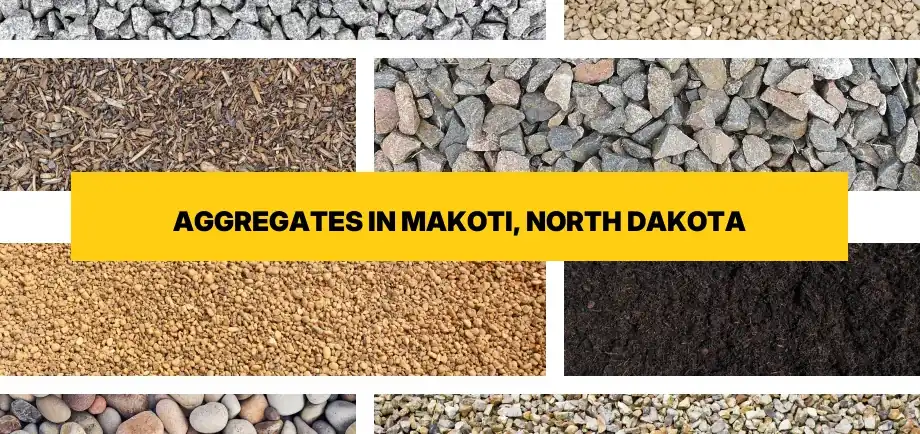
Shop Aggregates for Delivery in Makoti
Order online for free delivery to any Makoti address.
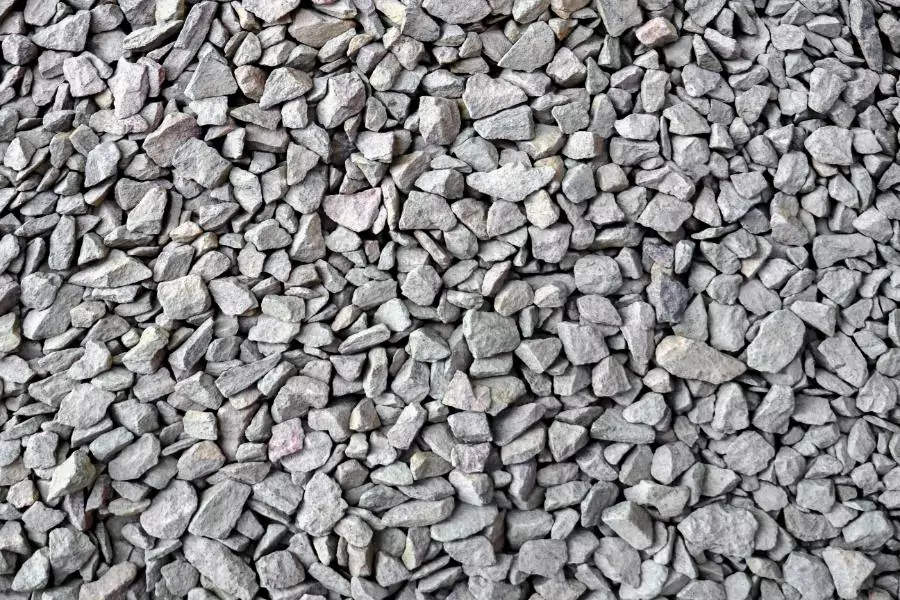
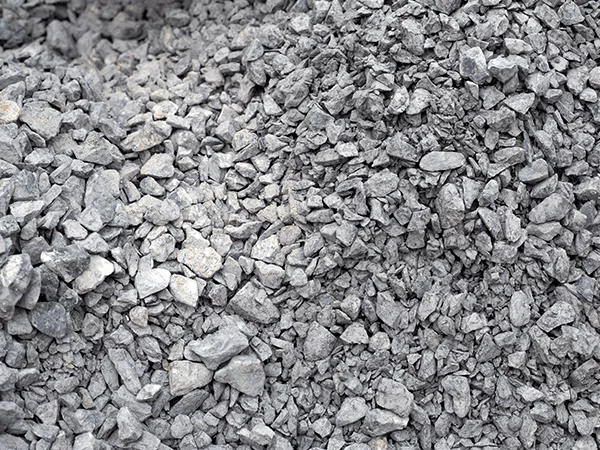


Gravel Monkey is your trusted source for premium gravel and aggregate delivery in Makoti, North Dakota. Serving Ward County and the surrounding agricultural communities, we deliver high-quality materials directly to your property with absolutely free delivery. Whether you're maintaining a farm access road, upgrading your residential driveway, or managing drainage on your rural property near Shell Creek or the Des Lacs River basin, we provide the aggregates and materials you need for lasting results in North Dakota's challenging climate.
Complete Selection of Aggregates and Materials Available in Makoti
Understanding the unique soil conditions and weather patterns of central North Dakota, we offer a comprehensive range of aggregates specifically suited for the Makoti area. Our inventory includes materials tested to withstand the region's freeze-thaw cycles, seasonal moisture variations, and the demands of both residential and agricultural applications.
- Driveway Gravel - Engineered for North Dakota winters and heavy vehicle traffic
- 3/4 inch Crushed Stone - Versatile aggregate for base layers and drainage applications
- #57 Stone - Clean drainage stone perfect for French drains and foundation perimeters
- Crusher Run - Superior compaction for road bases and driveway foundations
- Road Base - Heavy-duty material for farm roads and equipment access routes
- Pea Gravel - Smooth rounded stone for landscaping and decorative applications
- River Rock - Natural aesthetic appeal for garden beds and water features
- Walkway Gravel - Comfortable walking surface for paths and garden trails
- Crushed Concrete - Eco-friendly recycled aggregate for base material
- Drain Rock - Large stone for effective water management systems
- Topsoil - Nutrient-rich soil for gardens and lawn establishment
- Fill Dirt - Essential for grading and leveling projects
- Mason Sand - Fine sand for construction and masonry work
- Playground Sand - Safe, clean sand for children's play areas
- Washed Sand - Clean sand for concrete mixing and landscaping
- Decomposed Granite - Natural pathway material with excellent compaction
Why Makoti Properties Require Quality Aggregates
Makoti's location in central North Dakota presents specific challenges that demand carefully selected materials. The area experiences temperature extremes ranging from winter lows near negative 30 degrees Fahrenheit to summer highs exceeding 90 degrees. This temperature swing of over 120 degrees creates continuous freeze-thaw cycles that can devastate poorly constructed driveways and roads.
The glacial till soils common throughout Ward County contain significant clay content, which expands when wet and contracts when dry. Properties near the Shell Creek watershed and areas closer to Lake Audubon deal with additional moisture management concerns, particularly during spring snowmelt when water tables rise and soil saturation increases.
Local farmers and rural property owners between Makoti and nearby Douglas understand that proper aggregate selection determines whether an access road remains passable year-round or turns into impassable mud during wet seasons. The right base materials combined with effective drainage solutions make the difference between costly annual repairs and long-lasting infrastructure.
Common Aggregate Applications Throughout the Makoti Area
Agricultural and Farm Road Construction
The farming community around Makoti relies heavily on well-maintained access roads for equipment movement, grain hauling, and daily operations. Road base materials provide the compactable foundation needed for roads that support heavy machinery, grain trucks, and livestock trailers. Combined with proper crowned drainage, these aggregates create all-season access routes that withstand spring thaw conditions and summer thunderstorm runoff.
Equipment staging areas, grain bin foundations, and livestock handling facilities all require solid, well-draining surfaces. Crusher run excels in these applications because it locks together when compacted, creating a stable platform that resists rutting under concentrated loads. Properties stretching from Makoti toward Ryder benefit from this material's ability to bridge soft clay subsoils while providing excellent drainage.
Residential Driveways and Rural Access Routes
Homeowners in and around Makoti face unique driveway challenges. The combination of clay-rich soils, significant frost depth reaching 5 to 6 feet, and limited drainage options means driveways require substantial aggregate depth and proper layering. A typical residential driveway in the area benefits from 6 to 8 inches of compacted base material topped with 2 to 3 inches of finishing stone.
Properties located on the outskirts of town or along rural routes often have longer driveways requiring cost-effective solutions. Crushed concrete offers an economical base layer alternative while still providing the structural integrity needed for North Dakota conditions. This recycled material compacts well and provides excellent load distribution, making it ideal for properties with frequent heavy vehicle traffic.
Foundation Drainage and Water Management
Managing water around foundations represents a critical concern for Makoti structures. The expansive clay soils can generate significant hydrostatic pressure against basement walls when saturated, leading to cracking, leaking, and structural damage. Installing proper foundation drainage using drain rock or number 57 stone helps direct water away from structures before it can cause problems.
French drain systems installed around homes and agricultural buildings require clean, angular stone that maintains void space for water flow while filtering out fine soil particles. These drainage systems prove essential during spring snowmelt when water from melting snow needs efficient pathways to move away from structures without saturating foundation soils.
Aggregate Material Comparison for Makoti Projects
| Material Type | Best Applications | Compaction Level | Drainage Quality | Freeze-Thaw Resistance |
|---|---|---|---|---|
| Driveway Gravel | Residential driveways, parking areas | Excellent | Very Good | Excellent |
| 3/4" Crushed Stone | Base layers, general drainage | Very Good | Excellent | Excellent |
| Crusher Run | Road bases, heavy traffic areas | Excellent | Good | Excellent |
| Road Base | Farm roads, equipment pads | Excellent | Good | Very Good |
| #57 Stone | French drains, foundation drainage | Moderate | Excellent | Excellent |
| Drain Rock | Large drainage systems, culverts | Low | Excellent | Excellent |
| Crushed Concrete | Cost-effective base layers | Very Good | Good | Very Good |
| Pea Gravel | Landscaping, walkways, decorative | Poor | Excellent | Good |
| Decomposed Granite | Pathways, patios, natural look | Good | Very Good | Good |
Makoti Area Considerations for Aggregate Projects
Understanding Local Soil Conditions
The soils surrounding Makoti derive primarily from glacial deposits left by retreating ice sheets thousands of years ago. This glacial till creates a mixture of clay, silt, sand, and gravel in varying proportions. While some areas have more favorable coarse-grained soils, many properties deal with clay-rich layers that present engineering challenges.
Clay soils exhibit high plasticity, meaning they change volume significantly with moisture content variations. During wet periods, these soils swell and soften, losing bearing capacity. During dry periods, they shrink and can crack. This cyclical movement affects anything built directly on these soils without proper aggregate base preparation.
Properties closer to Shell Creek or other waterways may encounter higher seasonal water tables, requiring additional attention to drainage design. Elevating roads and driveways above surrounding grade using fill dirt and properly compacted aggregates helps maintain stability and access during wet seasons. The combination of adequate depth, proper materials, and crowned surfaces keeps water moving away from the traveled surface.
Climate Impact on Material Performance
North Dakota winters subject aggregates to severe testing. When water infiltrates into aggregate voids and then freezes, it expands with tremendous force. Materials that trap water without allowing drainage will experience frost heave, creating uneven surfaces and structural damage. This makes drainage capability just as important as load-bearing capacity.
Summer conditions bring different challenges. Extended dry periods followed by sudden thunderstorms can wash away poorly stabilized aggregates. The intense rainfall common during summer storms exceeds the infiltration capacity of clay soils, creating surface runoff that can erode unprotected aggregate surfaces. Properly graded and compacted materials resist this erosion while directing water to appropriate drainage paths.
Temperature cycling between seasons also affects aggregate performance. Materials expand and contract with temperature changes. Aggregates that interlock mechanically, like crusher run and road base, maintain stability through these cycles better than rounded materials that can shift under thermal stress.
Serving Makoti and Surrounding Ward County Communities
Our delivery service extends throughout the greater Makoti area, reaching properties in town and rural locations across central Ward County. We regularly deliver aggregates to:
- Downtown Makoti - Residential properties and municipal projects in the town center
- Rural Route Properties - Farmsteads and acreages along county highways radiating from Makoti
- Shell Creek Area - Properties near the watershed requiring drainage solutions
- Ryder Vicinity - Neighboring community northeast of Makoti
- Douglas Area - Rural properties between Makoti and Douglas
- Max Region - Agricultural operations south toward Max
- Lake Audubon Access Properties - Recreational and residential sites near the reservoir
- Highway 37 Corridor - Properties along the main route through central Ward County
Whether your project sits within Makoti town limits or on a rural section several miles out, we provide the same free delivery service and material quality. Our knowledge of local conditions helps ensure you receive the right aggregates for your specific location's soil type, drainage requirements, and intended use.
Best Practices for Aggregate Installation in Makoti
Proper Base Preparation
Successful aggregate projects start with proper subgrade preparation. In Makoti's clay-rich environment, this often means removing soft topsoil and either stabilizing the clay subgrade or excavating to firm material. The depth of excavation depends on the intended use and the condition of existing soils.
For residential driveways, plan on removing 8 to 12 inches of material to accommodate proper base depth. Farm roads and equipment pads may require 12 to 18 inches or more depending on expected loads. The goal is reaching stable subgrade that won't pump or shift under traffic, then building up with compacted aggregate layers.
Installing geotextile fabric between native soil and aggregate layers provides separation and reinforcement, particularly valuable in wet or soft soil conditions. The fabric prevents fine soil particles from migrating up into the aggregate while allowing water to drain, maintaining the aggregate's structural integrity over time.
Compaction and Layering Techniques
Proper compaction transforms loose aggregate into a solid, load-bearing mass. This requires moisture control, appropriate layer thickness, and adequate compaction equipment. In Makoti's dry climate, adding water during compaction helps achieve optimal density, but too much water in clay subgrades can create problems.
Place aggregates in lifts no thicker than 6 inches before compaction. Thicker layers don't compact uniformly through their depth, leaving soft spots that will eventually fail under traffic. Multiple thin layers, each properly compacted, create superior results compared to one thick layer inadequately compacted.
The type of compaction equipment matters. Vibratory plate compactors work well for residential projects, while larger roller compactors suit farm roads and extensive driveways. The key is achieving 95 percent or better compaction throughout the aggregate depth, creating a stable, durable surface resistant to rutting and settling.
Drainage Integration
Every aggregate project needs a drainage strategy. In Makoti, this typically involves creating crowned surfaces that shed water to the sides, installing culverts where roads cross low areas, and ensuring positive drainage away from structures. French drains using clean drainage stone help manage subsurface water that would otherwise saturate base materials.
Driveway and road crowns should provide at least 2 percent slope from center to edge, allowing water to run off before it can infiltrate. Side ditches or swales need adequate depth and grade to carry water away during spring melt and summer storms. Where water accumulates naturally, installing culverts allows it to pass under rather than over travel surfaces.
Seasonal Project Planning for Makoti Conditions
Spring Installation Challenges
Spring brings both opportunities and challenges for aggregate projects in Makoti. As frost leaves the ground, typically in April through early May, soils soften significantly. This wet season makes heavy equipment access difficult and compaction challenging. However, many property owners need to repair winter damage and prepare for the summer season.
Waiting for soils to dry sufficiently before beginning major projects yields better results. Working in overly wet conditions produces poor compaction, creates rutting from equipment, and wastes materials. If spring work is necessary, using generous aggregate depths and working from a stable area outward helps minimize problems.
Summer and Fall - Optimal Construction Periods
Late May through October represents the prime construction window for aggregate projects around Makoti. Soils have dried sufficiently for good compaction, equipment operates efficiently, and weather conditions generally cooperate. This period sees most driveway installations, road maintenance, and drainage improvements.
Summer thunderstorms require temporary erosion control on projects in progress. Covering loose aggregate piles and creating temporary drainage channels protects materials and prevents sediment runoff. Completing projects before the first hard freeze in mid-October allows adequate time for materials to settle and stabilize before winter.
Winter Material Considerations
While major aggregate installations rarely occur during North Dakota winters, understanding winter behavior helps with planning. Frozen ground provides excellent equipment access, but compaction becomes impossible. Some maintenance work and material stockpiling can occur during winter, preparing for spring construction season.
Winter also reveals drainage deficiencies clearly. Areas where ice accumulates, where snowmelt ponds, or where frost heave occurs identify locations needing improved drainage or additional aggregate depth. Observing winter conditions helps plan summer improvements effectively.
Maximizing Value for Makoti Aggregate Projects
Calculating Accurate Material Quantities
Ordering the right amount of aggregates prevents costly shortages or expensive overages. For rectangular areas, multiply length times width times depth (all in feet), then divide by 27 to get cubic yards. For driveways, measuring at multiple points accounts for width variations and grade changes.
Account for compaction loss when calculating needs. Most aggregates compact 15 to 25 percent from loose volume, meaning you need more material than the finished depth suggests. A driveway requiring 6 inches of compacted depth needs approximately 7 to 8 inches of loose material.
For irregularly shaped areas or complex projects, breaking the area into simpler sections and calculating each separately improves accuracy. Our team can help verify calculations and ensure your delivery includes the right amount for your specific Makoti project needs.
Material Selection for Budget Optimization
While premium aggregates offer superior performance, strategic material selection can optimize costs without sacrificing quality. Using recycled crushed concrete for base layers under a wearing surface of driveway gravel provides excellent performance at reduced cost. The crushed concrete provides needed structure while the top layer offers finished appearance and added stability.
For agricultural roads receiving moderate traffic, road base alone may provide adequate performance without needing additional surfacing material. These decisions depend on specific use patterns, traffic volumes, and performance expectations for your particular Makoti application.
Frequently Asked Questions About Gravel and Aggregates in Makoti
Road base and crusher run are ideal for farm roads around Makoti. These materials compact tightly, resist rutting from heavy equipment, and provide good drainage. For maximum durability under very heavy loads like grain trucks, a thick base of crusher run topped with driveway gravel creates an excellent all-weather surface that handles North Dakota's freeze-thaw cycles.
Most residential driveways in Makoti need 6 to 8 inches of compacted aggregate depth to perform well through our winters. Clay-rich soils may require additional depth or geotextile fabric reinforcement. Agricultural driveways supporting heavy equipment should have 8 to 12 inches of compacted base. Proper depth prevents frost heave damage and maintains a stable surface year-round.
Yes, crushed concrete performs well in Makoti's climate when properly installed. It provides excellent compaction, resists freeze-thaw damage, and costs less than virgin aggregates. Use it for base layers under driveways, farm roads, or equipment pads. The recycled material offers both economic and environmental benefits while delivering the structural performance needed for North Dakota conditions.
For foundation drainage around Makoti homes, number 57 stone or drain rock work best. These clean, angular stones maintain open voids for water flow while preventing soil migration into the drainage system. Install the drainage stone against foundation walls with proper filter fabric, then connect to perimeter drains that carry water away from the structure before it can cause basement moisture problems.
Late May through early October provides optimal conditions for aggregate installation around Makoti. Soils have dried from spring moisture, compaction equipment operates efficiently, and weather generally cooperates. Avoid working during spring thaw when soils are saturated, and complete projects before the first hard freeze to allow settling before winter. Summer and early fall installations perform best.
Makoti's clay soils require aggregates with good drainage and strong compaction characteristics. Crusher run and road base work well because they lock together when compacted, bridging soft clay and providing stability. Proper installation includes adequate depth, compaction in layers, and crowned surfaces for drainage. Some projects benefit from geotextile fabric between clay subgrade and aggregate to prevent mixing and maintain separation.
Preventing spring washouts requires proper road crowning, adequate side drainage, and strategic culvert placement. Build roads with a 2 to 3 percent crown so water sheds to the sides. Maintain side ditches with sufficient depth and grade to carry snowmelt and spring rain. Install culverts where water naturally flows across the road. Using well-compacted road base or crusher run creates a stable surface resistant to erosion.
While you can place walkway gravel during winter, you cannot achieve proper compaction in frozen conditions. For best results, install walkways during warm months when you can prepare the base properly and compact materials adequately. Winter installation may work for temporary paths, but plan to redo the work properly in spring or summer for permanent, stable walkways that drain well and resist displacement.
Get Started with Your Makoti Aggregate Project
Whether you're building a new farm road, repairing a residential driveway, installing drainage systems, or starting a landscaping project, Gravel Monkey delivers the quality aggregates you need throughout Makoti and Ward County. Our free delivery service, extensive material selection, and understanding of local conditions ensure your project starts with the right foundation.
From properties in downtown Makoti to rural farmsteads miles from town, we serve the entire area with the same commitment to quality and service. Our materials withstand North Dakota's demanding climate, providing lasting performance through temperature extremes, moisture variations, and heavy use.
Contact our team today to discuss your project needs, receive material recommendations specific to your Makoti location, and schedule your free delivery. We're here to help ensure your aggregate project succeeds from proper planning through final installation.

Need help? Reach out for a quote: