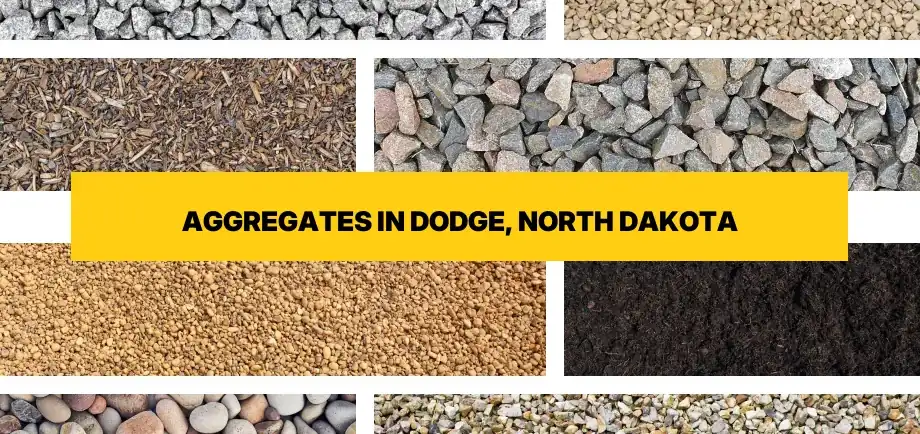
Shop Bulk Materials & Gravel in Dodge, North Dakota
Local Topsoil, Dirt, Sand, Rocks and Gravel near me in Dodge, North Dakota
Shop Aggregates for Delivery in Dodge
Order online for free delivery to any Dodge address.
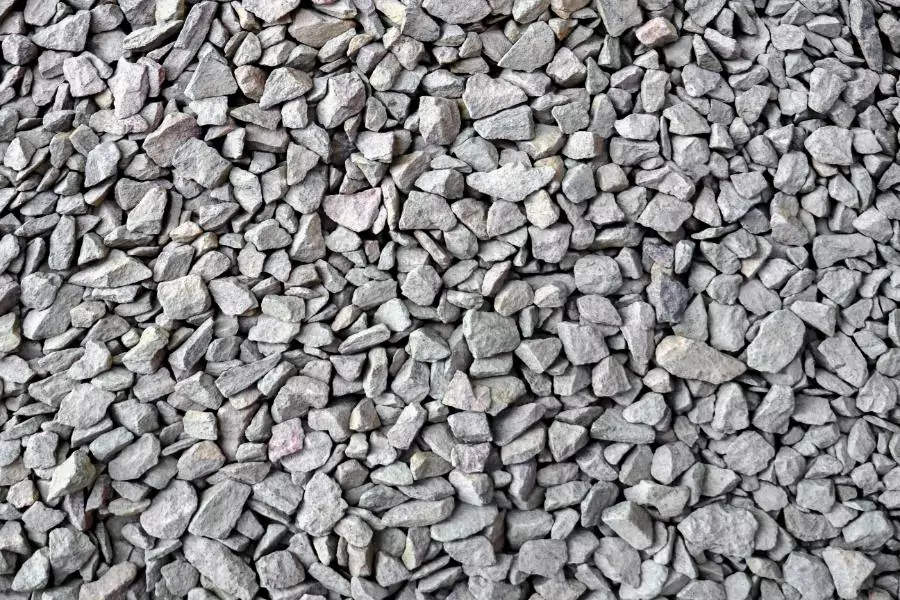
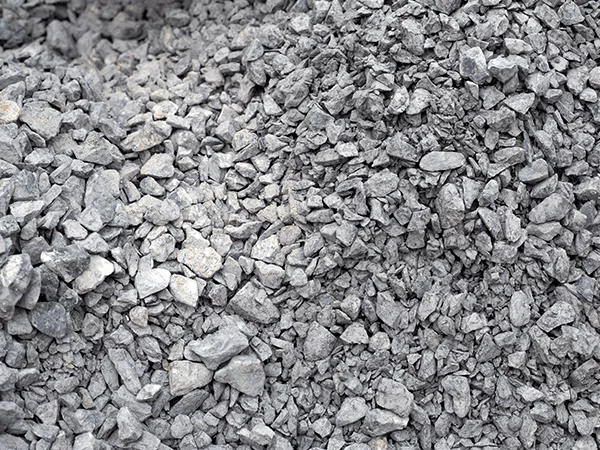


Gravel Monkey is your reliable source for premium gravel and aggregate delivery in Dodge, North Dakota. Serving Dunn County and the surrounding western North Dakota region, we understand the unique challenges that come with the area's expansive clay soils, extreme temperature variations, and harsh winter conditions. Whether you're improving a ranch access road, stabilizing a driveway in town, or working on agricultural drainage projects, we deliver high-quality aggregates directly to your property with free delivery throughout the Dodge area.
Complete Aggregate & Landscaping Materials in Dodge
We offer a comprehensive range of gravel, stone, and aggregate products designed to meet the demanding conditions of western North Dakota. Our materials are selected specifically to perform well in Dodge's climate with its cold winters reaching minus 20 degrees Fahrenheit and hot summers exceeding 90 degrees. Each product serves specific construction, drainage, or landscaping needs:
- Driveway Gravel - Angular aggregate designed for maximum compaction and stability
- 3/4 inch Crushed Stone - Versatile crushed aggregate for driveways, foundations, and base layers
- #57 Stone - Clean crushed stone ideal for drainage applications and concrete work
- Road Base - Heavy-duty compactable material for roads and farm lanes
- Crusher Run - Blend of stone dust and aggregate that compacts tightly for stable surfaces
- Drain Rock - Clean stone specifically sized for foundation drainage and French drains
- Pea Gravel - Smooth rounded stone for landscaping and decorative applications
- River Rock - Natural decorative stone in multiple sizes
- Walkway Gravel - Comfortable aggregate for paths and walking surfaces
- Crushed Concrete - Recycled aggregate perfect for base material and eco-friendly projects
- Topsoil - Quality soil for gardens, lawns, and landscaping beds
- Fill Dirt - Essential material for grading, leveling, and site preparation
- Mason Sand - Fine sand for masonry, paver installation, and concrete mixing
- Playground Sand - Safe, clean sand for play areas and sandboxes
- Washed Sand - Clean sand for various construction and landscaping uses
- Decomposed Granite - Natural material that compacts firmly for paths and patios
Understanding Dodge's Soil and Climate Challenges
Dodge sits in the rugged Badlands region of western North Dakota, where the terrain and soil conditions present unique challenges for construction and landscaping projects. The area is characterized by expansive clay soils derived from Pierre shale formations, which expand significantly when wet and shrink during dry periods. This soil movement creates ongoing challenges for foundations, driveways, and roads.
The climate adds another layer of complexity. Dodge experiences extreme temperature swings, with winter lows frequently dropping below minus 15 degrees and summer highs climbing into the low 90s. Annual precipitation averages around 16 inches, with most moisture arriving during spring and early summer. These freeze-thaw cycles stress any construction material, making proper aggregate selection and installation critical.
The region's expansive soils require excellent drainage solutions. Without proper gravel bases and drainage materials, water infiltration causes soil expansion that can damage structures, heave driveways, and create persistent maintenance problems. Smart aggregate use addresses these challenges by providing stable bases, effective drainage pathways, and frost-resistant surfaces that withstand North Dakota's demanding conditions.
Aggregate Solutions for Dodge Properties
Driveway Construction and Repair
Driveways in Dodge face constant stress from freeze-thaw cycles and the underlying clay soils. A properly constructed driveway requires adequate depth and appropriate materials. For residential driveways, we recommend a minimum 4-inch base of compacted road base or crusher run, topped with 2-3 inches of angular driveway gravel or crushed stone. This multi-layer approach provides both structural stability and proper drainage.
Angular aggregates outperform rounded materials in Dodge's climate because their sharp edges interlock during compaction, creating a stable surface resistant to rutting and settling. The base layer must extend beyond the driveway edges by at least 6 inches to prevent edge failure. Properties south of town toward Killdeer and rural ranch roads particularly benefit from these heavy-duty aggregate applications.
Agricultural and Ranch Access Roads
Farm and ranch properties around Dodge require durable road surfaces that handle heavy equipment, livestock trailers, and frequent use in all weather conditions. Road base provides the backbone for these applications, offering superior load-bearing capacity when properly compacted. For roads serving oil field traffic or heavy agricultural equipment, a 6-8 inch compacted road base layer topped with 3-4 inches of crushed stone creates a surface that remains functional year-round.
Rural properties near the Knife River or along county roads toward Halliday particularly benefit from crusher run applications. This material combines stone dust with various-sized aggregates, creating a mixture that compacts densely and sheds water effectively. When compacted with proper equipment, crusher run forms a semi-permanent surface suitable for sustained heavy use.
Foundation Drainage Systems
Given Dodge's expansive clay soils, foundation drainage ranks among the most critical applications for aggregates. Water accumulation against foundations leads to soil expansion, hydrostatic pressure, and eventual structural damage. Drain rock placed around foundation perimeters, within French drain trenches, and behind retaining walls provides pathways for water movement away from structures.
Proper foundation drainage systems typically use clean drain rock, free of fines that could clog over time. Number 57 stone works exceptionally well for these applications, providing consistent stone size and excellent drainage characteristics. The aggregate should extend from the footer to within 6 inches of grade, wrapped in quality filter fabric to prevent soil intrusion while allowing water passage.
Aggregate Comparison for Dodge Projects
Selecting the right aggregate depends on your specific application, budget, and performance requirements. This comparison helps identify which materials best suit common Dodge projects:
| Material Type | Best Applications | Compaction | Drainage | Cost Efficiency |
|---|---|---|---|---|
| Road Base | Roads, heavy-duty driveways, parking areas | Excellent | Good | High |
| Crusher Run | Driveways, base layers, compacted surfaces | Excellent | Moderate | High |
| 3/4 inch Crushed Stone | Driveway surfaces, foundation bases, general use | Very Good | Excellent | Moderate |
| Number 57 Stone | Drainage, concrete aggregate, French drains | Good | Excellent | Moderate |
| Drain Rock | Foundation drainage, water management | Fair | Superior | Moderate |
| Crushed Concrete | Base layers, temporary roads, fill material | Very Good | Good | Very High |
| Pea Gravel | Landscaping, paths, decorative areas | Poor | Good | Low |
| Decomposed Granite | Walking paths, patios, xeriscape areas | Good | Moderate | Moderate |
Serving Dodge and Surrounding Communities
We proudly deliver aggregates throughout Dodge and the broader Dunn County region. Our service area encompasses the challenges and opportunities unique to western North Dakota's landscape and development patterns.
In downtown Dodge, properties benefit from our convenient delivery of topsoil and decorative aggregates for residential landscaping. The residential areas extending north and east of Main Street often require drainage solutions and driveway materials that address the clay-rich subsoils common throughout town. South of Dodge toward Killdeer, ranch properties and agricultural operations rely on road base and crusher run for maintaining access roads that serve working operations year-round.
West toward the Badlands region, properties face particularly challenging soil conditions where proper aggregate applications prove essential for long-term success. East along Highway 200 toward Halliday, both residential and agricultural customers depend on quality drainage rock and driveway materials. North toward Beulah and Hazen, agricultural operations and newer residential developments continue to expand, creating steady demand for fill dirt, topsoil, and structural aggregates.
Rural properties throughout Dunn County, from working ranches to recreational land parcels, share common needs for durable surfaces and effective drainage. Whether you're located in town or managing a remote property miles from the nearest paved road, Gravel Monkey delivers the aggregates you need with the same commitment to quality and service.
Aggregate Installation Best Practices for Dodge
Proper installation determines whether your aggregate project succeeds or requires ongoing maintenance. North Dakota's demanding climate and challenging soils make correct installation procedures essential.
Site Preparation Fundamentals
Begin every project with thorough site preparation. Remove existing vegetation, organic material, and unstable soils from the project area. In Dodge's clay-rich environment, achieving stable subgrade often requires excavating deeper than initially planned. For driveways, excavate to at least 6 inches below final grade; for roads and parking areas supporting heavy loads, excavate 8-12 inches.
After excavation, compact the exposed subgrade thoroughly. Clay soils compact best at optimal moisture content—not too wet, not too dry. If your subgrade remains unstable after compaction, consider placing geotextile fabric before aggregate installation. This fabric prevents aggregate from punching into soft clay while allowing water drainage, particularly valuable in areas with high groundwater or poor natural drainage.
Base Layer Installation
The base layer provides structural support for your entire project. Install road base or crusher run in lifts no thicker than 4 inches, compacting each lift thoroughly before adding the next. Compaction equipment matters significantly—plate compactors work for narrow driveways and walks, while roller compactors prove necessary for larger projects and roads.
Proper compaction reduces aggregate volume by 20-30 percent through consolidation. Order accordingly, calculating for this compaction loss in your initial material quantity. For a driveway requiring 4 inches of compacted base, you'll need approximately 5-6 inches of loose material before compaction.
Surface Layer Considerations
After establishing a solid base, the surface layer determines appearance, functionality, and longevity. For driveways, 2-3 inches of angular crushed stone provides excellent traction and drainage while remaining stable under vehicle traffic. Compact this layer as well, though less aggressively than base layers to maintain surface texture.
Grade all surfaces for positive drainage, maintaining at least 2 percent slope away from buildings and toward drainage pathways. In Dodge's freeze-thaw climate, standing water creates ice hazards in winter and accelerates surface deterioration. Crown driveways and roads slightly in the center, allowing water to drain toward edges.
Seasonal Aggregate Considerations in Dodge
North Dakota's dramatic seasonal changes affect aggregate performance and installation timing. Understanding these seasonal factors helps you plan projects effectively and maintain surfaces year-round.
Spring Challenges and Solutions
Spring brings snowmelt, rain, and saturated soils throughout Dodge. This season often reveals winter damage to driveways and roads, including frost heaving, surface rutting, and base failure. While early spring's wet conditions complicate new installations, this timing works well for drainage improvements and washout repairs once soils begin drying.
Springtime aggregate projects require patience. Allow subgrades to dry adequately before beginning installations, or use geotextile fabric to provide working platforms over wet soils. Stone delivery and spreading remain possible during wet periods, but defer compaction until moisture levels decrease. Projects installed in overly wet conditions never achieve proper density and fail prematurely.
Summer Installation Windows
Summer provides ideal conditions for aggregate projects. Dry weather, warm temperatures, and stable ground conditions allow efficient installation with optimal compaction. This season suits all project types, from new driveway construction to road improvements and drainage installations.
Schedule delivery and installation during summer's lower humidity periods when possible. Extremely hot, dry weather can make dust control necessary during spreading and compacting. Light water application during compaction helps achieve density without creating mud, particularly valuable for crusher run and road base applications.
Fall Preparation Projects
Fall represents your last opportunity to complete aggregate projects before winter. Temperatures remain moderate, soil conditions stay workable, and contractors maintain good availability compared to spring's rush. Focus fall projects on winter preparation—repairing damaged surfaces, improving drainage, and adding material to thin sections before freeze-up.
Complete all compaction-dependent projects before ground freezing begins, typically by mid-November around Dodge. Stone can be delivered and spread during early winter, but proper compaction becomes impossible once frost penetrates the ground. Material delivered in late fall can be stockpiled for spring installation if project conditions deteriorate before completion.
Winter Maintenance and Applications
Winter limits new aggregate installations but creates specific material needs. Rough crushed stone applied to icy driveways and roads provides traction without damaging surfaces like salt or sand. This winter stone remains in place after ice melts, working into existing surfaces rather than requiring removal.
Monitor driveways and roads throughout winter for damage signs—settling, rutting, or ice accumulation indicating drainage problems. Document these issues for spring repairs. Some properties maintain stockpiles of aggregate for immediate pothole filling when winter damage occurs, minimizing deterioration until comprehensive repairs become feasible in spring.
Calculating Aggregate Quantities for Dodge Projects
Accurate quantity calculations prevent project delays and minimize waste. Understanding coverage rates and accounting for compaction ensures you order appropriate amounts for your specific application.
Basic Coverage Calculations
Calculate aggregate quantities using this formula: Length (feet) × Width (feet) × Depth (inches) ÷ 12 × 1.4 = Tons needed. The 1.4 multiplier converts cubic feet to tons for typical crushed stone and gravel. For example, a driveway measuring 50 feet long by 12 feet wide with 4 inches of aggregate requires: 50 × 12 × 4 ÷ 12 × 1.4 = 28 tons.
Add 10-15 percent to calculated quantities for compaction loss, uneven subgrades, and edges. This buffer prevents shortages during installation. For projects requiring multiple aggregate layers (base plus surface), calculate each layer separately and sum the totals. Don't forget to account for material extending beyond project edges—driveways need aggregate extending 6-12 inches past edges for stability.
Depth Requirements by Application
Different projects require different aggregate depths. Residential driveways typically need 4-6 inches of compacted material total; commercial driveways and light roads require 6-8 inches; heavy-duty roads and parking areas need 8-12 inches. Foundation drainage typically uses 12-18 inches of drain rock, while French drains require 6-12 inches depending on soil conditions and drainage requirements.
For landscaping applications, pea gravel and river rock typically spread 2-3 inches deep for paths and decorative beds. Decomposed granite walkways perform well at 3-4 inches compacted. Playground sand requires minimum 12-inch depth for safety compliance. When uncertain about appropriate depths for your Dodge project, consult with our team for recommendations based on local conditions and intended use.
Sustainable Aggregate Practices in Western North Dakota
Environmental stewardship and practical construction needs align through smart aggregate selection and installation practices. Dodge's location in an energy-producing region with agricultural heritage makes sustainable approaches particularly relevant.
Crushed concrete represents one of the most environmentally responsible aggregate choices. This recycled material diverts concrete waste from landfills while providing performance comparable to virgin stone for many applications. Road base and driveway base layers often use crushed concrete effectively, reducing environmental impact without compromising project quality. The material's alkaline nature can actually benefit some applications by neutralizing acidic soils.
Proper drainage design protects both your property and the broader environment. Well-designed aggregate drainage systems prevent erosion, reduce sediment runoff, and protect water quality in local waterways including the Knife River drainage. Using clean drain rock in French drains and foundation systems prevents soil migration while allowing natural water movement, maintaining groundwater recharge while protecting structures.
Native soil preservation should guide site preparation. Excavate only as deep as necessary, and stockpile removed topsoil for reuse in landscaping. Quality topsoil remains valuable for establishing vegetation that controls erosion, reduces dust, and supports local ecology. Around Dodge, where native prairie ecosystems once dominated, maintaining permeable surfaces and preserving soil biology where possible honors the landscape's heritage while supporting practical land use.
Frequently Asked Questions About Gravel in Dodge
We deliver driveway gravel, crushed stone in various sizes including 3/4 inch and #57 stone, pea gravel, river rock, road base, crusher run, drain rock, recycled concrete, topsoil, fill dirt, and multiple sand varieties throughout Dodge and surrounding areas of Dunn County.
Yes! Gravel Monkey offers FREE delivery to Dodge and the surrounding North Dakota area for all gravel and aggregate orders.
The amount depends on your project size. For driveways, calculate length × width × depth, typically 3-4 inches for residential applications. Given Dodge's clay-rich soils and freeze-thaw cycles, proper base depth is essential. Our team can help you estimate the right amount for your specific Dodge property.
For Dodge's extreme temperature variations and freeze-thaw cycles, crushed stone with angular edges provides excellent drainage and stability. Road base or crusher run offers superior compaction, while 3/4 inch crushed stone creates a durable surface that handles North Dakota winters effectively.
Absolutely! We deliver free throughout Dodge and surrounding Dunn County areas including Killdeer, Halliday, and rural properties. Whether you're in town or on a farm or ranch property, we bring quality aggregates directly to your location.
Dodge sits on expansive clay soils that shrink and swell with moisture changes. This creates drainage challenges and foundation movement concerns. Using proper gravel bases, drain rock, and quality topsoil helps manage these soil characteristics and ensures long-lasting construction and landscaping projects.
Summer and early fall provide ideal installation conditions with dry weather and stable soils. Spring installations work once soils dry adequately, typically late April through May. Complete compaction-dependent projects before mid-November when ground freezing begins. Winter limits new installations but allows material delivery for spring projects.
Yes. Dodge's expansive clay soils make foundation drainage critical. Use clean drain rock or #57 stone around foundations, wrapped in filter fabric. Ensure positive drainage away from structures with at least 2 percent slope. Proper foundation drainage prevents soil expansion, water infiltration, and structural damage common in western North Dakota's clay soils.
Quality Aggregates Delivered Free to Dodge
Whether you're maintaining a ranch road, upgrading a residential driveway, or managing drainage challenges on your Dodge property, quality aggregates form the foundation of successful projects. Our comprehensive material selection addresses every application common to western North Dakota, from heavy-duty road construction to decorative landscaping.
Free delivery throughout Dodge and surrounding Dunn County means you receive professional service and quality materials without transportation concerns. Our team understands local soil conditions, climate challenges, and construction practices specific to this region. We're here to help you select appropriate materials, calculate quantities accurately, and ensure your project succeeds from start to finish.
Contact Gravel Monkey today to discuss your aggregate needs. We'll help you choose the right materials for your specific application, provide accurate quantity estimates, and schedule convenient delivery to your Dodge location. Let us supply the quality aggregates that make your project a lasting success.

Need help? Reach out for a quote: