Gravel for Sale in Seaside Park, New Jersey
Local Topsoil, Dirt, Sand, Rocks and Gravel near me in Seaside Park, New Jersey
Shop Aggregates for Delivery in Seaside Park
Order online for free delivery to any Seaside Park address.
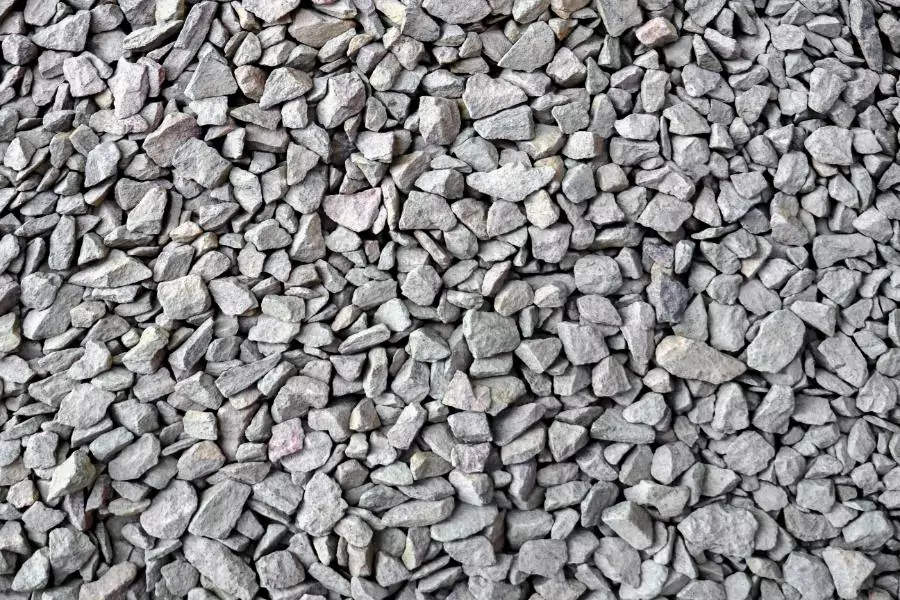
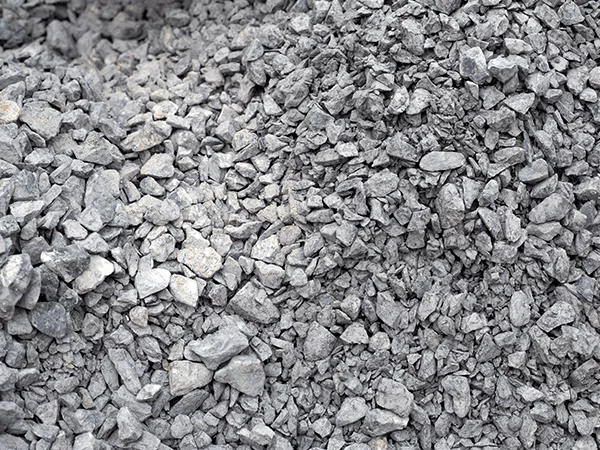


Gravel Monkey delivers premium aggregates, gravel, sand, and soil directly to your Seaside Park property with completely free delivery. Whether you're building a new driveway near Island Beach State Park, improving drainage for your beach block home, or landscaping a bayside property, we supply the quality materials your coastal project demands. From the northern neighborhoods near Ortley Beach to the southern reaches approaching Island Beach State Park, our comprehensive selection of aggregates serves every corner of this barrier island community.
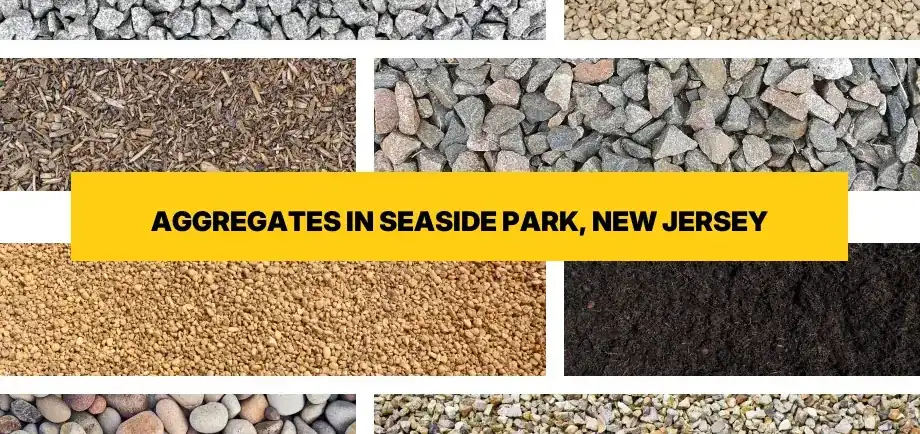
Complete Aggregate & Material Selection for Seaside Park Properties
Our extensive inventory meets the unique demands of Seaside Park's coastal environment. The sandy soil, high water tables, and salt air exposure require specific aggregates that perform reliably in barrier island conditions:
- Driveway Gravel - Compacted base that handles sandy coastal soil conditions
- 3/4 inch Crushed Stone - Versatile aggregate for driveways, foundations, and drainage
- #57 Stone - Standard construction aggregate ideal for drainage applications
- Crusher Run - Compactable base material perfect for barrier island driveways
- Pea Gravel - Salt-resistant smooth stones for walkways and landscaping
- River Rock - Natural decorative stone in multiple sizes
- Walkway Gravel - Specialized aggregate for beach house paths
- Drain Rock - Essential for managing high water tables
- Road Base - Heavy-duty foundation for coastal driveways
- Crushed Concrete - Eco-friendly recycled aggregate option
- Decomposed Granite - Permeable patio and pathway material
- Mason Sand - Fine sand for masonry and paver projects
- Playground Sand - Safe, clean sand for play areas
- Washed Sand - Clean sand for concrete and landscaping
- Topsoil - Nutrient-rich soil for coastal gardens
- Fill Dirt - Essential for grading low-lying barrier island lots
Serving Every Neighborhood Across Seaside Park
Gravel Monkey provides free aggregate delivery throughout Seaside Park's distinct coastal neighborhoods. From beach block properties with ocean views to quiet bayside homes along Barnegat Bay, we understand the specific challenges each area presents. Properties near the Ocean Avenue beach blocks require materials that resist salt spray and handle sandy foundations. Homes in the Central Avenue corridor benefit from our drainage aggregates that manage the high water table common throughout the barrier island.
The northern section near 1st through 8th Avenues, bordering Berkeley Township and Seaside Heights, often needs aggregates for foundation stabilization due to the proximity to Barnegat Bay. Properties in the mid-island neighborhoods from 9th to 16th Avenues frequently require drainage solutions, particularly after Nor'easters and coastal storms. The southern neighborhoods from 17th Avenue to 24th Avenue, approaching Island Beach State Park, face unique challenges with wind-blown sand and require specialized aggregate applications.
Beach block homes along Ocean Avenue and Stockton Avenue need materials that withstand constant salt air exposure. Bayside properties along Bayview Avenue and Bay Boulevard require aggregates for bulkheading, boat ramp areas, and waterfront landscaping. Whether your property sits in the family-friendly sections near Grant Avenue or closer to the pristine beaches near Island Beach State Park's entrance, our aggregate delivery serves every Seaside Park address with the same quality materials and zero delivery fees.
Aggregates Engineered for Seaside Park's Coastal Environment
Seaside Park's barrier island location presents specific environmental factors that influence aggregate selection and performance. The sandy loam and sandy soil composition underlying the entire borough provides minimal structural support, requiring proper aggregate bases for all construction projects. The water table sits remarkably close to the surface throughout Seaside Park, often just 3 to 5 feet below grade, making drainage a critical consideration for every property.
Understanding Barrier Island Soil Conditions
The underlying geology consists primarily of Holocene-age barrier island deposits - unconsolidated sand with limited clay or silt content. This highly permeable soil drains quickly during dry periods but becomes saturated rapidly during storms, raising the water table significantly. Properties throughout Seaside Park, from the beachfront to bayside locations, experience this fluctuation. The absence of bedrock within hundreds of feet means all construction relies entirely on proper aggregate bases rather than deep foundations.
Coastal properties face additional challenges from salt spray, wind-driven sand, and storm surge. Ocean Avenue properties receive constant salt exposure that can degrade certain materials over time. Our recommended aggregates resist salt corrosion and maintain structural integrity despite harsh coastal conditions. The prevailing northeast winds during winter storms can erode improperly installed aggregates, making compaction and proper grading essential for long-term performance.
Climate Impacts on Aggregate Performance
Seaside Park experiences warm, humid summers with temperatures reaching 85-90°F and cold, windy winters with temperatures dropping to the 20s. The coastal location moderates extreme temperatures but increases humidity and precipitation. Annual rainfall averages around 45 inches, with significant precipitation events during Nor'easters from October through March. These storms can drop 3-5 inches of rain within 24 hours, overwhelming inadequate drainage systems.
Freeze-thaw cycles, though less severe than inland New Jersey, still affect aggregate stability from December through February. Coastal storms bring not just precipitation but also storm surge that can raise water levels 3-5 feet above normal high tide. Properties in the flood zones (most of Seaside Park falls within FEMA flood zones) require aggregates that maintain integrity even when temporarily submerged during extreme weather events.
Choosing the Right Aggregates for Your Seaside Park Project
Different projects throughout Seaside Park require specific aggregate characteristics. Understanding which material suits your particular application ensures optimal performance and longevity in our coastal environment:
| Aggregate Type | Best Applications | Coastal Benefits | Typical Size |
|---|---|---|---|
| Crusher Run | Driveway base, parking areas | Compacts firmly in sandy soil | Varies to fines |
| 3/4 inch Crushed Stone | Driveways, foundations, general use | Excellent drainage, resists erosion | 3/4 inch nominal |
| #57 Stone | Drainage systems, French drains | Handles high water table conditions | 3/4 inch nominal |
| Drain Rock | Foundation drainage, water management | Open grading prevents standing water | 3/4 to 1.5 inch |
| Road Base | Heavy-duty driveways, roads | Maximum stability on sand | Dense graded mix |
| Pea Gravel | Walkways, landscaping, patios | Salt-resistant, stays in place | 3/8 inch smooth |
| River Rock | Decorative landscaping, drainage | Natural appearance, weather-resistant | 1 to 3 inch rounded |
| Crushed Concrete | Base material, cost-effective driveways | Compacts well, sustainable option | Varies to 1.5 inch |
| Mason Sand | Paver base, masonry work | Fine consistency for leveling | Fine particles |
| Decomposed Granite | Pathways, permeable surfaces | Allows water infiltration, stable | Fine crushed |
Driveway Aggregates That Perform in Sandy Coastal Soil
Seaside Park driveways face unique challenges that require proper aggregate selection and installation. The sandy soil provides minimal load-bearing capacity, meaning aggregates must create the structural foundation entirely. Properties throughout the borough, from beachfront homes on the east side to bayside residences on the west, all share this underlying sandy condition that demands specific driveway solutions.
For most Seaside Park driveways, we recommend starting with a 4 to 6-inch compacted base layer of either crusher run or road base. These aggregates contain a blend of stone sizes from larger pieces down to fines that pack together tightly, creating a stable platform. The fines fill voids between larger stones, preventing shifting and settling that would occur with uniform-sized aggregates. This compacted base layer distributes vehicle weight across a broader area, preventing the driveway from sinking into the sandy subgrade.
The top layer typically consists of 3/4 inch crushed stone or driveway gravel, providing a 2 to 3-inch wearing surface. This layer should be slightly crowned or sloped to direct water away from structures, critical in an area with 45 inches of annual rainfall. Properties in the flood zone may benefit from permeable driveway designs that allow water infiltration while maintaining stability. The combination of proper base preparation, quality aggregates, and appropriate drainage keeps Seaside Park driveways functional for decades despite challenging soil conditions.
Coastal Driveway Maintenance Considerations
Wind-blown sand accumulation affects driveways near Ocean Avenue and beach blocks. Regular sweeping prevents sand from mixing with driveway aggregates, which can reduce compaction and create loose spots. After major storms or Nor'easters, inspect for washout areas where water may have eroded aggregate material. Top-dressing with additional material every few years maintains proper depth and appearance. Properties in areas with heavy shade from houses may experience slower drainage - ensure proper grading directs water away from structures toward street drainage systems.
Essential Drainage Solutions for High Water Table Properties
Virtually every property in Seaside Park contends with high water tables, making proper drainage the single most important consideration for long-term structural integrity. The barrier island's sandy composition allows water to permeate quickly, but the proximity of both Barnegat Bay and the Atlantic Ocean keeps groundwater levels persistently elevated. During heavy rain events or coastal storms, the water table can rise to within inches of the surface, creating standing water, foundation pressure, and landscape saturation.
Effective drainage systems in Seaside Park typically incorporate multiple approaches. Foundation perimeter drains using drain rock or #57 stone wrapped in filter fabric prevent water from accumulating against basement walls and crawl spaces. These systems channel water to lower collection points or direct it toward street drainage. For properties experiencing persistent yard flooding, French drains filled with drain rock and topped with decorative river rock provide both function and aesthetics while managing excess water.
Properties in the southern neighborhoods near Island Beach State Park and low-lying areas near Barnegat Bay often require comprehensive yard drainage systems. Strategic placement of drainage swales filled with larger aggregates allows water to flow naturally toward collection points. Some properties benefit from dry wells - excavated pits filled with drain rock that provide temporary water storage until it percolates into the sandy soil. These solutions prevent the ponding that mosquitoes and foundation damage both thrive upon.
Storm Water Management Requirements
Ocean County and Seaside Park regulations increasingly emphasize stormwater management to protect both property and coastal water quality. Many projects now require permeable surfaces that allow water infiltration rather than runoff. Aggregates like decomposed granite, pea gravel, and open-graded stone provide compliant solutions that meet regulatory requirements while managing water effectively. Proper aggregate drainage systems reduce stress on municipal storm sewers and decrease property flood risk during the intense rainfall events that coastal New Jersey experiences regularly.
Landscaping Aggregates for Coastal Garden Beauty
Creating attractive, functional landscapes in Seaside Park requires aggregates that withstand salt spray, wind, and the unique soil conditions of a barrier island community. Traditional mulches can blow away during coastal storms, while many organic materials struggle with the salt-laden air. Stone aggregates provide permanent, low-maintenance solutions that complement beach house architecture and coastal garden aesthetics.
Pea gravel remains exceptionally popular for Seaside Park landscapes due to its smooth texture, neutral colors, and resistance to salt corrosion. Properties from Ocean Avenue to Bay Boulevard use pea gravel for garden beds, around foundation plantings, and as ground cover in areas where grass struggles in sandy soil. The 3/8 inch size stays in place better than larger aggregates during windy conditions while providing excellent drainage that prevents root rot in landscape plantings.
River rock serves both functional and decorative purposes throughout Seaside Park. Available in sizes from 1 to 3 inches, these naturally rounded stones create visual interest in coastal gardens while providing excellent weed suppression and moisture retention. Properties near Island Beach State Park often incorporate river rock in naturalistic landscape designs that echo the beach environment. Bayside properties use river rock for shoreline stabilization, around boat docks, and in waterfront landscape beds where traditional materials would wash away.
Pathway and Patio Aggregates
Walkway gravel and decomposed granite create attractive, permeable pathways throughout Seaside Park properties. These materials handle foot traffic well while allowing water infiltration - important in flood-prone coastal areas. Beach house properties often feature crushed shell or decomposed granite paths that provide stable walking surfaces without the heat retention of concrete or asphalt. When properly edged and compacted, these aggregate pathways last for years with minimal maintenance, simply requiring occasional top-dressing to maintain appearance and depth.
Specialized Sand Products for Seaside Park Projects
Beyond traditional aggregates, various sand products serve specific purposes in Seaside Park construction and landscaping. The borough's beach community character means many properties incorporate sand-based elements in both functional and decorative applications. Understanding the different sand types ensures you select the right material for each specific project requirement.
Mason sand provides the fine, consistent particles essential for paver installation, masonry work, and creating level surfaces beneath patios and walkways. Properties throughout Seaside Park use mason sand as bedding material for brick and concrete pavers, ensuring proper leveling and long-term stability. When installing paver patios - increasingly popular alternatives to traditional decks - a 1 to 2-inch layer of mason sand over a compacted aggregate base creates the ideal setting bed.
Playground sand offers safe, clean material for family-friendly properties. Many Seaside Park beach houses include play areas, sandboxes, or outdoor entertaining spaces where children play. Playground sand meets safety standards for residential use while providing the soft, fine texture appropriate for children's play areas. Unlike beach sand that may contain debris, shells, or contaminants, playground sand delivers consistent quality perfect for family properties.
Washed sand serves multiple purposes from concrete mixing to landscape topdressing. Properties undertaking construction projects use washed sand in concrete and mortar mixes, ensuring proper consistency and strength. Landscape applications include topdressing for lawns, improving sandy soil drainage further where needed, and as a component in custom soil blends for coastal gardens. The washing process removes clay, silt, and organic matter, leaving pure sand particles ideal for construction applications.
Topsoil and Fill Dirt for Barrier Island Grading
Many Seaside Park properties require soil products to address grading issues, create planting beds, or raise ground levels in flood-prone areas. The native sandy soil throughout the barrier island provides excellent drainage but lacks the organic content and nutrients necessary for healthy plant growth. Supplementing with quality topsoil allows for successful garden establishment despite challenging coastal conditions.
Premium topsoil contains the organic matter, nutrients, and soil structure that coastal gardens need. Properties establishing new lawns, vegetable gardens, or ornamental plantings benefit from incorporating 4 to 6 inches of topsoil over the existing sandy base. This enriched layer supports root development while maintaining the drainage characteristics essential in Seaside Park's high water table environment. Coastal gardens face additional challenges from salt spray and wind exposure - quality topsoil provides the foundation that helps plants withstand these stressors.
Fill dirt addresses grading and elevation requirements throughout Seaside Park. Properties in flood zones may need to raise ground levels around structures to improve drainage and reduce flood risk. Low-lying areas that collect water during storms require fill to achieve proper grading that directs water away from buildings. Basement and foundation backfill projects use fill dirt to achieve proper compaction and support. When selecting fill dirt, ensure it's free from organic matter that would decompose and settle, causing future grade problems.
Combining Soil and Aggregate Products
Many successful Seaside Park projects combine both soil and aggregate products for optimal results. For example, raised garden beds might use fill dirt for elevation, topsoil for the planting medium, and pea gravel for pathways between beds. Foundation plantings often incorporate topsoil for plant health, drain rock for subsurface drainage, and river rock as a decorative surface mulch. This layered approach addresses both the aesthetic and functional requirements that coastal properties demand.
Proper Aggregate Installation for Coastal Properties
Successful aggregate projects in Seaside Park require attention to installation details that account for sandy soil, high water tables, and coastal weather exposure. Even premium aggregates will underperform if installation doesn't address the unique challenges of barrier island construction. Following proven installation practices ensures your investment delivers lasting performance.
Site Preparation Fundamentals
Begin every aggregate project by excavating to reach stable subgrade. In Seaside Park's sandy soil, this typically means removing any loose surface material until you reach consistently firm sand. The depth varies by project - driveways may require 8 to 12 inches total depth while pathways might need only 4 to 6 inches. Account for the high water table when excavating, particularly in lower-lying areas near Barnegat Bay or in the southern neighborhoods. If you encounter standing water during excavation, additional drainage measures become necessary before proceeding.
Compaction is absolutely critical in sandy coastal soil. Each layer of aggregate material should be compacted to 95% density using a plate compactor or roller. Install aggregates in lifts of no more than 3 to 4 inches, compacting each lift thoroughly before adding the next. Attempting to compact deeper layers in a single pass leaves voids and soft spots that will settle over time, causing depressions and structural failure. The sandy subgrade throughout Seaside Park makes proper compaction even more important than in areas with clay or loam soils.
Drainage Integration
Every aggregate installation in Seaside Park should include drainage considerations. Grade surfaces with a minimum 2% slope to direct water away from structures toward appropriate drainage points. Install edge restraints to prevent aggregate migration during heavy rains or coastal storms. Consider incorporating perforated drainage pipes in the base layer of driveways and patios to channel subsurface water away from the area. Properties near ocean or bay fronts may require more aggressive drainage measures due to increased water exposure and storm surge potential.
Seasonal Installation Considerations
While aggregate projects can proceed year-round in Seaside Park's moderate coastal climate, some seasons offer advantages. Spring and fall provide ideal conditions with moderate temperatures and lower humidity. Summer heat makes compaction more challenging and physically demanding, though projects can certainly proceed. Winter installations require extra attention to frozen ground conditions during cold snaps. Avoid major projects during hurricane season (June through November) or when Nor'easters forecast, as these weather events can disrupt work and damage incomplete installations.
Frequently Asked Questions About Aggregates in Seaside Park
We deliver a complete range of aggregates including driveway gravel, crushed stone, number 57 stone, pea gravel, river rock, crusher run, road base, drain rock, crushed concrete, decomposed granite, plus mason sand, playground sand, washed sand, topsoil, and fill dirt throughout Seaside Park and the barrier island communities.
Yes! Gravel Monkey offers FREE delivery to Seaside Park and surrounding Ocean County areas for all gravel, aggregate, sand, and soil orders. We service the entire barrier island from Ortley Beach to Island Beach State Park.
For coastal Seaside Park properties, we recommend drain rock or crushed stone for drainage due to high water tables and sandy soil. Pea gravel and river rock resist salt spray well. Crusher run provides excellent driveway stability in sandy conditions. All our aggregates handle coastal weather effectively.
For Seaside Park driveways, calculate length times width times depth in feet. Most driveways need 3 to 4 inches of gravel depth. The sandy coastal soil may require additional base material. Our team can help calculate exact quantities for your barrier island property.
Yes, we deliver to properties throughout Seaside Park including areas near Island Beach State Park, the beach blocks, bayside locations, and neighborhoods from 1st Avenue to 24th Avenue. Free delivery applies to all Seaside Park residential and commercial addresses.
Seaside Park properties face high water tables and sandy soil. We recommend drain rock or number 57 stone for French drains, crushed stone for foundation drainage, and properly graded fill dirt for yard leveling. Proper drainage prevents flooding common in barrier island locations during storms and high tides.
Absolutely! We deliver mason sand, playground sand, and washed sand perfect for Seaside Park beach house projects including patios, pavers, sandboxes, and beach-themed landscapes. All sand types are delivered free throughout the borough.
Properly installed aggregates withstand coastal storms effectively when correctly compacted and graded. Crusher run and road base remain stable during Nor'easters and hurricane events. Pea gravel and river rock may require minor redistribution after major storms. Adequate drainage and proper edging help all aggregates resist storm damage and maintain performance through coastal weather events.
Ready to Start Your Seaside Park Aggregate Project?
Whether you're upgrading a driveway near Ocean Avenue, installing drainage systems for your bayside property, or creating beautiful coastal landscaping anywhere in Seaside Park, Gravel Monkey delivers the premium aggregates your project demands. Our extensive selection handles every application from heavy-duty construction to decorative landscaping, all specifically chosen to perform reliably in barrier island conditions.
We understand the unique challenges Seaside Park properties face - sandy soil, high water tables, salt exposure, and coastal storms. Our team helps you select the right aggregates, calculate accurate quantities, and plan installations that deliver lasting results despite challenging coastal conditions. With completely free delivery throughout Seaside Park, Island Beach State Park area, and surrounding Ocean County communities, quality aggregates arrive at your property without added transportation costs.
From the northern neighborhoods near Berkeley Township to the southern reaches approaching Island Beach State Park, from Ocean Avenue beach blocks to quiet Barnegat Bay locations, Gravel Monkey serves every Seaside Park address with the same commitment to quality materials and customer service. Contact us today to discuss your project requirements, receive expert recommendations for your specific application, and schedule free delivery of premium aggregates to your coastal New Jersey property.

Need help? Reach out for a quote: