Shop Sand, Stone & Gravel in Lincoln Park, New Jersey
Local Topsoil, Dirt, Sand, Rocks and Gravel near me in Lincoln Park, New Jersey
Shop Aggregates for Delivery in Lincoln Park
Order online for free delivery to any Lincoln Park address.


Gravel Monkey delivers premium aggregates and stone materials throughout Lincoln Park, New Jersey, serving homeowners and contractors across this thriving Morris County borough. From the residential neighborhoods near Lincoln Park Airport to properties along the Pequannock River, we provide free delivery of high-quality gravel, crushed stone, and construction materials. Whether you're improving a driveway in Ryerson, upgrading drainage near Beavertown, or creating beautiful hardscapes in the Chapel Hill area, our comprehensive selection of aggregates ensures your project succeeds.
Lincoln Park's unique geology, with its clay-rich soil and varied terrain, requires proper material selection for lasting results. Our aggregates are specifically chosen to perform in northern New Jersey's climate, handling freeze-thaw cycles, heavy precipitation, and the expansive clay soils common throughout Morris County. We understand the challenges Lincoln Park property owners face, from managing drainage along slopes to creating stable driveways that withstand harsh winters.
Complete Aggregate & Stone Selection for Lincoln Park Projects
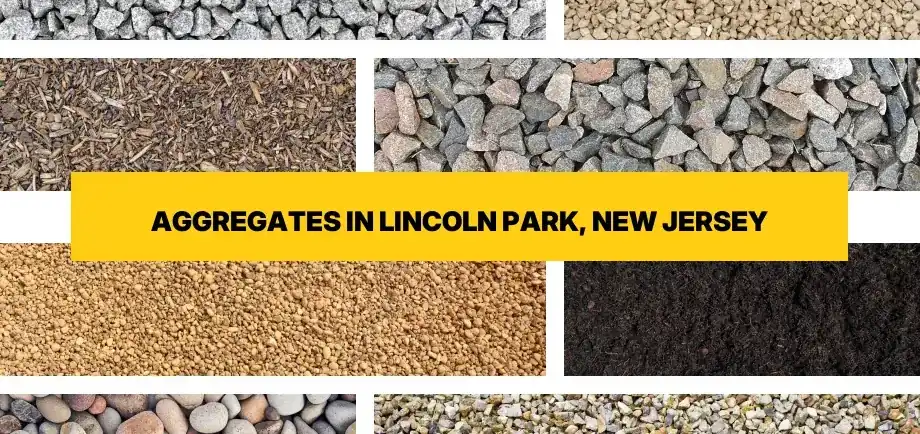
Gravel Monkey stocks an extensive inventory of aggregates suitable for every type of residential and commercial project in Lincoln Park. Our materials meet the demands of New Jersey's climate while providing exceptional value:
- Driveway Gravel - Premium base material engineered for Lincoln Park's freeze-thaw conditions
- 3/4 inch Crushed Stone - Versatile aggregate for foundations, driveways, and drainage applications
- #57 Stone - Industry-standard stone for concrete work and French drain systems
- Crusher Run - Compactable base that locks together for maximum stability
- Road Base - Heavy-duty foundation material for driveways and parking areas
- Drain Rock - Clean aggregate essential for proper water management in clay soils
- Pea Gravel - Smooth decorative stone for pathways and garden beds
- River Rock - Natural aesthetic appeal for landscaping and water features
- Walkway Gravel - Attractive stone perfect for garden paths and outdoor spaces
- Crushed Concrete - Eco-friendly recycled aggregate for sustainable projects
- Decomposed Granite - Natural compacting pathway material with rustic charm
- Topsoil - Nutrient-rich soil for gardens, lawns, and planting beds
- Fill Dirt - Essential for grading, leveling, and site preparation
- Mason Sand - Fine aggregate for masonry, paver bases, and construction
- Playground Sand - Safe, clean sand for play areas and sandboxes
- Washed Sand - Clean, versatile sand for multiple applications
Aggregates for Every Lincoln Park Application
Driveway Construction and Restoration
Lincoln Park driveways face significant stress from seasonal temperature swings, moisture infiltration, and the heavy clay soils characteristic of Morris County. Creating a durable driveway requires selecting aggregates that provide proper drainage while maintaining structural integrity through winter freeze-thaw cycles. Properties in the Ryerson neighborhood and near Comly Avenue benefit from multi-layer construction using compactable base materials topped with finishing stone.
A typical Lincoln Park driveway starts with road base or crusher run as the foundation layer. These aggregates compact tightly, creating a stable platform that resists shifting even in the clay-rich soil common throughout the borough. The base layer should be 4-6 inches deep after compaction, providing adequate support for vehicles while allowing water to percolate through rather than pooling on the surface. Many homeowners near Lincoln Park Airport choose driveway gravel as their top layer for its attractive appearance and excellent traction during winter weather.
Drainage Solutions for Clay Soil Conditions
Lincoln Park sits in an area where clay soil predominates, creating significant drainage challenges for homeowners throughout neighborhoods like Beavertown and Chapel Hill. Clay soil's poor permeability causes water to accumulate on the surface, leading to foundation issues, basement seepage, and landscape erosion. Proper drainage systems using the right aggregates transform problem areas into functional, dry spaces.
French drains remain the most effective solution for managing Lincoln Park's drainage issues. These systems utilize perforated pipe surrounded by clean drain rock, which allows water to flow freely while preventing clay particles from clogging the system. The drain rock creates channels through which water can move, intercepting it before it reaches foundations or low-lying areas. Properties near the Pequannock River particularly benefit from these installations, as the proximity to water sources often correlates with higher water tables and increased drainage needs.
Foundation and Hardscape Bases
Any permanent structure or hardscape in Lincoln Park requires a properly prepared base to prevent settling, cracking, or shifting. The borough's clay soil expands when wet and contracts during dry periods, creating movement that can destroy improperly supported structures. Patios, retaining walls, and shed foundations all need aggregate bases that distribute loads evenly while providing drainage to minimize soil movement.
For patio construction, mason sand provides an ideal leveling layer over a compacted stone base. The fine particles fill voids between pavers while allowing water to drain through. Properties throughout the residential areas near Mountain Way and Comly Road use this proven technique to create stable outdoor living spaces that remain level year after year. The base aggregate layer, typically using crushed stone, should extend several inches beyond the hardscape perimeter to provide edge support and prevent undermining.
Lincoln Park Aggregate Selection Guide
Choosing the right aggregate for your Lincoln Park project depends on your specific application, soil conditions, and aesthetic preferences. This comparison helps you select the optimal material:
| Aggregate Type | Best Applications | Drainage Performance | Compaction Quality | Ideal Lincoln Park Uses |
|---|---|---|---|---|
| Crusher Run | Driveway base, parking areas | Good | Excellent | Foundation layer for all driveways |
| 3/4" Crushed Stone | General purpose, drainage | Excellent | Very Good | Multi-purpose aggregate for most projects |
| #57 Stone | Drainage, concrete work | Excellent | Good | French drains in clay soil areas |
| Road Base | Heavy traffic areas | Good | Excellent | Commercial driveways, parking lots |
| Pea Gravel | Pathways, decorative | Very Good | Poor | Garden paths, landscaping accents |
| River Rock | Decorative landscaping | Very Good | Poor | Water features, decorative beds |
| Drain Rock | Subsurface drainage | Excellent | Fair | Foundation drains, septic systems |
| Crushed Concrete | Base layers, eco projects | Very Good | Very Good | Sustainable driveway bases |
| Decomposed Granite | Natural pathways | Good | Good | Rustic walkways, natural gardens |
Serving All Lincoln Park Neighborhoods
Gravel Monkey provides free aggregate delivery throughout Lincoln Park and surrounding Morris County communities. We know the unique characteristics of each neighborhood and can recommend materials suited to your specific location:
Ryerson Area: This established residential neighborhood features many properties with mature landscaping and aging driveways. The clay-rich soil common here requires aggregates with excellent drainage characteristics. Many homeowners choose crushed stone for driveway renovation projects that address decades of settling and erosion.
Beavertown Section: Located in the southern portion of Lincoln Park, Beavertown sits at lower elevation with higher water tables. Properties here particularly benefit from French drain installations using clean drain rock. Foundation drainage becomes critical in this area, where spring rains and snowmelt can create persistent moisture issues.
Chapel Hill District: This neighborhood features a mix of older homes and newer construction on varying terrain. Sloped properties require proper erosion control, making aggregates essential for both drainage and aesthetic landscaping. Walkway gravel creates attractive paths that manage water flow while enhancing curb appeal.
Mountain Way Corridor: Properties along Mountain Way and connecting streets often sit on higher ground with better natural drainage. However, driveway approaches frequently require substantial base preparation due to grade changes. Crusher run provides the compaction needed for steep driveway sections common in this area.
Near Lincoln Park Airport: Homes near the airport benefit from open spaces and larger lots, ideal for extensive landscaping projects. River rock and pea gravel create stunning decorative features, while proper drainage aggregates protect properties from runoff generated by the airport's impervious surfaces.
Pequannock River Vicinity: Properties near the river face unique challenges with moisture management and flood prevention. Strategic use of aggregates for drainage, combined with proper grading using fill dirt, helps protect these valuable properties from water damage during heavy rain events.
Comly Avenue Area: This central Lincoln Park corridor features a mix of residential and commercial properties. Road base and driveway gravel suit the heavier traffic demands of properties along this busy street, while decorative aggregates enhance the appearance of front yards and entrance areas.
Routes 202 and 80 Corridors: Commercial properties and homes near these major thoroughfares require durable aggregates that withstand increased traffic and exposure. Crushed concrete offers an economical, environmentally responsible choice for large-scale projects, while maintaining the performance characteristics needed for high-use areas.
Understanding Lincoln Park's Geological Challenges
Lincoln Park sits in the Piedmont physiographic province of New Jersey, characterized by rolling terrain, clay-rich soil deposits, and variable bedrock depth. The borough's geology resulted from ancient glacial activity that left behind mixed soil compositions ranging from dense clay to sandy loam, with predominant clay conditions throughout most residential areas. This geological history directly impacts construction and landscaping decisions for Lincoln Park property owners.
The clay content in Lincoln Park soil creates specific challenges that proper aggregate selection addresses. Clay swells when saturated and shrinks during dry periods, causing foundation movement, driveway cracking, and poor drainage. This expansion-contraction cycle intensifies during the freeze-thaw conditions of northern New Jersey winters, when temperatures regularly fluctuate above and below freezing from December through March.
Annual precipitation in Lincoln Park averages 47 inches, distributed fairly evenly throughout the year but with slightly higher amounts during spring and summer months. This consistent moisture challenges drainage systems, particularly in areas with heavy clay soil that sheds water rather than absorbing it. Properties throughout Beavertown and lower-lying areas near the Pequannock River experience the greatest drainage challenges, requiring robust aggregate-based solutions.
Winter conditions in Lincoln Park bring an average of 24 inches of snow annually, with temperatures ranging from the low 20s to mid-30s Fahrenheit. Freeze-thaw cycles occur regularly, stressing driveways, pathways, and foundations. Aggregates with proper gradation and drainage characteristics help mitigate freeze-thaw damage by preventing water accumulation that expands when frozen.
Professional Installation Tips for Lincoln Park Conditions
Proper Base Preparation
Success with any aggregate project in Lincoln Park begins with thorough base preparation. The clay soil requires excavation deep enough to remove unstable material and provide adequate drainage depth. For driveways, excavate 8-12 inches below the finished grade. Remove all organic material, roots, and loose soil. The native clay should be firm and undisturbed at the bottom of the excavation.
Install landscape fabric at the excavation bottom to prevent clay migration into the aggregate layers. This separation layer maintains the integrity of your drainage system and prevents the gradual contamination of clean stone with clay particles. Many Lincoln Park contractors skip this step to save time, but the long-term performance justifies the modest additional effort.
Layering and Compaction Strategy
Build your aggregate base in lifts of 3-4 inches, compacting each layer before adding the next. A plate compactor or jumping jack tamper achieves proper density, particularly important with crusher run and road base materials. Proper compaction prevents future settling that creates depressions and drainage problems. Properties throughout Chapel Hill and Ryerson benefit from professional-grade compaction that ensures decades of performance.
The base layer should use materials with a range of particle sizes that interlock when compacted. Crusher run excels in this application, with its blend of stone dust and larger aggregate creating a nearly impermeable yet stable foundation. Top this base with larger, uniform-sized stone like 3/4 inch crushed stone for the surface layer. This two-layer approach combines stability with drainage performance.
Drainage Integration
Every Lincoln Park aggregate project should incorporate drainage considerations. Create slight crowns in driveways so water sheets to the edges rather than pooling. Install French drains along property boundaries where water tends to accumulate, particularly on properties near Mountain Way where sloped terrain directs runoff from higher elevations.
For projects near the Pequannock River or in lower-lying areas like Beavertown, consider more aggressive drainage solutions. Catch basins connected to subsurface drainage lines using drain rock prevent water accumulation during heavy rain events. The small investment in proper drainage prevents costly repairs and protects your home's foundation from water damage.
Seasonal Aggregate Project Planning in Lincoln Park
Lincoln Park's four-season climate influences optimal timing for aggregate projects. Spring brings increased precipitation and soft ground conditions that can complicate excavation and compaction. However, the season offers moderate temperatures ideal for outdoor work once the ground dries in late April or May. Many homeowners throughout the Comly Avenue area schedule projects for late spring when conditions stabilize.
Summer provides the most consistent weather for aggregate installation, with warm temperatures and generally drier conditions from June through August. The downside includes higher demand for materials and contractors, potentially extending project timelines. The established neighborhoods near Lincoln Park Airport see peak construction activity during summer months when extended daylight hours maximize productivity.
Fall presents excellent conditions for aggregate projects from September through early November. Cooler temperatures make physical work more comfortable, and autumn typically brings drier weather than spring. Completing projects before winter ensures you benefit from improved drainage and access throughout the challenging winter months. Properties throughout Chapel Hill and Ryerson often schedule major renovations for fall installation.
Winter aggregate work in Lincoln Park faces obvious challenges with frozen ground and snow cover. However, some projects proceed during mild periods or address urgent drainage issues that cannot wait for spring. Emergency repairs using properly stored aggregates remain possible during most winter weather, though ideal conditions involve temperatures above 40°F and dry ground.
Calculating Aggregate Quantities for Lincoln Park Projects
Accurate material calculation prevents delays and ensures you order sufficient aggregates for project completion. The basic formula multiplies length times width times depth, all measured in feet, then converts to tons based on material density. Different aggregates have varying weights per cubic foot, affecting the total tonnage required.
For example, a typical Lincoln Park residential driveway measuring 50 feet long by 12 feet wide with a 4-inch (0.33 feet) base depth requires: 50 x 12 x 0.33 = 198 cubic feet. Crusher run weighs approximately 1.4 tons per cubic yard (27 cubic feet), so this project needs: 198 ÷ 27 x 1.4 = 10.3 tons of base material. Add 10-15% extra to account for compaction and irregularities in the excavation.
Drainage projects using drain rock or #57 stone require different calculations. A French drain measuring 50 feet long, 1 foot wide, and 2 feet deep contains 100 cubic feet of material. Clean stone weighs about 1.3 tons per cubic yard, requiring: 100 ÷ 27 x 1.3 = 4.8 tons. Always verify calculations with your supplier, as material densities vary based on moisture content and stone type.
For decorative applications like pea gravel pathways or river rock beds, coverage depends on desired depth. A 2-inch layer of pea gravel covers approximately 120 square feet per ton. A garden path in Beavertown measuring 30 feet long by 3 feet wide (90 square feet) would need roughly 0.75 tons for 2-inch depth. Decorative applications often use shallower depths than structural applications, reducing material requirements.
Sustainable Aggregate Choices for Lincoln Park Properties
Environmental consciousness guides many Lincoln Park homeowners toward sustainable material choices. Crushed concrete represents an excellent eco-friendly alternative to virgin stone aggregates. This recycled material comes from demolished structures, repurposed into functional aggregate rather than filling landfills. It performs comparably to traditional crushed stone while reducing environmental impact and often costing less.
Using crushed concrete supports the circular economy by giving construction waste new life. The material works effectively as a driveway base or parking area foundation throughout Lincoln Park. Its gray color blends naturally with most landscape designs, and its compaction characteristics rival those of crusher run. Properties along Routes 202 and 80 increasingly choose crushed concrete for large projects where cost savings and environmental benefits align perfectly.
Permeable aggregate installations support Lincoln Park's stormwater management goals by reducing runoff. Rather than channeling precipitation directly into storm drains, permeable driveways and patios allow water to infiltrate into the ground. This approach recharges groundwater while reducing the burden on municipal drainage infrastructure during heavy rain events. The technique suits properties throughout residential neighborhoods where traditional impervious surfaces contribute to localized flooding.
Native New Jersey stone sourced from regional quarries minimizes transportation impacts while supporting local economies. Materials mined within 50 miles of Lincoln Park arrive with significantly lower carbon footprints than stone shipped from distant sources. Ask about aggregate origins when ordering materials, choosing suppliers who prioritize local sourcing whenever quality and availability permit.
Frequently Asked Questions About Gravel and Aggregates in Lincoln Park
We deliver a complete range of aggregates including driveway gravel, crushed stone in various sizes, pea gravel, river rock, crusher run, road base, drain rock, recycled concrete, topsoil, fill dirt, and multiple sand varieties throughout Lincoln Park and surrounding Morris County areas.
Yes! Gravel Monkey provides completely FREE delivery to Lincoln Park and the surrounding New Jersey area for all gravel, aggregate, and landscaping material orders. No hidden fees or minimum order requirements for free delivery.
For driveways, calculate length times width times depth in feet. Typically, a 4-inch base requires about 1.2 tons per 100 square feet. Our team can help you calculate the exact amount needed for your specific Lincoln Park property and soil conditions.
For Lincoln Park's clay-rich soil, drain rock or number 57 stone works excellent for French drains and drainage systems. These aggregates provide optimal water flow while preventing soil migration common in northern New Jersey clay conditions.
Absolutely! Crushed concrete is an eco-friendly and cost-effective alternative to traditional stone aggregates. It works great for driveways, base layers, and pathways in Lincoln Park and complies with local green building practices.
Most deliveries to Lincoln Park are completed within 1-3 business days of ordering. We coordinate delivery times that work with your schedule and can accommodate most Morris County locations with flexible timing.
Crusher run and three-quarter inch crushed stone perform excellently in Lincoln Park's freeze-thaw cycles. These aggregates compact well, provide stability during winter months, and resist heaving caused by New Jersey's temperature fluctuations.
Yes, landscape fabric is highly recommended under gravel in Lincoln Park due to the clay-rich soil. The fabric prevents clay migration into your aggregate layers, maintaining drainage performance and extending the life of your driveway or pathway installation.
Start Your Lincoln Park Aggregate Project Today
Whether you're installing a new driveway in Ryerson, improving drainage near the Pequannock River, creating beautiful walkways in Chapel Hill, or addressing any other aggregate need throughout Lincoln Park, Gravel Monkey delivers the materials and expertise you need. Our free delivery service, comprehensive product selection, and understanding of Morris County's unique soil conditions make us the preferred aggregate supplier for Lincoln Park homeowners and contractors.
We serve all Lincoln Park neighborhoods including Beavertown, the Mountain Way corridor, areas near Lincoln Park Airport, properties along Comly Avenue, and communities throughout Morris County. Our team understands the challenges posed by northern New Jersey's clay soil, freeze-thaw cycles, and drainage requirements. We'll help you select the right aggregates for your specific project and property conditions, ensuring lasting results that enhance your property value and functionality.
Contact Gravel Monkey today to discuss your aggregate needs and schedule your free delivery to Lincoln Park, New Jersey. Let us help you transform your property with high-quality materials delivered directly to your site, backed by expert guidance and unmatched customer service.

Need help? Reach out for a quote: