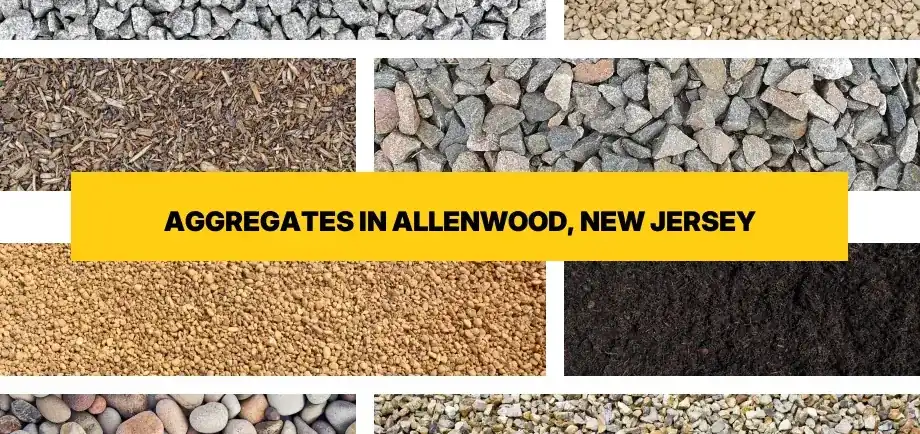
Rock & Driveway Gravel in Allenwood, New Jersey
Local Topsoil, Dirt, Sand, Rocks and Gravel near me in Allenwood, New Jersey
Shop Aggregates for Delivery in Allenwood
Order online for free delivery to any Allenwood address.


Gravel Monkey is your trusted source for premium aggregates and construction materials in Allenwood, New Jersey. Whether you're building a new driveway near Wall Township, creating drainage solutions for properties along the Manasquan River corridor, or landscaping a coastal property in the area, we deliver high-quality gravel and stone directly to your location with absolutely free delivery throughout Monmouth County.
Complete Selection of Aggregates Available in Allenwood
Allenwood's unique position in the New Jersey coastal plain requires materials that can handle the region's sandy soils, coastal humidity, and seasonal weather variations. Our comprehensive inventory serves residential homeowners, commercial contractors, and municipal projects throughout the area:
- Driveway Gravel - Premium compactable base material for lasting driveway installations
- 3/4 inch Crushed Stone - Versatile angular aggregate for foundations and drainage applications
- #57 Stone - Industry-standard crushed stone for superior water management
- Crusher Run - Compactable blend of crushed stone and fines for stable bases
- Pea Gravel - Smooth rounded stones perfect for decorative landscaping
- River Rock - Natural aesthetic stone for gardens and water features
- Road Base - Heavy-duty foundation material for vehicular surfaces
- Drain Rock - Essential aggregate for French drains and water management
- Crushed Concrete - Eco-friendly recycled aggregate for cost-effective projects
- Topsoil - Nutrient-rich soil for gardens and lawn establishment
- Fill Dirt - Quality bulk material for grading and elevation changes
- Mason Sand - Fine sand for bricklaying and masonry work
- Playground Sand - Safe, clean sand for children's play areas
- Washed Sand - Clean sand for multiple construction applications
- Walkway Gravel - Decorative pathway aggregate for attractive walking surfaces
- Decomposed Granite - Natural compactable material for rustic pathways
Understanding Allenwood's Unique Aggregate Needs
Allenwood sits in the coastal lowlands of Monmouth County, where the Manasquan River system creates a landscape characterized by sandy loam soils typical of New Jersey's inner coastal plain. This geology presents specific challenges that require the right aggregate selection for successful construction and landscaping projects.
Coastal Climate Considerations for Material Selection
The climate in Allenwood features humid summers with average temperatures reaching the mid-80s and cold winters that regularly drop below freezing. Annual precipitation averages around 47 inches, with coastal storm systems occasionally bringing intense rainfall that tests drainage infrastructure. These conditions demand aggregates that can handle moisture while providing stability through freeze-thaw cycles.
Properties throughout the Wall Township area and along Route 524 often sit on naturally sandy soil with high permeability. While this helps with drainage, it also means that surface materials need proper base preparation to prevent sinking or shifting. The local water table, influenced by proximity to the Manasquan River and its tributaries, can rise seasonally, making proper aggregate selection critical for long-term project success.
Soil Composition and Aggregate Performance
The Sassafras-Downer soil association common throughout Allenwood consists of well-drained sandy loams formed in marine sediments. This soil structure requires aggregates that provide both drainage and structural support. Angular crushed stone varieties compact better in these conditions compared to rounded materials, creating interlocking structures that resist movement even in sandy substrates.
For projects near Squankum, the slightly different soil composition includes more clay content, requiring different aggregate approaches for optimal results. Understanding these local geological variations helps homeowners and contractors select materials that will perform reliably for decades.
Serving Allenwood's Communities and Surrounding Areas
Gravel Monkey proudly delivers premium aggregates throughout Allenwood and neighboring communities. Our service area includes properties throughout Wall Township, extending to Brielle, Spring Lake Heights, Manasquan, and surrounding Monmouth County locations. Whether your project is in the residential neighborhoods near Allenwood Road or commercial developments closer to Route 34, we ensure timely delivery of quality materials.
Local contractors working on projects from Sea Girt to Point Pleasant rely on our aggregates for their consistency and performance in coastal conditions. We understand the specific requirements of building in this region and supply materials that meet the exacting standards of New Jersey construction codes and best practices.
Best Aggregates for Common Allenwood Projects
Driveway Construction and Renovation
Driveways in Allenwood face unique challenges from coastal humidity, salt air, and seasonal temperature swings. A proper driveway installation starts with excavating the sandy native soil to a depth of 6-8 inches, then building up layers of appropriate aggregates. The foundation layer should consist of road base or crusher run, which compacts into a rock-solid foundation even in sandy conditions.
For the wearing surface, many Allenwood homeowners prefer the traditional look and functionality of gravel driveways. These provide excellent drainage during heavy coastal rains while maintaining a stable surface year-round. The key is using angular aggregates that lock together mechanically rather than relying solely on weight for stability.
French Drains and Water Management Systems
With annual rainfall approaching 50 inches and occasional coastal flooding events, effective drainage is essential for Allenwood properties. French drain installation requires specific aggregate sizes that allow water to flow freely while filtering out fine particles that could clog the system. The angular shape provides void spaces for water movement while the size prevents the stone from washing away during heavy flow events.
Properties in lower-lying areas near the Manasquan River corridor particularly benefit from well-designed drainage systems. Combining proper excavation, quality drain rock, and appropriate pipe sizing creates systems that function reliably even during the most intense weather events common to the Jersey Shore region.
Landscaping and Decorative Applications
The natural beauty of coastal New Jersey properties deserves materials that enhance rather than detract from the landscape. Natural river rock creates stunning focal points around water features, trees, and garden beds throughout Allenwood neighborhoods. The smooth, rounded stones provide a finished appearance while allowing water to percolate through to plant roots.
For homeowners seeking textured pathways that complement traditional coastal architecture, decomposed granite offers a compactable, natural-looking surface that feels at home in the Jersey Shore aesthetic. This material works particularly well for informal garden paths, seating areas, and courtyard surfaces throughout residential properties.
Foundation and Construction Base Preparation
New construction and renovation projects throughout Wall Township require stable foundations that can support structures despite the sandy underlying soils. Proper base preparation starts with excavation to suitable bearing soil, then systematic installation of compacted aggregate layers. Each layer must be properly compacted using mechanical equipment to achieve the density necessary for long-term stability.
Contractors working on commercial projects near Route 34 and residential construction throughout Allenwood depend on consistent aggregate quality to meet engineering specifications. Our materials undergo regular testing to ensure they meet or exceed industry standards for gradation, angularity, and cleanliness.
| Aggregate Type | Best Applications | Drainage Rating | Compaction | Coastal Durability |
|---|---|---|---|---|
| Crusher Run | Driveway base, parking areas | Good | Excellent | Very High |
| #57 Stone | Drainage systems, pipe bedding | Excellent | Moderate | High |
| 3/4" Crushed Stone | General fill, foundations | Very Good | Good | High |
| Pea Gravel | Landscaping, decorative paths | Very Good | Low | Moderate |
| River Rock | Garden beds, water features | Good | Low | Moderate |
| Drain Rock | French drains, perimeter drains | Excellent | Low | Very High |
| Road Base | Heavy-duty foundations | Moderate | Excellent | Very High |
| Decomposed Granite | Pathways, patios | Good | Good | Moderate |
Professional Installation Tips for Allenwood Properties
Proper Base Preparation
Success with any aggregate project starts with proper preparation of the existing ground. In Allenwood's sandy soils, this means excavating deep enough to reach stable subsoil, then systematically building up layers of appropriate materials. Each layer should be no more than 4 inches thick before compaction, ensuring thorough densification throughout the depth of the installation.
Professional contractors throughout Monmouth County know that skipping base preparation steps leads to premature failure, especially in areas with high water tables or traffic loads. Investing time in proper preparation pays dividends in longevity and performance.
Compaction Equipment and Techniques
Achieving proper compaction requires appropriate equipment for the scale of your project. Residential driveways typically need a plate compactor or walk-behind roller, while larger commercial projects may require vibratory rollers or heavy static rollers. The key is applying sufficient energy to force aggregate particles into tight contact without crushing individual stones.
In the sandy soils common throughout Allenwood, moisture content during compaction significantly affects results. Materials that are too dry won't achieve maximum density, while excess moisture causes instability. Professional installers adjust moisture levels throughout the day to maintain optimal conditions for compaction.
Drainage Integration
Every aggregate installation in coastal New Jersey should incorporate deliberate drainage design. This means establishing appropriate grades to direct water away from structures, integrating subsurface drainage where needed, and selecting aggregates that complement rather than impede water movement. Properties near the Manasquan River or in low-lying areas require particular attention to drainage details.
French drain systems should be positioned strategically to intercept water before it reaches critical areas. This often means installing perimeter drains around foundations, interceptor drains upslope from vulnerable areas, and connection to appropriate discharge points that won't create problems for neighboring properties.
Estimating Aggregate Quantities for Your Project
Accurate material estimation prevents costly shortages or expensive surplus disposal. For aggregate projects in Allenwood, calculating the required volume starts with measuring the area in square feet, then multiplying by the desired depth in feet to obtain cubic feet. Divide by 27 to convert to cubic yards, which is how bulk aggregates are typically sold and delivered.
As an example, a residential driveway measuring 12 feet wide by 50 feet long with a 4-inch (0.33 feet) aggregate depth requires: 12 × 50 × 0.33 = 198 cubic feet ÷ 27 = 7.3 cubic yards. Most contractors add 10-15% extra to account for compaction, irregular surfaces, and waste, bringing this project to approximately 8-9 cubic yards of material.
Different aggregate types compact at different rates, so material selection affects final quantities. Crusher run compacts significantly more than pea gravel, meaning you'll need to order more initial volume to achieve the same final thickness. Our team at Gravel Monkey can help you calculate precise quantities based on your specific project requirements and chosen materials.
Seasonal Aggregate Installation in Coastal New Jersey
Timing your aggregate project appropriately can significantly impact results and costs. Spring and fall typically offer ideal conditions in Allenwood, with moderate temperatures and lower humidity making work more comfortable while still allowing proper compaction of materials. The ground is usually neither frozen nor saturated, providing stable conditions for excavation and installation.
Summer projects face challenges from coastal humidity and occasional thunderstorms that can interrupt work and affect material moisture content. However, the long daylight hours and consistent weather patterns make summer a popular time for projects throughout Wall Township and surrounding areas. Winter installation is possible during dry, unfrozen periods, though contractors need to work around shorter days and unpredictable weather.
Coastal storms can deliver several inches of rain in short periods, potentially washing out poorly prepared projects or flooding excavations. Monitoring weather forecasts and having contingency plans for temporary drainage during construction helps prevent weather-related setbacks.
Understanding Aggregate Value and Long-Term Investment
Quality aggregates represent an investment in your property's functionality and appearance that pays dividends for years or even decades. While initial material costs vary based on aggregate type, source, and market conditions, the true value emerges from proper installation and material selection that matches your specific needs.
Crushed concrete offers an economical alternative to virgin stone for many applications, providing excellent structural properties at reduced cost while supporting environmental sustainability through material recycling. This makes it particularly attractive for large projects where budget constraints matter but performance can't be compromised.
The free delivery offered by Gravel Monkey throughout Allenwood and Monmouth County eliminates a significant cost variable, making budget planning more predictable. Combined with our expertise in helping customers select appropriate materials for their specific situations, we help ensure your aggregate investment delivers maximum value.
Environmental Considerations for Aggregate Selection
Modern aggregate selection increasingly considers environmental impact alongside performance and cost. Recycled materials like crushed concrete provide excellent properties while reducing the need for quarrying virgin stone. This conserves natural resources and reduces the carbon footprint associated with material production and transportation.
Permeable aggregate installations allow rainwater to infiltrate naturally into the ground rather than running off into storm sewers. This reduces strain on municipal infrastructure, decreases pollution in local waterways including the Manasquan River, and helps recharge groundwater supplies that many Allenwood residents depend on for well water.
Selecting locally-sourced aggregates minimizes transportation distances, reducing fuel consumption and associated emissions. New Jersey's numerous quarries and recycling facilities provide quality materials with minimal environmental impact from distribution, especially when working with suppliers who optimize delivery routes and logistics.
Frequently Asked Questions About Aggregates in Allenwood
For Allenwood driveways, 3/4 inch crushed stone or crusher run provides the best combination of compaction, drainage, and stability in local sandy soils. These angular aggregates lock together mechanically, creating a stable surface that resists rutting and displacement even with regular vehicle traffic. The base should use crusher run or road base, while the surface can be 3/4 inch stone for a more finished appearance.
In Allenwood's sandy soil conditions, a proper driveway requires 6-8 inches of compacted aggregate depth minimum. This typically means installing 8-10 inches of loose material before compaction. Divide this into two layers: a 4-6 inch base layer of crusher run or road base, topped with 2-4 inches of surface aggregate. Properties with heavy vehicles or problematic soils may need additional depth for long-term stability.
Small decorative projects using pea gravel or river rock are reasonable DIY projects for handy homeowners. However, driveways, parking areas, and structural applications benefit significantly from professional installation. Contractors have the experience, equipment, and expertise to properly prepare the base, ensure adequate compaction, and integrate drainage—all critical for long-term performance in Allenwood's coastal environment. The investment in professional installation typically pays off through superior longevity and fewer problems.
Regular maintenance preserves driveway appearance and functionality. Rake or drag the surface periodically to redistribute aggregate and fill ruts or depressions. Add fresh material every 2-3 years to replace stones that have been driven into the base or displaced. Keep drainage areas clear to prevent water accumulation. In Allenwood's coastal climate, inspect after major storms for washout or erosion, addressing problems promptly before they worsen.
Both crusher run and road base are compactable aggregate blends containing mixed sizes from large stones down to fine particles. Road base typically follows more stringent specifications for particle gradation and may include specific percentages of fine material, making it ideal for heavy-duty applications. Crusher run is slightly less uniform but still provides excellent compaction and stability for most residential and light commercial applications throughout Allenwood at a more economical price point.
French drain aggregate requirements depend on trench dimensions. A typical residential French drain uses a trench 12-18 inches wide and 18-24 inches deep. Calculate the cubic footage (length × width × depth in feet), then divide by 27 for cubic yards. For example, a 50-foot drain that's 12 inches wide and 18 inches deep requires approximately 2.8 cubic yards of drain rock. Always order 10-15% extra to ensure complete coverage and account for irregular trench dimensions.
Crushed concrete performs excellently in most applications where natural crushed stone would be used. It provides similar compaction characteristics, drainage properties, and structural support at a lower cost while supporting environmental sustainability. For base layers, drainage applications, and areas not visible in the finished project, crushed concrete offers outstanding value. Some homeowners prefer natural stone for highly visible areas based on aesthetic preferences, but performance-wise, quality crushed concrete equals or exceeds many natural aggregates.
Spring and fall offer ideal conditions for aggregate installation in Allenwood, with moderate temperatures, lower humidity, and stable weather patterns. These seasons provide comfortable working conditions while the ground is neither frozen nor oversaturated. Summer installations are common and work well when scheduled around weather forecasts to avoid coastal storms. Winter projects are possible during dry, unfrozen periods but require more flexibility for weather delays. Avoid installation during heavy rain or when ground is saturated, as proper compaction becomes impossible.
Get Started with Your Allenwood Aggregate Project
Ready to begin your driveway, drainage, or landscaping project in Allenwood? Gravel Monkey provides expert guidance on material selection, accurate quantity calculations, and free delivery throughout Monmouth County. Our team understands the unique challenges of building in coastal New Jersey and can help you select aggregates that will perform reliably for years to come.
From residential driveways in Wall Township to commercial projects along Route 34, we supply the quality aggregates and professional service that contractors and homeowners throughout the region depend on. Contact us today to discuss your project requirements and schedule your free delivery of premium aggregates to your Allenwood property.

Need help? Reach out for a quote: