
Buy Bulk Aggregates & Gravel in Deepwater, New Jersey
Local Topsoil, Dirt, Sand, Rocks and Gravel near me in Deepwater, New Jersey
Shop Aggregates for Delivery in Deepwater
Order online for free delivery to any Deepwater address.
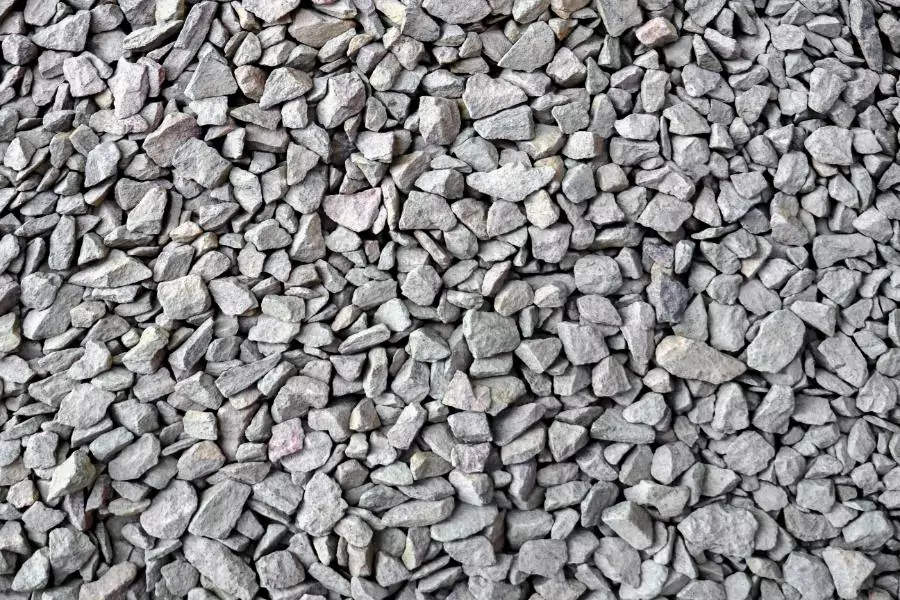
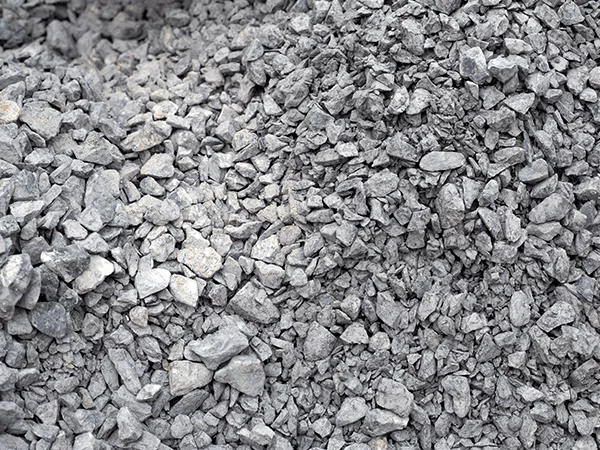


Gravel Monkey is your trusted source for premium aggregates and landscaping materials in Deepwater, New Jersey. Serving this historic Delaware River community in Salem County, we provide free delivery of gravel, crushed stone, sand, and soil products to residential and commercial properties throughout the area. Whether you're building a driveway near the waterfront, improving drainage around historic homes, or starting a landscaping project in Pennsville Township, our high-quality aggregates arrive on time and ready to work.
Comprehensive Aggregate Materials for Deepwater Projects
The unique characteristics of Deepwater's Delaware River basin location demand aggregates that can handle clay-rich soils, seasonal moisture variations, and the occasional freeze-thaw cycle. Our material selection addresses these specific challenges:
- Driveway Gravel - Angular aggregate specifically blended for residential and commercial driveways that compact firmly and drain efficiently
- 3/4 inch Crushed Stone - The workhorse aggregate for foundations, drainage, and driveway applications throughout Salem County
- #57 Stone - Angular crushed aggregate ideal for French drains, septic systems, and concrete projects
- Crusher Run - Superior base material that compacts to create stable, long-lasting foundations for driveways and pathways
- Road Base - Heavy-duty aggregate blend designed for maximum compaction and load-bearing capacity
- Drain Rock - Engineered drainage aggregate that manages water flow in Deepwater's moisture-prone soils
- Pea Gravel - Smooth, rounded aggregate perfect for walkways, decorative landscaping, and ground cover
- River Rock - Natural decorative stone in multiple sizes for water features, garden beds, and aesthetic landscaping
- Walkway Gravel - Specially sized aggregate designed for comfortable, attractive pedestrian pathways
- Crushed Concrete - Eco-friendly recycled aggregate offering excellent value for base layers and fill applications
- Decomposed Granite - Natural aggregate that compacts well for rustic pathways and drought-tolerant landscapes
- Topsoil - Nutrient-rich soil perfect for gardens, lawns, and raised beds across Deepwater properties
- Fill Dirt - Clean fill material for grading, leveling, and construction projects throughout the area
- Mason Sand - Fine, clean sand for mortar mixing, paver installation, and masonry work
- Playground Sand - Safe, certified sand for children's play areas and recreational spaces
- Washed Sand - Clean aggregate sand for concrete, landscaping, and general construction use
Understanding Deepwater's Unique Soil and Climate Conditions
Deepwater's position along the Delaware River creates distinct challenges for aggregate projects. The area sits on alluvial deposits consisting primarily of Keyport-Mattapex association soils - deep, poorly drained clay loams that characterize the tidal lowlands of Salem County. These heavy clay soils expand when wet and contract during dry periods, making proper aggregate selection critical for long-term project success.
The local climate brings approximately 44 inches of annual rainfall, with seasonal patterns that can saturate the already moisture-retentive soils. Winter temperatures occasionally dip below freezing, creating freeze-thaw cycles that can heave poorly constructed bases. Summer humidity remains high due to proximity to the Delaware River and wetlands, maintaining consistent soil moisture levels throughout the growing season.
Aggregate Solutions for Delaware River Basin Soils
Projects near the waterfront industrial areas or in residential neighborhoods closer to Pennsville require aggregates that address drainage challenges. Angular stone materials create void spaces that allow water to move through rather than pool on impermeable clay surfaces. This proves especially important for driveways, foundations, and any hardscaping where standing water can cause damage.
The geology beneath Deepwater consists of Cretaceous and Tertiary formations overlaid with Quaternary alluvium. This creates a complex subsurface where water tables can be relatively high, particularly in areas closer to the river. Proper base preparation using quality aggregates becomes essential for preventing settling and maintaining grade over time.
Serving Deepwater and Surrounding Salem County Communities
Our delivery service covers the entire Deepwater area and extends throughout Salem County. We regularly deliver aggregates to these local areas:
- Waterfront District - Historic industrial areas along the Delaware River requiring specialized drainage solutions
- Pennsville Township - Residential neighborhoods where we supply materials for driveways and landscaping projects
- Penns Grove - Adjacent community served with the same premium aggregates and free delivery
- Carneys Point - Growing residential area where we deliver materials for new construction and renovations
- Salem - County seat where commercial and residential projects benefit from our aggregate selection
- Pedricktown - Rural community requiring materials for long driveways and farm access roads
- Woodstown - Historic town where we supply aggregates for preservation and improvement projects
- Swedesboro - Nearby Gloucester County community included in our extended delivery area
Choosing the Right Aggregate for Your Deepwater Project
Different applications require different aggregate types. This comparison helps match materials to your specific needs:
| Aggregate Type | Best Applications | Drainage Rating | Compaction | Deepwater Advantage |
|---|---|---|---|---|
| Driveway Gravel | Residential driveways, parking areas | Excellent | High | Handles clay soil movement |
| Crusher Run | Base layers, road foundations | Good | Very High | Creates stable base in wet conditions |
| 3/4" Crushed Stone | General purpose, drainage, concrete | Excellent | Medium-High | Versatile for multiple project types |
| #57 Stone | Drainage systems, French drains | Superior | Low-Medium | Manages high water table issues |
| Drain Rock | Foundation drainage, septic systems | Superior | Low | Critical for waterfront properties |
| Pea Gravel | Walkways, landscaping, decorative | Good | Low | Attractive finish for paths |
| River Rock | Decorative landscaping, water features | Good | None | Natural aesthetic for gardens |
| Crushed Concrete | Base layers, fill, rural driveways | Good | High | Cost-effective for large areas |
| Mason Sand | Mortar, pavers, masonry work | Poor | Medium | Essential for hardscape projects |
| Road Base | Heavy-duty applications, driveways | Good | Very High | Maximum stability for heavy loads |
Popular Aggregate Projects Throughout Deepwater
Homeowners and contractors in Deepwater rely on our aggregates for diverse applications that address local conditions.
Residential Driveway Construction and Repair
The clay soils prevalent throughout the area create challenging conditions for driveways. Without proper base preparation, driveways sink, develop ruts, and require constant maintenance. Successful driveway projects start with adequate excavation to remove unstable topsoil, followed by a substantial crusher run base that compacts tightly and resists movement. A top layer of angular driveway gravel or crushed stone provides the finished surface that sheds water and maintains its shape despite heavy clay beneath.
Properties near the Delaware River waterfront face additional moisture challenges. These locations benefit from drainage rock installed along driveway edges to channel water away from the aggregate base. Many homeowners in Pennsville Township and surrounding neighborhoods have discovered that investing in proper base depth and quality aggregates eliminates years of frustration with failing driveways.
Foundation and Drainage Solutions
High water tables and clay soils make foundation drainage critical for Deepwater properties. French drain systems installed with proper drain rock prevent water from compromising foundation walls and basement spaces. The angular void spaces in quality drainage aggregates allow water to flow freely to daylight or collection points rather than pooling against foundations.
New construction and renovation projects throughout Salem County incorporate foundation drainage as standard practice. The relatively flat terrain and proximity to the river mean water doesn't drain naturally - it requires designed systems using appropriate aggregates to function reliably through wet springs and humid summers.
Landscaping and Hardscape Features
Decorative aggregate projects transform Deepwater yards into attractive outdoor spaces. Walkway gravel creates comfortable paths between garden areas, while river rock adds natural beauty to planting beds and around trees. Pea gravel works beautifully for patio areas and children's play spaces where the smooth texture remains comfortable underfoot.
Many properties incorporate multiple aggregate types to create visual interest and functional zoning. A crushed stone patio base supports pavers installed over mason sand, while surrounding gardens feature river rock mulch that suppresses weeds and retains moisture. Decomposed granite pathways through naturalized areas provide firm footing while maintaining a rustic aesthetic appropriate to rural Salem County character.
Commercial and Industrial Applications
The waterfront industrial areas require heavy-duty aggregates for parking lots, loading areas, and access roads. Road base and crusher run provide the foundation for surfaces that must support loaded trucks and equipment. Crushed concrete offers cost-effective solutions for large areas where appearance matters less than function and budget considerations dominate.
Commercial properties throughout Penns Grove and Carneys Point utilize quality aggregates to create professional appearances while managing the challenging soil conditions. Properly constructed parking areas with adequate base depth and drainage provisions last decades with minimal maintenance.
Aggregate Installation Best Practices for Deepwater Conditions
Success with aggregate projects in this Delaware River community requires understanding how materials interact with local soils and climate.
Base Preparation Fundamentals
Clay soil compaction differs significantly from sandy or loamy conditions. The heavy, moisture-retentive nature of Keyport-Mattapex soils means excavation depth becomes critical. Most driveway projects require removing 10-14 inches of existing soil to reach more stable subgrade. This depth allows for 6-8 inches of compacted crusher run base plus 3-4 inches of finish aggregate with proper crown for water shedding.
Geotextile fabric placed between native soil and aggregate base prevents intermixing that degrades performance over time. As clay soils expand and contract with moisture changes, fabric maintains separation while allowing water to drain through to the aggregate layers. This simple addition extends project life significantly in areas with challenging soils.
Compaction and Drainage Requirements
Proper compaction transforms loose aggregates into solid, load-bearing surfaces. Each lift of base material should be compacted to at least 95% density using a vibrating plate compactor for smaller projects or a roller for larger areas. The crusher run base compacts tightly due to its blend of stone sizes and fines, creating an almost concrete-like surface when properly installed.
Drainage design matters as much as aggregate selection. Crowning driveways and parking areas so water runs to edges prevents ponding that softens bases over time. Side swales or drainage rock along edges provide exit paths for water that would otherwise saturate the aggregate layers. Properties in low-lying areas near the river may require more elaborate drainage systems including catch basins and underground piping.
Seasonal Considerations
Spring and fall present ideal installation windows when soil moisture levels stabilize between winter saturation and summer drought. Attempting projects during wet periods creates compaction challenges, while extreme summer heat makes working conditions difficult. The moderate climate of southern New Jersey generally allows year-round aggregate work, though frozen ground in January and February can complicate excavation.
Newly installed aggregate driveways and paths benefit from limited traffic during the first few weeks as materials settle and compact under their own weight. Heavy vehicles should avoid new installations until materials have stabilized, particularly during wet weather when damage occurs more easily.
Estimating Aggregate Quantities for Your Project
Accurate material calculation prevents over-ordering waste or mid-project shortages. Understanding volume requirements helps budget accurately and ensures sufficient materials arrive for completion.
Calculation Methods and Coverage Rates
Aggregate coverage depends on depth and area. For rectangular areas, multiply length times width times depth (all in feet) then divide by 27 to convert cubic feet to cubic yards. A standard residential driveway 12 feet wide and 50 feet long at 10 inches total depth requires approximately 19 cubic yards of material (about 8 yards of crusher run base plus 5 yards of finish aggregate, with extra for crowning and edging).
Circular or irregular areas require different approaches. Calculate square footage then multiply by depth in feet to get cubic feet. Round calculations upward - having excess material proves far better than running short mid-project. Extra crusher run can backfill edges or create parking pads, while extra finish aggregate stores easily for future repairs.
Compaction Factors
Loose aggregates compact 10-20% depending on type. Crusher run compacts significantly, requiring 15-20% more loose material than finished depth suggests. Angular crushed stone compacts less, around 10-15%. Decorative aggregates like pea gravel and river rock settle minimally since they're not mechanically compacted. Ordering calculations should account for these compression factors to ensure adequate coverage.
Dense clay soils in Deepwater require less aggregate than sandy conditions since the stable base doesn't "swallow" materials. However, the extra base depth needed for clay soil conditions offsets this advantage. Most residential projects here use more aggregate than similar projects in areas with better natural drainage.
Sustainable Aggregate Practices in Salem County
Environmental responsibility guides modern aggregate use. Recycled materials, proper installation techniques, and thoughtful design minimize ecological impact while creating functional, long-lasting results.
Crushed concrete exemplifies sustainable aggregate practices. This recycled material diverts construction waste from landfills while providing effective base layers and fill. The material performs comparably to virgin stone for many applications at reduced cost and environmental footprint. Industrial and commercial projects throughout the Deepwater area increasingly specify recycled aggregates where appropriate.
Permeable surfaces using larger aggregates allow stormwater infiltration rather than creating runoff that stresses municipal systems and waterways. Pea gravel paths and crushed stone parking areas function effectively while allowing rain to percolate naturally into groundwater. This approach proves particularly valuable near the Delaware River where protecting water quality matters to the entire ecosystem.
Native soil excavated during projects can often be repurposed rather than hauled away. Clay-rich material works well for berms, grade adjustments, and fill in non-critical areas. This reduces truck traffic, saves disposal costs, and keeps material cycling within the local environment. Combined with appropriate aggregates for structural areas, this integrated approach maximizes resource efficiency.
Frequently Asked Questions About Aggregates in Deepwater, New Jersey
Angular crushed stone and crusher run perform best in Deepwater's clay-rich soils. The angular shapes lock together and resist movement caused by soil expansion and contraction. Crusher run creates an especially stable base because the blend of sizes and fines compacts tightly. Rounded aggregates like pea gravel work fine for surface applications but shouldn't be used alone for bases in clay conditions.
Most successful driveways in Deepwater include 6-8 inches of compacted crusher run base, topped with 3-4 inches of finish aggregate. This 10-12 inch total depth provides adequate structure for the clay soils common throughout Salem County. Properties with particularly poor drainage or heavy vehicle use may benefit from even deeper bases. Excavation should remove all topsoil down to stable subgrade before aggregate placement begins.
Absolutely. Properly installed drainage rock and crushed stone systems effectively manage water in areas with high water tables or poor natural drainage. French drains using drain rock channel water away from problem areas. Foundation drains using angular stone protect basements and crawl spaces. Even properly crowned driveways and parking areas using quality aggregates shed water rather than allowing it to pool and cause damage.
Both materials serve as compactable bases, but road base typically contains larger stone and is engineered for heavier loads. Crusher run includes stone from dust size up to 3/4 inch, creating maximum compaction for residential applications. Road base may include larger aggregate up to 1.5 inches and is specified for commercial or heavy-duty applications. Either material works well in Deepwater's conditions, with choice depending on project requirements and budget.
Gravel Monkey provides FREE delivery throughout Deepwater and Salem County. You pay only for the materials themselves - there's no separate delivery charge. This makes planning projects simpler since the material cost represents your total expense. We serve the entire area from the waterfront to Pennsville Township and surrounding communities with the same free delivery service.
Spring through fall generally provides ideal conditions, though aggregate work can happen almost any time ground isn't frozen. Late spring after soils dry from winter and early fall before heavy rains arrive offer particularly good windows. Summer works fine though extreme heat makes physical work more demanding. Winter projects are possible during mild periods, though frozen ground complicates excavation and compaction becomes more difficult.
Yes, fabric proves valuable in clay soil conditions. It prevents aggregates from mixing with clay over time, maintains drainage properties, and significantly extends project life. The modest additional cost of fabric pays dividends through better long-term performance. Most professional installations throughout Salem County include fabric as standard practice, particularly for driveways and other applications where performance matters.
River rock provides attractive natural appearance in multiple sizes from small to large. Pea gravel offers smooth texture and neutral color that complements plantings. Decomposed granite creates rustic pathways that compact firm while maintaining natural aesthetics. Choice depends on your design vision and how the material will be used. Decorative aggregates work best in areas where drainage and load-bearing capacity aren't primary concerns.
Expert Aggregate Delivery for Your Deepwater Project
Whether you're tackling a residential driveway, commercial parking area, landscaping transformation, or drainage improvement project in Deepwater, Gravel Monkey delivers the quality aggregates you need. Our extensive selection covers every application from heavy-duty road base to decorative river rock, all backed by local knowledge of Salem County soil conditions and climate challenges.
Free delivery throughout the Deepwater area includes the waterfront district, Pennsville Township, and neighboring communities in Salem County. Our team helps you select appropriate materials, estimate quantities accurately, and schedule delivery when it fits your project timeline. From small landscaping projects to large commercial applications, we supply the aggregates that perform reliably in this unique Delaware River environment.
Experience the difference that quality aggregates and knowledgeable service make for your Deepwater property. Contact Gravel Monkey today for expert recommendations and fast, free delivery of premium materials throughout southern New Jersey.

Need help? Reach out for a quote: