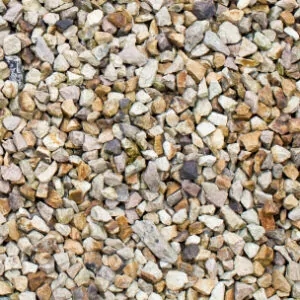
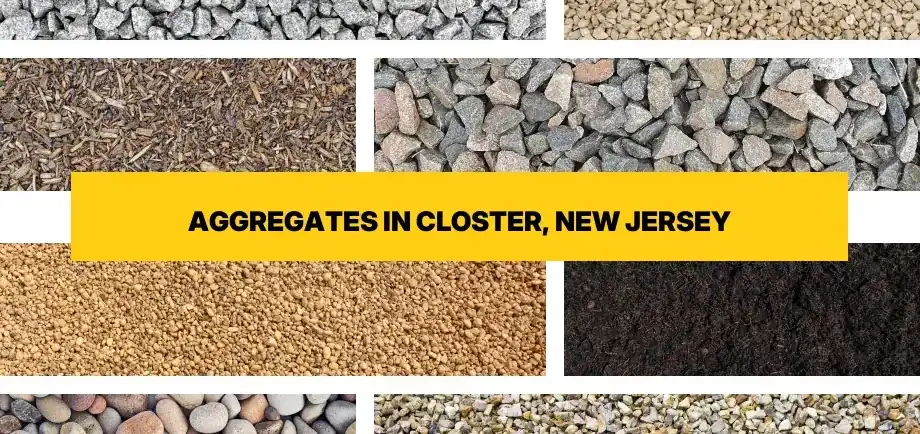
Sand, Aggregates & Gravel for Closter, New Jersey
Local Topsoil, Dirt, Sand, Rocks and Gravel near me in Closter, New Jersey
Shop Aggregates for Delivery in Closter
Order online for free delivery to any Closter address.
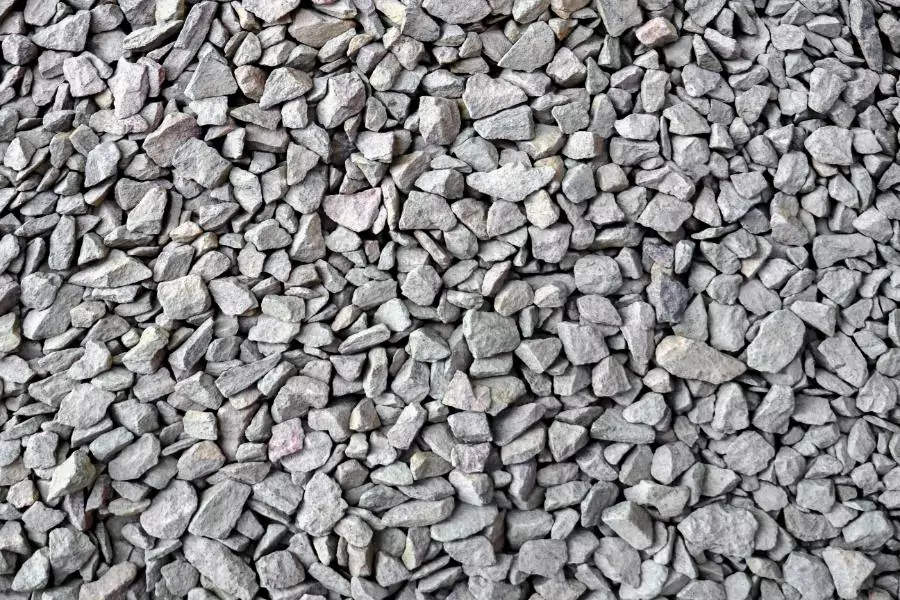
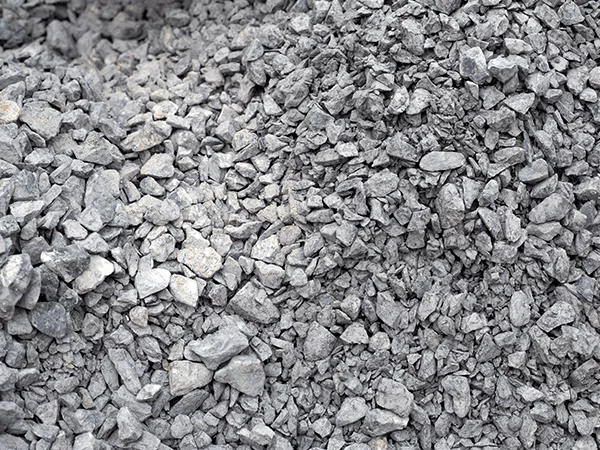


Gravel Monkey is your premier source for high-quality aggregates and bulk materials in Closter, New Jersey. Serving homeowners and contractors throughout this charming Bergen County borough, we deliver premium gravel, stone, sand, and soil directly to your property with absolutely free delivery. Whether you're renovating a home near Closter Plaza, installing drainage systems in the Hillside area, or building a new driveway near Demarest Nature Center, our comprehensive selection of aggregates meets every residential and commercial need across Closter and neighboring communities including Demarest, Alpine, and Norwood.
Complete Aggregate & Material Selection for Closter Properties
Our extensive inventory serves the diverse project requirements throughout Closter's residential neighborhoods and commercial developments. From foundation work to decorative landscaping, we supply the aggregates that Bergen County contractors and homeowners trust:
- Driveway Gravel - Heavy-duty aggregate base for lasting driveway installations
- 3/4 inch Crushed Stone - Versatile aggregate for driveways, foundations, and drainage projects
- #57 Stone - Popular drainage aggregate and concrete mixing material
- Crusher Run - Compactable base aggregate for stable foundations and parking areas
- Road Base - Professional-grade aggregate for pathways and access roads
- Drain Rock - Essential aggregate for French drains and water management systems
- Pea Gravel - Smooth decorative aggregate for walkways and garden beds
- River Rock - Natural stone aggregate for aesthetic landscaping applications
- Walkway Gravel - Fine aggregate perfect for garden paths and pedestrian areas
- Crushed Concrete - Eco-friendly recycled aggregate for sustainable projects
- Decomposed Granite - Stabilizing aggregate for natural-looking pathways
- Topsoil - Nutrient-rich soil for gardens, lawns, and planting beds
- Fill Dirt - Quality grading material for site preparation and leveling
- Mason Sand - Fine sand for masonry work, pavers, and construction
- Playground Sand - Safe, clean sand for play areas and recreational spaces
- Washed Sand - Clean aggregate sand for concrete mixing and landscaping
Aggregate Delivery Throughout Closter's Neighborhoods
Gravel Monkey provides reliable aggregate delivery to every corner of Closter and surrounding areas. Our local knowledge of Bergen County helps us navigate efficiently to your property, whether you're located in established neighborhoods or newer developments.
Key Closter Areas We Serve
We deliver premium aggregates throughout the borough, including the bustling Closter Plaza commercial district, the residential Hillside neighborhood with its mature trees and sloping properties, the scenic areas near Herbert S. Cobb Park, properties along Closter Dock Road close to the Palisades, homes in the Harrington Park border area, and developments near Ruckman Road. Our delivery routes also extend to the historic downtown district along Schraalenburgh Road, properties in the Demarest Avenue corridor, and residential areas throughout eastern and western Closter.
Closter's location in northeastern Bergen County, positioned between the Palisades ridge and the Hackensack River valley, creates unique geological conditions that impact construction and landscaping projects. The area's glacial till soils, deposited during the last ice age, consist of clay-rich material that holds water and requires proper drainage solutions. Many Closter properties experience seasonal water accumulation during spring snowmelt and heavy rainfall events, making appropriate aggregate selection critical for long-term project success.
Choosing the Right Aggregates for Closter's Soil Conditions
Understanding Closter's unique geology helps ensure project longevity and performance. The borough sits atop glacial deposits that create dense, poorly-draining soils in many areas. This geological reality makes drainage aggregates and proper base preparation essential for driveways, foundations, and landscaping features.
Driveway Aggregates for Bergen County Properties
Closter driveways endure significant stress from freeze-thaw cycles during New Jersey winters and summer heat exceeding 85 degrees. The proper aggregate base prevents cracking, settling, and drainage problems common to Bergen County properties. For new driveway construction in neighborhoods like Hillside or near Closter Plaza, we recommend starting with a 4-6 inch layer of compacted crusher run as your base layer. This aggregate blend contains fine particles that lock together when compacted, creating a stable foundation that resists frost heaving.
The top layer should consist of traditional driveway gravel, typically 2-3 inches deep, which provides the working surface. This two-layer system addresses Closter's clay soils by creating a capillary break that prevents ground moisture from wicking upward and causing frost damage. Properties with steeper grades, common near the Palisades escarpment, benefit from adding road base material to high-traffic turning areas for extra stability.
Drainage Solutions for Clay-Rich Soils
Many Closter homeowners face drainage challenges due to the area's naturally heavy soils. French drain systems using drain rock effectively redirect water away from foundations and prevent basement moisture issues prevalent throughout Bergen County. The aggregate's open structure allows water to flow freely while soil particles remain filtered out, preventing system clogging.
Properties near Herbert S. Cobb Park or along the eastern portions of Closter often experience seasonal water table fluctuations. Installing proper drainage with #57 stone around foundation perimeters and beneath yard low spots prevents water accumulation and soil erosion. These angular aggregates interlock to maintain void spaces even under soil pressure, ensuring long-term drainage performance.
Foundation and Construction Aggregates
New construction and additions require properly prepared aggregate bases to prevent settling and structural issues. Closter's building codes reflect the need for adequate foundation preparation in glacial till soils. The standard approach involves excavating below the frost line (approximately 36 inches in northern New Jersey) and installing a compacted 3/4 inch crushed stone base before pouring footings.
This angular aggregate provides load-bearing capacity and drainage, protecting foundations from frost heaving and hydrostatic pressure. For shed pads, patio bases, and retaining walls throughout Closter neighborhoods, the same principle applies—proper aggregate base preparation prevents future movement and cracking. Commercial projects near Closter Plaza or along major corridors require even more substantial aggregate bases to handle higher loads and traffic volumes.
Aggregate Types Comparison for Closter Projects
Selecting the appropriate aggregate depends on your specific project requirements. This comparison helps Closter property owners and contractors choose the optimal material:
| Aggregate Type | Best Applications | Size Range | Drainage Rating | Compaction |
|---|---|---|---|---|
| Crusher Run | Driveway base, parking areas | Fine to 3/4 inch | Good | Excellent |
| 3/4 inch Crushed Stone | Driveways, foundations, general use | 3/4 inch | Excellent | Very Good |
| #57 Stone | Drainage, concrete aggregate | 1/2 to 1 inch | Excellent | Good |
| Drain Rock | French drains, foundation drainage | 3/4 to 1.5 inch | Excellent | Moderate |
| Pea Gravel | Walkways, decorative landscaping | 1/4 to 3/8 inch | Very Good | Poor |
| River Rock | Decorative landscaping, accents | 1 to 3 inch | Good | Poor |
| Decomposed Granite | Pathways, natural-looking surfaces | Fine particles | Moderate | Very Good |
| Crushed Concrete | Eco-friendly base, sub-base | Fine to 1.5 inch | Good | Good |
Seasonal Aggregate Project Planning in Closter
Closter experiences four distinct seasons with average temperatures ranging from 25°F in January to 85°F in July. Annual precipitation averages 48 inches, distributed fairly evenly throughout the year. These climate patterns influence optimal timing for aggregate projects and material performance.
Spring Projects and Soil Considerations
Spring in Closter brings warming temperatures and increased rainfall, typically 4-5 inches monthly from April through June. The seasonal thaw creates challenging soil conditions as frost leaves the ground and clay soils become saturated. This makes spring ideal for drainage improvement projects using drain rock and #57 stone aggregates. Properties experiencing basement moisture or yard flooding benefit from French drain installation before summer storms arrive.
However, spring's wet conditions make it challenging for heavy aggregate base installation. Wait for soil to dry sufficiently before beginning major driveway or foundation projects. The ground needs adequate bearing capacity to support compaction equipment and prevent aggregate settling into wet subgrade. Many Closter contractors prefer late May or early June for starting major aggregate projects, after spring moisture subsides but before summer heat.
Summer Construction Season
Summer offers optimal conditions for aggregate projects throughout Closter. Dry, warm weather allows proper compaction and settling of materials. Driveway installations, patio bases, and walkway projects proceed efficiently during June, July, and August. The consistent weather patterns help ensure crusher run and road base compact to specification, creating stable surfaces that resist future settling.
Properties near Closter Plaza or along residential streets benefit from completing driveway work during summer months when asphalt plants operate at full capacity. Many homeowners coordinate aggregate base installation with final paving in a single season, avoiding the complications of leaving projects partial through winter. Decorative pea gravel and river rock landscaping projects also install easily during summer's predictable weather.
Fall Preparation and Winter Aggregates
Fall represents the second peak season for aggregate projects in Bergen County. September through November provides moderate temperatures and typically lower precipitation than spring. This makes fall excellent for completing driveway repairs, installing walkway gravel paths, and preparing properties for winter. Crushed concrete and 3/4 inch crushed stone projects compact well in fall's moderate conditions.
Winter aggregate needs in Closter focus primarily on drainage and traction. Properties may require additional drain rock to manage snowmelt, while walkway gravel provides traction on icy pathways. While major construction projects pause during freezing weather, winter remains suitable for planning and designing next season's aggregate improvements. Many Closter residents schedule spring delivery during winter months to secure preferred timing.
Common Aggregate Applications for Closter Properties
Different properties throughout Closter require specialized aggregate solutions based on usage, location, and existing conditions. Understanding these applications helps property owners select appropriate materials and installation methods.
Residential Driveway Solutions
Closter driveways typically range from 10 to 20 feet wide and 30 to 100 feet long, requiring 8 to 20 tons of aggregate for proper installation. For a standard 12-foot by 50-foot driveway with 4 inches of base material, expect to use approximately 7.5 tons of crusher run or road base, topped with 3-4 tons of surface gravel. Properties in Hillside or near Harrington Park borders with sloped driveways may require additional material for proper grading and drainage.
The installation process begins with excavating existing material to proper depth, typically 8-12 inches total. This allows for the aggregate base plus surface layer while maintaining proper elevation relative to garage floors and street levels. Proper grading directs water away from structures toward street drainage or designated runoff areas. Many Closter properties install the base layer in fall, allow winter settling, then add surface material in spring for optimal results.
Walkways and Pathways
Residential walkways using pea gravel or walkway gravel create attractive, permeable pathways throughout Closter properties. A typical 3-foot wide pathway requires 1-2 inches of base material (crusher run) for stability, topped with 2-3 inches of decorative walkway gravel. This creates a comfortable walking surface that handles Bergen County's climate while adding visual interest to landscaping.
Garden paths near Herbert S. Cobb Park or throughout residential neighborhoods often incorporate river rock for natural aesthetics. Larger river rock sizes (2-3 inches) work well for low-traffic decorative areas, while smaller sizes suit actual pathways. Installing landscape fabric beneath walkway aggregates prevents weed growth and separates gravel from underlying soil, maintaining clean appearance with minimal maintenance.
Patio and Outdoor Living Space Bases
Paver patios popular throughout Closter require proper aggregate base preparation for longevity. A typical 12-foot by 16-foot patio needs 6-8 inches of compacted base material. Using 3/4 inch crushed stone or crusher run, install in 2-3 inch lifts with thorough compaction between layers. This prevents future settling and keeps pavers level.
Above the aggregate base, add 1-2 inches of mason sand as the setting bed for pavers. This fine sand allows precise leveling while providing adequate support. The combination of proper aggregate base and sand setting bed ensures patios remain stable through freeze-thaw cycles and heavy rainfall common to northern New Jersey. Properties near Closter Dock Road or other sloped areas may require additional base thickness or retaining walls to prevent aggregate migration.
Foundation Drainage Systems
Basement waterproofing projects throughout Closter typically involve excavating around foundations and installing drainage systems using drain rock or #57 stone. The process requires digging to footer depth (usually 36-48 inches), installing perforated drainage pipe sloped away from the structure, and surrounding it with 12-18 inches of drainage aggregate. This system intercepts groundwater before it reaches foundation walls, directing it to daylight or sump systems.
For properties experiencing persistent basement moisture, consider installing aggregate drainage beneath basement floors as well. A 4-6 inch layer of drain rock beneath the concrete slab connects to perimeter drains, creating comprehensive moisture management. This approach proves especially valuable in eastern Closter areas where seasonal water tables fluctuate significantly. Proper aggregate drainage reduces hydrostatic pressure, prevents efflorescence, and creates healthier basement environments.
Commercial Aggregate Solutions for Closter Businesses
Commercial properties near Closter Plaza and along major corridors require robust aggregate solutions handling higher traffic volumes and heavier loads than residential applications. Gravel Monkey supplies commercial-grade aggregates meeting municipal specifications and engineering requirements throughout Bergen County.
Parking Areas and Commercial Driveways
Commercial parking lots and drive areas require substantial aggregate bases to prevent rutting and surface failure under heavy use. Standard specifications call for 8-12 inches of compacted road base or crusher run, installed in 3-4 inch lifts with thorough compaction between layers. This creates the structural capacity necessary for delivery trucks, customer vehicles, and maintenance equipment.
Businesses along Schraalenburgh Road or near Closter commercial areas often coordinate aggregate delivery with site development or renovation projects. Proper site preparation includes positive drainage away from buildings and into designated storm water management systems. Using 3/4 inch crushed stone in drainage areas surrounding parking lots prevents erosion and filters runoff before entering municipal systems.
Stormwater Management Aggregates
New Jersey stormwater regulations require commercial properties to manage runoff on-site. This involves bioretention systems, infiltration basins, and drainage structures using specific aggregate materials. Drain rock and #57 stone meet standard specifications for stormwater applications, providing void space for water storage and infiltration while supporting structural loads.
Commercial projects must document aggregate gradations and compaction testing to satisfy municipal approvals. Gravel Monkey works with engineers and contractors to supply aggregates meeting project specifications and delivery schedules. Our understanding of Bergen County requirements streamlines commercial project execution from planning through final inspection.
Sustainable Aggregate Options for Eco-Conscious Closter Projects
Environmental stewardship increasingly influences material selection for Closter properties. Recycled and sustainable aggregates offer ecological benefits while providing performance matching virgin materials in many applications.
Crushed Concrete as Recycled Aggregate
Crushed concrete repurposes demolished concrete into valuable aggregate material, diverting waste from landfills while reducing demand for quarried stone. This recycled aggregate works excellently for driveway bases, parking area sub-bases, and other applications where appearance isn't primary. Properties throughout Closter use crushed concrete for cost-effective, environmentally responsible projects.
The material compacts well due to angular particle shapes and creates stable bases resistant to settling. When used as sub-base beneath crusher run or road base, crushed concrete provides structural support at lower cost than virgin aggregates. Many contractors working on municipal projects or large residential developments choose crushed concrete to reduce environmental impact while maintaining budget constraints.
Permeable Surfaces and Water Management
Increasing awareness of stormwater runoff impacts drives interest in permeable aggregate surfaces throughout Bergen County. Pea gravel pathways, porous paver systems with #57 stone bases, and drain rock infiltration areas all contribute to on-site water management. These systems reduce strain on municipal drainage infrastructure while recharging local aquifers.
Properties near Herbert S. Cobb Park or other green spaces can integrate permeable aggregate features that complement natural surroundings. Rain gardens using river rock borders, gravel pathways through wooded areas, and infiltration basins with drain rock all enhance property aesthetics while providing environmental benefits. As Closter continues developing, sustainable aggregate applications will become increasingly important for responsible land use.
Professional Installation Guidelines for Closter Aggregate Projects
Proper installation techniques ensure aggregate materials perform as intended throughout their service life. Whether completing DIY projects or hiring contractors, understanding best practices leads to successful outcomes.
Site Preparation Essentials
Every aggregate project begins with adequate site preparation. Remove existing vegetation, topsoil, and debris from the installation area. Excavate to planned depth, accounting for all aggregate layers plus any additional materials like landscape fabric or geotextiles. For Closter's clay soils, consider excavating an extra 2-4 inches beyond minimum requirements to accommodate drainage aggregate that prevents water accumulation beneath primary layers.
Grade the excavated area to promote drainage away from structures and toward appropriate discharge points. Even subtle grades (1-2 percent slope) significantly improve water management in aggregate installations. Properties with challenging drainage may benefit from installing perforated pipe in drain rock trenches beneath primary aggregate layers, connecting to daylight outlets or drainage systems.
Compaction Best Practices
Proper compaction separates successful aggregate installations from those experiencing premature failure. Compact aggregates in lifts not exceeding 3-4 inches for smaller projects or 6 inches for commercial applications with heavy equipment. Each lift requires thorough compaction before adding subsequent layers.
For residential projects throughout Closter, plate compactors provide adequate compaction for most applications. These machines work effectively on crusher run, road base, and 3/4 inch crushed stone. Multiple passes ensure proper density—typically 4-6 passes per lift for crusher run, achieving 95 percent compaction relative to maximum density. Larger commercial projects may require vibratory rollers to achieve specified compaction levels.
Edging and Containment
Loose aggregates like pea gravel and walkway gravel require edging to prevent spreading and maintain defined areas. Options include plastic or metal edging products, timber borders, stone curbing, or brick soldiers. Install edging before placing final aggregate layers, securing it firmly to resist frost heaving and lateral pressure from compaction.
For driveways using driveway gravel or crushed stone, consider installing edge restraints along sides to prevent aggregate migration into lawn areas. This simplifies maintenance and keeps surfaces looking neat. Many Closter properties use Belgian block or granite curbing for permanent, attractive driveway edges that complement home architecture.
Maintaining Aggregate Surfaces in Bergen County Climate
Regular maintenance extends aggregate surface life and maintains appearance throughout changing seasons. Closter's climate requires specific care approaches to address freeze-thaw impacts, organic debris, and normal wear.
Seasonal Maintenance Tasks
Spring maintenance focuses on addressing winter damage and preparing surfaces for active use. Rake pea gravel and walkway gravel paths to redistribute materials evenly and remove compacted areas. Add fresh material to low spots or areas showing wear. For driveways, assess for potholes or ruts developing from freeze-thaw cycles, adding compacted aggregate to restore smooth surfaces.
Fall maintenance prepares aggregate surfaces for winter conditions. Remove leaves and organic debris that trap moisture and lead to compaction or staining. Regrade driveways and pathways to maintain proper drainage before freeze-thaw cycles begin. Add additional drain rock around foundations if past winters showed moisture problems. Properties near wooded areas should maintain drainage features clear of leaves and debris to prevent ice dam formation.
Addressing Common Issues
Aggregate surfaces may develop various issues over time. Weed growth through loose aggregates resolves with landscape fabric barriers during installation, but existing areas benefit from periodic weeding or herbicide application. Compaction from traffic reduces void space and creates hard-packed areas—break these up with rakes or power equipment, then add fresh material.
Erosion along edges or slopes indicates inadequate drainage or missing edge restraints. Address by improving water management and installing appropriate containment systems. Closter properties with steeper grades may require terracing or retaining walls to prevent aggregate migration during heavy rainfall. Consult with local contractors experienced in Bergen County conditions for complex drainage situations.
Frequently Asked Questions About Aggregates in Closter
For Closter driveway surfaces, 3/4 inch crushed stone or driveway gravel provides excellent performance. The base layer should use crusher run or road base for proper compaction and stability. This two-layer system handles Bergen County freeze-thaw cycles while maintaining good drainage through our clay-rich soils.
For residential driveways in Closter, install 4-6 inches of compacted base material such as crusher run or road base, topped with 2-3 inches of surface gravel. Properties with poor soil drainage or heavy vehicle use may benefit from 8 inches of base material. Commercial driveways typically require 8-12 inches of compacted base depending on traffic loads.
Closter clay soils require aggregates with good void space for water movement. Drain rock and #57 stone provide excellent drainage for French drain systems, foundation drainage, and yard improvements. These angular aggregates maintain open spaces even under pressure from surrounding soil, ensuring long-term drainage performance throughout wet seasons.
Gravel Monkey provides FREE delivery to Closter and surrounding Bergen County areas. You pay only for materials—no delivery charges, fuel surcharges, or hidden fees. This transparent pricing helps you budget accurately for driveway, landscaping, and construction projects throughout the area.
Many Closter homeowners successfully complete aggregate driveway projects using proper techniques and equipment. Rent a plate compactor for adequate compaction, ensure proper base depth and grading, and install edge restraints to contain materials. For larger projects or challenging conditions like steep slopes or poor drainage, professional installation ensures optimal results and longevity.
Late spring through early fall offers optimal conditions for aggregate projects in Closter. May through October provides dry weather for proper compaction and material handling. Avoid winter months when frozen ground prevents proper excavation and compaction. Schedule projects early in the season to allow full settling before winter freeze-thaw cycles begin.
Crushed concrete repurposes demolished concrete that would otherwise fill landfills, reducing waste and preserving natural resources. Using recycled aggregates decreases demand for quarried stone, reducing environmental impact from mining operations. The material performs comparably to virgin aggregates in many applications, making it an excellent sustainable choice for Closter projects.
Calculate area in square feet by multiplying length times width, then multiply by depth in feet. Divide by 27 to convert to cubic yards. One cubic yard of aggregate weighs approximately 1.3-1.5 tons depending on material type. For example, a 12-foot by 50-foot driveway with 4 inches of base needs about 7.5 tons of material. Our team helps verify calculations for your specific Closter project.
Convenient Aggregate Delivery Throughout Closter and Beyond
Gravel Monkey serves Closter and surrounding communities including Demarest, Alpine, Norwood, Harrington Park, Haworth, Cresskill, and Northvale with reliable free delivery service. Our experienced drivers navigate Bergen County efficiently, delivering aggregates precisely where needed on your property. Whether you're working on a residential project near Closter Plaza or managing commercial development along major corridors, we coordinate delivery timing with your project schedule.
Order placement is simple—contact us at 646-809-3983 to discuss your aggregate needs, receive expert recommendations for your specific application, and schedule delivery at your convenience. We help calculate quantities, suggest appropriate materials for Closter soil conditions, and answer questions about installation techniques. Our commitment to customer service and material quality has made us the preferred aggregate supplier throughout Bergen County.
From driveway gravel to decorative river rock, from drainage solutions to construction bases, Gravel Monkey delivers the premium aggregates your Closter property deserves. Experience the difference that quality materials and professional service make for your next landscaping or construction project.

Need help? Reach out for a quote: