
Order Topsoil, Stone & Gravel in Sherard, Mississippi
Local Topsoil, Dirt, Sand, Rocks and Gravel near me in Sherard, Mississippi
Shop Aggregates for Delivery in Sherard
Order online for free delivery to any Sherard address.
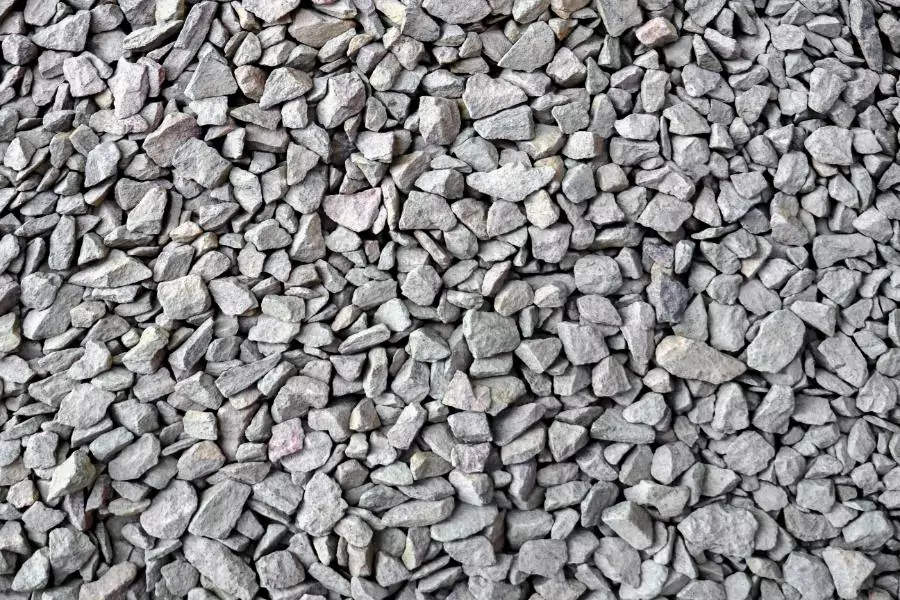
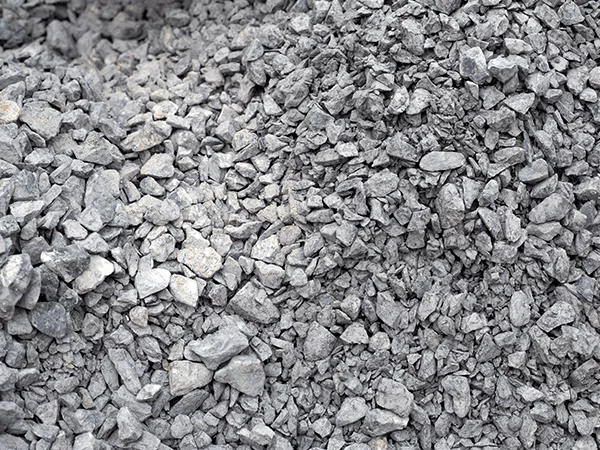


Gravel Monkey is your trusted source for high-quality aggregates and construction materials in Sherard, Mississippi. Nestled in the heart of Coahoma County in the Mississippi Delta, Sherard presents unique challenges for property owners and contractors due to the region's distinctive clay-rich alluvial soil and flat terrain. Whether you're improving a rural property, building agricultural access roads, or creating drainage solutions for the area's frequent rainfall, we deliver premium materials directly to your location with absolutely free delivery. Our comprehensive selection of aggregates addresses the specific needs of Delta properties, from combating soil expansion to managing seasonal water issues.
Complete Range of Aggregates for Sherard Properties
The Mississippi Delta's unique geography requires carefully selected materials that perform in heavy clay soils and humid subtropical conditions. Gravel Monkey provides aggregates specifically suited for Coahoma County's environmental challenges:
- Driveway Gravel - Durable aggregate designed to withstand Delta clay conditions and heavy traffic
- 3/4 inch Crushed Stone - Versatile aggregate for foundations, driveways, and compaction projects
- #57 Stone - Premium drainage aggregate that prevents water pooling in flat terrain
- Crusher Run - Superior base material that compacts firmly over Delta clay
- Road Base - Engineered aggregate for stable agricultural and access roads
- Pea Gravel - Smooth decorative stone for walkways and garden borders
- River Rock - Natural aesthetic aggregate for landscape features
- Drain Rock - Angular aggregate essential for effective drainage systems
- Topsoil - Quality soil for raised beds and lawn establishment
- Fill Dirt - Essential material for grading and elevation adjustments
- Crushed Concrete - Eco-friendly recycled aggregate for base applications
- Walkway Gravel - Comfortable aggregate for garden paths and pedestrian areas
- Mason Sand - Fine sand for mortar, masonry work, and paver installations
- Playground Sand - Safe, clean sand meeting safety standards for play areas
- Washed Sand - Clean aggregate for concrete mixing and construction projects
- Decomposed Granite - Natural fines creating stable, permeable surfaces
Understanding Sherard's Soil and Climate Conditions
Sherard sits in the Yazoo-Mississippi Delta, where the Yazoo River and Mississippi River have deposited rich alluvial sediments for millennia. This geological history created the region's characteristic heavy clay soils known as Sharkey clay and Commerce silt loam. These soils, while agriculturally productive, present significant challenges for construction and property improvement projects.
Delta Clay Soil Characteristics
The predominant soil type in Sherard consists of montmorillonite clay, which exhibits extreme shrink-swell behavior. During Coahoma County's wet seasons—typically November through May when rainfall averages 4 to 5 inches monthly—these soils absorb water and expand considerably. Conversely, during the hot, humid summers when temperatures regularly exceed 90°F from June through September, the clay contracts and cracks, creating uneven surfaces and drainage issues.
This cyclical expansion and contraction places tremendous stress on driveways, foundations, and access roads. Without proper aggregate base materials, surfaces quickly deteriorate, developing ruts, potholes, and structural failures. Properties throughout Sherard and nearby Coahoma require aggregates that provide stability, drainage, and resistance to clay movement.
Precipitation and Drainage Concerns
Sherard receives approximately 52 inches of rainfall annually, significantly higher than the national average. The Delta's flat topography—with elevations rarely varying more than 10 feet across large areas—means water doesn't drain naturally. Standing water is a persistent problem on properties without proper drainage infrastructure. Heavy spring rains and occasional tropical weather systems can dump several inches of rain in short periods, overwhelming inadequate drainage systems.
Effective aggregate selection is crucial for managing water. Materials like drain rock and #57 stone create void spaces that allow water to percolate away from structures and surfaces rather than pooling on the impermeable clay. Agricultural properties particularly benefit from proper drainage aggregates, as waterlogged fields delay planting and reduce yields.
Choosing the Right Aggregates for Your Sherard Project
Different projects throughout Sherard and Coahoma County require specific aggregate types optimized for local conditions. Understanding which materials work best helps ensure long-lasting results.
Driveways and Access Roads
Rural driveways and farm access roads in Sherard face constant challenges from heavy clay soil and agricultural vehicle traffic. The optimal solution involves layering aggregates to create a stable, well-draining surface. Start with crusher run as the base layer—this aggregate contains a mixture of stone sizes that compact tightly together, creating a solid foundation that resists settling into soft clay. The angular shape of crusher run particles locks together mechanically, preventing lateral movement even under heavy equipment.
For the surface layer, many Sherard property owners choose traditional driveway gravel or road base. These materials provide a smooth driving surface while maintaining permeability. The key is achieving proper depth—most successful Delta driveways use 4 to 6 inches of aggregate rather than the 3-inch standard used in areas with better-draining soils. This extra depth compensates for the underlying clay's instability.
Foundation and Construction Applications
Building on Delta clay requires careful attention to foundation preparation. The 3/4 inch crushed stone serves as an excellent aggregate for creating stable bases beneath concrete slabs, pole barns, and equipment pads. This angular aggregate compacts firmly while providing drainage that prevents hydrostatic pressure buildup beneath structures. For foundation drainage systems, #57 stone placed in trenches alongside footings directs water away from vulnerable areas, preventing the soil expansion that causes foundation cracks and settlement.
Drainage Solutions
Properties between Sherard and neighboring Clarksdale frequently require French drains, curtain drains, or dry wells to manage excess water. Drain rock represents the ideal aggregate for these applications. Its angular shape creates consistent void spaces—typically 30 to 40 percent of volume—allowing rapid water movement. Unlike rounded aggregates that can shift and reduce drainage efficiency, drain rock maintains its structure under soil pressure.
Many properties also benefit from swales or drainage ditches filled with aggregates. These features intercept surface water before it reaches structures or creates muddy areas. Using larger aggregates in these applications prevents clogging from silt and organic material common in agricultural areas near Friars Point and Lula.
| Aggregate Type | Best Applications | Delta Clay Performance | Drainage Rating |
|---|---|---|---|
| Crusher Run | Driveway base, road foundation | Excellent - compacts firmly | Moderate |
| Road Base | Access roads, heavy traffic areas | Excellent - engineered stability | Good |
| #57 Stone | Drainage systems, foundation drains | Very Good - prevents pooling | Excellent |
| 3/4 inch Crushed Stone | General purpose, foundations | Very Good - versatile aggregate | Good |
| Drain Rock | French drains, septic systems | Excellent - maximum flow | Excellent |
| Pea Gravel | Walkways, decorative use | Fair - best with base layer | Moderate |
| Decomposed Granite | Paths, permeable surfaces | Good - compacts well | Good |
| Crushed Concrete | Base material, temporary roads | Good - economical option | Moderate |
Serving Sherard and Surrounding Coahoma County Communities
Gravel Monkey proudly delivers premium aggregates throughout Sherard and the greater Mississippi Delta region. Our service area includes:
Core Service Areas
Sherard proper remains our primary focus, serving residential properties, farms, and rural businesses throughout the community. The town's agricultural heritage and rural character mean many properties require aggregates for farm lanes, equipment yards, and drainage improvements. We understand the specific challenges Sherard residents face with clay soils and seasonal flooding.
Just fifteen minutes south, Clarksdale represents the largest nearby city, where we serve both urban and suburban customers. From historic downtown properties to newer developments along Highway 61, Clarksdale's diverse landscape requires various aggregate solutions. Properties near the Sunflower River particularly benefit from our drainage aggregates.
The small community of Coahoma, located northeast of Sherard along Highway 1, consists primarily of agricultural properties and rural residences. These customers frequently need crusher run and road base for farm lanes that must support heavy equipment during harvest seasons. The area's proximity to Moon Lake also creates unique drainage requirements.
Extended Service Territory
Friars Point, situated along the Mississippi River southwest of Sherard, features properties with particularly challenging soil conditions due to the river's influence. The community's riverside location means enhanced drainage solutions are essential. We regularly deliver #57 stone and drain rock to properties managing water issues related to the river's fluctuating levels.
North of Sherard, Lula represents another agricultural community where cotton, soybeans, and rice cultivation dominate. Farm operations throughout Lula require durable aggregates for equipment access and grain storage facility yards. The community's flat terrain and heavy soils mirror conditions throughout the Delta.
We also serve properties near Jonestown to the east and Lyon to the southeast. These communities, while small, contain farms and rural properties that depend on quality aggregates for operational efficiency. Whether you're located on a main highway or down a gravel county road, we deliver throughout Coahoma County's agricultural heartland.
Seasonal Planning for Aggregate Projects in the Delta
Timing your aggregate project correctly in Sherard can significantly impact results and costs. The Mississippi Delta's distinct seasons create varying conditions for installation and material performance.
Optimal Installation Periods
Late summer through early fall—August through October—represents the ideal window for most aggregate projects in Sherard. During these months, rainfall decreases to 3 to 4 inches monthly, and soil moisture levels drop. Drier conditions allow better compaction of base materials like crusher run and road base. The soil's reduced moisture content also means less expansion pressure against newly installed aggregates.
Many agricultural customers schedule driveway and access road improvements after harvest, when farm traffic decreases temporarily. This timing allows aggregates to settle and compact naturally before spring planting operations begin. The cooler temperatures of October and November also make installation work more comfortable.
Challenging Seasons
Spring presents the most difficult conditions for aggregate work in Sherard and throughout Coahoma County. March through May brings frequent rain systems, with soil remaining saturated from winter precipitation. Installing aggregates over wet clay often leads to poor compaction and mixing of materials with underlying soil. If spring work is necessary, expect to use more aggregate to compensate for soil conditions and consider washed sand for better drainage during installation.
Winter months—December through February—see moderate rainfall but cooler temperatures. While conditions are workable, frozen ground occasionally occurs during cold snaps, temporarily halting installation. However, winter represents an excellent time for planning projects and scheduling spring delivery once conditions improve.
Calculating Aggregate Needs for Your Property
Accurate material estimation prevents project delays and ensures you order sufficient aggregates for complete installation. Delta conditions often require adjustments to standard calculations.
Basic Volume Calculations
For rectangular areas like driveways or equipment pads, multiply length times width times depth (all in feet) to get cubic feet. Divide by 27 to convert to cubic yards—the standard measurement for aggregate sales. For example, a driveway 150 feet long and 12 feet wide needing 4 inches of crusher run requires: 150 × 12 × 0.33 = 594 cubic feet ÷ 27 = 22 cubic yards.
However, soft Delta clay often requires deeper aggregate installation than firm soils. Where standard recommendations suggest 3 inches, plan for 4 to 6 inches in Sherard. This extra depth provides a thicker barrier between the surface and expansive clay, improving longevity significantly.
Adjusting for Soil Conditions
Properties with particularly soft or wet areas benefit from adding 10 to 20 percent extra material. This buffer accounts for initial settling and slight mixing with clay during compaction. Areas with existing ruts or depressions require additional fill to bring surfaces level before applying final aggregate layers. Our team can help assess your specific property conditions and recommend appropriate quantities.
Maintaining Aggregate Surfaces in Coahoma County
Proper maintenance extends the life of aggregate installations and preserves their functionality despite Delta conditions. Regular attention prevents small issues from becoming major problems.
Grade and Crown Maintenance
Driveways and roads should maintain slight crowns—higher centers than edges—to encourage water runoff. Heavy rains can wash aggregates toward edges, flattening this crown and allowing water to pool on surfaces. Periodically using a box blade or road grader to restore proper crown prevents water damage. Many Sherard property owners schedule grading after spring rains and again in fall.
Pothole and Rut Repair
Address potholes and ruts immediately when they appear. Small depressions collect water, accelerating deterioration. Fill problem areas with additional crusher run or driveway gravel, compacting thoroughly. For persistent soft spots indicating underlying clay issues, excavate deeper and add extra base material or geotextile fabric for reinforcement.
Edge Definition
Maintaining clear edges prevents aggregate migration into surrounding grass or soil. Consider installing edging materials or slightly raising aggregate surfaces above adjacent ground. This elevation, combined with proper crown, directs water away from driving surfaces and into designated drainage areas.
Sustainable Aggregate Choices for Mississippi Properties
Environmental consciousness increasingly influences material selection throughout Sherard and Coahoma County. Several aggregate options provide ecological benefits alongside functionality.
Recycled Concrete Aggregates
Crushed concrete diverts construction waste from landfills while providing serviceable aggregate for base applications. This recycled material performs comparably to natural aggregates for many projects, particularly farm lanes, equipment yards, and temporary roads. Using crushed concrete reduces demand for quarried materials and lowers environmental impact.
Permeable Surface Options
Materials like decomposed granite and properly graded walkway gravel create surfaces that allow water infiltration rather than forcing runoff. These permeable options reduce downstream flooding risks and help recharge groundwater supplies. For properties near wetlands or waterways common throughout the Delta, permeable surfaces minimize environmental impact while providing functional access.
Frequently Asked Questions About Gravel in Sherard
We deliver a comprehensive range of materials including driveway gravel, crushed stone, number 57 stone, crusher run, pea gravel, river rock, road base, drain rock, topsoil, fill dirt, crushed concrete, decomposed granite, and various sand types throughout Sherard and Coahoma County. Each material is selected for performance in Delta clay soils and humid subtropical conditions.
Yes! Gravel Monkey offers FREE delivery to Sherard and the surrounding Mississippi Delta area for all gravel and aggregate orders. We serve Sherard, Clarksdale, Coahoma, Friars Point, Lula, and throughout Coahoma County without delivery charges.
The amount depends on your project size and type. For driveways, calculate length times width times depth in feet, typically 4 to 6 inches deep for Delta clay soils rather than the standard 3 inches. Our team can help you estimate the right amount for your specific Sherard property conditions, accounting for clay soil characteristics and drainage requirements.
For the heavy clay soils common in Sherard and the Mississippi Delta, we recommend crusher run or road base for driveway foundations and access roads, and drain rock or number 57 stone for drainage applications. These aggregates provide the stability and drainage necessary to prevent water pooling and ensure proper compaction over expansive clay soils.
Absolutely! We deliver to Sherard and surrounding Coahoma County areas including Clarksdale, Coahoma, Friars Point, Lula, Jonestown, Lyon, and throughout the Delta region. Whether your property is on Highway 61, Highway 1, or down a county road, we provide the same free delivery service to all locations.
Late summer through early fall—August through October—provides optimal conditions for aggregate installation in Sherard. During these months, soil moisture levels are lower, allowing better compaction, and rainfall decreases. This timing also coincides with post-harvest periods when farm traffic is lighter, allowing materials to settle before spring operations.
Maintain a slight crown for water runoff, address potholes immediately with fresh aggregate, and regrade surfaces periodically after heavy rain seasons. Plan on grading twice yearly—after spring rains and again in fall—to restore proper drainage crowns. Keep edges well-defined to prevent material migration. The humid Delta climate and clay soils require more frequent attention than driveways in other regions.
For drainage solutions in Sherard's flat terrain and heavy clay soils, use drain rock or number 57 stone in French drains, curtain drains, and foundation drainage systems. These angular aggregates create consistent void spaces allowing rapid water movement. For surface drainage, crusher run provides good stability while allowing water percolation better than solid pavement.
Ready to Improve Your Sherard Property?
Whether you're upgrading a rural driveway, building farm infrastructure, or solving persistent drainage issues on your Coahoma County property, Gravel Monkey delivers the right aggregates for Delta conditions. Our materials are specifically chosen to perform in Sherard's challenging clay soils and humid climate, ensuring your investment provides lasting value.
Contact us today to discuss your project needs. Our experienced team understands the unique challenges of building and maintaining properties in the Mississippi Delta, and we're ready to help you select the perfect aggregates for your specific situation. Remember—delivery is always free throughout Sherard and surrounding communities!

Need help? Reach out for a quote: