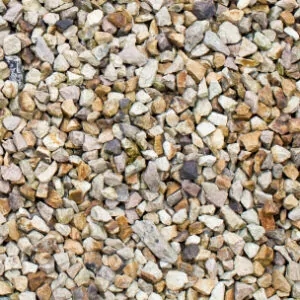

Rock & Driveway Gravel in Seminary, Mississippi
Local Topsoil, Dirt, Sand, Rocks and Gravel near me in Seminary, Mississippi
Shop Aggregates for Delivery in Seminary
Order online for free delivery to any Seminary address.
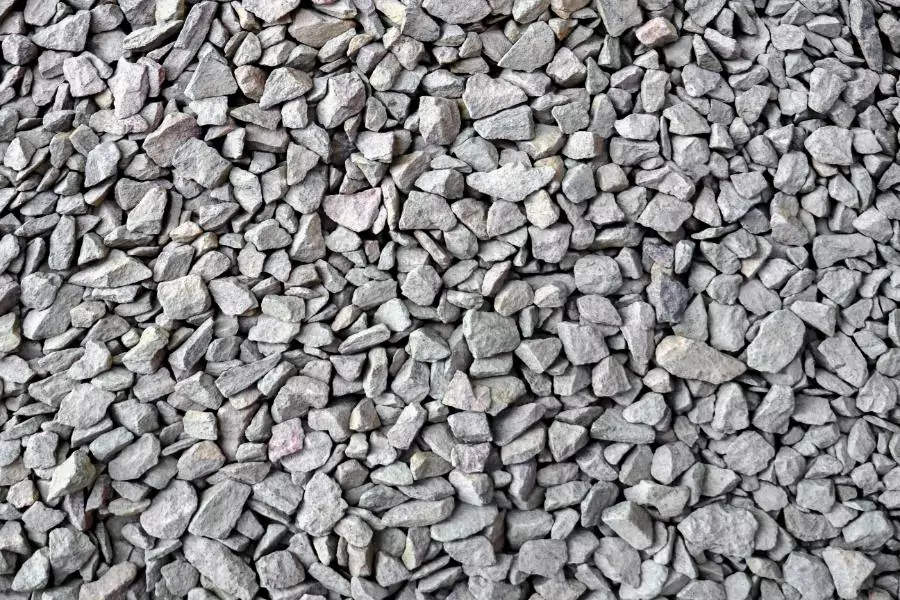
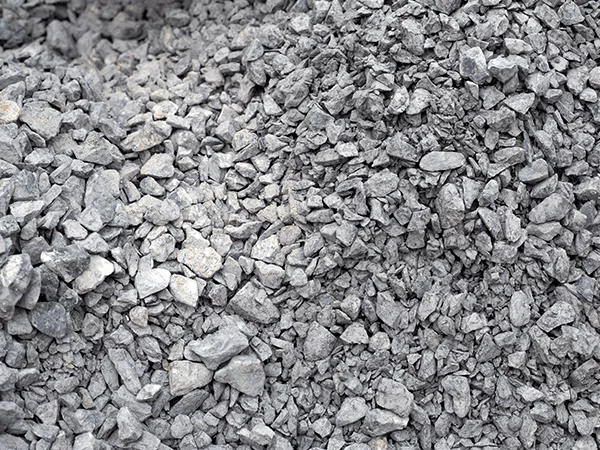


Gravel Monkey is your trusted supplier for premium gravel and aggregate delivery in Seminary, Mississippi. Whether you're building a new driveway on Highway 35, improving drainage around Seminary School Road, or landscaping properties near the historic downtown district, we deliver high-quality aggregates directly to your location with absolutely free delivery throughout Covington County.
Complete Range of Aggregates Available in Seminary
Seminary's unique position in south-central Mississippi, with its clay-based soils and humid subtropical climate, demands materials specifically suited to local conditions. We supply a comprehensive selection of aggregates and landscaping materials for residential, commercial, and agricultural applications throughout the area:
- Driveway Gravel - Premium base material engineered for long-lasting driveways
- 3/4 inch Crushed Stone - Versatile aggregate for driveways, pathways, and foundations
- #57 Stone - Uniform crushed stone ideal for drainage and concrete applications
- Crusher Run - Compactable base perfect for stable road and driveway foundations
- Road Base - Heavy-duty foundation material for driveways and access roads
- Pea Gravel - Smooth decorative stone for walkways and landscaping features
- River Rock - Natural aesthetic appeal for gardens and water features
- Drain Rock - Specialized aggregate for effective drainage systems
- Crushed Concrete - Eco-friendly recycled material for base layers
- Topsoil - Nutrient-rich soil for gardens and lawn establishment
- Fill Dirt - Essential material for grading and leveling projects
- Mason Sand - Fine sand for masonry and construction work
- Washed Sand - Clean sand for concrete mixing and construction
- Playground Sand - Safe, clean sand for play areas
- Walkway Gravel - Attractive stone for pathways and garden borders
- Decomposed Granite - Natural material for paths and xeriscaping
Aggregates for Seminary's Clay Soil and Climate Conditions
Seminary sits in the heart of Covington County, where the soil composition presents specific challenges that require proper aggregate selection. The area's predominant Susquehanna and Ruston soil series feature high clay content, which expands significantly when wet and contracts during dry periods. This soil behavior affects everything from foundation stability to driveway longevity throughout the Seminary area.
The region receives approximately 58 inches of annual rainfall, with peak precipitation occurring during winter and spring months. This substantial moisture, combined with Seminary's clay soils, creates conditions where proper drainage becomes essential. Properties near Oak Street and throughout the residential areas east of Highway 35 particularly benefit from strategic aggregate placement that addresses these water management challenges.
Addressing Seminary's Soil Expansion Issues
Seminary's expansive clay soils can cause significant structural movement, making proper site preparation critical. The clay's high plasticity index means it absorbs water readily, expanding up to 15% of its volume during wet seasons. When temperatures rise and conditions dry out—particularly during Mississippi's hot, humid summers where temperatures regularly exceed 90 degrees—the clay shrinks, creating voids and settlement issues.
For properties throughout Seminary, from the areas near Seminary Attendance Center to rural homesteads along Highway 532, establishing a proper aggregate base creates a stable barrier between structures and reactive clay soils. This foundation layer distributes weight evenly and provides drainage pathways that prevent water accumulation in the clay layer below.
Driveway Aggregates for Seminary Properties
Seminary's network of county roads and rural driveways requires materials that withstand both heavy rainfall and the region's distinctive soil challenges. The right aggregate selection ensures your driveway remains functional through all seasons, from humid summer months through occasional winter freezes.
Base Layer Materials for Seminary Driveways
For the crucial foundation layer that sits directly on Seminary's clay soil, compactable aggregates provide stability and drainage. These materials lock together under compaction, creating a firm platform that resists the movement of underlying clay soils. Properties along Seminary School Road and throughout the Mount Olive vicinity use these base materials to establish driveways that last decades rather than requiring constant repair.
The base layer typically requires 4 to 6 inches of depth for residential driveways, while commercial applications or heavy equipment access roads may need 8 to 10 inches. This substantial foundation prevents the common Seminary problem of driveways developing ruts and depressions where clay soils settle unevenly.
Surface Aggregate Considerations
The driveway surface in Seminary must handle both aesthetic requirements and functional demands. Properties near downtown Seminary often choose crushed stone surfaces that provide visual appeal while maintaining excellent drainage characteristics. The angular nature of crushed aggregates allows pieces to interlock, preventing the displacement common with rounded materials.
For rural properties where agricultural equipment traffic occurs regularly, larger aggregate sizes provide the durability needed for heavy loads. These materials spread weight effectively across the base layer, preventing the surface from breaking down under stress. The natural color variations in stone also help driveways blend with Seminary's predominantly wooded landscape.
| Aggregate Type | Best Seminary Applications | Size Range | Drainage Rating | Compaction |
|---|---|---|---|---|
| Crusher Run | Driveway base, road foundation | 3/4 inch down to fines | Good | Excellent |
| Road Base | Heavy-duty driveways, parking areas | 1 to 1.5 inches | Very Good | Excellent |
| #57 Stone | Drainage, French drains, concrete aggregate | 3/4 inch uniform | Excellent | Moderate |
| 3/4 inch Crushed Stone | Driveway surface, pathways | 3/4 inch | Very Good | Good |
| Pea Gravel | Decorative landscaping, pathways | 3/8 inch | Good | Poor |
| Drain Rock | Foundation drainage, septic systems | 3/4 to 1.5 inches | Excellent | Poor |
Drainage Aggregates for Seminary's High Rainfall
With Seminary receiving nearly 5 feet of rain annually, effective drainage systems are not optional—they're essential for property protection. The combination of heavy rainfall and poorly-draining clay soils creates conditions where water management determines whether properties remain functional or experience ongoing moisture problems.
French Drain Systems for Seminary Properties
French drains effectively capture and redirect water away from foundations, preventing the moisture intrusion common in Seminary's clay soil areas. These systems require clean, uniformly sized aggregates that create consistent void spaces for water movement. Properties throughout the Collins Road area and near Highway 35 use French drain installations to protect buildings from the hydrostatic pressure that develops when water saturates clay soils.
The typical French drain in Seminary consists of a perforated pipe surrounded by drainage aggregate, all contained within a fabric sleeve that prevents clay particles from clogging the system. The aggregate layer must extend at least 6 inches around the pipe in all directions to ensure adequate water collection capacity during heavy rainfall events.
Foundation Drainage Protection
Seminary's residential and commercial buildings face constant pressure from water that accumulates against foundations after rainfall. The clay soil's low permeability means water doesn't naturally drain away—it sits against foundation walls, seeking any available entry point. Foundation drainage systems using proper aggregates create a preferential pathway for water, directing it to daylight or collection systems rather than allowing basement or crawl space infiltration.
Properties near Seminary School and throughout eastern Seminary benefit significantly from foundation drainage aggregate placement. The installation creates a gravel bed against foundation walls, extending from footer level to grade, that intercepts water before it can cause problems. This protective measure is particularly important for properties built on Seminary's Susquehanna clay series soils, where seasonal water tables can rise substantially.
Landscaping Aggregates and Decorative Stone in Seminary
Seminary's natural beauty, characterized by pine forests and gentle rolling terrain, provides an excellent backdrop for landscape projects that incorporate decorative aggregates. Whether creating garden beds near the historic downtown area or establishing pathways through wooded properties along Highway 532, the right materials enhance both aesthetics and functionality.
River Rock for Seminary Gardens
The rounded, polished appearance of river rock provides a natural complement to Seminary's landscape character. These stones work exceptionally well in dry creek beds—artificial drainage features that channel water during rainstorms while appearing as decorative landscape elements during dry periods. Given Seminary's rainfall patterns, dry creek beds serve the dual purpose of managing stormwater runoff while creating attractive yard features.
River rock also excels as mulch alternative in planting beds throughout Seminary. Unlike organic mulches that decompose rapidly in Mississippi's humid climate, river rock provides permanent coverage that suppresses weeds while allowing water penetration to plant roots. The stone's thermal mass helps moderate soil temperature fluctuations, protecting plant roots during both summer heat waves and occasional winter cold snaps.
Pea Gravel for Pathways and Patios
Pea gravel's smooth, rounded texture makes it comfortable for foot traffic, while its natural drainage characteristics prevent the standing water issues common with solid surface pathways in Seminary. Garden paths throughout residential areas benefit from pea gravel's informal appearance, which complements cottage-style landscapes and natural garden designs popular in the region.
For patio applications, pea gravel creates permeable surfaces that don't contribute to Seminary's stormwater management challenges. Unlike concrete or pavers, which direct rainfall into concentrated flows, pea gravel allows water to percolate naturally into the soil below. This characteristic makes it an environmentally sound choice for outdoor living spaces throughout Covington County.
Construction Aggregates for Seminary Building Projects
Seminary's ongoing residential and commercial development requires consistent access to construction-grade aggregates. From foundation work near downtown Seminary to new construction throughout rural areas, proper aggregate selection ensures structural integrity and project longevity.
Concrete Aggregate Applications
Quality concrete production depends on properly graded aggregates that provide strength and workability. Seminary construction projects use washed sand for mortar and concrete mixing, ensuring the absence of clay or silt particles that would compromise concrete strength. The clean, angular particles in washed sand create strong bonds with cement paste, producing concrete that withstands Mississippi's climate extremes.
For concrete applications ranging from residential foundation pours to commercial slab construction, the aggregate component determines final concrete performance. Seminary's building codes reflect the importance of quality materials, and using properly graded, clean aggregates ensures compliance while delivering structures that resist cracking and degradation over decades of service.
Backfill and Grading Materials
Every construction project in Seminary generates excavation that requires proper backfill material. While some contractors attempt to reuse excavated clay soil, this practice often leads to settlement problems as the disturbed clay consolidates unevenly. Professional projects throughout Seminary use clean fill dirt or select aggregates for backfill applications, ensuring stable conditions around foundations and utility installations.
Grading projects that establish proper site drainage also depend on quality fill materials. Seminary's flat to gently rolling topography requires careful attention to surface grading to prevent water accumulation near structures. Fill dirt placed in controlled lifts and properly compacted creates stable building pads that resist settlement while directing water away from improvement areas.
Agricultural Aggregate Uses in Seminary and Covington County
Seminary's surrounding agricultural areas utilize aggregates for various farm and ranch applications. From livestock facilities to equipment storage areas, proper aggregate placement improves functionality while reducing maintenance requirements on rural properties.
Barn and Equipment Pad Construction
Agricultural buildings throughout Seminary benefit from aggregate bases that provide all-weather access and prevent mud accumulation. Livestock barns, equipment sheds, and hay storage facilities built on compacted aggregate pads remain functional during wet periods when clay soil would become impassable. The drainage characteristics of properly installed aggregate bases prevent water from pooling around buildings, protecting stored equipment and maintaining sanitary conditions for livestock.
Equipment pads for tractors and farm machinery particularly benefit from heavy-duty aggregate bases that distribute weight and prevent rutting. Seminary's agricultural operations depend on reliable access to equipment regardless of weather conditions, making proper aggregate surfacing a sound investment in operational efficiency.
Rural Driveway and Access Road Solutions
Long driveways serving Seminary's rural properties face unique challenges. The combination of clay soils, heavy rainfall, and limited maintenance resources means these access routes must be built correctly from the start. Aggregate bases that extend deep enough to reach stable subsoil create permanent solutions that require minimal upkeep over decades of service.
Many rural Seminary properties feature driveways exceeding 500 feet in length. Proper aggregate installation on these extended access routes prevents the development of ruts and low spots that trap water and deteriorate rapidly. The investment in quality base materials and proper installation techniques pays dividends through reduced maintenance requirements and maintained property access even during Mississippi's wettest periods.
Aggregate Delivery Throughout Seminary and Surrounding Areas
Gravel Monkey provides free delivery service throughout Seminary and the greater Covington County area. Our delivery routes cover all local neighborhoods and extend to surrounding communities, ensuring convenient access to quality aggregates regardless of your project location.
Seminary Area Neighborhoods We Serve
We regularly deliver throughout downtown Seminary along Highway 35, the residential areas near Seminary School Road, properties extending along Oak Street, and developments throughout the eastern sections of town. Our service extends to rural routes including Highway 532, Collins Road, and the various county roads that connect Seminary to surrounding communities.
Nearby Communities
Beyond Seminary proper, we serve Collins to the south, Mount Olive to the east, Sumrall to the southeast, and rural areas throughout Covington County. Whether your project is located on a developed lot in town or a remote rural property, our delivery service ensures you receive quality aggregates when and where you need them.
Proper Aggregate Installation for Seminary Conditions
Successful aggregate projects in Seminary require more than quality materials—proper installation techniques adapted to local soil conditions determine long-term performance. Understanding how to prepare sites and install aggregates correctly prevents common problems and maximizes material investment.
Site Preparation for Clay Soils
Before aggregate placement, Seminary's clay soils require proper preparation. Excavating to stable subsoil ensures aggregates rest on a solid foundation rather than compressible clay. The excavation depth varies based on project requirements and existing soil conditions, but residential driveways typically remove 8 to 12 inches of clay soil before aggregate installation begins.
For properties with particularly challenging clay conditions, geotextile fabric placed beneath aggregates provides separation between materials. This barrier prevents clay particles from migrating upward into the aggregate layer—a process called pumping that occurs when heavy loads create pressure forcing clay through aggregate voids. The fabric maintains aggregate integrity while allowing water to drain through to properly designed discharge points.
Compaction Requirements
Proper compaction transforms loose aggregates into stable surfaces capable of supporting loads without settlement or displacement. Seminary projects achieve optimal compaction by placing aggregates in lifts—layers typically 4 inches thick before compaction. Each lift receives thorough compaction before the next layer is added, ensuring density throughout the aggregate mass rather than just at the surface.
The compaction process uses vibratory equipment that energizes aggregate particles, allowing them to settle into densest possible configurations. For base materials, achieving 95% of maximum density creates surfaces that resist deformation under traffic loads. Surface layers may require slightly less compaction to maintain drainage characteristics while still providing adequate stability.
Seasonal Factors for Seminary Aggregate Projects
Seminary's climate influences optimal timing for aggregate installation projects. Understanding seasonal effects helps property owners schedule work for best results and avoid potential complications.
Summer Project Advantages
Seminary's hot, humid summers provide excellent conditions for aggregate projects. Dry soil conditions allow easier excavation and site preparation compared to wet season work. The firm subgrade typical during summer months supports equipment movement without excessive rutting, and compaction operations achieve better results when moisture content is optimized.
However, summer's intense heat requires proper hydration for crew members and attention to dust control during dry periods. Lightly watering aggregate surfaces before compaction can improve density achievement while reducing airborne dust that might concern neighbors in residential Seminary areas.
Winter and Spring Considerations
Winter's cooler temperatures and occasional rain events make some aggregate work more challenging in Seminary. The clay soils' tendency to retain moisture means wet season projects may encounter soft subgrade conditions that require additional preparation. Some contractors prefer avoiding winter work entirely, while others use specialized techniques to manage moisture and achieve acceptable results.
Spring brings increased rainfall to Seminary, with March through May averaging the year's highest precipitation. While this season presents challenges for aggregate installation, proper planning and execution methods still allow successful project completion. The key involves monitoring weather forecasts, having proper drainage plans in place, and using techniques that account for elevated moisture conditions.
Aggregate Project Budgeting in Seminary
Understanding the factors that influence aggregate project costs helps Seminary property owners plan budgets and make informed material selections. While Gravel Monkey provides free delivery throughout the Seminary area, several variables affect overall project investment.
Material Quantity Calculations
Accurate quantity estimation prevents costly over-ordering or project delays from material shortages. For Seminary projects, calculate required aggregate volume by multiplying length times width times depth—all measured in feet—then dividing by 27 to convert cubic feet to cubic yards. A standard residential driveway measuring 12 feet wide by 100 feet long requiring 6 inches of base material needs approximately 22 cubic yards of aggregate.
However, Seminary's clay soil conditions often mean additional material is needed compared to projects on more stable soils. The clay's tendency to compress under aggregate weight, combined with inevitable material loss during grading and compaction, suggests ordering 10-15% more than calculated volumes to ensure adequate coverage. This buffer prevents frustrating shortfalls that require additional delivery and delay project completion.
Long-term Value Considerations
While aggregate costs represent a significant project expense, Seminary property owners must consider long-term value rather than just initial investment. Quality base materials properly installed provide decades of service with minimal maintenance, while cheaper alternatives or inadequate installation typically require regular repairs and eventual replacement.
For Seminary properties, the difference between a properly constructed aggregate driveway and a substandard installation becomes evident within the first year. Quality projects maintain their surface and drainage characteristics through multiple wet seasons, while inadequate work develops ruts, depressions, and drainage problems that progressively worsen. The modest additional investment in proper materials and installation techniques delivers value through reduced lifetime costs and maintained property functionality.
Frequently Asked Questions About Aggregates in Seminary, Mississippi
We deliver driveway gravel, crushed stone in various sizes, pea gravel, river rock, crusher run, road base, drain rock, recycled concrete, topsoil, fill dirt, and multiple sand varieties throughout Seminary and surrounding Covington County areas. Each material is selected for quality and performance in Mississippi's soil and climate conditions.
Yes! Gravel Monkey offers FREE delivery to Seminary and the surrounding Mississippi area for all gravel, aggregate, and landscaping material orders. Our delivery service covers downtown Seminary, rural areas throughout Covington County, and nearby communities including Collins and Mount Olive.
For Seminary's expansive clay soils, crusher run and road base provide excellent compaction and stability. For drainage solutions to address clay water retention, we recommend drain rock or number 57 stone to prevent water pooling issues common in the area. The angular nature of these materials creates stable surfaces that resist the movement of underlying clay soils.
For a standard Seminary driveway, calculate length times width times depth in feet, then divide by 27 for cubic yards. Most driveways need 4 to 6 inches of base material. For example, a 12-foot wide by 100-foot long driveway with 6 inches of base requires approximately 22 cubic yards. We recommend ordering 10-15% extra to account for compaction and coverage variations in Seminary's clay soil conditions.
Absolutely! We deliver throughout Seminary and surrounding rural Covington County areas including Collins, Mount Olive, and the surrounding communities. Whether your property is located along Highway 35, Highway 532, or remote county roads, our free delivery service ensures you receive quality aggregates at your project site.
We offer mason sand for masonry work, washed sand for concrete mixing, and playground sand for recreational areas. Each sand type is specifically processed for its intended application in Seminary construction and landscaping projects. Mason sand provides the proper gradation for mortar and stucco work, while washed sand delivers the cleanliness required for structural concrete applications.
Seminary receives approximately 58 inches of annual rainfall, and the area's predominant clay soils have very low permeability. This combination means water doesn't naturally drain away—it accumulates and can cause foundation problems, yard flooding, and driveway deterioration. Proper drainage aggregates create pathways for water movement, preventing these common issues in Seminary properties.
Summer typically provides optimal conditions for aggregate installation in Seminary, with dry soil conditions that allow easier site preparation and better compaction results. However, projects can be successfully completed year-round with proper techniques. Winter and spring projects require additional attention to moisture management, but experienced contractors adapt methods to account for seasonal conditions and still achieve quality results.
Professional Aggregate Supply for Seminary, Mississippi
Whether you're planning a residential driveway along Seminary School Road, establishing drainage systems for property near downtown, or developing agricultural facilities in rural Covington County, Gravel Monkey provides the aggregates and expertise needed for lasting results. Our commitment to quality materials, free delivery throughout the Seminary area, and understanding of local soil conditions makes us the preferred aggregate supplier for projects throughout southern Mississippi.
Seminary's clay soils and substantial rainfall create unique challenges that demand proper material selection and installation techniques. Our comprehensive range of aggregates addresses everything from basic fill dirt needs to specialized drainage applications, ensuring your project receives materials specifically suited to Covington County conditions. With free delivery to Seminary and surrounding areas, plus expert guidance on material selection and quantities, we simplify the aggregate procurement process while ensuring quality results that stand the test of time in Mississippi's demanding climate.

Need help? Reach out for a quote: